Home of the Year Returns for Eighth Series
Scotland's Home of the Year judge Banjo Beale has expressed his desire to find homes that are "lived in and loved" as the popular series returns for its eighth season on Monday.
The Isle of Mull-based interior designer returns to the hit show where he explores strangers' homes, assessing them for their inspiration and originality.
Alongside Beale, designer Anna Campbell-Jones and architect Danny Campbell join the judging panel. When they enter the competing houses, they are unaware of the owners' identities, a fact that often surprises viewers.
"I love to see a home that is lived in and loved," Beale said. "Not a set piece but somewhere that has been storied and styled, and is a self-portrait of its owner."
The BBC Scotland competition has become a firm favourite with audiences eager to see the diverse ways people live.
Judge Danny Campbell shared his criteria, emphasizing his preference for unique architectural solutions.
"I want a home that surprises me, one that turns awkward floorplans into architectural plot twists," he said.
Homes Featured in the East of Scotland
On Monday, the judges visit three distinct homes located in the east of Scotland.
The first is the Art Deco Villa in Craiglockhart, home to Guy, Lynne, and their dogs Jensen and Tyson. This 1930s residence in the Edinburgh suburb was the first original commission by renowned Scottish architect Sir Basil Spence.
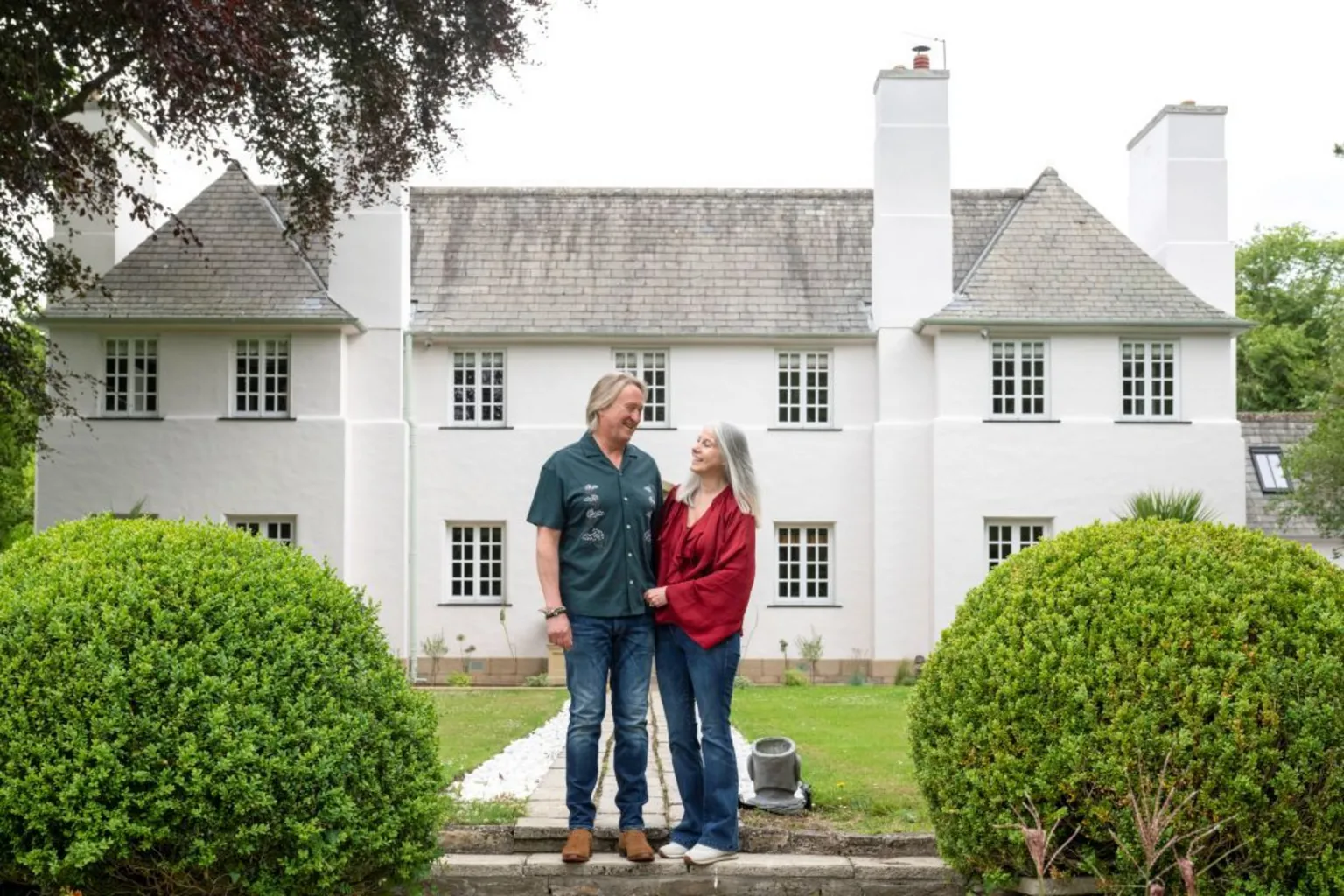
The villa was originally Guy's childhood home, and the couple have since added a modern extension and fully renovated the property.
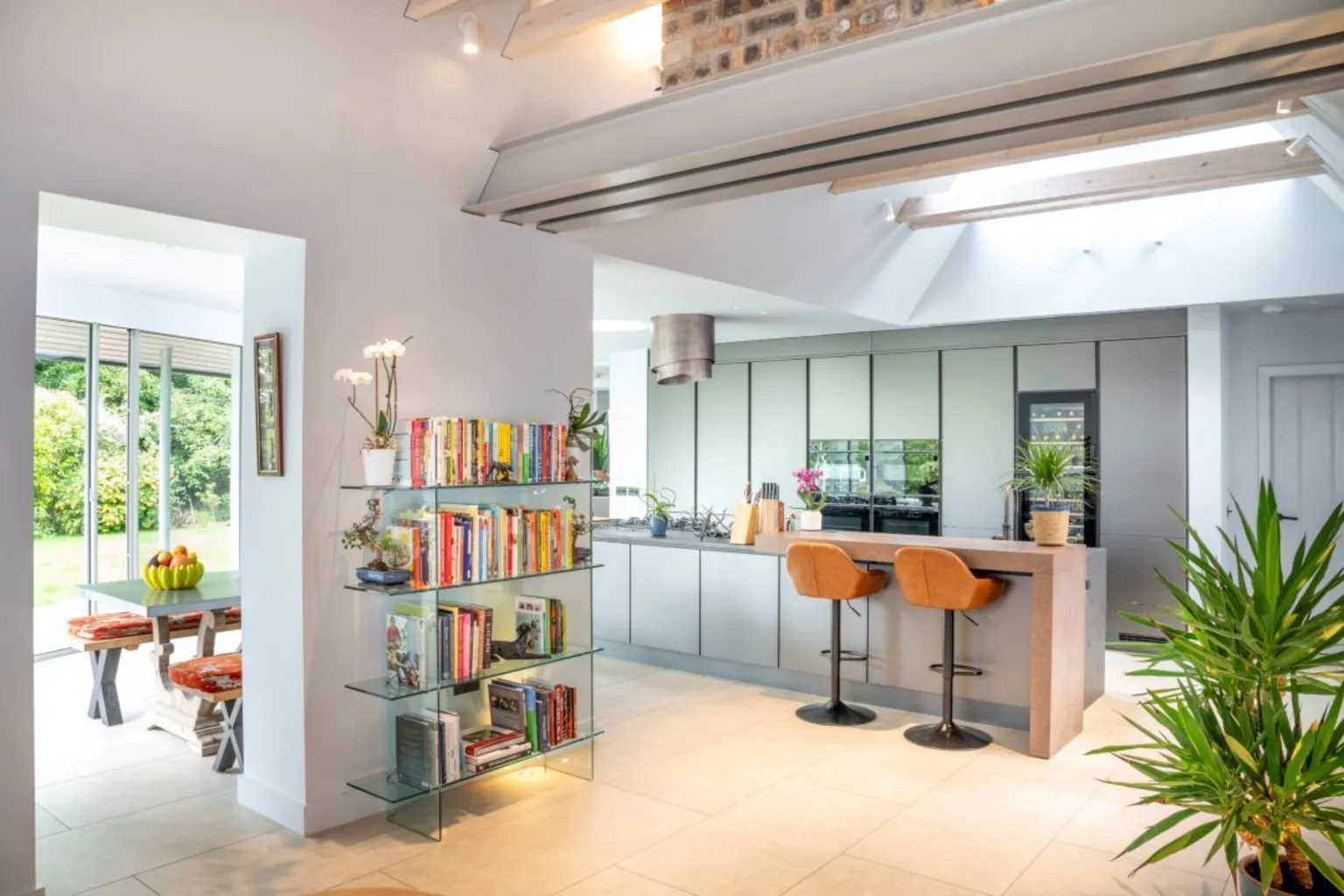
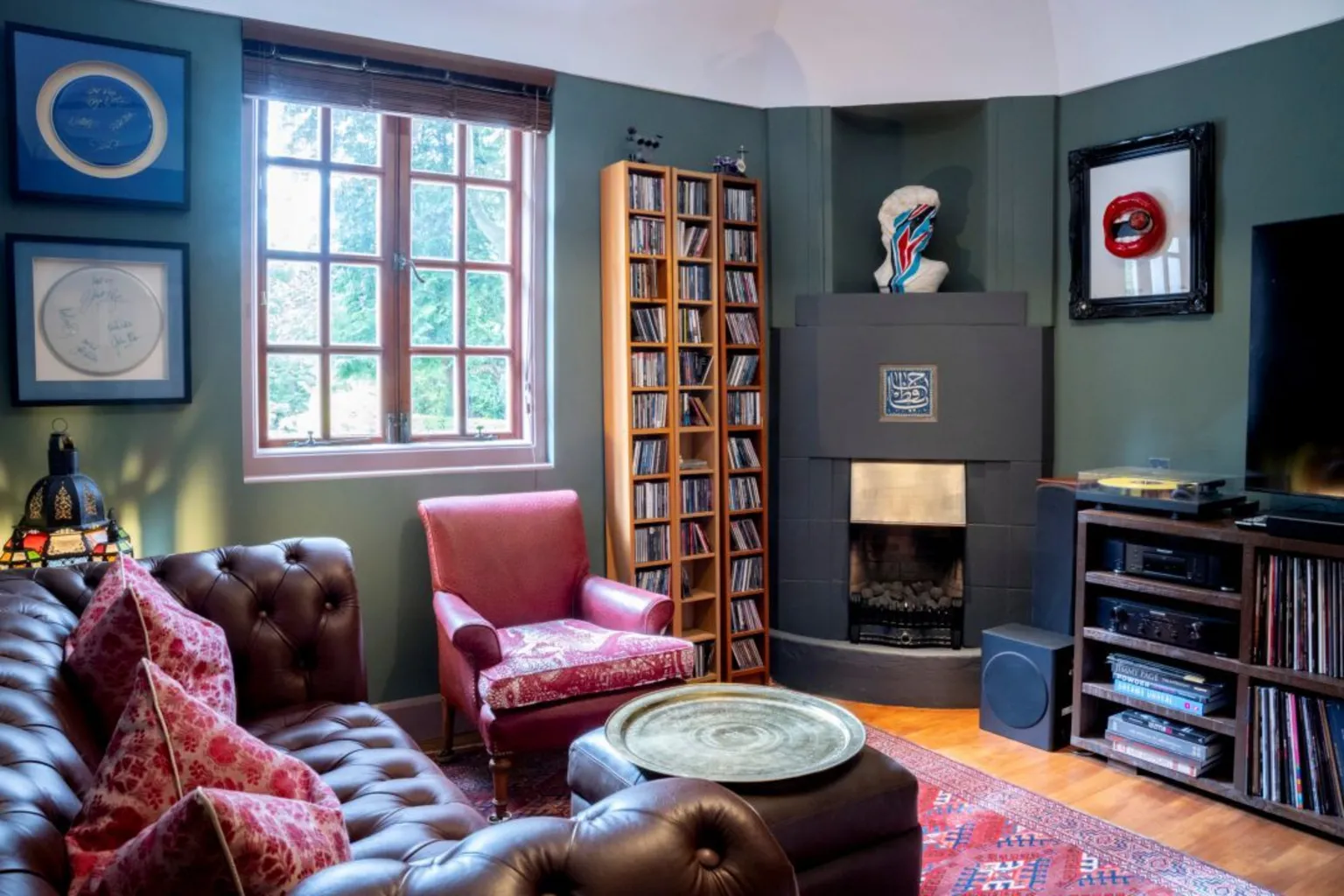
The grade B-listed building celebrates both period and contemporary design elements.

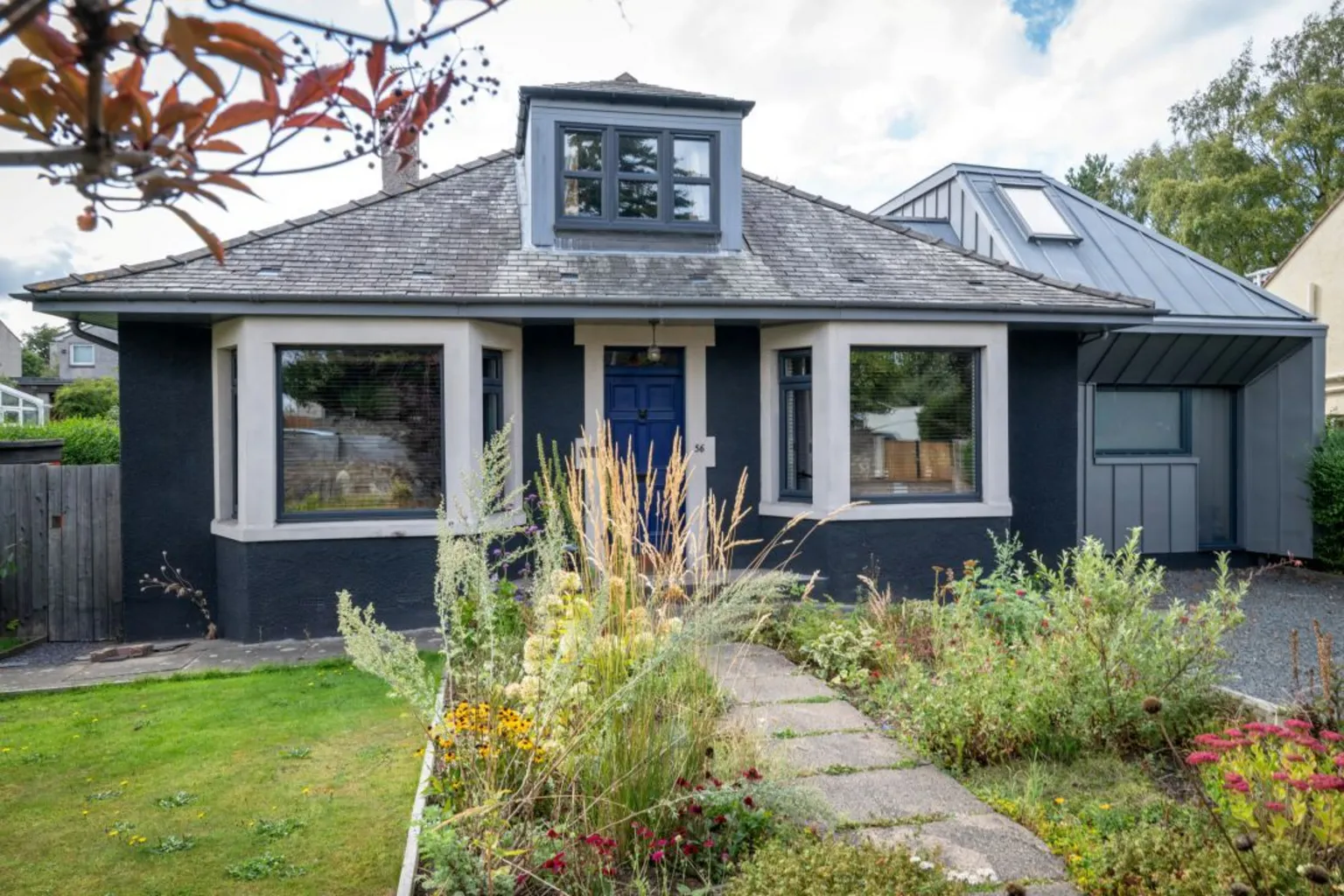
The second property is Homegrown Hoose, a bungalow conversion in Mortonhall, Edinburgh. It is occupied by Emily, Robert, their children Jackson and Ada, and the family's chickens.
Emily, a horticulturalist, and Robert, a professor of timber engineering, combined their expertise to sustainably modernize their mid-century home.
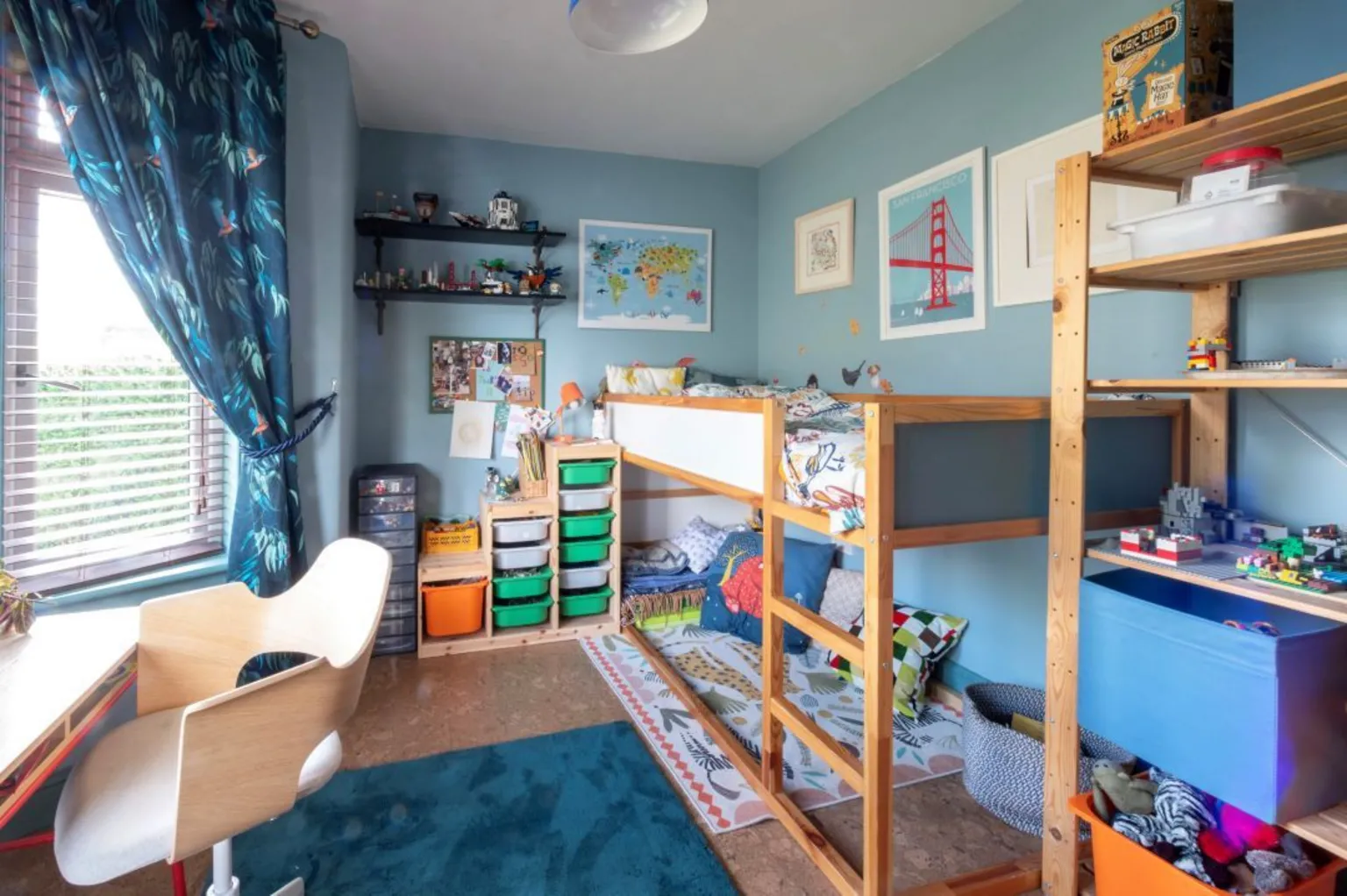
The home is heavily influenced by timber technologies, reflecting Robert's professional background.
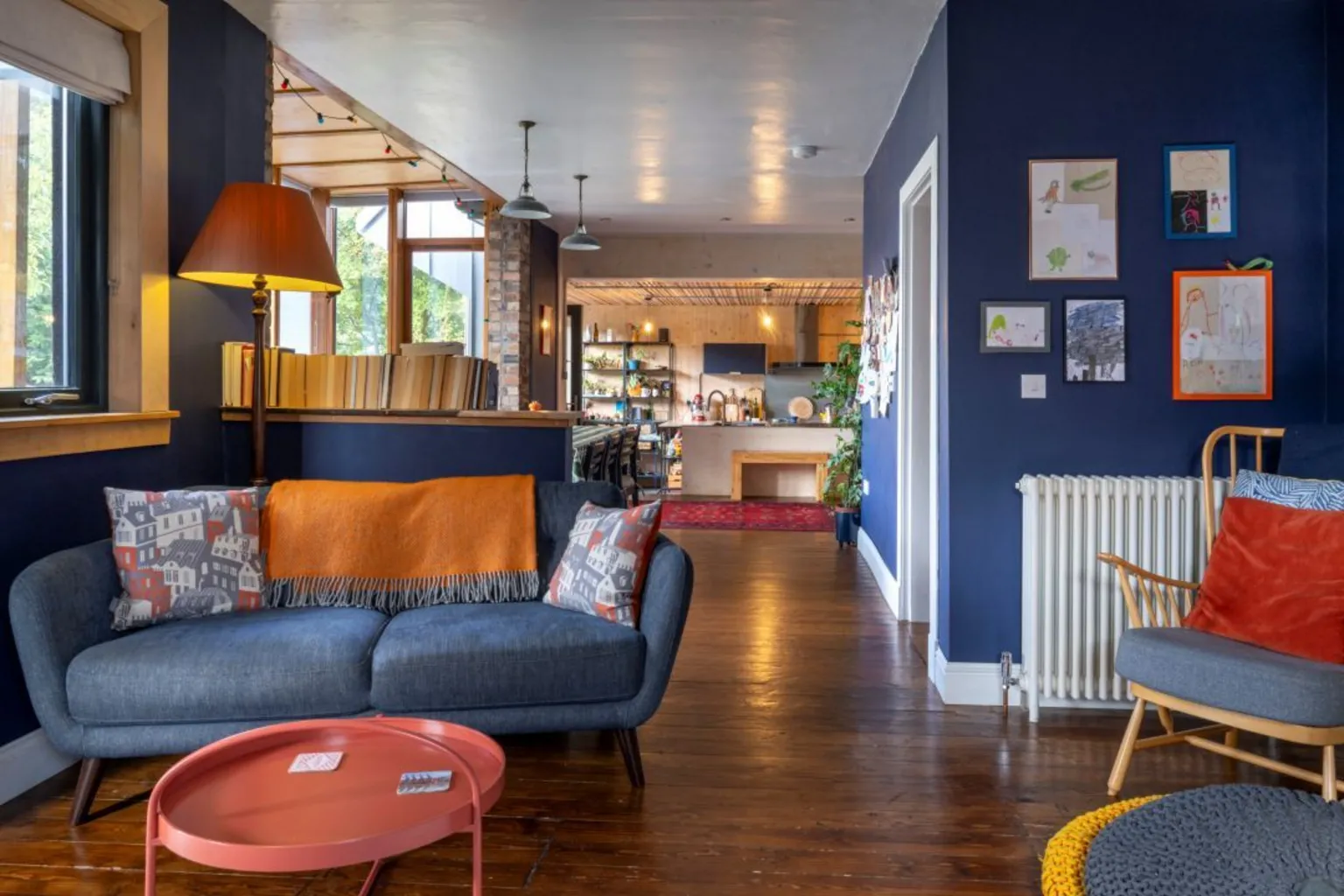
Emily admitted she initially disliked the house but now considers it the perfect family home.
The final home in the east is The Schoolhouse, a renovated detached house in the village of Fordell. It is the residence of Diane, Jimmy, and their son Sean.
The Fife home has been in Jimmy's family since the 1960s, with the couple moving in over a decade ago.
Diane took the lead on revamping the home, which was a major project for the couple.
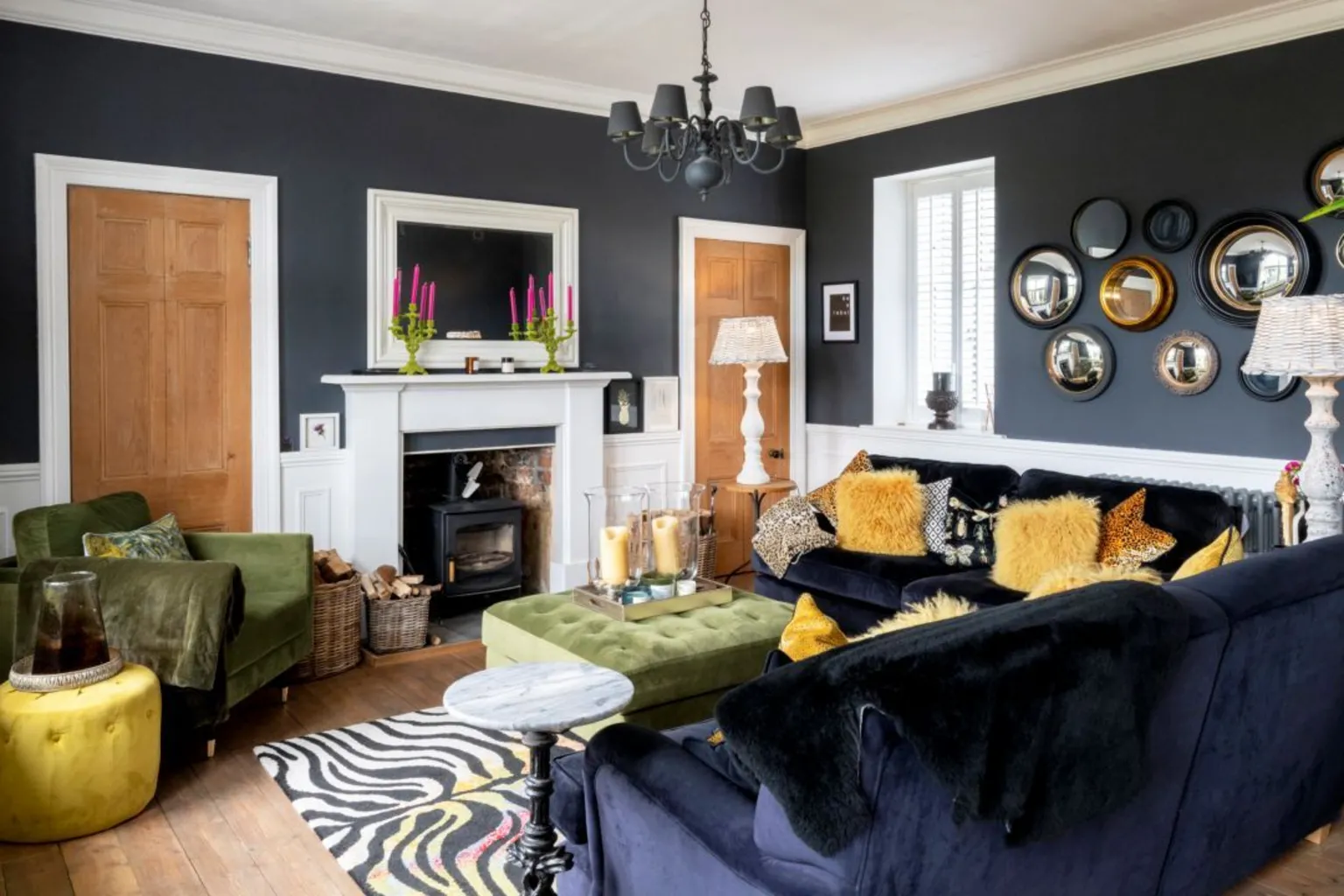
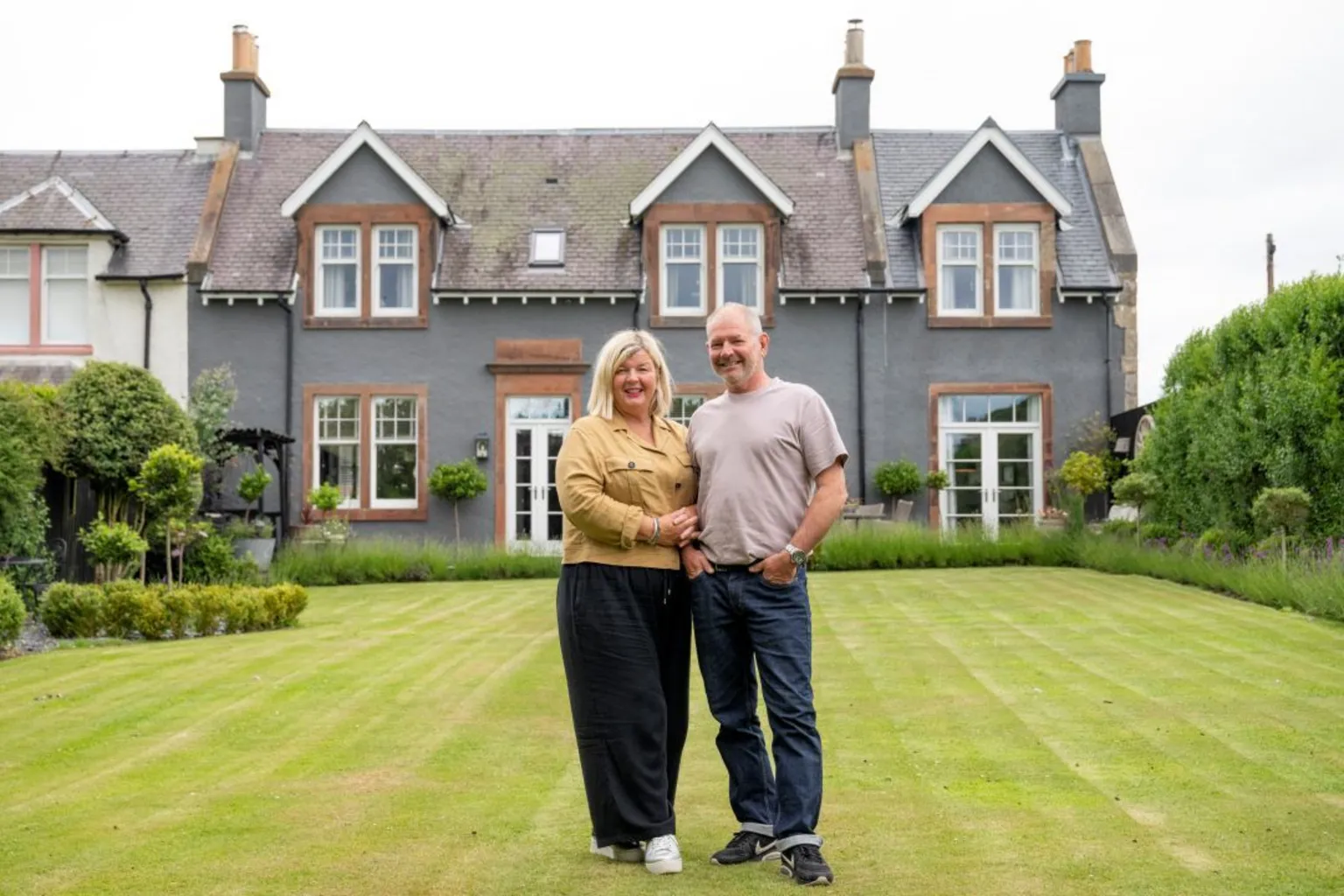
The Schoolhouse features a quirky style that distinguishes it from the other entries.
Judging Criteria and Upcoming Final
Interior designer Anna Campbell-Jones expressed her fascination with how people create personal narratives through their homes.
"I'm fascinated by the idea of people forming their own folklore, telling tales and creating uniquely personal narratives, through a perfect mixture of memory, meaning and materiality."
The judges will score the homes based on architectural merit, distinctive design, and personal style. They will select the home that will represent the east in the grand final held at House for an Art Lover in Glasgow.