Theroux’s Approach to the Manosphere
It is refreshing to observe Louis Theroux adopting a more direct and less naive approach in his documentary Louis Theroux: Inside the Manosphere. However, the film offers limited exploration of how online misogyny affects individuals who have not chosen to engage with this subculture.
At first glance, the documentary may seem belated, given the numerous prior works focusing on prominent figures in the online misogyny sphere, such as Andrew Tate, or the broader phenomenon itself. The most recent example includes James Blake’s documentary. Despite this, the subject cannot be considered fully explored until Theroux’s perspective has been presented. In this film, he revisits familiar territory, covering themes previously addressed by less prominent documentarians.
Notably, Theroux adopts a firmer stance with his interviewees, moving away from his characteristic ignorant-ingenue persona. This shift is welcome, as the former approach has become increasingly difficult to sustain and less effective, especially given the growing significance of the issues discussed. Theroux’s usual reliance on silent bafflement and allowing subjects to incriminate themselves appears less potent when addressing matters of such societal importance.
Engagement with Online Influencers
Theroux confronts online personalities who promote anti-women "red pill" ideology—a term derived from the film The Matrix, symbolizing a supposed awakening to societal truths about male oppression perpetuated by mainstream media. He skillfully challenges their posturing, as demonstrated in an early interview with 23-year-old Harrison Sullivan, known online as hstikkytokky, who fled the UK after a car crash and was later convicted of dangerous driving.
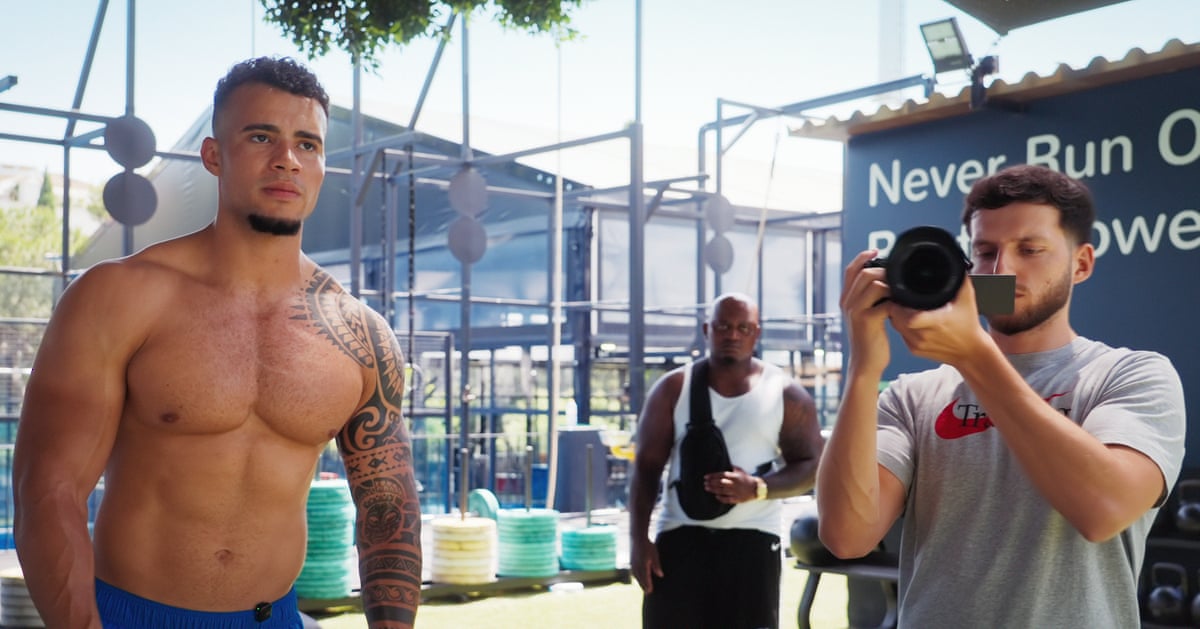
Sullivan began his online presence as a fitness instructor before expanding into coaching young men to embrace traditional masculinity, rejecting what he terms "soy boys" or "gimps." During a workout session at an outdoor gym, Theroux asks,
"Is that how you see me?"Sullivan pauses, flustered by the question, prompting Theroux to joke,
"Did you just look at my arms?"Sullivan laughs, revealing the superficiality underlying the movement. When Theroux inquires if it is leg day, Sullivan confidently displays his muscular thigh, replying,
"Silly question, mate."Theroux’s comment,
"Calves need work,"elicits another laugh from Sullivan, who agrees,
"They do, they do."

The Darker Side of the Manosphere
This glimpse of ordinary humanity contrasts starkly with the disturbing content that dominates the manosphere. The documentary presents a collection of increasingly extreme material designed to generate clicks and revenue for its creators. The content often involves humiliating and abusing women, encouraging followers to adopt similar behaviors and reject perceived weakness.
Theroux highlights the relentless aggression and hypocrisy within the community. Sullivan admits his mother despises racism, homophobia, and misogyny, and that he would be reprimanded if she heard his views. He operates an agency promoting OnlyFans accounts but states he would disown a daughter who engaged in such work and a son who was gay. When Theroux probes these contradictions, Sullivan responds with a series of non sequiturs and illogical justifications that the documentary does not fully unpack.
Voices of Women in the Manosphere
The film includes a few potentially insightful appearances by the girlfriends, wives, and Sullivan’s mother. These relationships are often characterized by "one-sided monogamy," implying a dynamic where only the man is expected to remain faithful. However, these women rarely reappear once the men realize they might deviate from the intended narrative. Theroux misses an opportunity to delve deeper into the implications of these dynamics and the broader impact of the manosphere on women who have not chosen to be involved—such as schoolgirls, teachers, and young women struggling to find unaffected male peers.
Instead, the documentary focuses on the interviewees’ childhoods, which begins to resemble an attempt to find excuses rather than critically interrogate the widespread appetite among men for misogynistic content and their eagerness to consume and propagate it.
Potential for Further Exploration
To date, there appears to be no documentary about these men presented from a female perspective. A film featuring voices like Sullivan’s mother or women of her generation might offer fresh insights and a new dimension to understanding the manosphere.