Sequel Condition and Contemporary Themes
When a sequel to The Devil Wears Prada was announced two decades after the original film's release, many questioned the rationale behind it.
For Meryl Streep, who portrays Miranda Priestly, the editor-in-chief of Runway Magazine inspired by Anna Wintour, participation came with a crucial stipulation.
"There was one way that we would sign on to do a sequel," she tells . "If it spoke to the moment."
The film reflects current realities in journalism, including staffing reductions, declining print circulation, and the dominance of digital media.
"Everything has to have its own necessity for being - even the frothiest sort of fun movie," Streep adds.
Co-star Stanley Tucci highlights the film's engagement with contemporary issues.
"The film is dealing with the issues of today - the loss of control that journalists have because of social media and AI," he says.
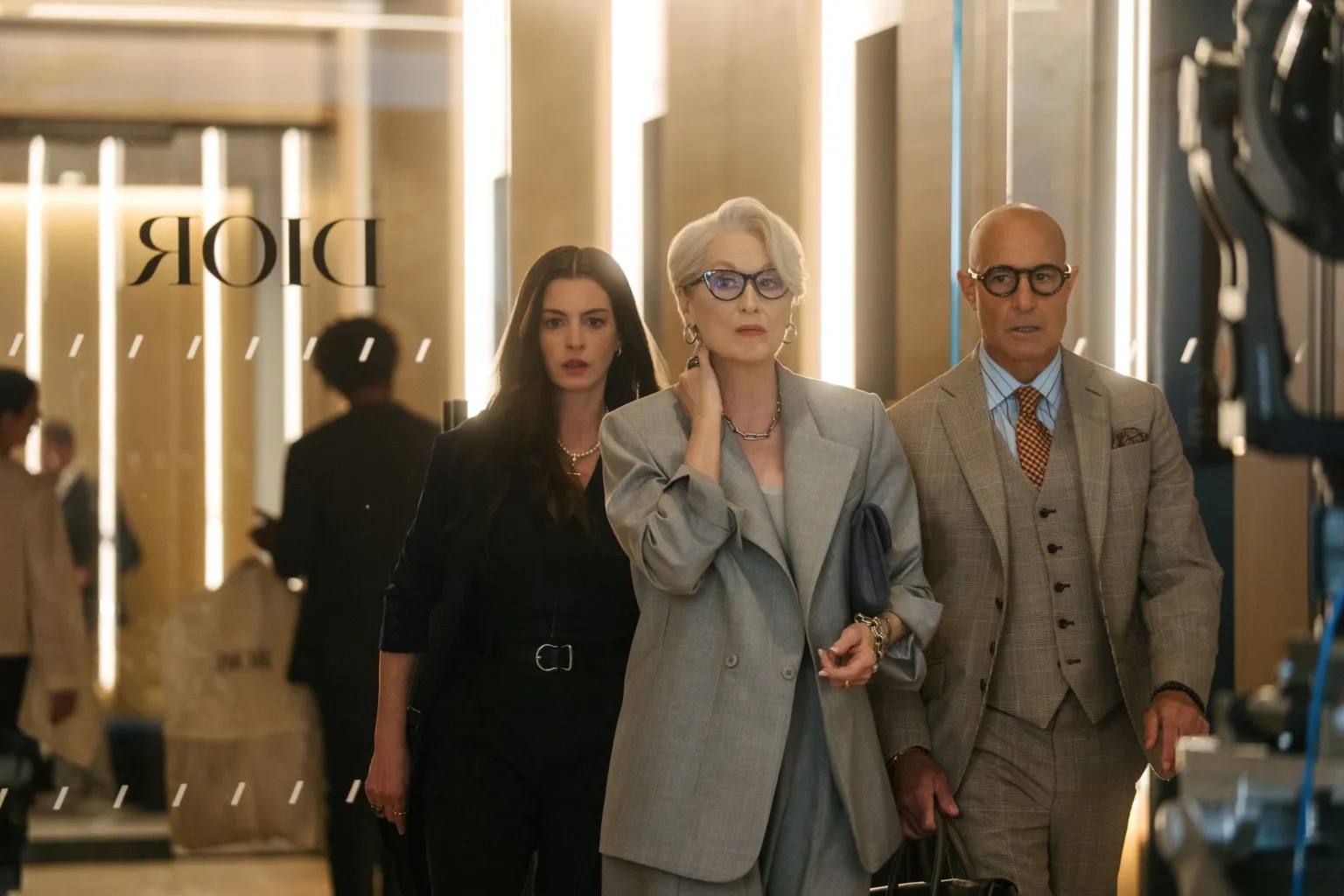
Embracing Nostalgia and Reflecting Change
Replicating the original 2006 film’s success, which remains culturally significant and has been adapted into a West End musical, posed challenges.
Rather than duplicating the original, the new film aims to mirror evolving times.
"One of the things I think the film does really well is show you have to participate in the world you want to live," says Anne Hathaway, a lead actor in the film.
"I hope people realise the fate of journalism really rests on them and if you believe in it, you believe it's important - I personally do."
Streep, a three-time Oscar winner, expresses hope that audiences find optimism in the film.
"It sounds like we've made [the 2015 film] Spotlight or something but no, we've made The Devil Wears Prada - there's a lot of fun and fashion," she jokes.
Tucci describes the film as a form of escapism amid global uncertainty.
"It's a nice bit of escapism at a time when the world is in a very chaotic place," he states.
Emily Blunt, also part of the cast, shares a personal connection with Tucci from the original film’s premiere and hopes the movie delivers joy.
"I want people to have a joy bomb - go [see it] with their friends, laugh, cheer and enjoy the nostalgia bank that the movie is," she says.
Returning Characters and New Dynamics
The sequel, penned again by Aline Brosh McKenna and directed by David Frankel, features designer fashion, celebrity cameos including Marc Jacobs and Naomi Campbell, and iconic settings such as New York and Milan.
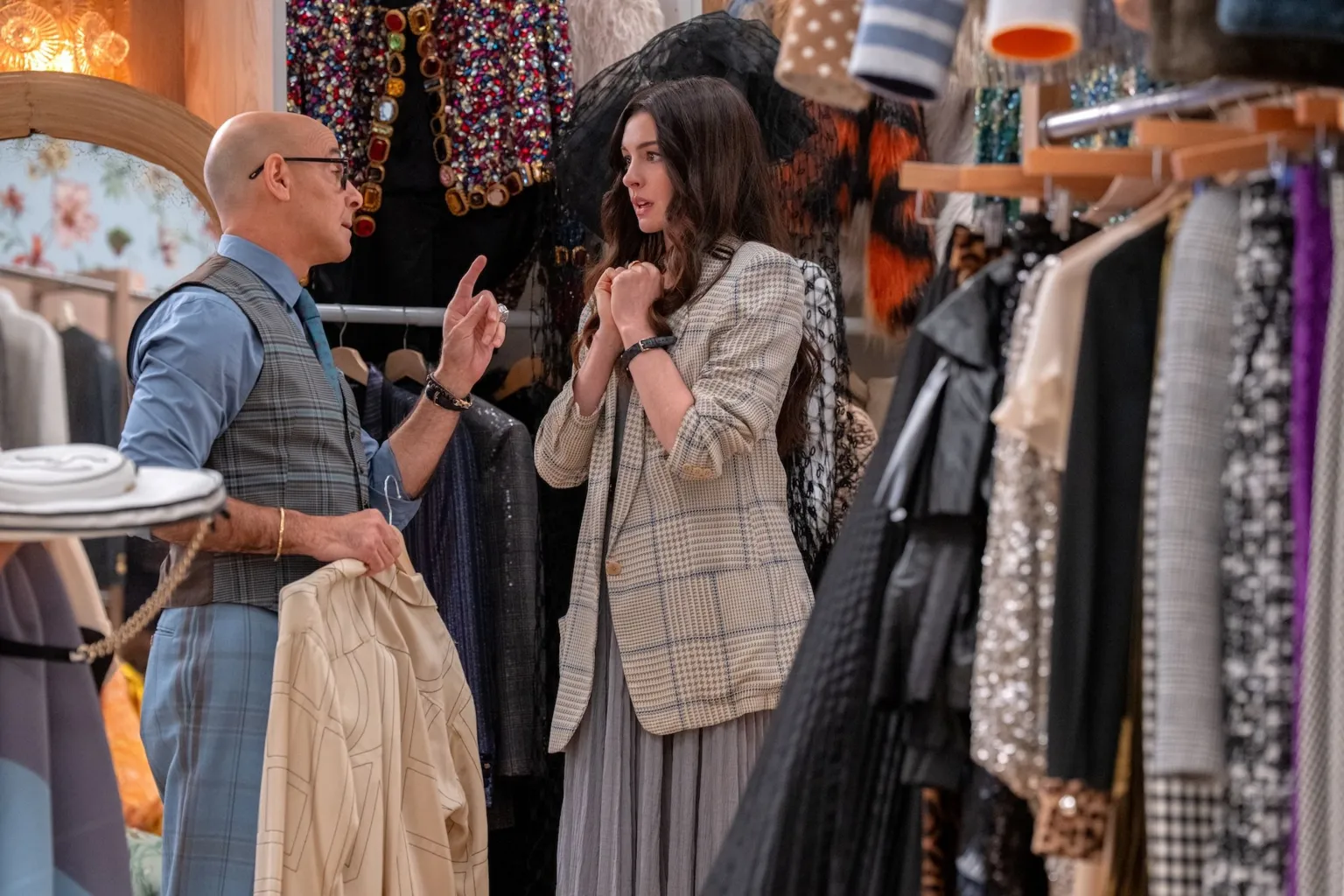
Stanley Tucci reprises his role as Nigel Kipling, Runway’s creative director, and Anne Hathaway returns as Andy Sachs, now the magazine’s features editor.

Emily Blunt returns as Emily Charlton, who has transitioned from assistant to a senior executive in luxury retail.
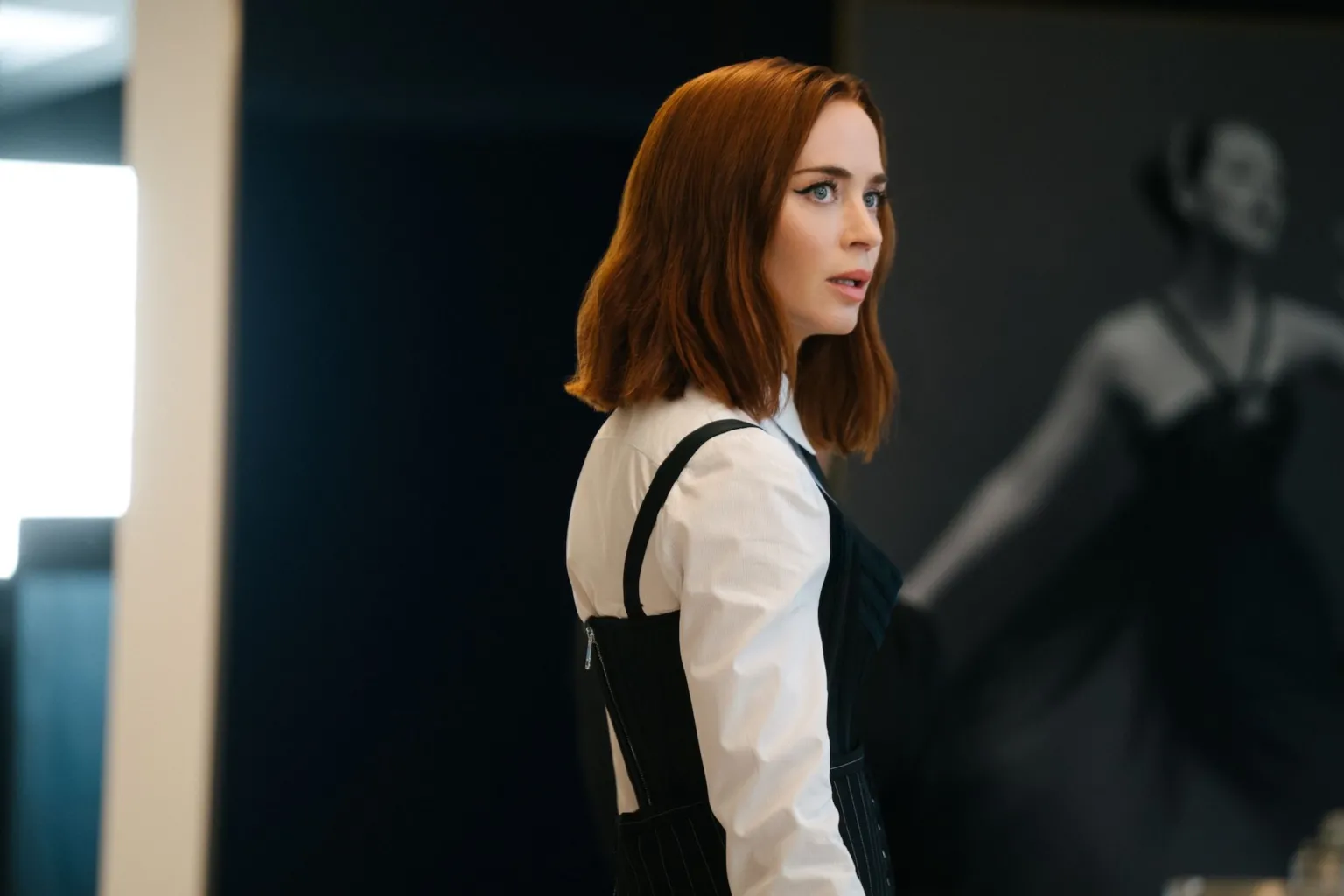
While the sequel retains the trademark "snarky one-liners" and wit, Blunt notes the characters navigate a "whole new landscape."
"I like that the movie deals with the ideas of realisation, forgiveness, reconciliation, reclamation," she adds.
Critical reception has been largely positive. Variety describes the film as "a sequel made with intelligence and respect for both its predecessor and the legions who still love it."
calls it "good-natured, buoyant entertainment," while Empire acknowledges it "serves its characters with a fresh story instead of relying solely on the tropes of its predecessor," though it suggests "this high-fashion tale could have benefitted from higher stakes."
The Hollywood Reporter offers a more tempered view, describing the film as "pretty polished and as featherweight as a fawning magazine puff piece."
Focus on Ambition and Career Sacrifices
The original film was praised for centering on the ambitious female leads portrayed by Streep, Blunt, and Hathaway. The sequel continues to emphasize the success of these women, with romantic relationships serving as secondary plot elements.
Streep underscores the importance of this message.
"For young women who pursue a career, it's always been [the case that] ambition is seen as an unattractive quality in women. We would hope that feeling would be obsolete but it isn't, it's alive and kicking," she says.
Hathaway concurs.
"Stories about women who love what they do - who work at it and who prioritise it - are few and far between in Hollywood.
"I think that's why this one resonated with people 20 years ago and I think why people are responding to it this time - because there are a lot of us out there who feel that way."
The film also portrays the personal sacrifices the female protagonists make to sustain demanding careers.
"How you define having a full life, a satisfying life and a meaningful one is very personal," Hathaway, an Oscar, Bafta, and Golden Globe winner, explains.
"For some people, that means you have a career and for some, it means your career is life-based. There's no one better than the other," she adds.
Streep reflects on this message’s broader relevance.
"I think it's a message that men can take to heart as well," she says.
"No man on his deathbed says 'damn, I wish I'd been at the office more', I don't think. We all want to keep our lives in balance," she continues.
Inspiration and Enjoyment
The cast appears to hope audiences will both enjoy the film and derive new insights from it.
"Seeing a story that centres around a character you can connect to that inspires you [is] a huge reason why I'm sitting here right now," Hathaway states.
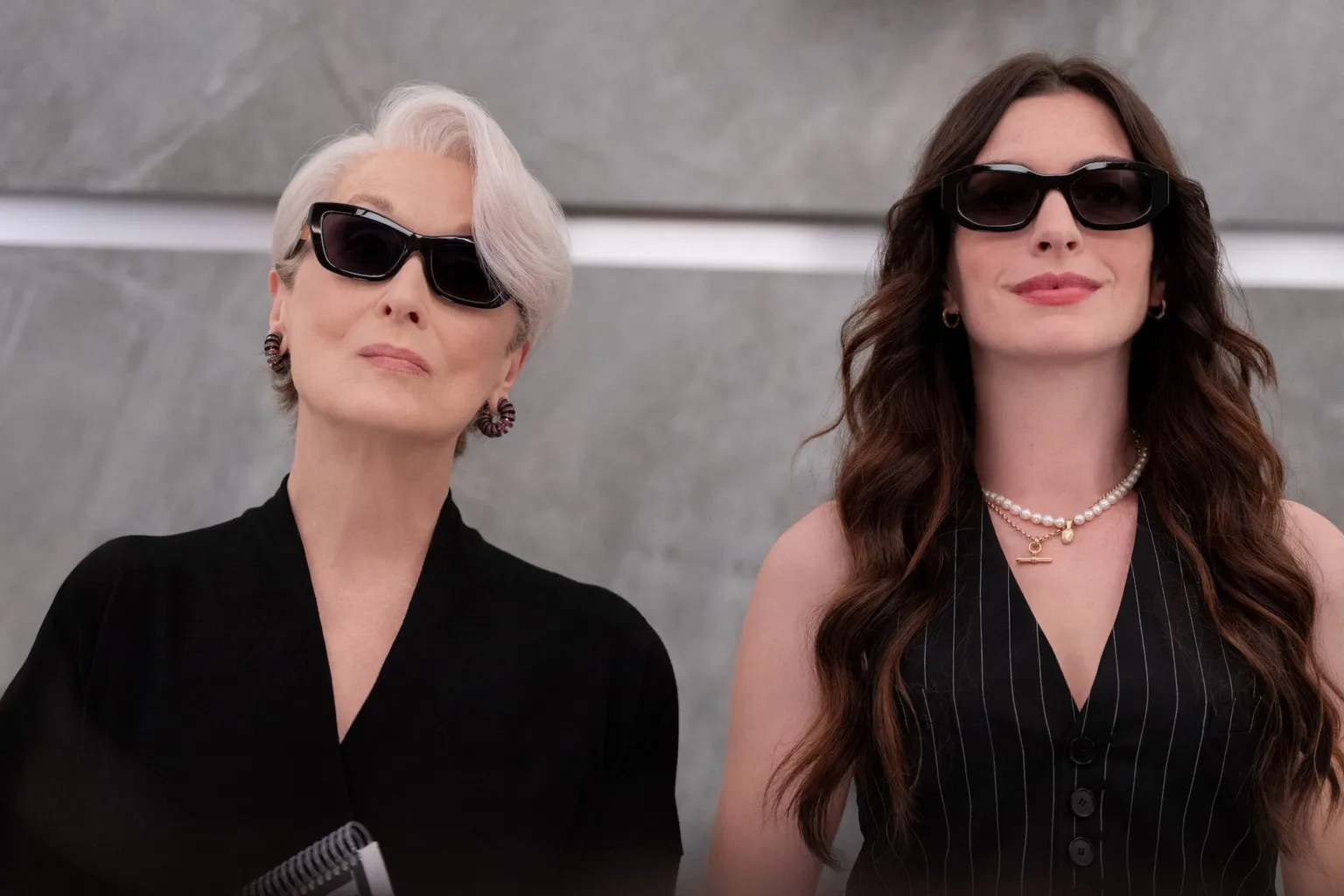
The Devil Wears Prada 2 is currently showing in cinemas.