

Discovery of Lost Doctor Who Episodes
A cardboard box discovered within a collector's "ramshackle" assortment of vintage films contained two episodes of Doctor Who that have not been viewed since their original broadcast in the 1960s.
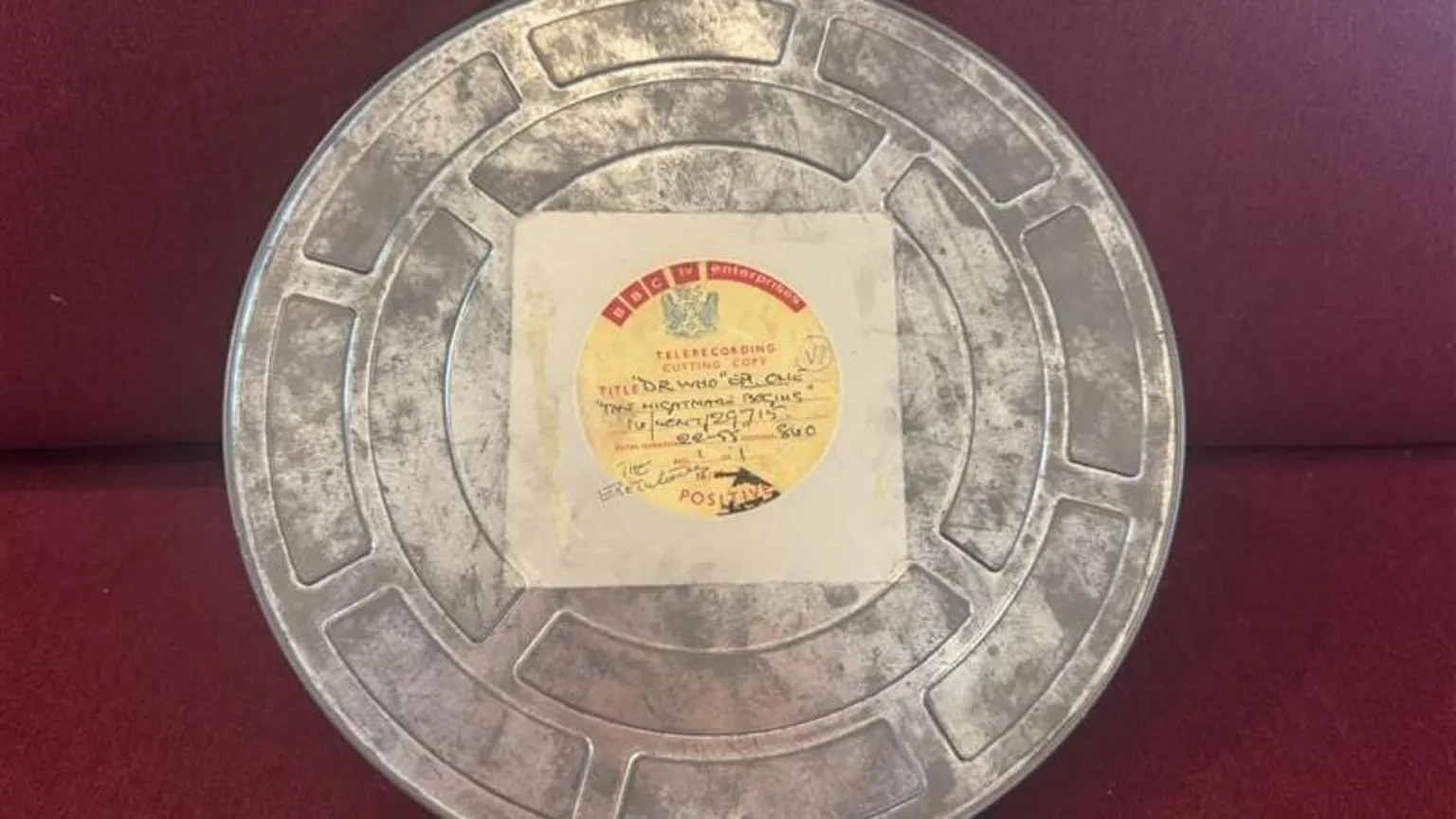
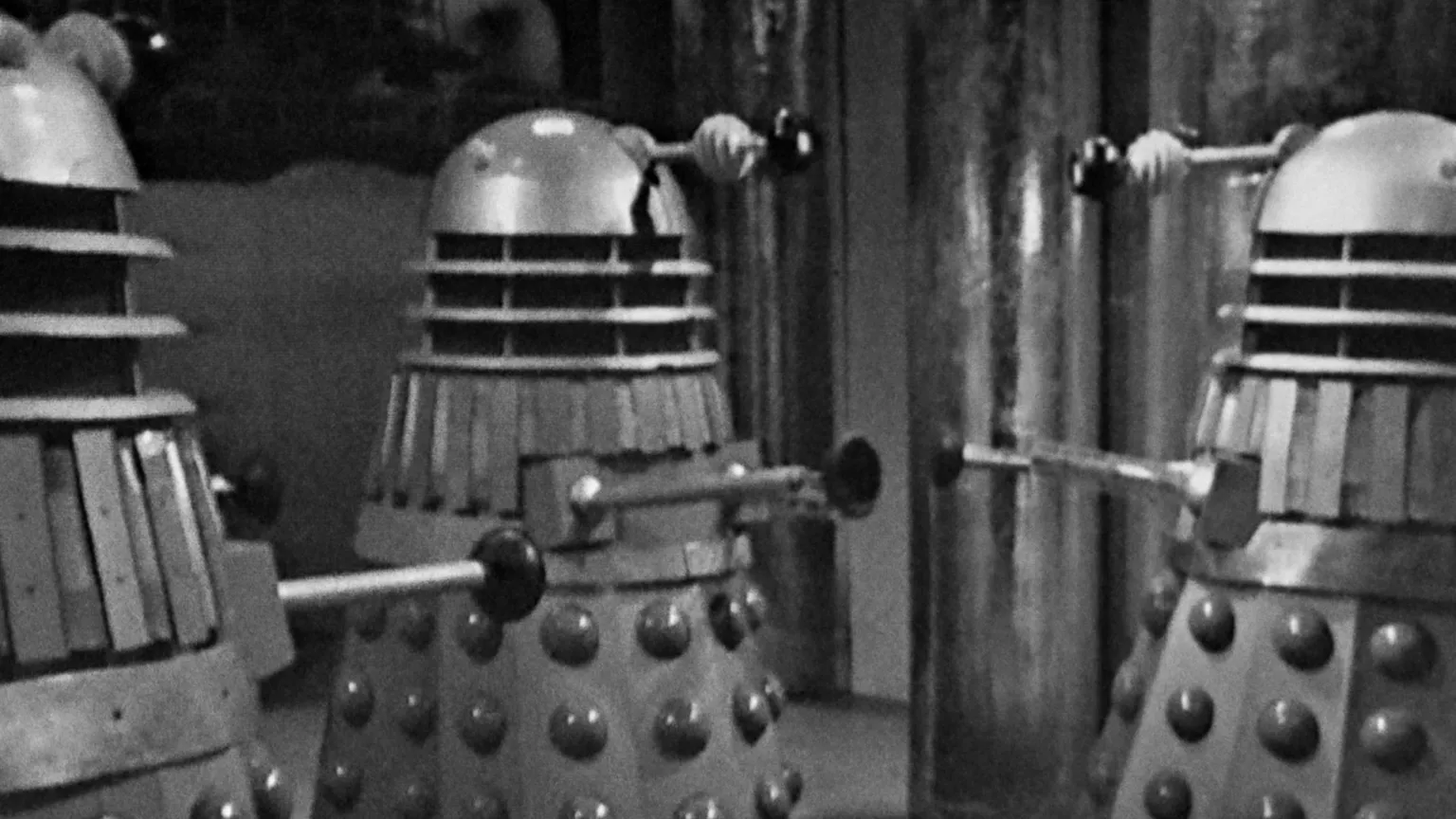
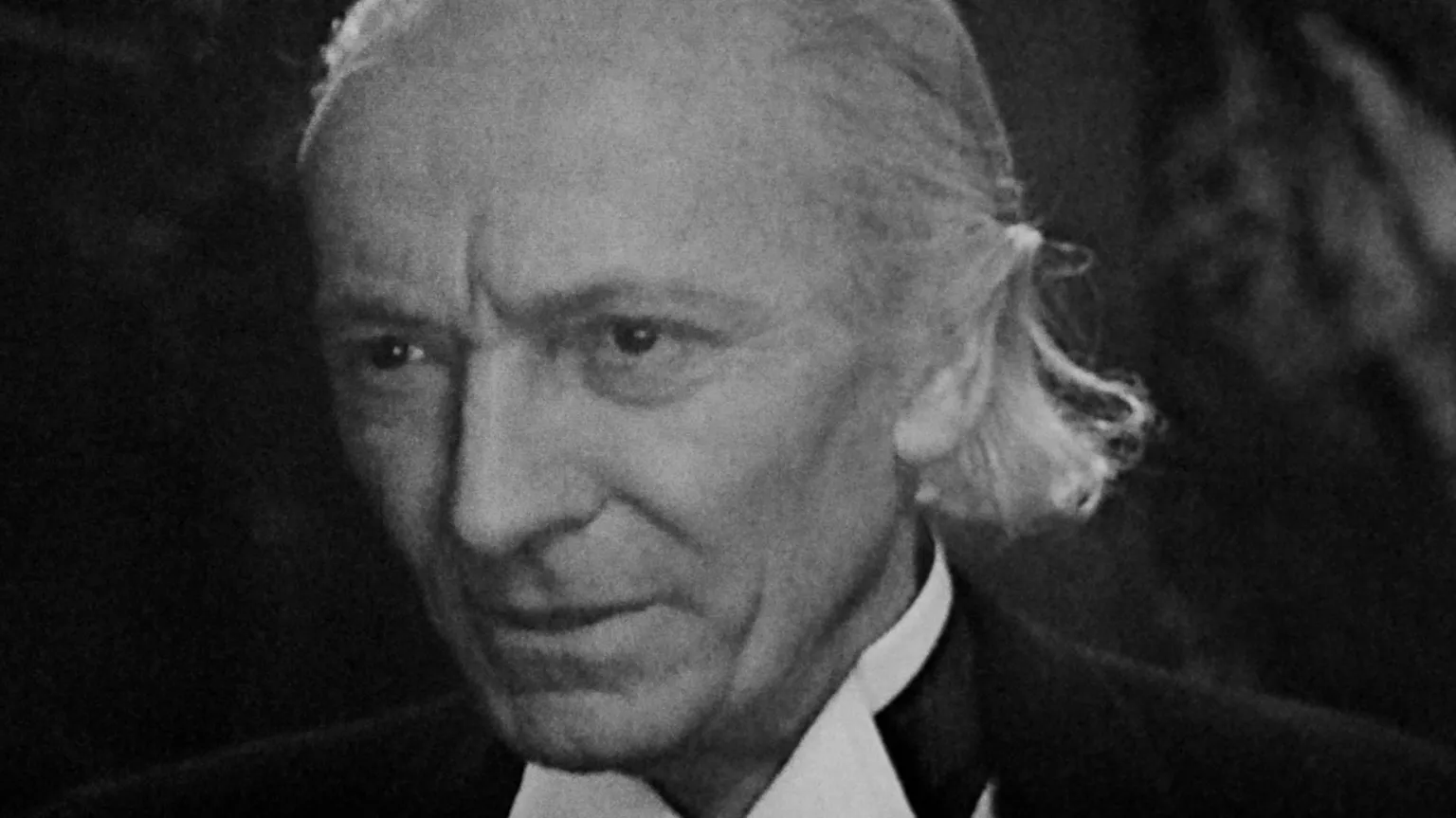
The episodes feature the first incarnation of the Doctor, portrayed by William Hartnell, confronting a Dalek scheme to dominate Earth, the solar system, and the galaxy in a storyline that was exclusively broadcast in the UK.
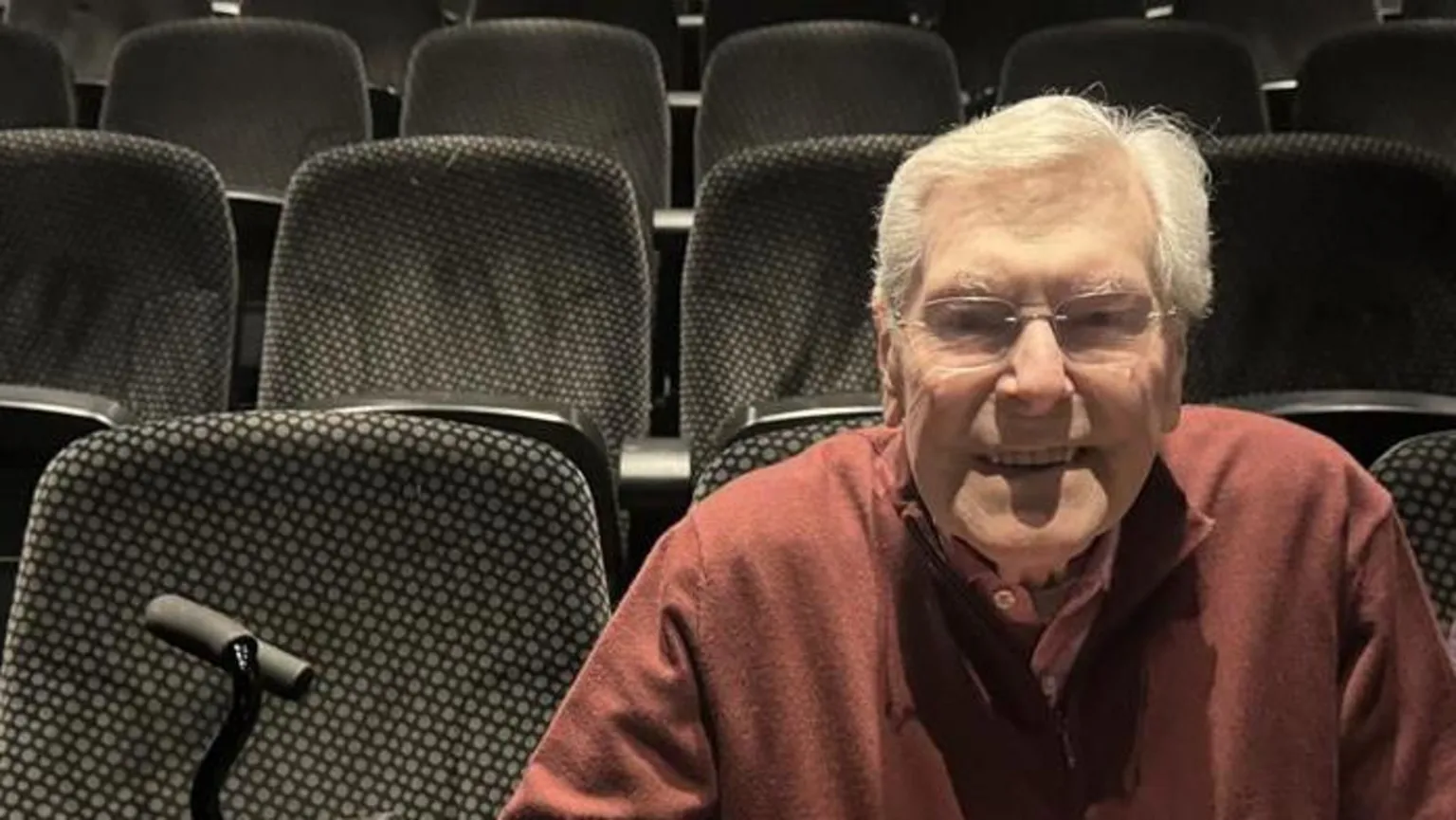
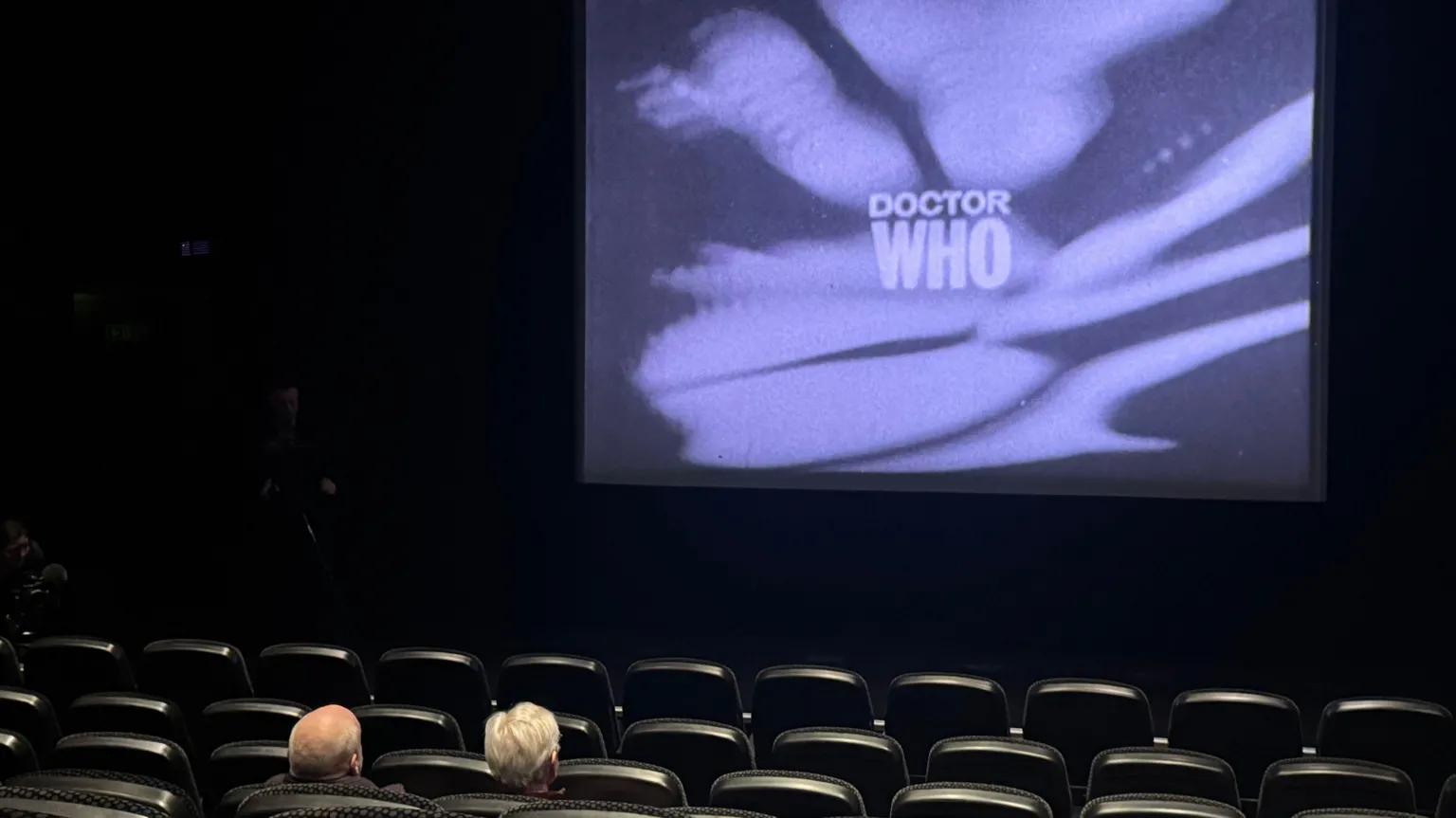
Peter Purves, who played the Doctor's assistant Steven Taylor, was invited to the Phoenix Cinema in Leicester on Wednesday under false pretences to view the recovered episodes. He remarked:
"My flabber has never been so gasted."
Restored versions of these episodes are scheduled for release on BBC this Easter.
Details of the Episodes
The first episode, titled The Nightmare Begins, was part of Doctor Who's third season and originally aired in November 1965.
The second recovered episode, Devil's Planet, was broadcast two weeks later.
The episode between these two, Day of Armageddon, was found in 2004 by a former BBC engineer, completing the first three installments of The Daleks' Master Plan arc for fans.
Written by Terry Nation, the creator of the Daleks, the serial starred Hartnell and Purves alongside early appearances by Nicholas Courtney as Bret Vyon, Adrienne Hill as Katarina, and Kevin Stoney as Mavic Chen.
Courtney would later become known for his recurring role as The Brigadier.
However, the "dark and gritty" 12-part storyline was ordered to be wiped, and more than half of it remains missing.
How the Episodes Were Found
These episodes represent the first lost Doctor Who episodes to be announced since 2013, thanks to the efforts of Leicester charitable trust Film is Fabulous! (FIF), which ended the longest gap between discoveries of lost episodes.
Many previously lost episodes had been found in overseas TV station archives, including the last recovered episodes from a Nigerian TV station.
However, The Daleks' Master Plan was not sold internationally. Censors in Australia and New Zealand deemed it too violent, and without their approval, selling to other markets was unprofitable.
Combined with the transition to colour television, the black-and-white story was considered to have little future value and was discarded.

Nevertheless, technicians made copies of some episodes to check for issues before pitching them to other markets. These copies eventually entered an amateur collection.
Professor Justin Smith, a cinema and television history professor at Leicester's De Montfort University and chair of trustees at FIF, expressed gratitude to the anonymous late collector whose films—mainly focused on trains and canals, including hundreds of home videos—were donated to FIF after his death.
"We travel all over the country to recover film collections from private hands. A lot of the films had suffered water damage and the cans had corroded. These are gems in what was an eclectic and ramshackle collection, a lot of which hadn't been looked after as well as the Doctor Who had. The collector did recognise what he had, but how he acquired them has been lost to time."

Reaction from Peter Purves
The discovery deeply moved actor Peter Purves, 87, who traveled to Leicester under the pretense of attending interviews about 1960s television.
Upon learning the true reason for his visit, he said:
"I'm speechless, knocked out."
After viewing the two episodes, he added:
"My flabber has never been so gasted, although I've never forgiven the BBC for losing those episodes, it would be really nice to get a few royalties."
Purves reflected on his memory of the episodes:
"I'm not sure I even saw those programmes go out originally - I remember the stories, but having seen them, the pictures are unfamiliar to me. I didn't remember the first one when I was still almost comatose following the injury I received fighting in Troy in the wonderful Mythmakers - which of course is missing."
He recalled the early days of TV sci-fi production:
"It was just a job. It sounds silly but we did an episode of the programme each week, in the year I did 46 episodes. It was great fun and was great to be doing a series that was hugely popular. But it was a difficult time, I won't pretend it was easy, the cast kept changing and it seemed a bit of a time of flux. In the two episodes we've seen there was a great performance by Nick Courtney playing Bret Vyon. I was concerned very much that he was there as a replacement for me. As it happens, he got killed in episode four or five."
Purves anticipates that the rediscovery of these lost episodes will renew interest in the show's early seasons:
"It was the fourth appearance of the Daleks and it'll be exciting to fans for a lot of reasons. The fans of Doctor Who are legion, and they seriously love the classic times. I'm astonished these two wonderful episodes have finally turned up - so many of my episodes are missing - it's heartbreaking to me. I'm absolutely thrilled and maybe I'll [get] quite a few invites to conventions and various things."
Perspectives from Doctor Who Historian Toby Hadoke
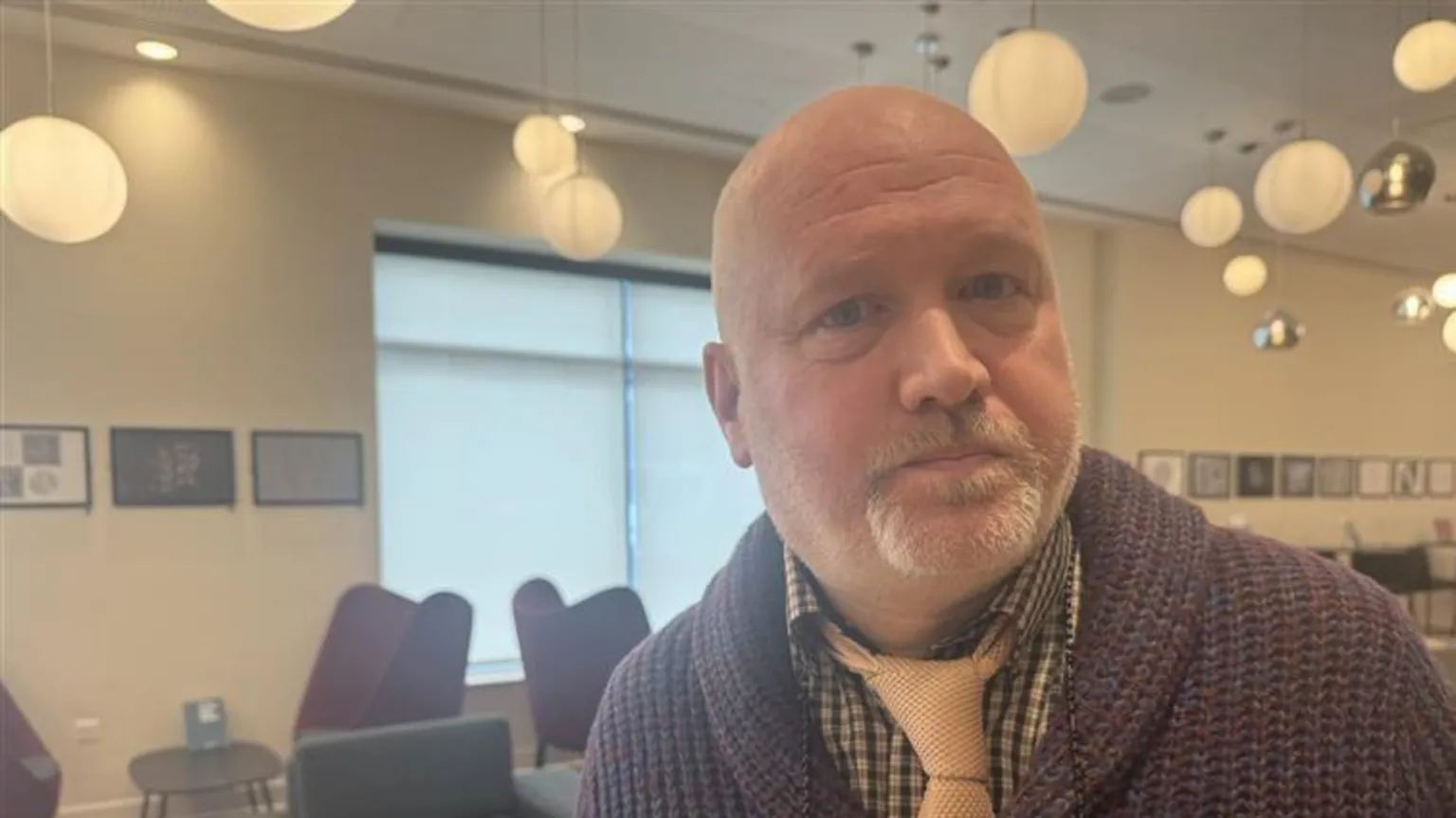
Doctor Who historian Toby Hadoke, who invited Purves to Leicester for the event, expressed confidence that fans will be "thrilled" by the survival of these episodes.
"It was really touching, and what a privilege. We never thought we'd see these episodes again. It was a real factory process, no time for post-production or anything like that, never repeated, never sold abroad. People will be thrilled. The thing about Doctor Who is it's a connection to your childhood. I'm a grown man and I've been wishing I could see The Nightmare Begins since I saw the name on a list of missing episodes of Doctor Who 30 years ago. Forget Glastonbury, I think if you put on a screening of these tomorrow it would sell out in seconds. They really are the holy grail."
Upcoming Screening and Episode Synopses
A special screening of the two episodes, organised by FIF with Purves as guest of honour, will be held in London on 4 April.
Details of the event are yet to be announced, but it will coincide with the full release of the restored episodes on BBC .
In episode one, the TARDIS lands on the planet Kembel seeking aid for the Doctor's injured companion, only to discover the Daleks are conspiring with Mavic Chen, of the Solar System, to conquer Earth.
By episode three, the Doctor has stolen a crucial component needed for the Daleks' conquest, but after departing Kembel, they are forced to land on the penal planet Desperus while being pursued by the Daleks.
BBC Archives' Restoration Efforts
Noreen Adams, director of BBC Archives, expressed enthusiasm about the episodes' release on BBC :
"BBC Archives has been working to restore the original recordings and update these to broadcast quality, ensuring fans can enjoy a little extra treat with their Easter Eggs this April."
Additional Information
Listeners can tune into BBC Radio Leicester on Sounds and follow BBC Leicester on Facebook, X, or Instagram. Story ideas can be submitted via email to eastmidsnews@bbc.co.uk or through WhatsApp at 0808 100 2210.


