Introduction to the Series and Personal Context
Kyla Harris, co-creator and lead actress of the BBC comedy-drama series We Might Regret This, has been in a relationship for eight years. However, she and her partner have chosen not to live together due to concerns over potential loss of means-tested funding.
No-one should have to decide whether to choose love or to pay their bills,
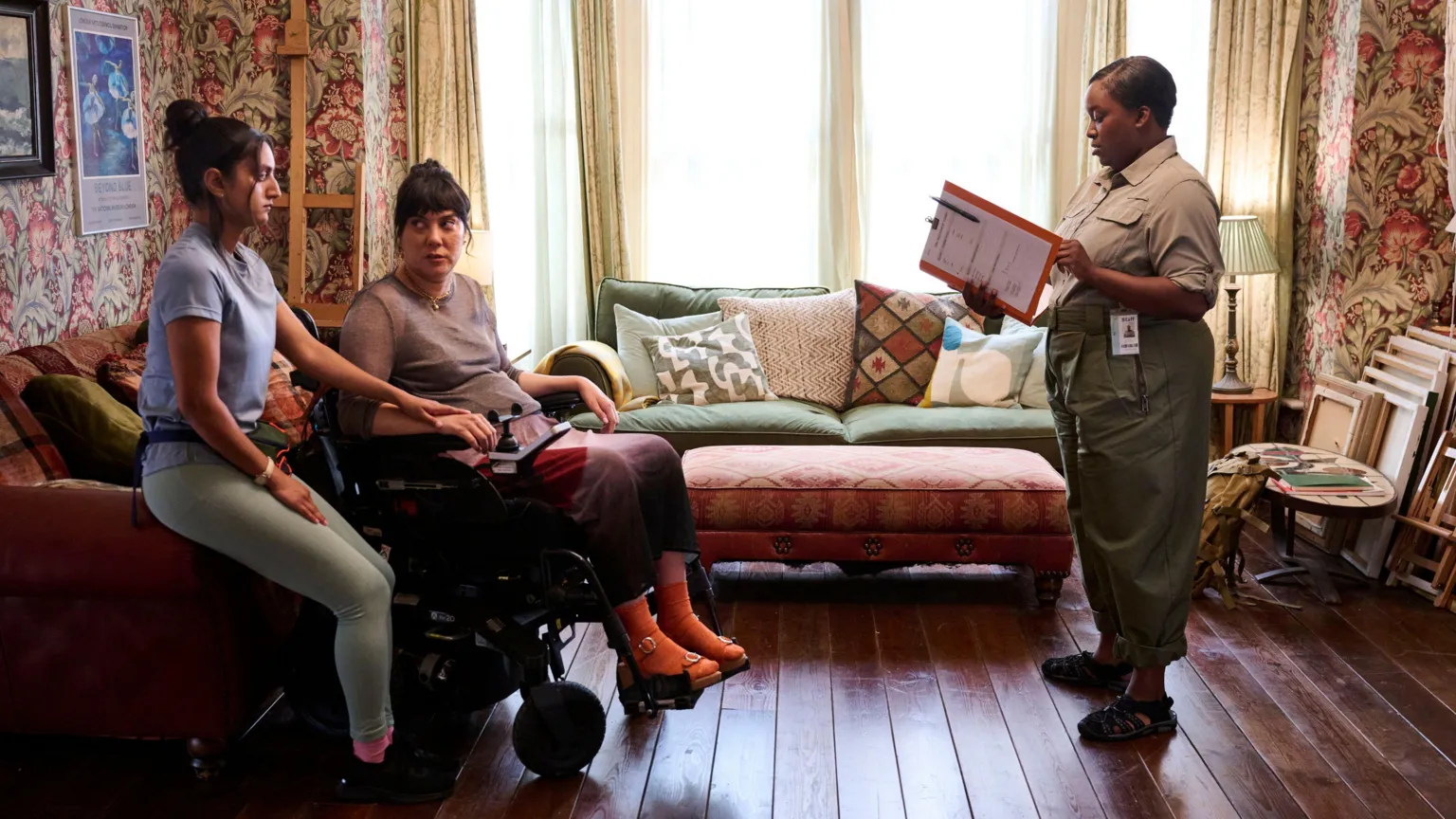
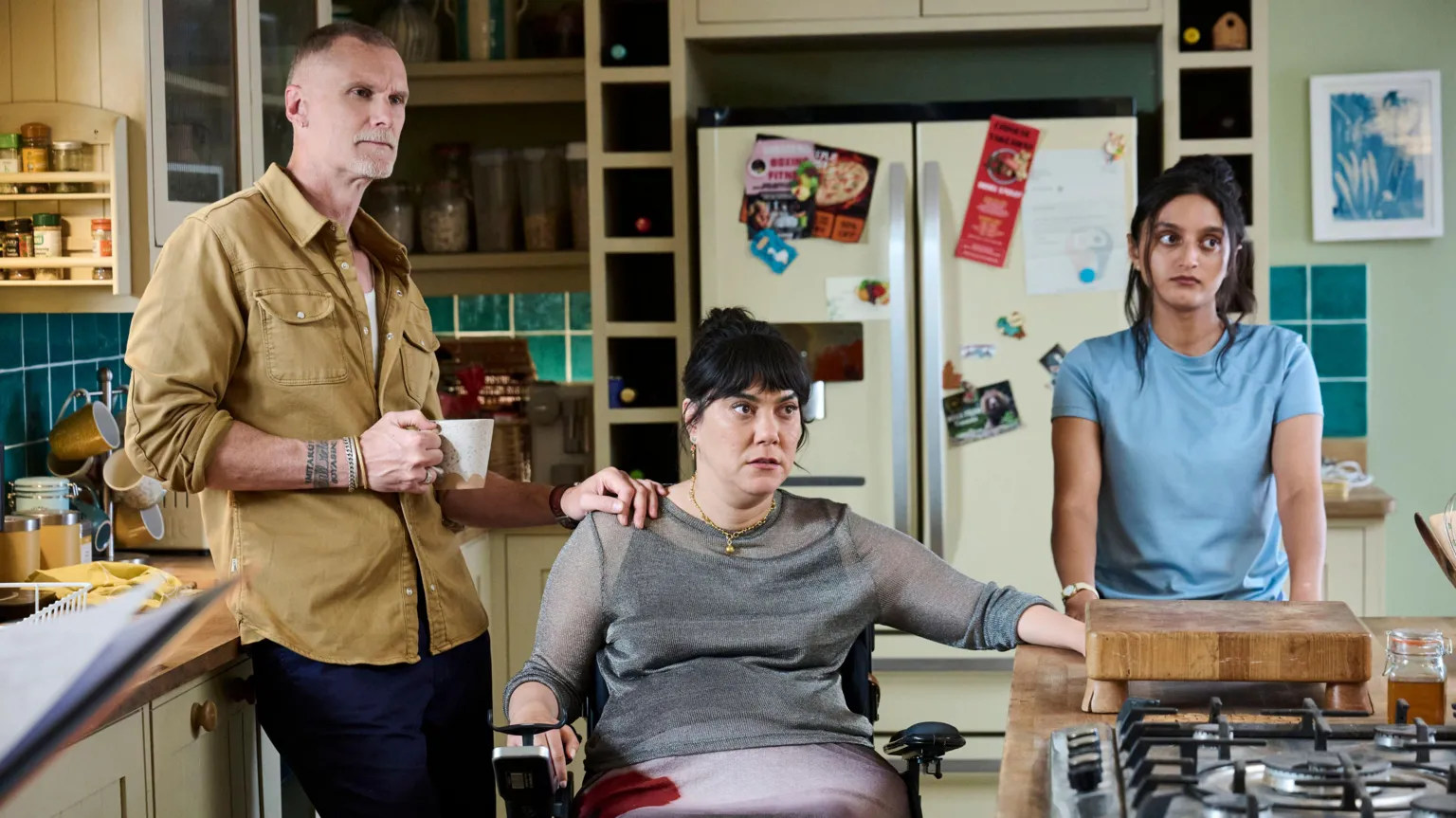
Harris draws on this personal experience in the series, which she co-created with Lee Getty. The show follows Freya, an artist with tetraplegia—a condition involving partial or complete loss of sensory and motor function in all four limbs—her boyfriend Abe, and her best friend Jo.
Exploring the Impact of Means-Tested Benefits
has described the series as "trailblazing," and Harris aims for the show to address issues rarely depicted on screen.
Individuals receiving means-tested benefits, such as universal credit, may face reductions in these benefits when moving in with a partner. This is because the couple is then treated as a single household, with combined incomes, savings, and circumstances taken into account.
Similarly, means-tested social care funding provided by local authorities can be affected by cohabitation, though the specific rules vary by region.
The reduction in benefits can disproportionately impact disabled people due to their additional daily living costs.
According to a report by the charity Scope for the year 2024-2025, disabled households require on average an extra £1,095 per month to maintain the same standard of living as non-disabled households. This standard of living includes the ability to afford goods and services, perform household tasks, and manage finances.
Government Response and Benefit Details
The Department for Work and Pensions (DWP) highlighted the availability of several non-means-tested benefits for disabled individuals, including the Personal Independence Payment (PIP), which supports "millions" annually, as well as Attendance Allowance.
Eligibility for means-tested benefits doesn't always become immediately restricted following a change of circumstances, but we encourage all claimants to report changes,
a DWP spokesperson stated.
Social and Emotional Implications
Harris believes that the rules governing funding create dilemmas for many disabled people regarding marriage and cohabitation.
These are not talked about much because a lot of people also don't think that disabled people could be in relationships… or are entitled to sex and intimacy and love,
she explained.

She further noted that the issue is
just not common knowledge and I think it needs to beand expressed hope that the series will initiate conversations on the topic.
A spokesperson for Disability Rights UK described the situation where people feel unable to live with their loved ones due to potential impacts on their benefits as
nothing short of cruel.
Despite the serious nature of these challenges, Harris emphasizes the importance of incorporating
light and levityinto the portrayal of disabled people's experiences.
There have been so many awful situations that I've been in that you can't help but laugh,
she added.
Critique of Exploitation and Representation
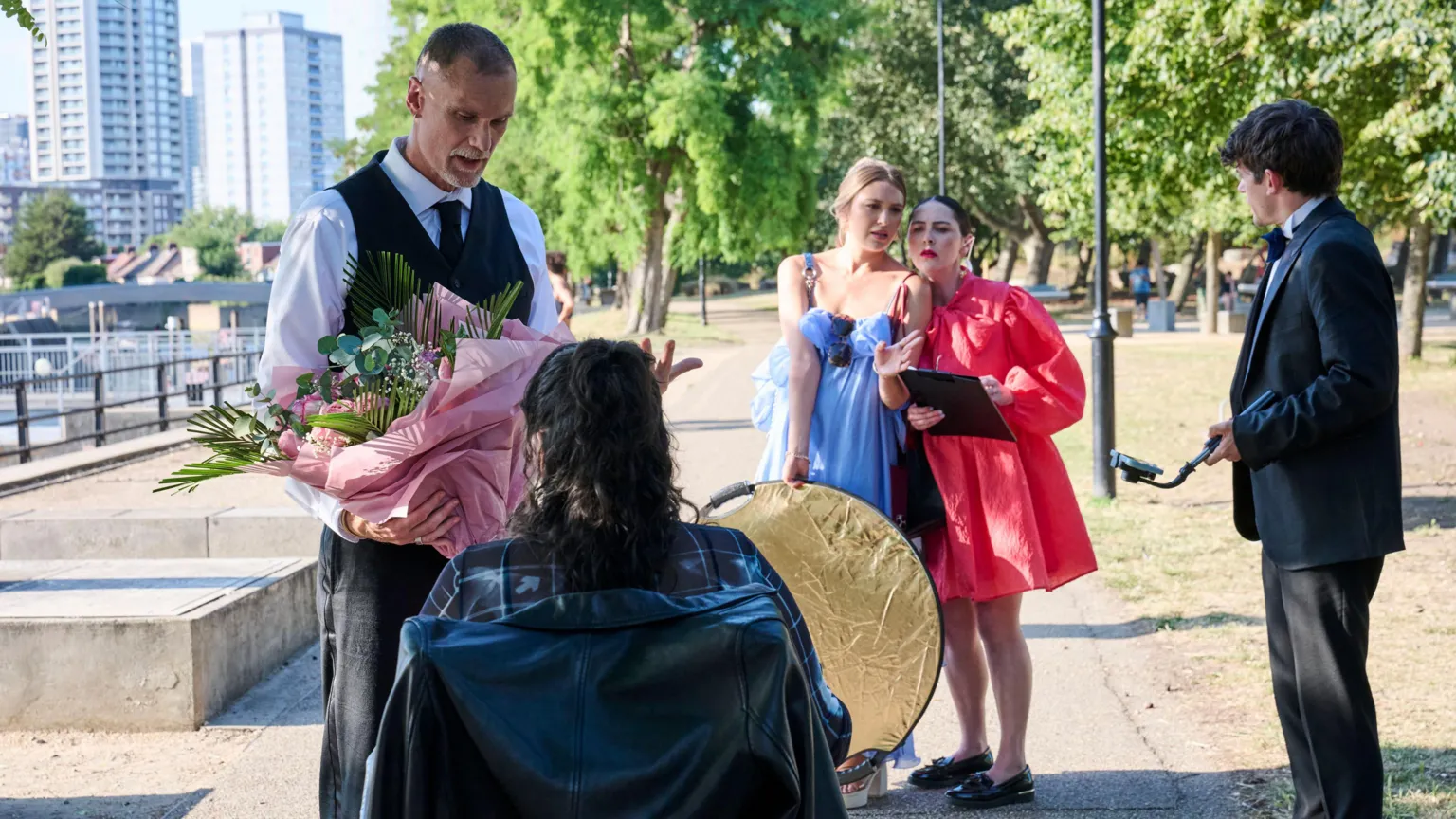
The series also examines the theme of others profiting from disabled identity. For instance, Freya's wedding planning is manipulated into a problematic and awkward social media campaign by her agents, the Olivias, portrayed by Emma Sidi and Hanako Footman.
The agents trivialize important concepts by abbreviating phrases like "inclusive representation" to "inclush-representash" and encourage Freya to use the hashtag "wheely in love" to increase viral appeal.
Harris found it
hilariousto witness the Olivias' obliviousness to the inappropriateness of their approach but acknowledged that
people make mistakes and that's okay.
Personal Reflections and Aspirations
Ultimately, Harris hopes the series will educate viewers. She shared:
I see disability as my biggest teacher and being disabled has taught me that irrespective of what people think and what I encounter, I am worthy of getting married. I am worthy of loving. I am worthy to be loved,
and she wishes for others to feel the same about themselves.
Support resources are available through the BBC Action Line.
The series We Might Regret This will air on BBC Two on Wednesday, 18 March at 22:00 GMT and is currently available on .