Introduction
Two decades after chefs transformed the culinary landscape at Noma, Copenhagen’s food scene continues to champion seasonality and innovation, embracing progressive, sustainable, and distinctly Danish principles.
I did not realize I was a selective eater until I left Denmark. After living there for 12 years, with frequent visits to the capital, I simply enjoyed most foods. Danes focus on high-quality, organic produce consumed as close to its natural state as possible. Denmark’s unique and varied climatic conditions make seasonal eating a precise science. Beyond the typical root vegetables in autumn and strawberries in summer, the Nordic diet observes micro seasons, changing week by week. Cabbage, kale, apples, potatoes, berries, and rye are specialties. These ingredients are available only briefly but are exceptional when in season. The seasonal Nordic diet has been scientifically proven to be as healthy as other well-regarded diets. It is no surprise that Copenhageners often appear confident about their food culture.
Historical Context of Copenhagen’s Food Scene
However, Copenhagen’s culinary offerings were not always celebrated. Many individuals who grew up in the 1970s and 1980s recall diets dominated by canned foods and frozen vegetables, with pork and potatoes, smørrebrød (open sandwiches), or fast food comprising much of the available fare. The city is known for its ubiquitous pølservogn, or “hot dog wagon,” serving bright red sausages encased in a bread roll.
The city’s gastronomic transformation began in earnest when Copenhagen was designated the European Capital of Culture in 1996. Subsequently, chefs René Redzepi and Claus Meyer opened a restaurant in 2003 in a former warehouse in Christianshavn, naming it Noma—a blend of the Danish words nordisk (Nordic) and mad (food). Noma rejected the then-prevailing Mediterranean bias in fine dining, instead focusing on local Danish ingredients. The following year, these chefs convened with peers to establish principles aimed at advancing Nordic cuisine. Similar to how the Dogme 95 movement sought to return to basics in film, this culinary movement emphasized raw materials, local, often foraged, and seasonal produce.
The New Nordic Food Manifesto
After an 18-hour workshop, the chefs formulated the New Nordic Food Manifesto. Its goals were to express “purity, freshness, simplicity and ethics” by prioritizing “ingredients and produce whose characteristics are particularly excellent in our climates,” and to support “Nordic products and producers.” This initiative successfully encouraged chefs to elevate their standards and influenced culinary professionals worldwide. Copenhagen began accumulating Michelin stars, but the intense pressure in kitchens became apparent. As early as 2015, Redzepi acknowledged having a leadership style that involved “yelling and pushing people.” In March 2023, he resigned from Noma amid allegations of physical and verbal abuse.
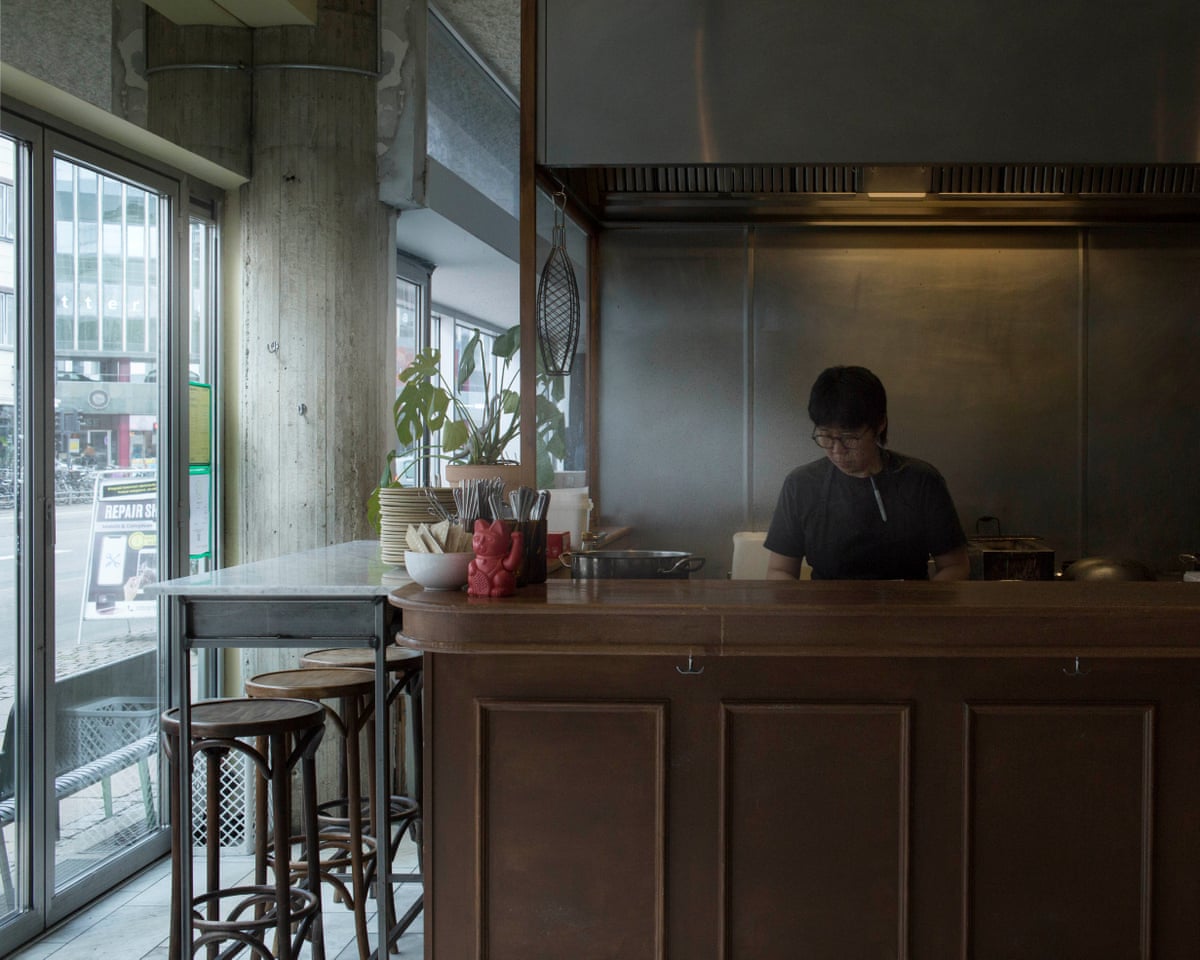
Redzepi’s departure was notable because it contrasted sharply with Noma’s image as a progressive, sustainably focused Danish restaurant. While Noma undoubtedly popularized concepts of seasonality, foraging, and ingredient-driven storytelling in fine dining—sometimes resembling a Ted Talk more than a meal—innovation must be balanced with accountability. There is hope that Redzepi’s experience will serve as a cautionary example for other chefs regarding kitchen management. Many Noma alumni now lead numerous restaurants in Copenhagen, including Propaganda, run by former Noma chef Youra Kim; Selma, led by former restaurant manager Anders Selmer; and the widely recognized Relæ, headed by former sous chef Christian Puglisi.
Contemporary Dining in Copenhagen
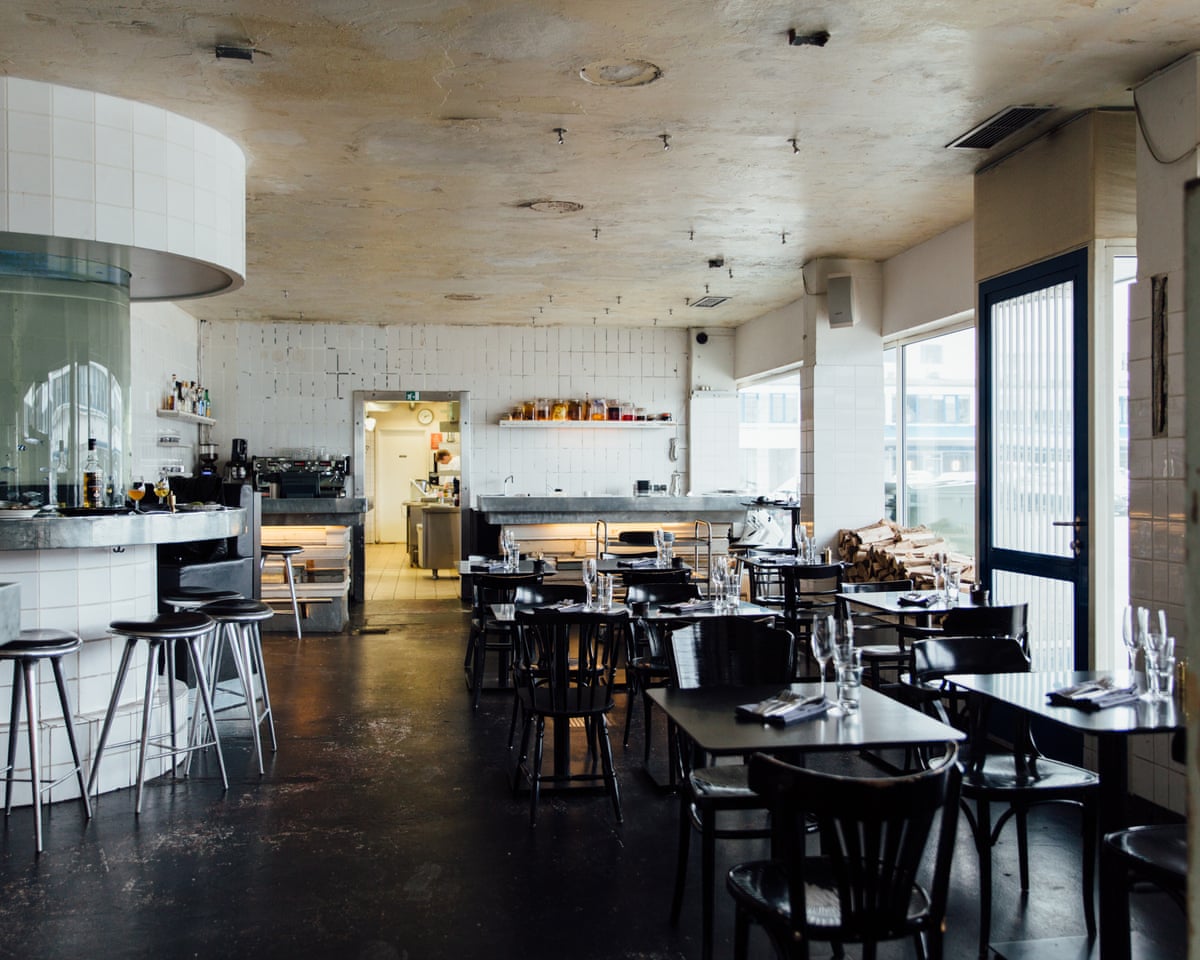
Today, Copenhagen’s dining culture continues to emphasize quality and meticulous attention to detail—from ingredients to cutlery, crockery, and even candlesticks. Service standards have improved, with patrons more likely to receive a smile. Restaurants book weeks in advance, so planning ahead is advisable. Dining out is not inexpensive, but the city’s thriving bakeries offer affordable options. There is a particular pleasure in biting into dense, buttered rye bread topped with seasonal ingredients while enjoying the sun reflecting off the city’s waterways. A recommended bakery for this experience is Mirabelle.
City Atmosphere and Lifestyle
Copenhagen is more relaxed than many other capitals and has a human scale, characterized by four- to six-storey buildings. Bicycles outnumber cars in the city. With hyper-local menus, climate-conscious cooking, and a dedication to detail, Copenhagen remains, in the words of Danny Kaye, “wonderful.”
Helen Russell is the author of The Year of Living Danishly and Leap Year, both published by Wildfire in July.
Travelling to Copenhagen – What to Do When You’re Not Eating
Where to Stay
Located steps from the food market Torvehallerne, Hotel SP34 offers a local atmosphere with amenities such as morning saunas and a social running club for guests. Double rooms start at £202 per night with a two-night minimum stay. In Nordhavn, the newly opened Hotel Herman K has 28 rooms and is conveniently situated for morning swims. Double rooms start at £170. For budget travelers, the Steel House Copenhagen, near the foodie-oriented Meatpacking District in Vesterbro, offers compact double rooms from £138.

Things to Do
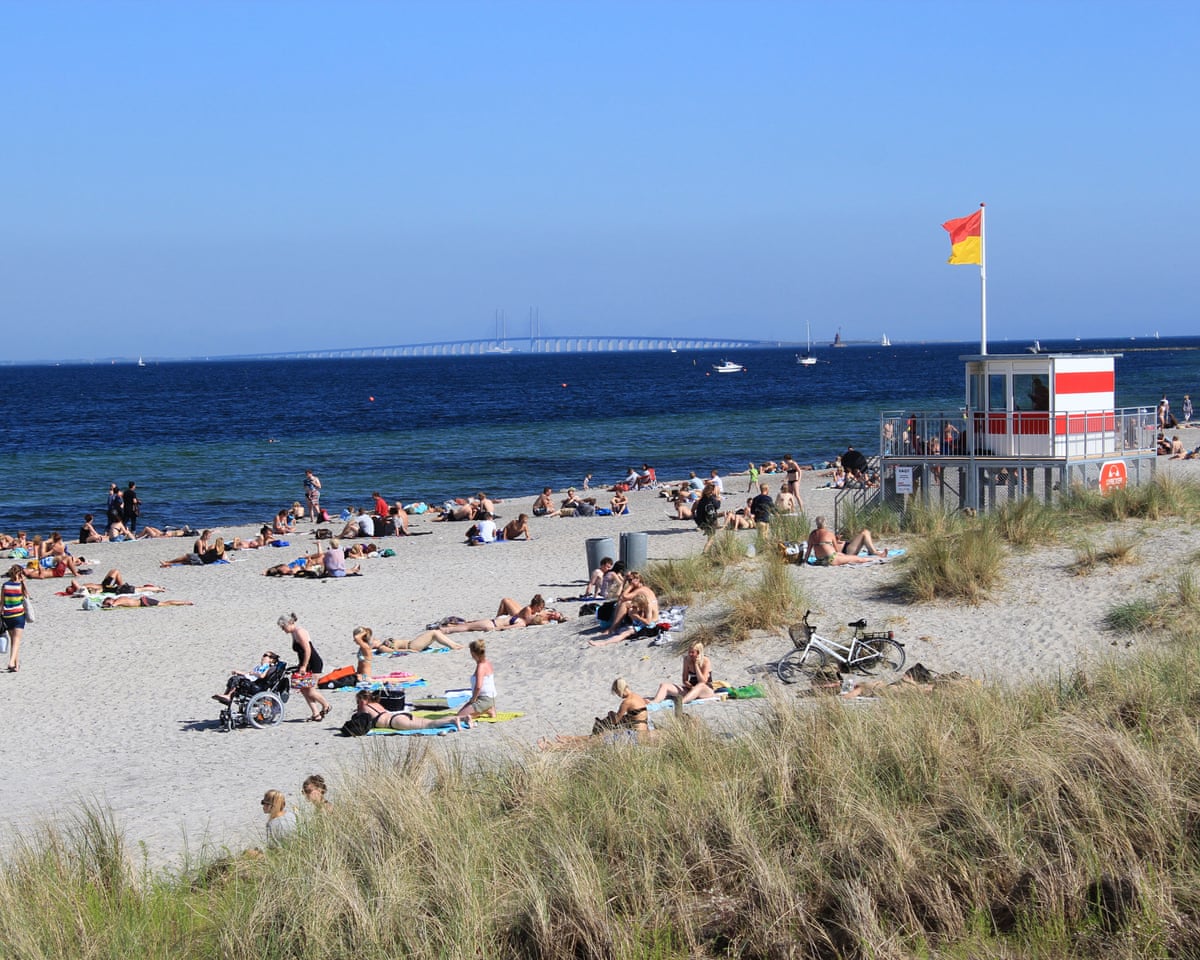
Instead of crowded tourist boat trips, consider biking or walking around the city’s harbor, passing some of Denmark’s finest architecture and numerous swimming spots.
Swimming is a local passion, with the city’s floating pools freely accessible to all. Islands Brygge has the largest and most centrally located pool.
The city’s Climate Friendly initiative rewards visitors who engage in environmentally conscious activities. Arriving by bike or metro, participating in gardening, or bringing a reusable water bottle can earn rewards such as drinks, free tours, or coffee.
For those interested in foraging, the Amager area offers opportunities to explore the edible Danish landscape. The app Wild Food Copenhagen provides guides for foraging adventures.
Shopping Highlights
Copenhagen boasts a vibrant vintage shopping scene. Episode in Nørrebro is an excellent starting point. On Sundays, flea markets appear spontaneously across the city, selling items ranging from vintage furniture to clothing.
Stop by Irma in Frederiksberg for supermarket tourism. This independent grocer rivals Waitrose and stocks specialty chocolates produced by Michelin-starred restaurant Geranium.
No visit to Copenhagen is complete without a biscuit tin souvenir. The best selection is at Summerbird, where buttery cookies are sold in stylish containers that can be repurposed, for example, as sewing kits.
Places to See
The amusement park Tivoli, established in 1843, offers a classic family day out with attractions, thrill rides, arcades, and peacocks parading through its lush gardens. The park’s restaurants are surprisingly excellent, including Kadeau, which features some of Denmark’s most acclaimed chefs.
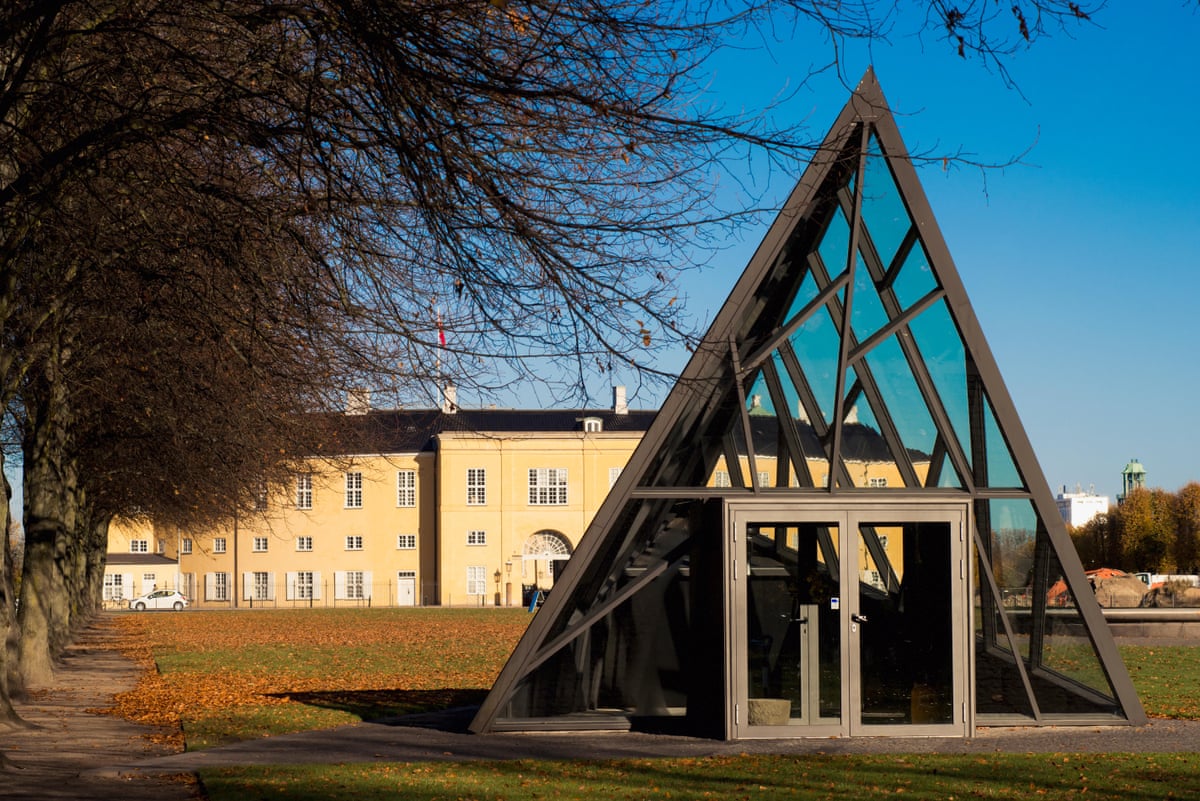
Copenhagen’s art scene is particularly vibrant this year. At Cisternerne in Frederiksberg Park, scrapwood artist Thomas Dambo’s first major exhibition, Garbage Man, displays his large and charming trolls. Meanwhile, at the Louisiana Museum of Modern Art, Marina Abramović’s Seven Deaths presents a haunting experience.
The S-train line offers a pleasant journey after exploring the city’s historic streets and canals. Visitors can travel to Helsingør or continue to Kronborg Castle, the setting for Shakespeare’s Hamlet.