Technical Plans of Titanic to Be Publicly Accessible
The technical plans and drawings used in the construction of the Titanic will be made available to the public for the first time. These documents are part of a vast collection comprising hundreds of thousands of ship plans and related materials that are now being widely accessible.
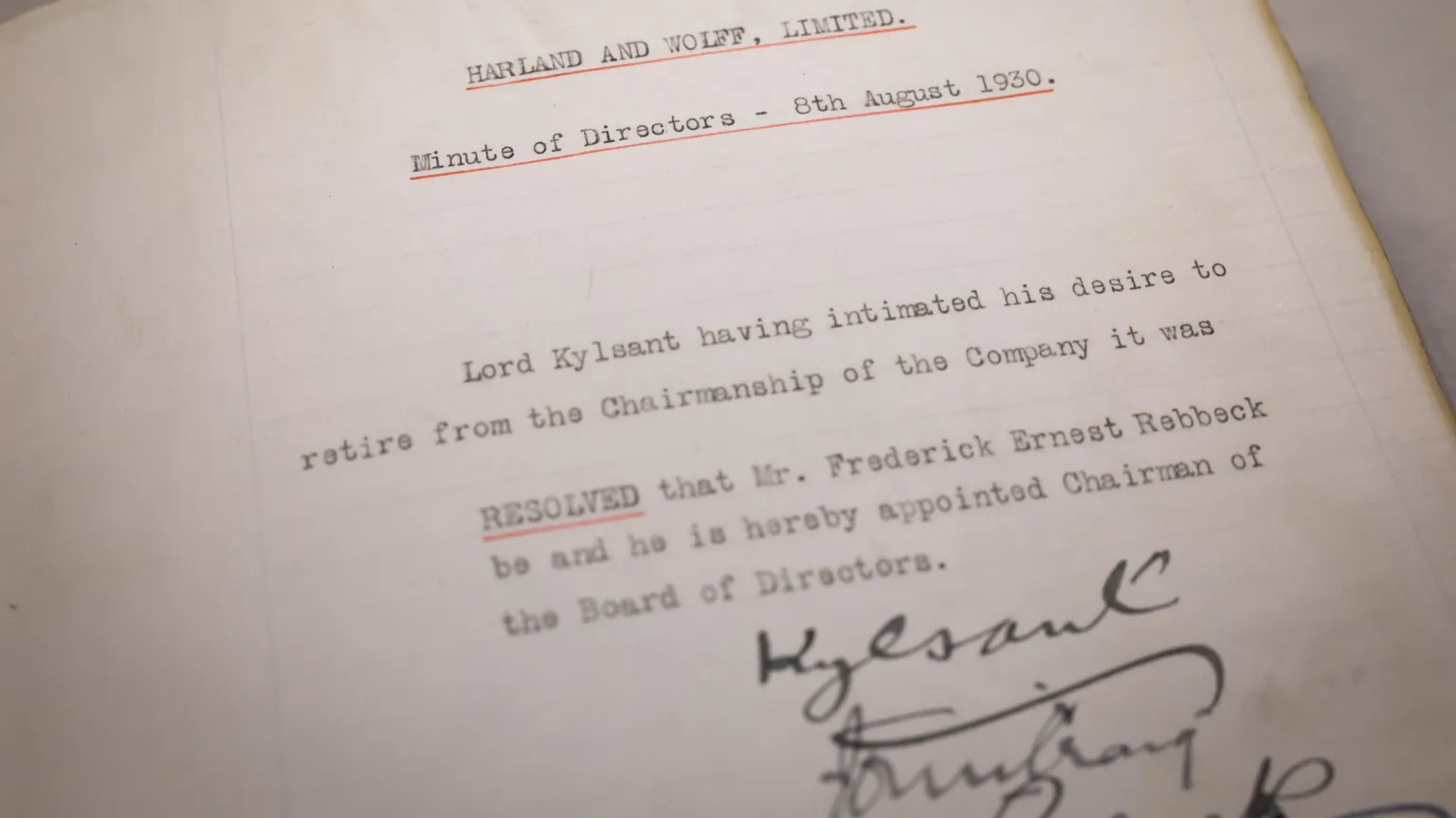
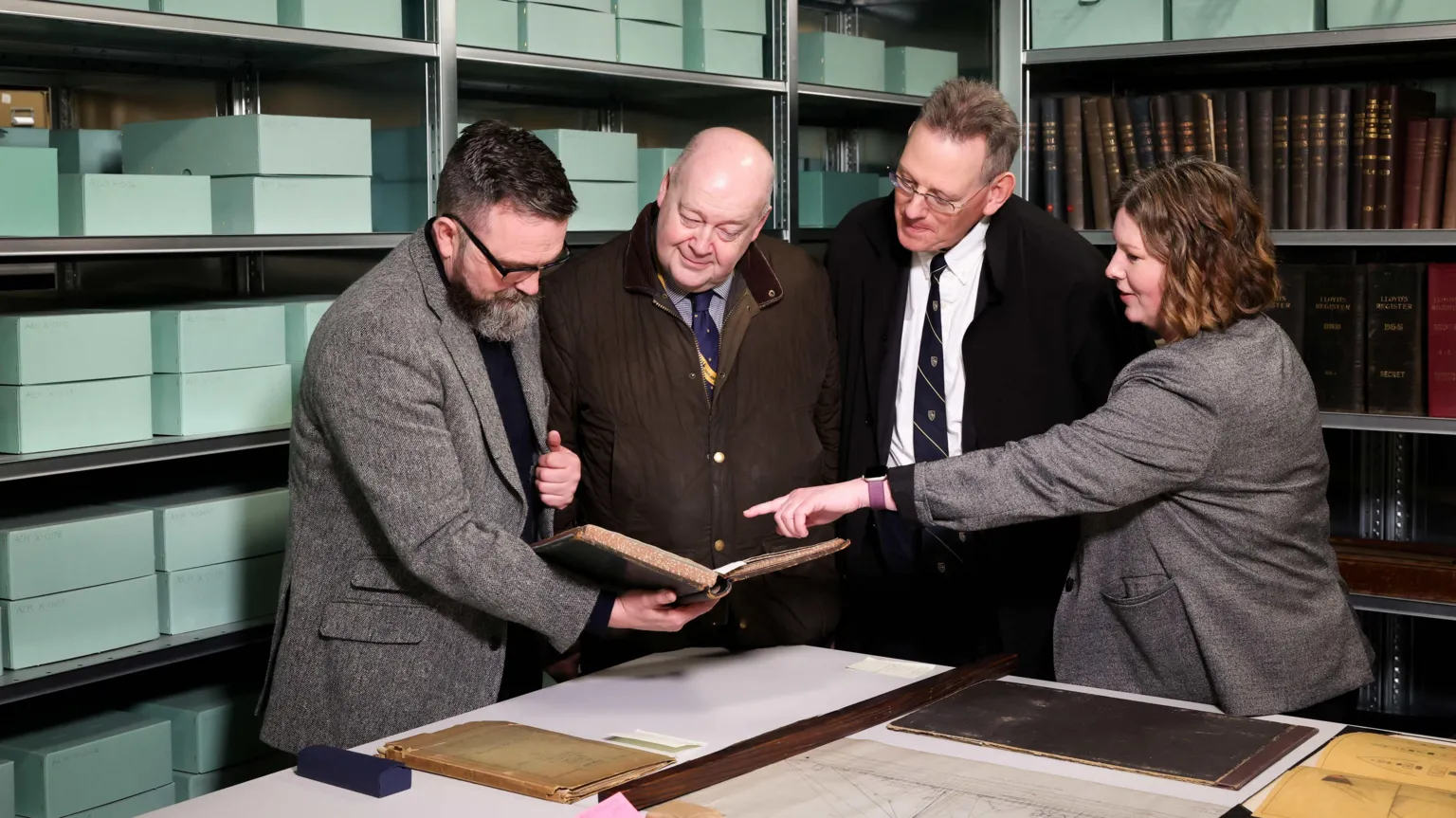
These records are included in the Harland and Wolff ship plans archive, which is preserved at the Ulster Folk Museum. The archive is being made accessible by National Museums Northern Ireland (NMNI).
When Did the Titanic Sink?
More than 1,500 people lost their lives when the Titanic, built in Belfast, sank on its maiden voyage in 1912. The ship collided with an iceberg in the North Atlantic and sank within a few hours.
The tragic event inspired an Oscar-winning film featuring Leonardo DiCaprio and Kate Winslet. The wreck of the Titanic was discovered in 1985 by a team led by Dr. Robert Ballard. It rests approximately 2.5 miles (4 km) below the ocean’s surface and about 370 miles (595 km) off the coast of Newfoundland, Canada.
Archive Contains Plans for Titanic’s Sister Ships
In addition to the Titanic’s plans, the archive also holds the designs for her sister ships, Olympic and Britannic. The HMHS Britannic also met a tragic fate, having been sunk by a German mine in 1916 while serving as a hospital ship during World War One. Conversely, the RMS Olympic served as a trans-Atlantic liner for the White Star Line for over 20 years before being scrapped in 1937.

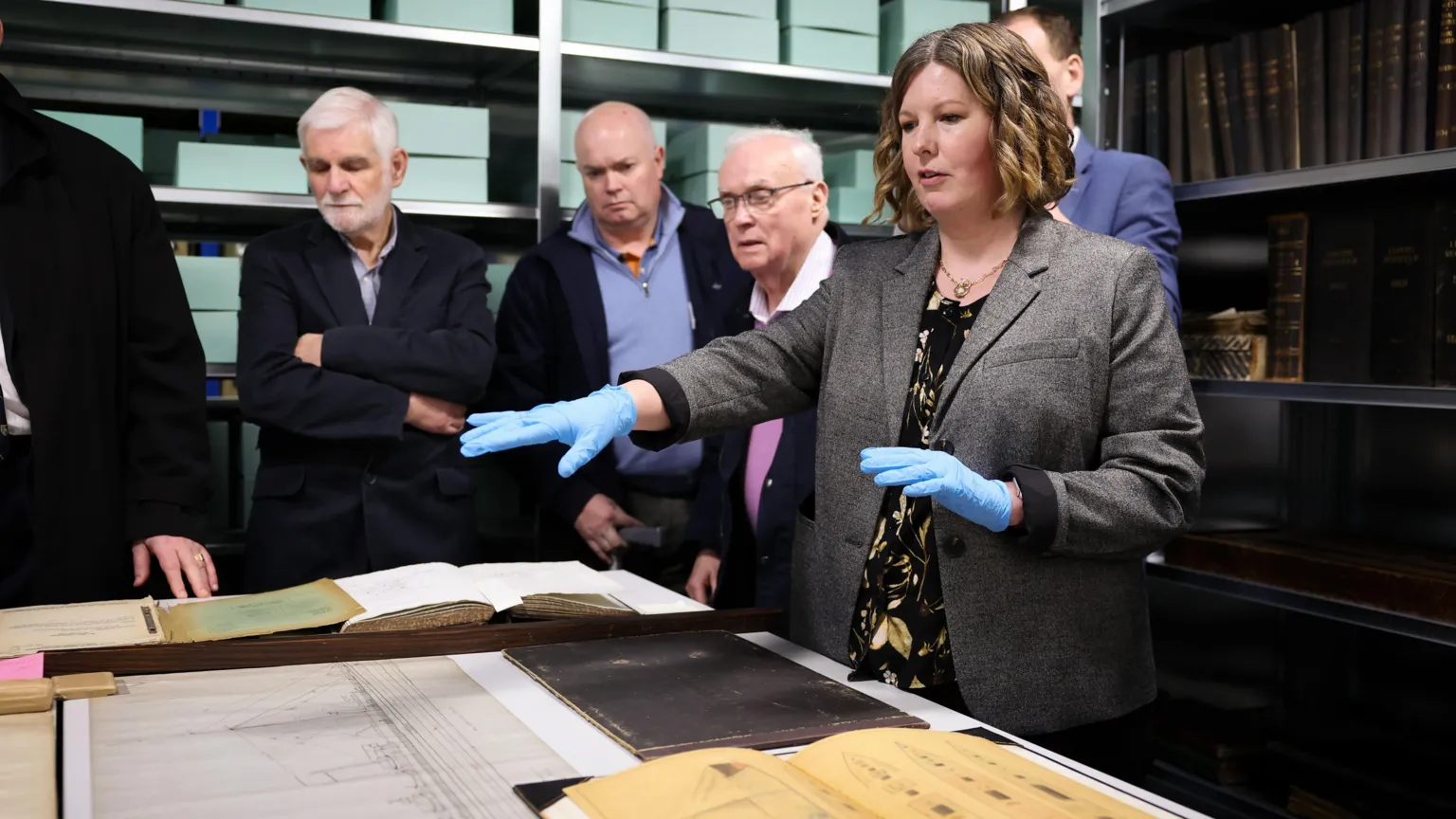
Harland and Wolff Shipyard and Archive
Harland and Wolff began operations in 1861 and was once among the world’s largest shipyards. Its archive contains hundreds of thousands of plans, drawings, and documents detailing the design and construction of ships over many decades. The archive is housed at the Cultra Collections Store at the Ulster Folk Museum.
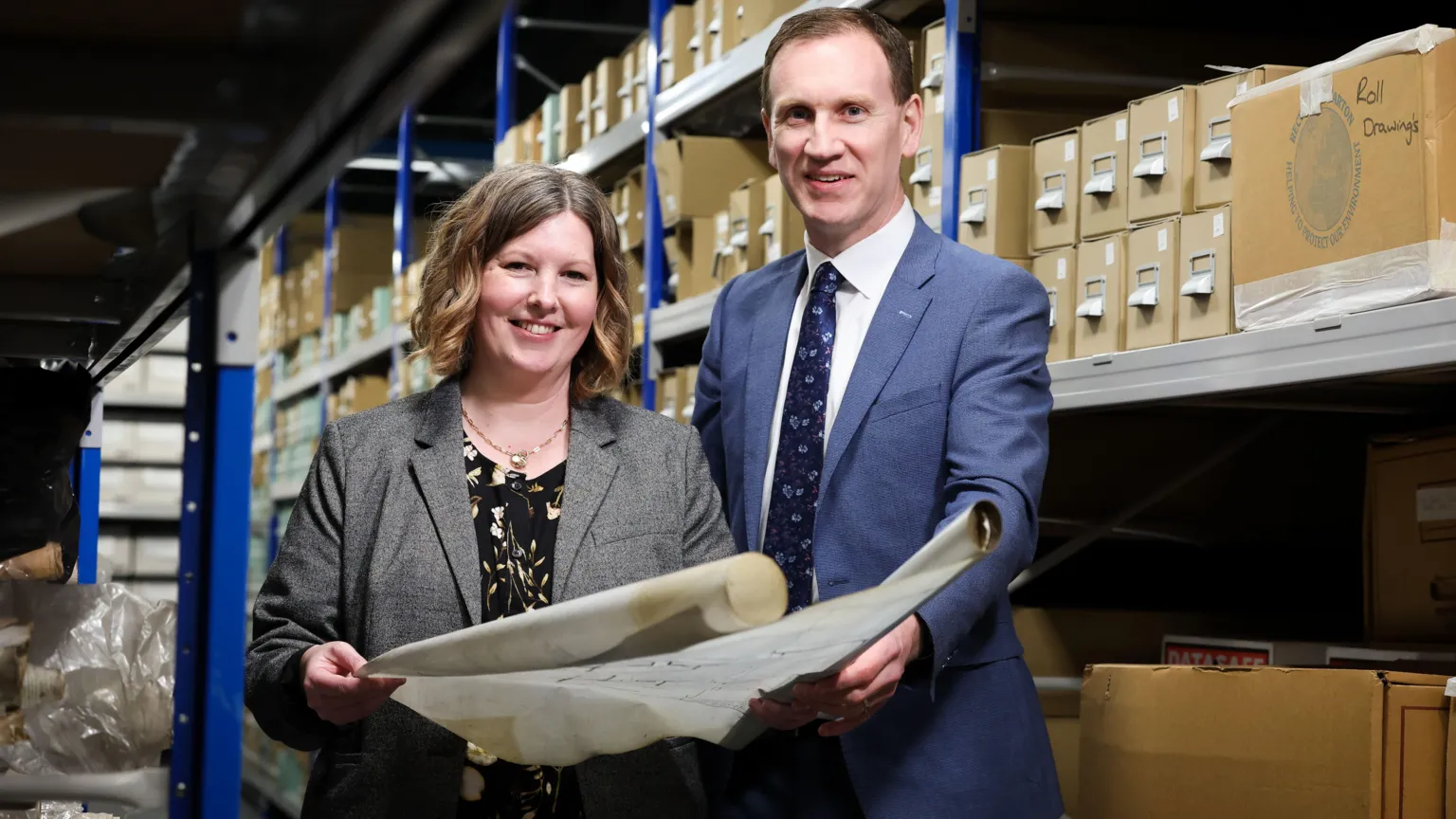
A major project titled From Drawing Board to Slipway is currently underway to catalogue the archive. This initiative is funded by the Archives Revealed grant programme.
Project archivist Siobhan McLaughlin stated the project would
"unlock the hidden histories of Belfast's heritage in shipbuilding".
William Blair, director of collections at NMNI, noted that access to the archive had previously been limited to academics and researchers. He added,
"This project, however, shows how working with partners can broaden engagement and demonstrates our enhanced commitment to making our collections available to a wider audience than ever before."
Support from Harland and Wolff’s New Owner
The project has also received support from Alex Haley, director of operations at Navantia UK Harland and Wolff, which acquired the historic shipyard in 2025.
The public will be able to access the ship plans online as well as by making appointments to visit the plans and the Harland and Wolff collection in person.