Introduction to Photography and Colombia
“I took this in 2017, when Didiller was nine. A few years ago, I returned to the area and asked about him, but couldn’t find him. Someone told me he had been killed”
I discovered my passion for photography at the age of 19 while studying Spanish and volunteering in Venezuela. Growing up in the quiet countryside of Denmark, I was eager to explore the world and became socially and politically engaged. Walking through a street in Mérida with an old camera, I realized photography was the ideal medium to advocate for my values and attempt to influence change.
During this time, I developed a fascination with Colombia, a neighboring country experiencing civil war and instability. Later, I traveled there for a project on the Amazon rainforest. In 2016, I was commissioned by the Nobel Peace Center to document the final stages of Colombia’s peace process. I also focused on the millions displaced by the conflict, but I felt it was essential to understand how Colombia’s turmoil and inequality were deeply linked to its cocaine production.
Approach to Documenting Cocaine Production
I was determined not to contribute to the existing narrative that stigmatizes Colombia. This perspective remains prevalent today, as Colombians often face jokes about their country’s association with drugs at airport security worldwide. My goal was to explore the entire cocaine supply chain: from the farmers cultivating coca plants, to the laborers harvesting leaves, to those operating processing labs, and the police, soldiers, gangsters, and cartel members involved in ongoing conflicts.
Potrero Grande: A Complex Neighborhood
The photograph was taken in Potrero Grande, a challenging neighborhood in Colombia. It is a suburb of Cali, located in the south, and serves as a critical corridor for cocaine trafficking due to its connection to major roads and the Cauca River. While spending time in a square speaking with a young woman selling small amounts of cocaine, I noticed a boy named Didiller Angulo playing nearby on a basketball court. It was late evening, and I thought he should have been home preparing for school the next day.
Life and Challenges for Youth in Potrero Grande
Many households in areas like Potrero Grande lack fathers or positive male role models. Young boys and teenagers often look up to gang leaders who dominate the streets. When I speak with these children, their primary aspiration to escape poverty is to become professional football players, which worries me. What are the chances for someone like Didiller to achieve this? If it does not happen, what path will he follow? Gangs offer an alternative dream: enough money to support their families and live the lifestyle they see on their phones.

Return to Potrero Grande and Reflection
“I took this in 2017, when Didiller was nine. A few years ago I returned to Potrero Grande and asked about him, but I couldn’t find him. Someone told me he had been killed, though I cannot confirm it.”
Despite the dangers of the neighborhood, including houses where gangs tortured and killed victims, there were aspects I appreciated. Everyday life continued, and I aimed to convey that sense in the photograph.
Perspectives on the Cocaine Business
For many people I met, involvement in the cocaine trade is a means of survival. Some spoke to me at personal risk. In contrast, in Europe—the main consumer of cocaine—it is much harder to find individuals willing to show the same courage as the farmers and gang members I photographed. While people openly discuss cocaine’s prevalence in daily life and at parties, conversations shut down when it comes to photographing the issue.
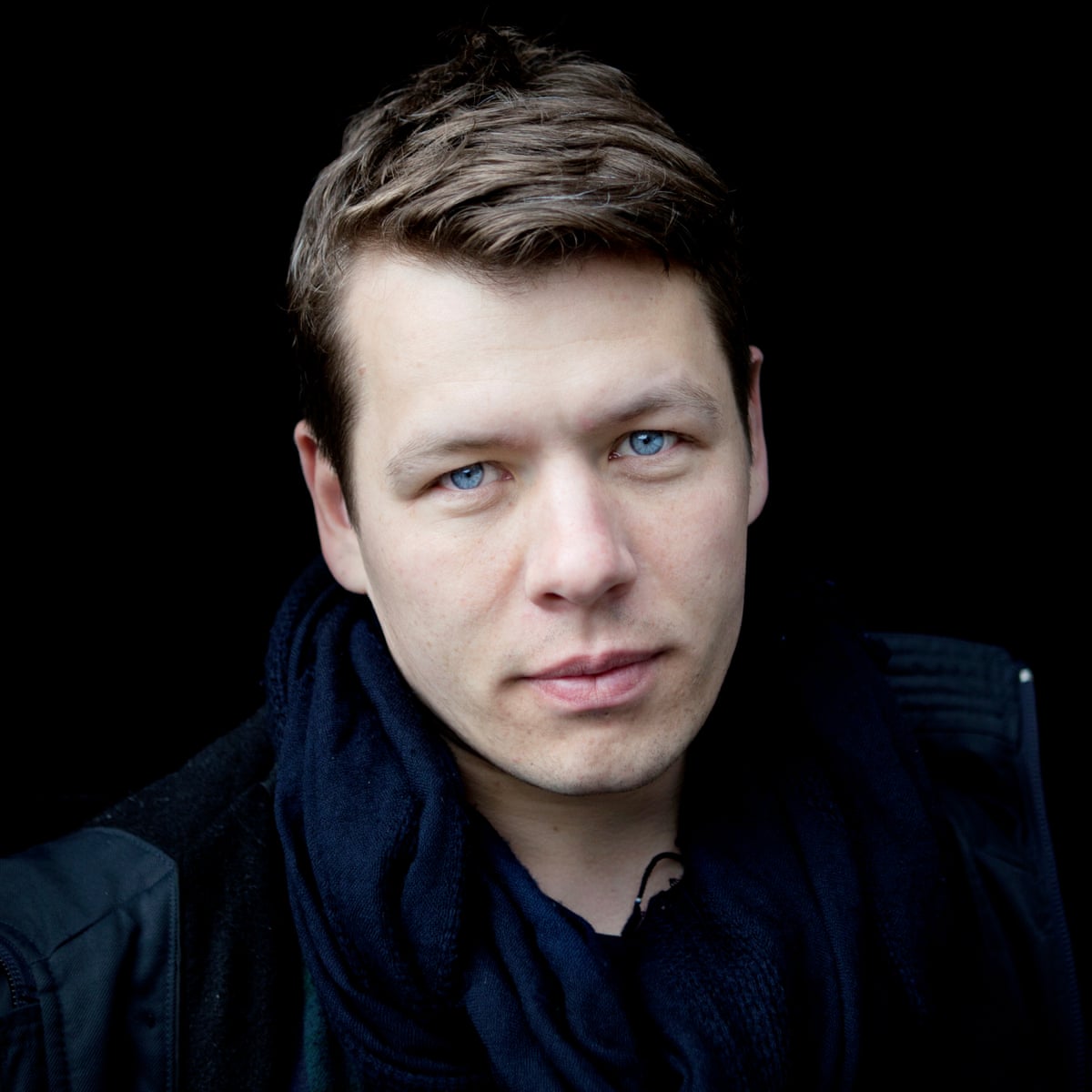
About the Photographer: Mads Nissen
Born: Denmark, 1979
Career Highlights: Winner of the main prize at World Press Photo three times and POY International’s Photographer of the Year. However, the most meaningful moments for me have been away from the spotlight—on the ground with people who trusted me with their grief, fear, love, or vulnerability. These moments remind me why I became a photographer.
Top Tip: Empathy, closeness, intimacy—these are what truly matter and represent the power of photography. The best photography is not just about seeing but about feeling—the place, the people, and the story beneath the surface. Using ourselves and our cameras to convey that experience to viewers is essential. It may seem paradoxical, but the deeper our understanding, the more honestly and unfiltered we can bring viewers into it. If our pictures are not good enough, it is likely because we are not emotionally close enough.