

From Seven Islands to a Thriving Metropolis
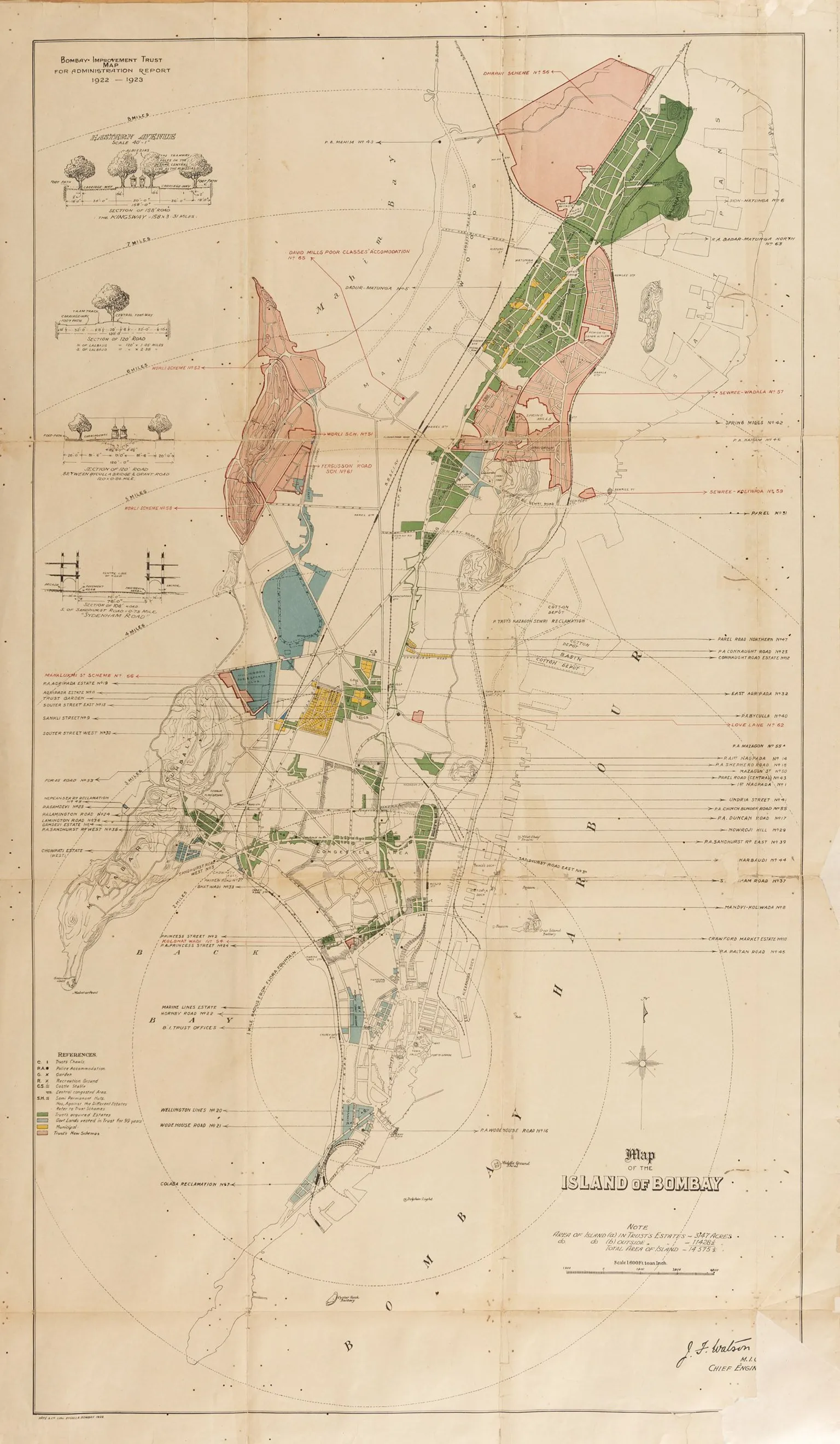
Bombay, now known as Mumbai, has transformed over centuries from a cluster of seven islands into a bustling city of 20 million. This western Indian city’s landscape and identity have been shaped by a diverse array of political, economic, and social forces.
Its evolution has involved many contributors, ranging from the indigenous Koli fisherfolk and colonial planners to Bollywood celebrities and textile magnates. The city continuously adapts, with its past giving way to new futures, blending old and new identities. From fishing nets to ports, mills to malls, Bombay has persistently reinvented itself, remaining a dynamic urban space.
Exhibition Captures Bombay’s Transformation
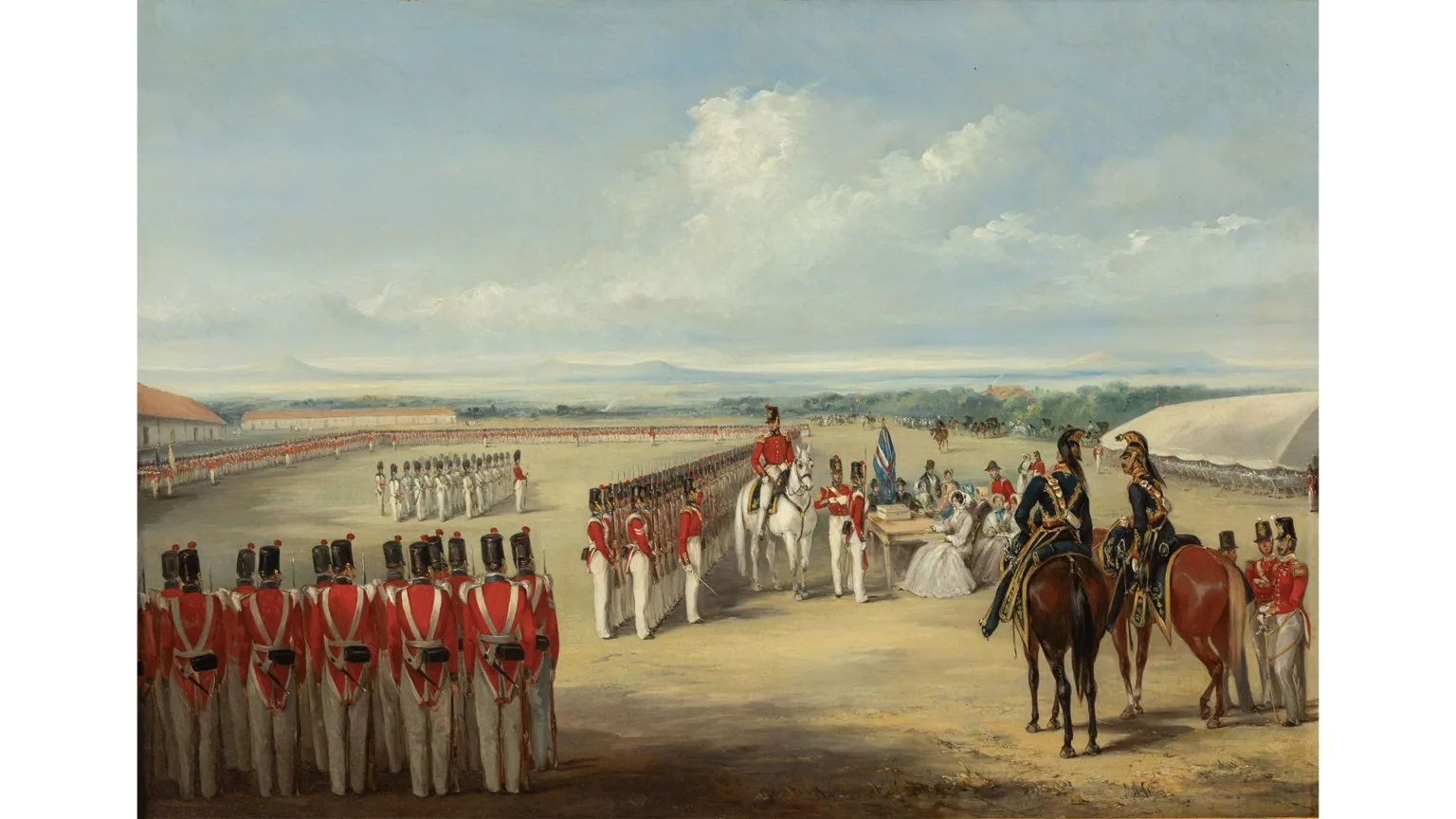
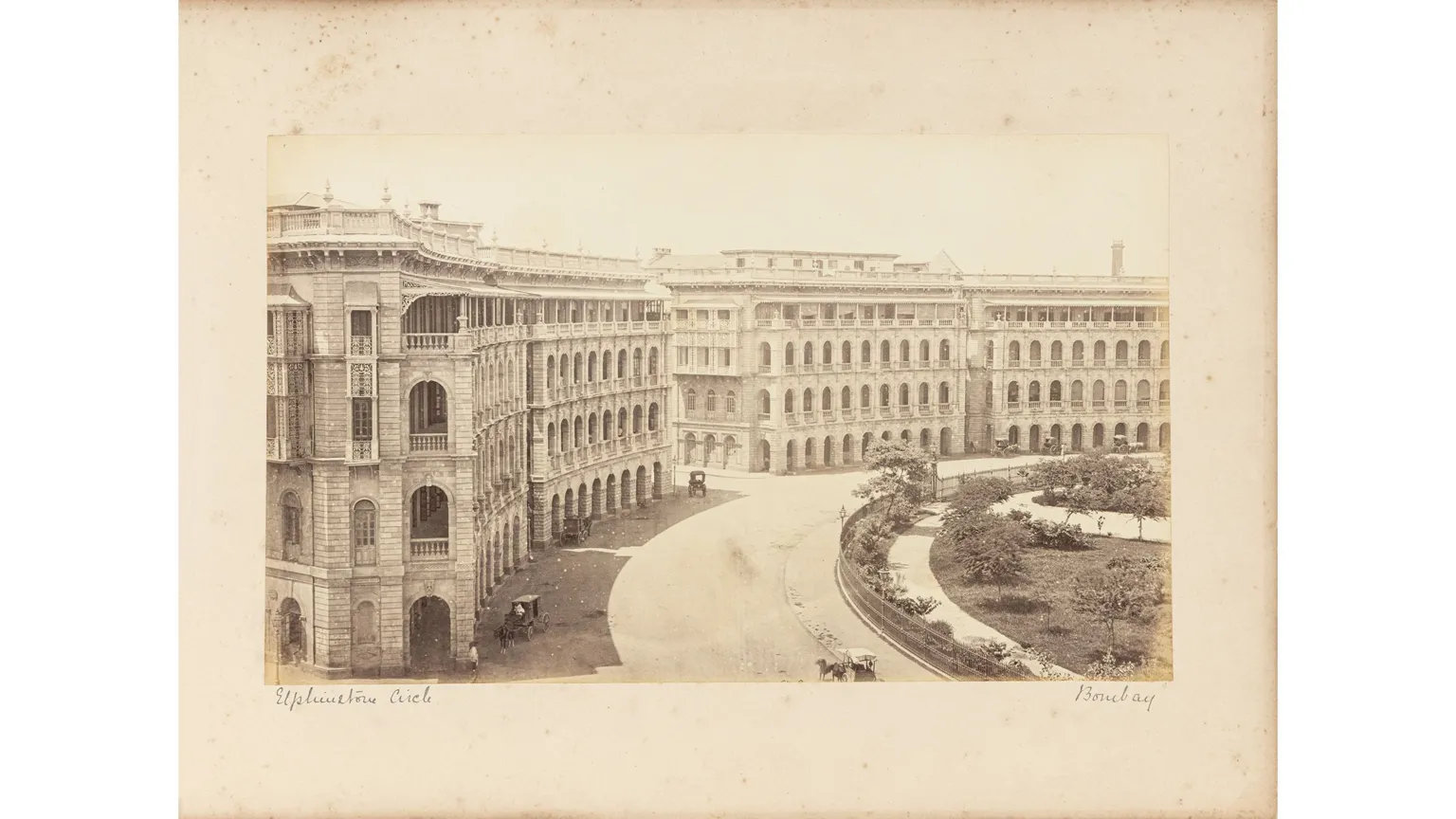
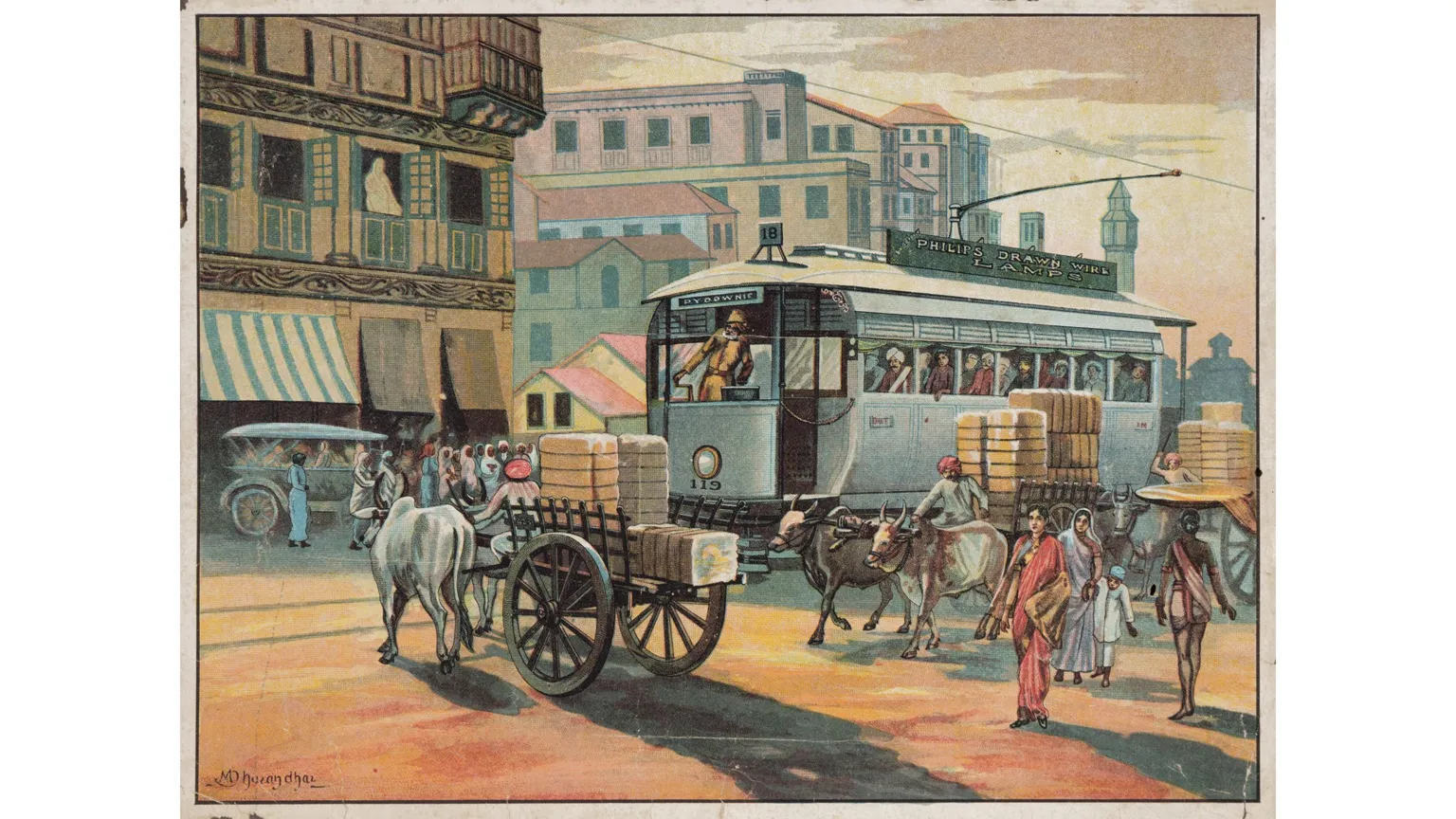
The exhibition titled Bombay Framed traces the city’s transformation through centuries, showcasing an impressive collection of paintings, photographs, and multimedia prints. Featuring over 100 images spanning three centuries, the exhibition captures Bombay’s full diversity—from the elite circles of Zoroastrian merchants and film stars to the everyday lives of working-class residents.
"Together they invite us to see the city itself as a kind of artwork: layered, complex and made up of many different experiences," said Gyan Prakash, curator of the exhibition, in an interview with the BBC.
Key Historical Milestones
According to Prakash, several pivotal moments defined Bombay’s development. In the 1830s and 1840s, land reclamations and bunds connected the seven separate islets into a single island city, laying the foundation for its future growth.
Two decades later, in the 1860s, the demolition of the fort walls allowed for the construction of imperial buildings, which established the city’s distinct colonial architectural identity.
During the 1920s and 1930s, the creation of the Marine Drive corniche introduced Art Deco buildings, marking a shift toward a modern architectural style that contrasted with the earlier Victorian Gothic character.
Since the 2000s, city planners have focused on utilitarian infrastructure projects, including new sea bridges and coastal roads, which have significantly altered Bombay’s contemporary appearance.
Contrasts and Coexistence in the Cityscape
Throughout its history, Bombay has been a city of stark contrasts and extremes. Luxurious towers stand adjacent to sprawling shanty towns, while the city’s frenetic energy contrasts with the calm ocean that surrounds it. Heritage structures coexist alongside modern developments, reflecting the city’s layered identity.
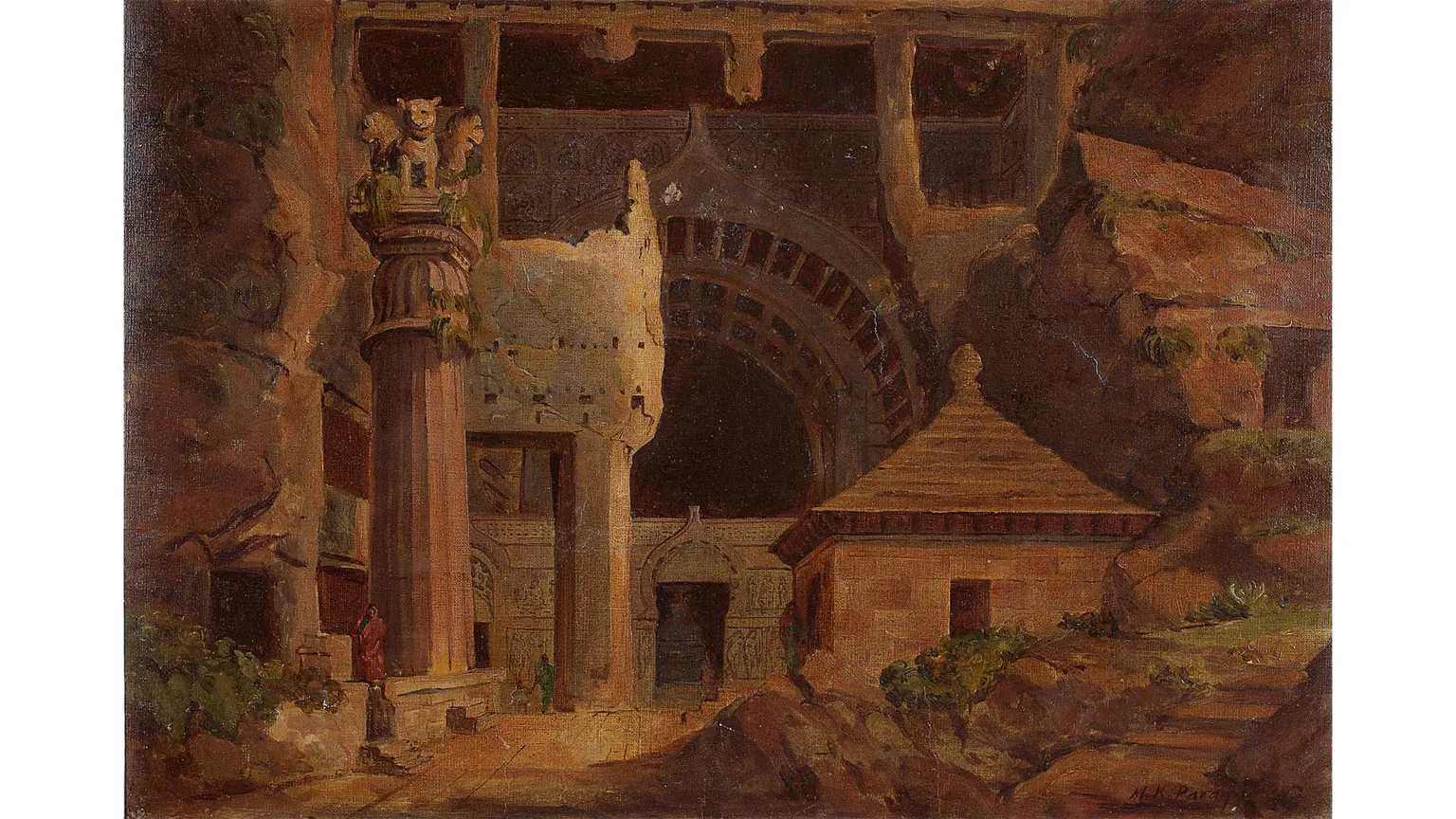
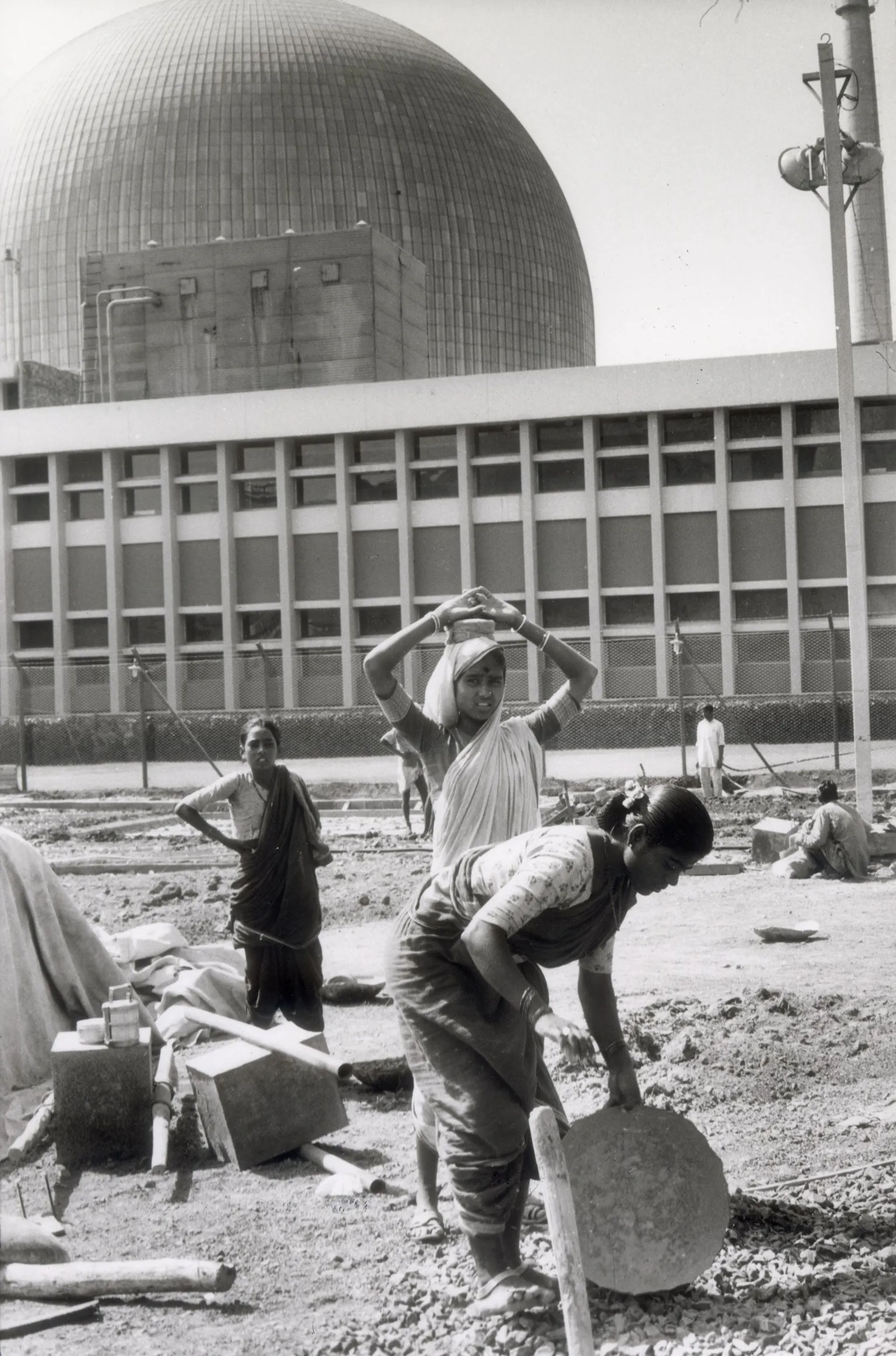
Bombay is home to ancient caves as well as modern mills and atomic research facilities, making it a city that defies a singular perspective.

The People Behind the City’s Soul
The soul of Bombay is animated not only by its buildings but also by its inhabitants. The exhibition seeks to tell the city’s story through the everyday lives of its diverse population.
"Even the early British picturesque views of the sea and boats include human figures, reminding us that the environment was always shaped by human activity," Prakash explained.
The photographs highlight the city’s many faces, from Parsi philanthropists and Maharashtrian nobility to mill workers and marginalized migrant settlers, all contributing to Bombay’s formation.
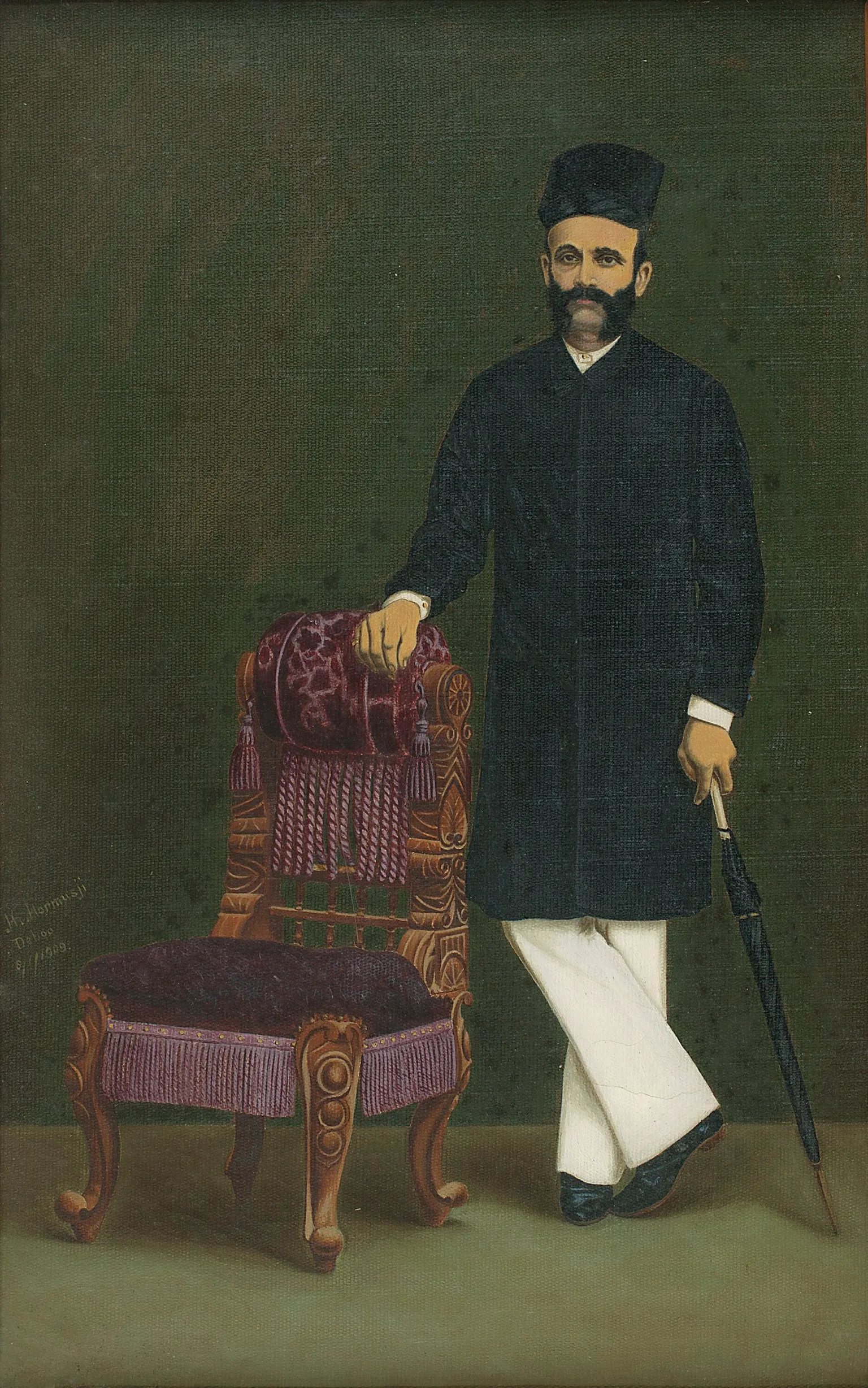
Commissioned portraits of the Parsi elite illustrate the patronage networks and social aspirations of this community, which formed the mercantile backbone of the city in the early 20th century.
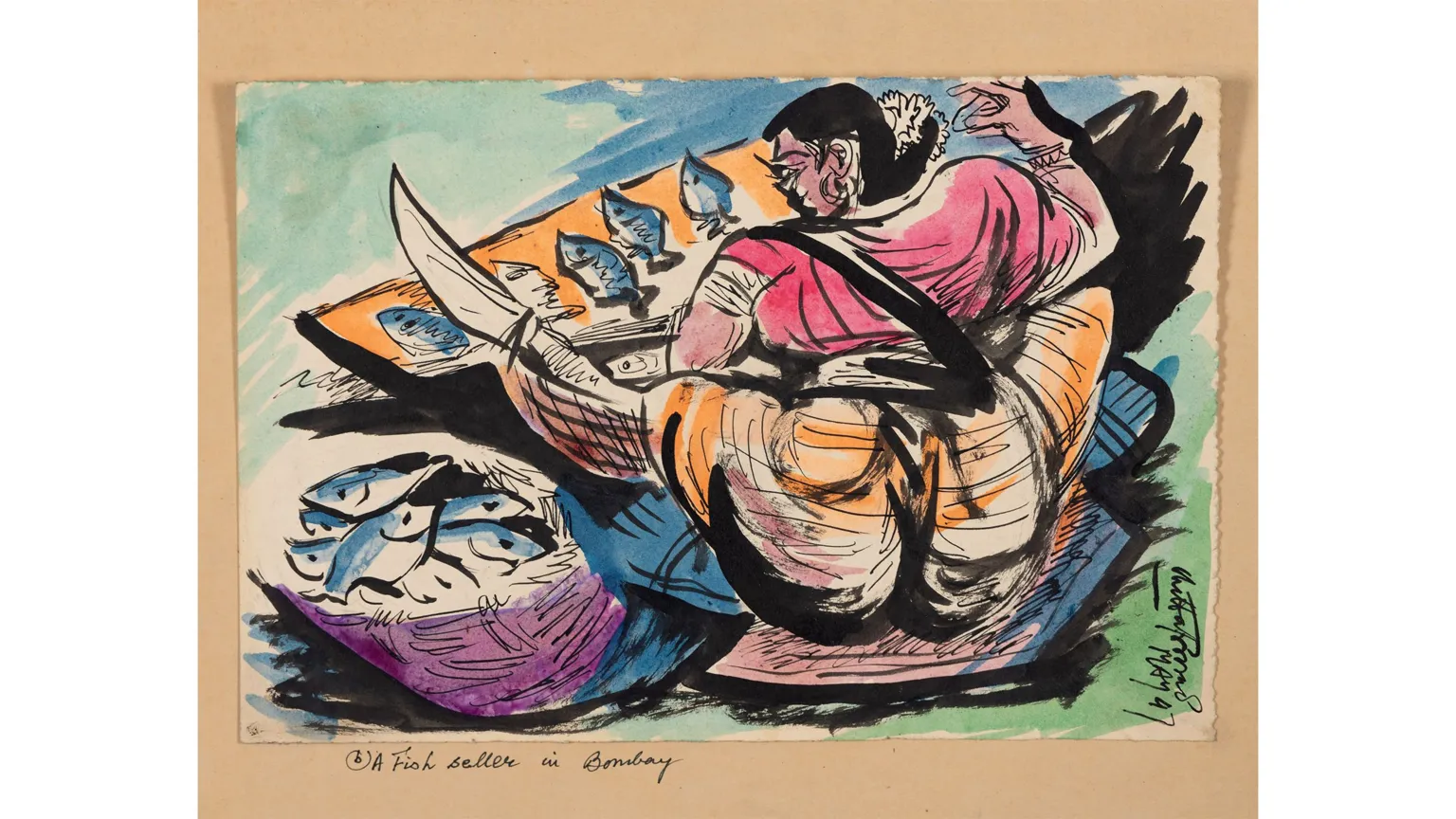
In contrast, works by artists such as Chittaprosad, known for his incisive social and political commentary, depict the realities of working-class life.
Cinema and Cultural Identity
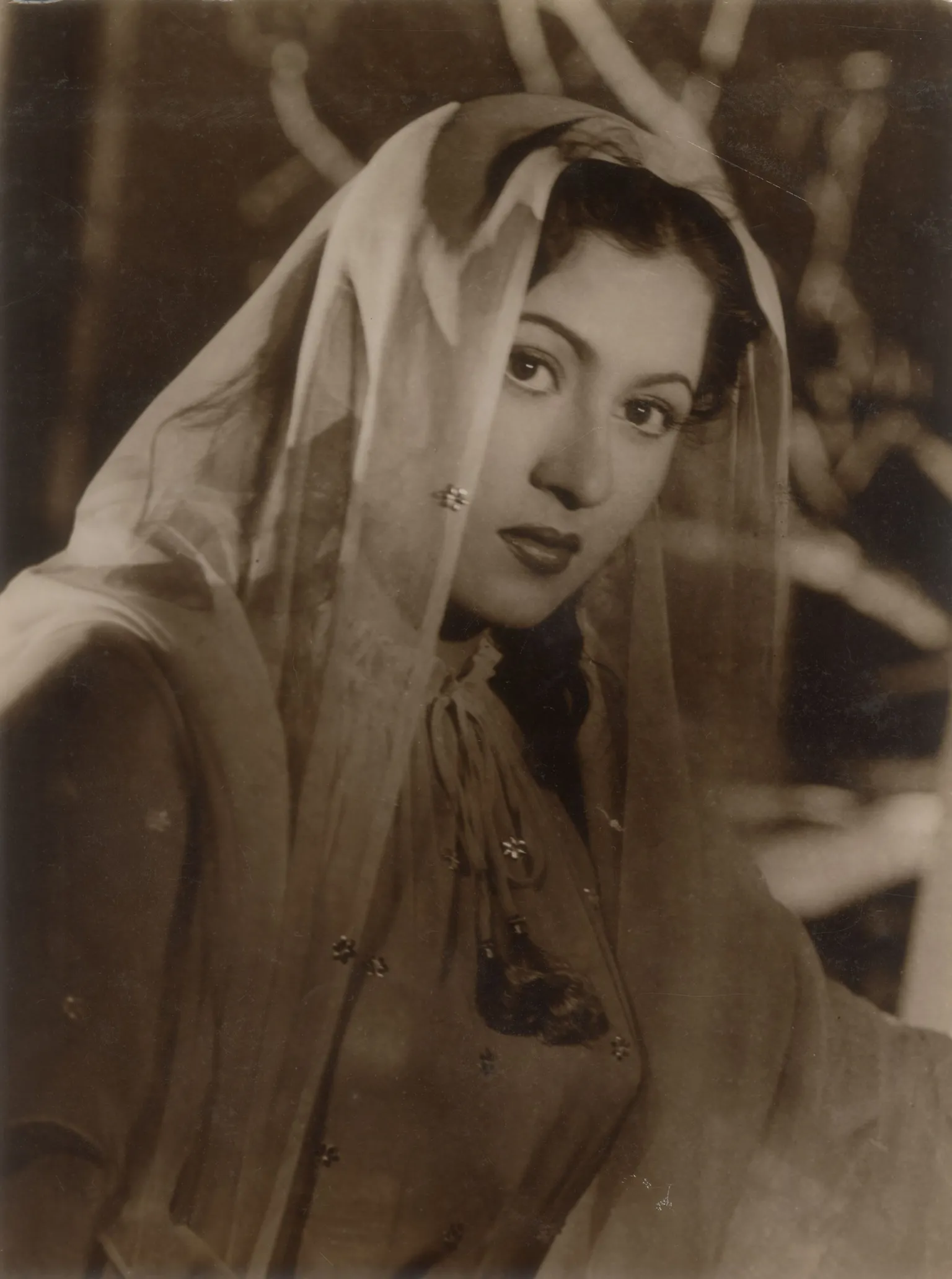
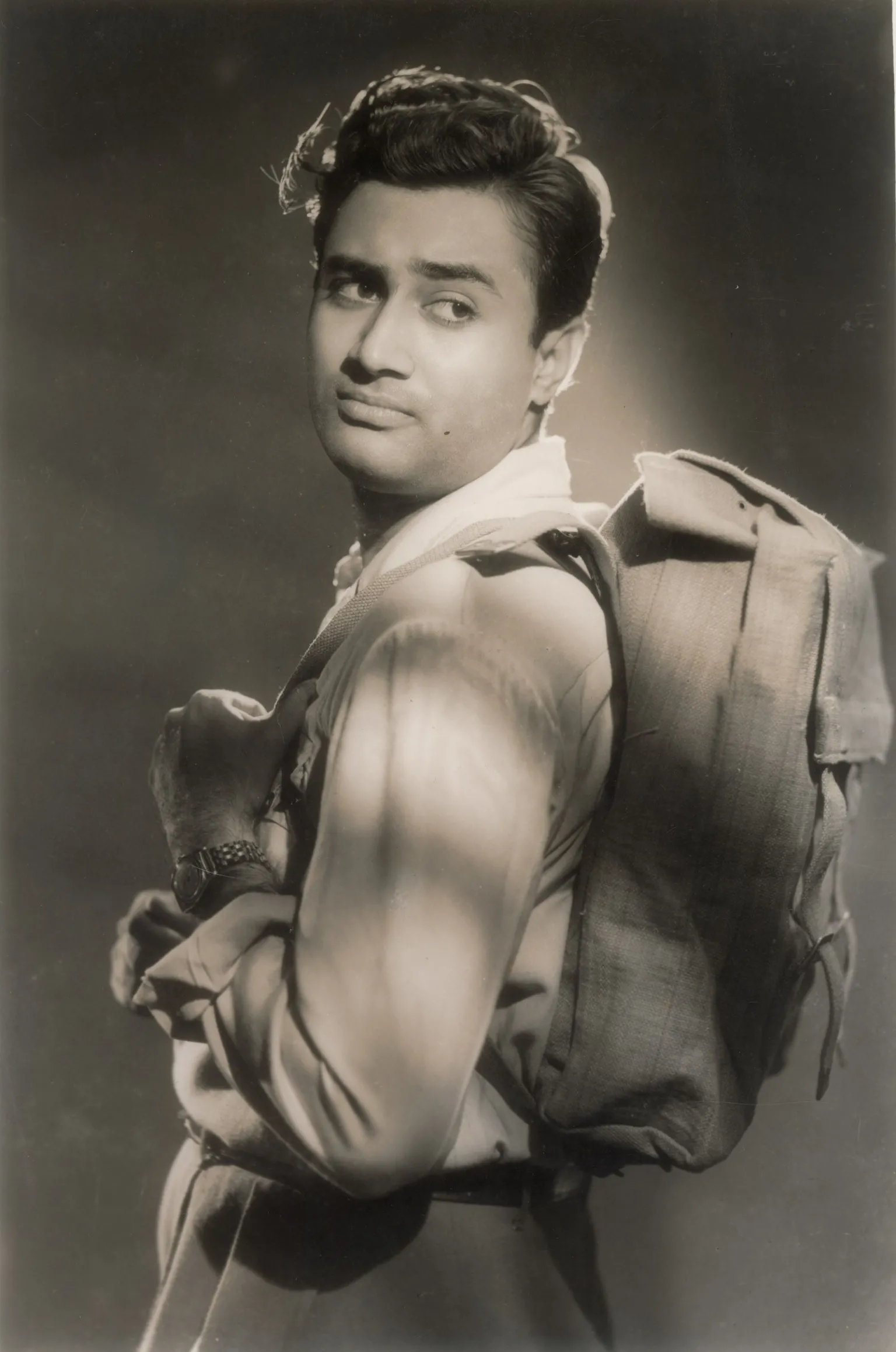
While Bombay introduced cinema to India, the medium thrived on the city’s streets as much as on screen. The exhibition includes a vibrant collection of vintage film posters from the 1950s and 1960s that once adorned city walls, alongside photographs by JH Thakkar, founder of India Photo Studio in Dadar.
"His moody, meticulously composed silver gelatin portraits shaped how audiences saw stars like Raj Kapoor, Nargis, Dev Anand, Meena Kumari and Dilip Kumar," notes the exhibition’s curatorial commentary.
The Name Change: Bombay to Mumbai
The city’s official name was changed from Bombay to Mumbai in the mid-1990s. Authorities stated the change was intended to shed colonial legacies, as the older name had become politically charged for some groups.
Prakash explained the exhibition’s title, Bombay Framed, rather than Mumbai Framed, reflects the fact that most images date from when the city was officially called Bombay.
"For Marathi speakers, it was always Mumbai. I'm agnostic about the name, as are many people, which reflects the city's long history of dual names and multiple perspectives. It really only becomes contentious when the issue is politicised."
The exhibition offers a comprehensive look at the city’s complex history, highlighting its many layers and the multiplicity of experiences that define it.
Follow India on Instagram, YouTube, X and Facebook.


