

Project Giving Back Ends Support at Chelsea Flower Show
The Chelsea Flower Show is seeking new charity sponsors following the decision of the anonymous philanthropic couple behind Project Giving Back to conclude their funding after contributing over £23 million to show gardens.
Established in 2022 by two undisclosed donors, Project Giving Back has financed 63 gardens at the prestigious horticultural event held annually at the Royal Hospital gardens in south-west London. This year marks the charity’s final year of support, with a farewell garden planned to commemorate its contributions and bid goodbye to Chelsea.
Decline in Corporate Sponsorship and Rise of Charitable Gardens
Historically, corporate sponsors invested up to £1 million per garden, with entities like The Daily Telegraph regularly funding gardens until 2016. However, the number of corporate sponsors has decreased since the 2008 financial crisis and the Covid-19 pandemic.
Project Giving Back’s grants have enabled 63 charities to fill this sponsorship gap, using show gardens to highlight their causes. This year’s participating charities include Asthma & Lung UK, the Children’s Society, the Eden Project, and Parkinson’s UK.
Shift Toward Eco-Friendly Gardening
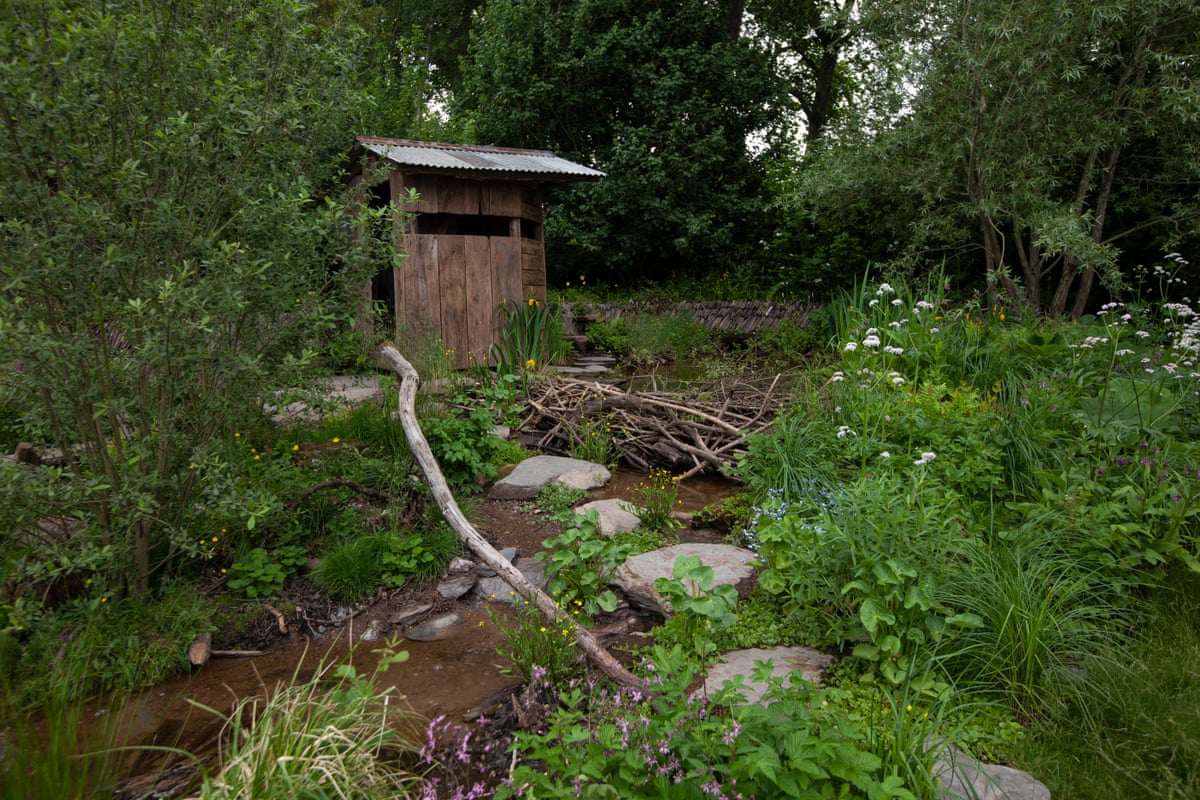
The Chelsea Flower Show has increasingly emphasized eco-friendly gardening, showcasing bee- and butterfly-friendly flowers and prioritizing native plant cultivation. Project Giving Back has been a driving force behind this trend. Its rewilding garden, noted for its deliberately unkempt appearance that sparked debate within the gardening community, won best in show in 2022. Gardens sponsored by the charity have received this accolade three times.
Changes in Sponsorship and Future Funding Needs
The Royal Horticultural Society (RHS), which organizes the flower show, previously benefited from the investment firm M&G as headline sponsor for 11 years until 2020. This year, Range Rover has assumed lead sponsorship from the Somerset hotel The Newt.

With Project Giving Back withdrawing, the RHS is actively seeking new charitable funding for the 2027 event.
“Over its 100-year history, RHS Chelsea flower show has always attracted sponsors and charities to benefit from the international platform and high-profile stage of the world’s most famous gardening event. Over the last five years, and in the aftermath of the pandemic, Project Giving Back played a significant role in supporting small and large charities and demonstrating the power of gardens to make a real difference.
RHS Chelsea has always and continues to attract show gardens associated with charitable work and it remains the Royal Horticultural Society’s biggest fundraiser enabling us to engage millions of people across the UK with gardening.”
Project Giving Back’s Final Year and Legacy
Hattie Ghaui, CEO of Project Giving Back, confirmed that this is the charity’s final year funding gardens at the Chelsea Flower Show. Initially established as a three-year initiative, the project was extended by two years due to positive impact and feedback.
“This is our final year of funding gardens for good causes through application for the RHS Chelsea flower show. We were initially set up as a three-year project and extended for a further two years based on the positive impact and feedback we had.”
Following the show, the charity will be wound down but plans to share its experiences to inspire future sponsors.
“We believe we have created an inspiring blueprint that other sponsors can follow.”
Design and Significance of the Final Garden
The charity’s concluding garden will be designed by James Basson of Provence-based Scape Design. It will feature towering red sandstone cliffs, naturally colored with ochre pigment and gently weathered over time, set within pine woodland.
The garden will showcase planting suited to the warm climate of southern France, potentially reflecting future trends in UK summer gardening as climate change progresses.
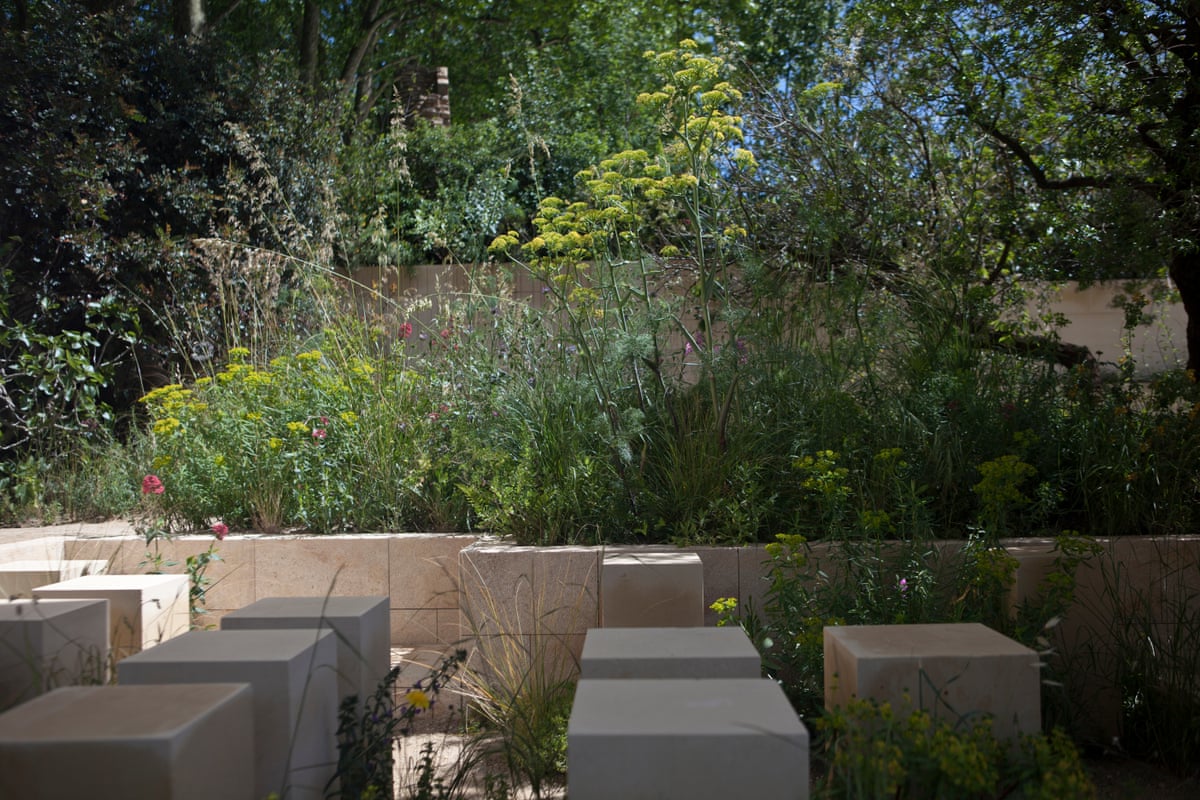
Basson’s previous Chelsea garden, sponsored by M&G Investments in 2017, was inspired by a desolate Maltese quarry and featured stark limestone pillars covered in wild shrubbery. That garden won best in show, a distinction Project Giving Back may aspire to as it concludes its Chelsea involvement.
The charity emphasized that their work demonstrates how thoughtfully designed and generously supported gardens can continue to inspire, heal, and give back long after the event concludes.
“When thoughtfully designed and generously supported, gardens can continue to inspire, heal and give back long after the show has ended.”


