UK to Halve Tariff-Free Steel Imports Amid Global Oversupply
The UK government will reduce the amount of tariff-free steel imports by 51% to address a global surplus of inexpensive Chinese steel and support the struggling domestic steel industry. This measure, termed as new “safeguards,” will take effect on 1 July and will coincide with similar changes implemented by the European Union.
Alongside the reduction in tariff-free quotas, tariffs on steel imports exceeding these quotas will be doubled to 50% of the product’s value. These quotas replace the previous pre-Brexit rules that governed import levels across the EU, which the UK had continued to follow after leaving the bloc.
Under the updated regulations, the tariff-free steel import quota will be cut to 3.2 million tonnes, a 51% decrease from the previous allowance. This reduction is less than the originally proposed cut.
Government Statement and Industry Exemptions
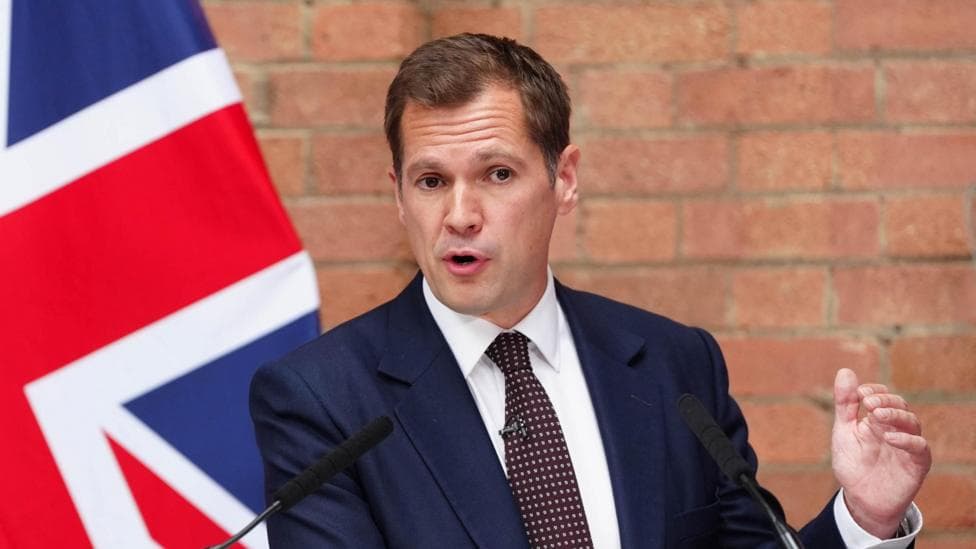
The Business Secretary stated the rationale behind the new measures:
“This steel trade measure – including today’s finalised quota volumes – has been designed to both protect UK steel making from global overcapacity, while giving businesses across the supply chain the certainty they need.
We will continue to engage with industry and review the measure after 12 months.”
In response to industry concerns, the government will exempt manufacturers using 11 specific types of steel from tariffs. These exemptions were granted following appeals that import duties would severely impact manufacturers reliant on steel types for which no local alternatives exist.

The safeguards cover 28 types of steel, ranging from steel bars used to reinforce concrete in construction to rolled sheets employed in stainless steel sinks and aeroplanes.
UK Steel Production and Market Context
The UK produces approximately 3 million tonnes of steel annually, compared to the global supply of nearly 2 billion tonnes. UK Steel, the national industry trade body, has previously warned that without such significant measures, the domestic steel sector would face severe challenges.
However, steel users within the UK have expressed concerns that the quotas could increase prices for many products unavailable from the country’s limited remaining steel furnaces.
International Trade and Overcapacity Issues
British steel’s largest export market is the European Union. Over the past three months, UK negotiators have engaged with EU representatives in Geneva, the headquarters of the World Trade Organization, to negotiate a deal addressing steel trade issues.
Government and EU sources attribute the global steel overcapacity to subsidised industries in China and other countries. When domestic demand in China decreases, the surplus steel is exported, flooding international markets and undermining local steel industries.