

Trump's Upcoming Visit to China
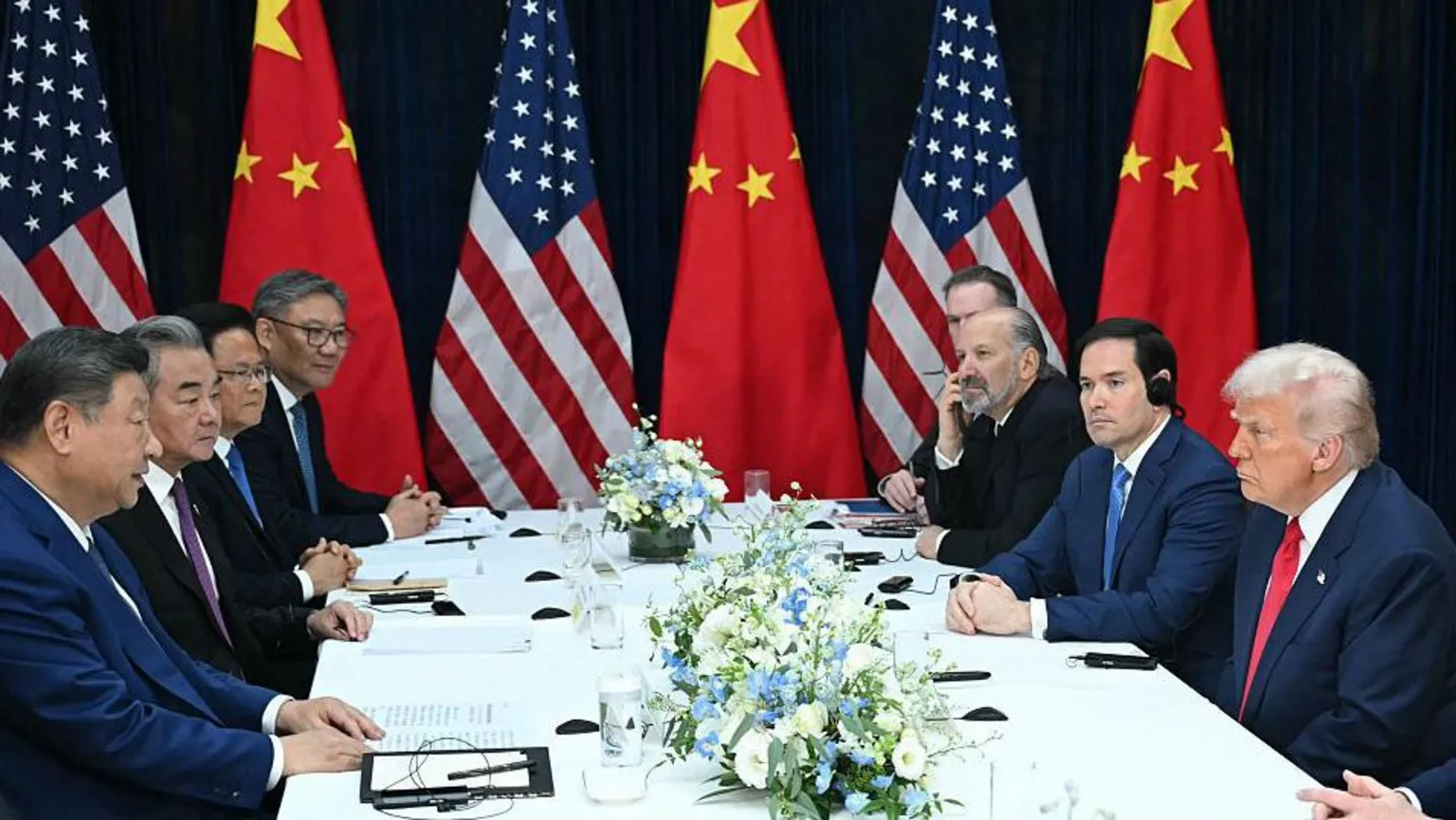
Beijing has confirmed that US President Donald Trump will travel to China this week to meet with Xi Jinping. The visit, scheduled from 13-15 May, marks the first by a US president to China in nearly a decade and arrives at a critical juncture for relations between the world's two largest economies.
Executives from major American companies such as Boeing, Citigroup, and Qualcomm are expected to accompany Trump, potentially to negotiate deals with Chinese firms. This visit will serve as a significant test of the fragile trade truce currently in place between Washington and Beijing.
Background of the Trade War
In April 2025, Trump introduced extensive import taxes on countries worldwide, regardless of their relationship with the US. This policy triggered a retaliatory trade war between the US and China, with tariffs on both sides reaching levels exceeding 100%. These tariffs were paused following the last face-to-face meeting between Trump and Xi in South Korea in October, though threats of renewed tariffs have persisted.
To understand the current situation, it is important to review how the trade war began.
How the Trade War Started
Trump won the 2016 US presidential election pledging to make trade fairer for American workers and to revive manufacturing jobs domestically. In 2018, he announced tariffs on $250 billion (£185 billion) worth of Chinese imports, an action many analysts identify as the beginning of the trade war.
That same year, Trump imposed tariffs on other trading partners including Mexico, Canada, and Europe, citing concerns that these countries were exploiting the US economically.
Policy researcher Ning Leng from Georgetown University noted the surprise these measures caused, especially in China.
"It was the first time they dealt with Trump seriously, and they probably did not expect him to go ahead with it,"
At that time, China was heavily dependent on trade with the US. The US was a major importer of Chinese manufactured goods, and American tariffs threatened Chinese workers' livelihoods by potentially reducing demand.
The trade tensions compounded existing challenges in China's economy, including weak domestic consumption, high unemployment, and a prolonged property crisis. Exports to the US had been a vital support for Chinese employment, but Trump's tariffs jeopardized this lifeline.
"It's harder for one country to withstand a trade war with another that it has a trade surplus with,"
Leng explained.
When Joe Biden succeeded Trump in 2021, he maintained pressure on Beijing. His administration chose not to remove Trump's tariffs on China, reflecting a shared view that the US needed to limit China's growth in strategic sectors such as technology.
Biden also introduced restrictions on Chinese companies, including the technology giant Huawei, which was effectively banned from the US market over national security concerns. TikTok's US operations were also scrutinized, eventually leading to their separation from the Chinese parent company.
Additionally, Chinese electric vehicles (EVs) were effectively barred from the US market after Biden imposed heavy tariffs.
"We often think that Trump is tough on China, but there is an argument to say that Biden was even more protectionist than Trump was,"
said economist Tang Heiwai from the University of Hong Kong.
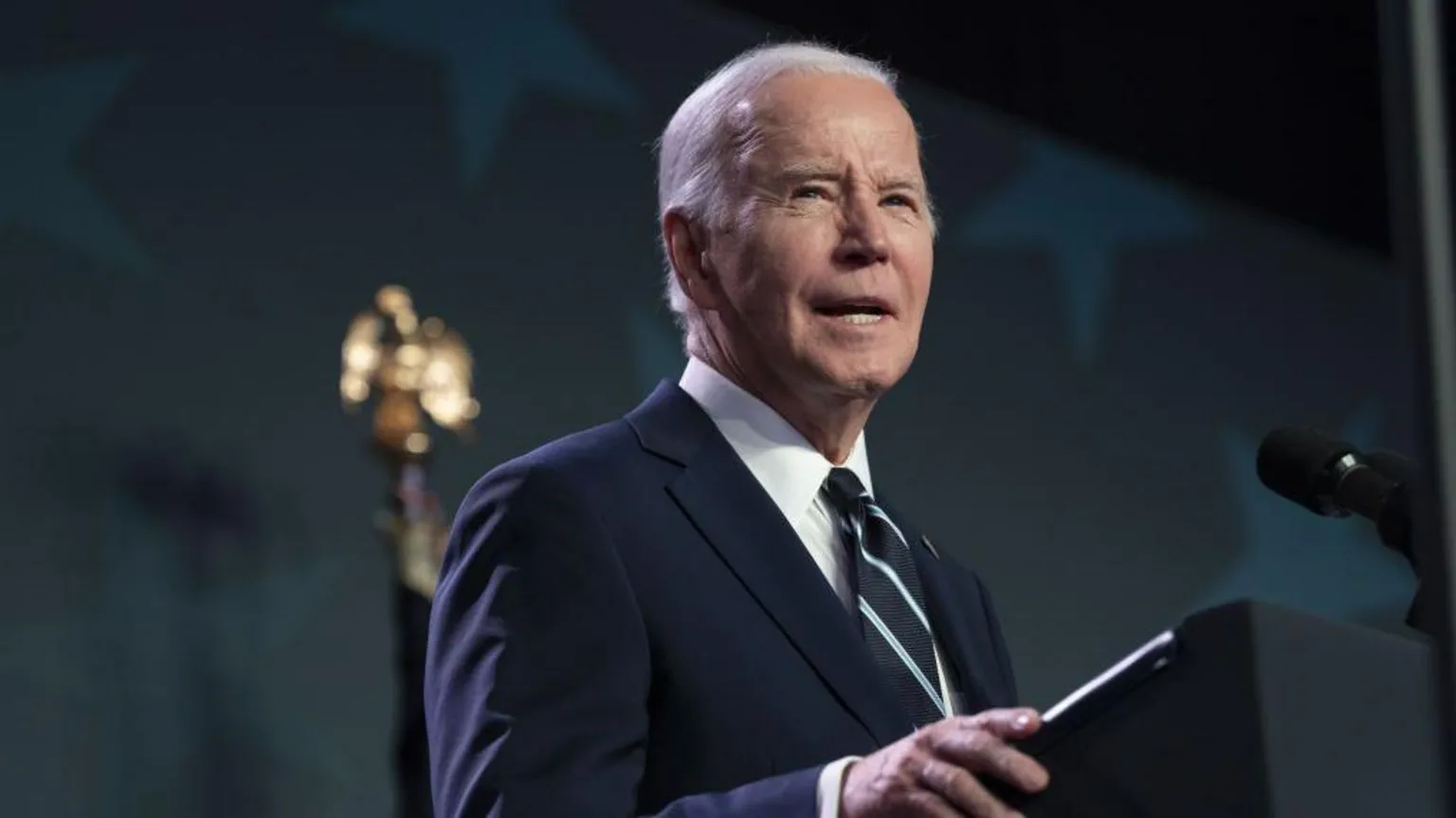
After returning to office in 2025, Trump intensified his tariff policies. He imposed 20% tariffs on China, accusing the country of facilitating the influx of fentanyl into the US. On what he called Liberation Day, Trump set a 34% tariff on Chinese goods, making these among the highest tariffs imposed on any country.
The tariffs disrupted Chinese businesses, causing goods to accumulate in warehouses, while US companies scrambled to find alternative suppliers.

China responded swiftly with retaliatory measures, including tariffs on US agricultural products, which impacted farmers—a key constituency for Trump.
However, Trump appeared not to have fully accounted for China's near-monopoly on rare earth elements, essential for manufacturing products ranging from smartphones to fighter jets.
While Trump used tariffs to negotiate favorable deals, he could not risk harming US industries dependent on China's raw materials. This necessitated a shift toward negotiation.
A meeting between Trump and Xi in October concluded with Beijing suspending export controls on rare earths, marking a diplomatic win for Trump. He also announced that China would immediately begin purchasing US agricultural products and other farm goods, vital components of the American economy.
In exchange, Washington lifted some tariffs related to the flow of fentanyl precursor ingredients. Planned increases to reciprocal tariffs were also paused, and restrictions on the sale of advanced semiconductors to China were eased, although the most advanced chips remained excluded.
Current Agenda and Challenges
Although the tariff truce was agreed upon last year, a permanent resolution to the trade dispute remains elusive.
China's significant investment in manufacturing means its businesses must continue exporting due to weak domestic demand, according to Tang.
"It will need the US. There's no single country as big as them as a consumer market,"
Tang stated.
Nevertheless, China approaches this meeting from a position of strength. Its export figures have reached record levels, thanks in part to establishing new trading partnerships globally as relations with the US have cooled.
China has also continued investing heavily in robotics and efforts to develop its own advanced semiconductor technology, aiming to reduce dependence on Western companies like Nvidia.
The Trump administration is expected to press Beijing to increase purchases from critical US industries, including soybeans and aircraft parts.
However, Trump's trade policies have recently encountered setbacks. The US Supreme Court struck down his Liberation Day tariffs, prompting him to invoke a separate law to impose a temporary 10% tariff on all countries while initiating an investigation into unfair trade practices by China and others.
Moreover, a US trade court ruled last week that the latest global tariffs were unjustified, potentially leading to further legal challenges.
Implications of the Iran Conflict
The ongoing conflict in Iran is expected to be a significant topic during the Trump-Xi meeting.
China, with its vast oil reserves and diversified energy sources, has so far managed the conflict's fallout better than many neighboring countries. It is a major oil producer, and most of its imported crude oil comes from Russia, factors that have helped mitigate the war's economic impact despite China being Iran's largest oil buyer.
Nonetheless, as the conflict persists, it is increasingly testing the Chinese economy. Senior officials have pledged strong measures to safeguard China's energy security and supply chains, according to policy analyst Lyle Morris.
While both Beijing and Washington may have incentives to seek an end to the conflict, significant differences in their perspectives on Iran remain. The global community will closely observe whether and how they manage to bridge these divides.


