Changing Roles and Challenges in Debt Collection
Angela Jeffery, an office manager at West Wales Electrical Solutions based in Carmarthenshire, has experienced a shift in her responsibilities. She now dedicates significant time to pursuing outstanding debts and arranging payment plans for customers facing financial difficulties.
On two occasions, Angela has resorted to taking clients to the small claims court to ensure payment for services rendered.
Negotiating prices has also become a necessary skill for many tradespeople. A tree surgeon based in Cardiff reports that customers frequently question his fixed pricing.
These experiences are common, as a survey conducted by the Direct Line Group reveals that over 53% of tradespeople have noticed an increase in late payments compared to the previous year. The insurer described the situation as "deeply demoralising."
The survey further indicates that 68% of tradespeople are actively chasing late payments, with 23% managing four or more unpaid invoices simultaneously. The average amount written off by tradespeople stands at £1,646.
"Some customers have lost their jobs or loved ones which makes it hard for them to afford to pay,"Angela explained.
"We are reasonable with the genuine people really struggling."
The cost of living has been rising steadily over recent years, with inflation impacting essentials such as food, energy, rent, and mortgages.
Angela, part of a family-run business in Newcastle Emlyn, strives to approach each customer's situation with sensitivity.
The company undertakes electrical work across agricultural, commercial, and residential sectors. However, it is the larger projects, including rewiring, solar installations, and green energy systems, where some customers have encountered payment difficulties.
Previously, customers would accept estimates with minimal inquiry, but now they often require full cost disclosure before committing.
"Before they just booked us in, knowing roughly how much it would cost,"Angela noted.
Debt collection is not solely post-service; Angela emphasizes the importance of building relationships with clients.
To accommodate customers, the company has implemented policies such as hourly payment options.
"It is a difficult time for everybody. The price of everything has gone up so much. We need the work with five electricians on the road, so we try to work with the customer and what they need."
Price Negotiations and Business Expenses
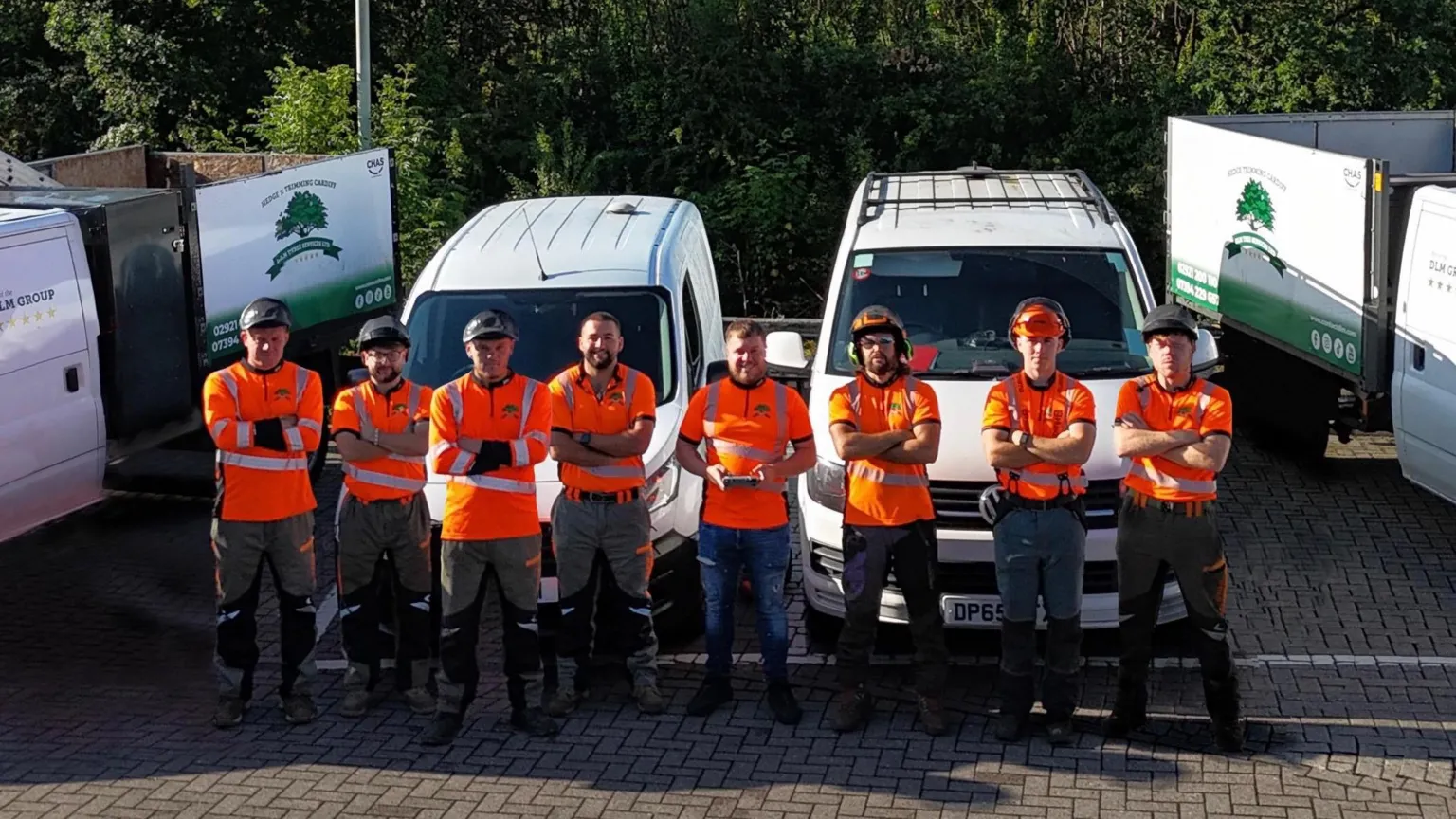
Dom Meletti, director of DLM Tree Services in Cardiff, reports that haggling over prices has become a routine aspect of his work. His team provides hedge trimming and tree care services to both commercial and residential clients.

"We've never agreed to reduce our prices,"he stated.
"They are fixed but fair so when we are asked if it can be done cheaper we explain politely that unfortunately this is the price of the job. 90% of the time they then agree to the job anyway."
At 28 years old, Dom understands the financial pressures many customers face, but his firm incurs monthly expenses of £10,000 before wages, regardless of workload.
"When people try to haggle the price it doesn't feel great but on the other hand as a director who lives a personal life as well I understand things are expensive and sometimes you want something done, hoping it can be cheaper,"he added.
Survey Findings on Late Payments and Protective Measures
The Direct Line survey, which included 500 tradespeople, highlighted that the average amount owed in late payments per tradesperson is £2,023.
More than 42% of respondents reported writing off debts exceeding £500 from unpaid invoices, while 20% abandoned efforts to recover invoices over £1,000.
To mitigate risks, many tradespeople have adopted strategies such as requesting proof of funds before commencing work.
Other measures include requiring half payment upfront, invoicing for the remainder prior to job completion, and imposing late payment fees.
The UK government has recently introduced new initiatives aimed at addressing late payments to small businesses by larger firms, in response to concerns that over 1,000 small businesses in the UK close each month due to late payments.
Mark Summerville of Direct Line commented on the impact of late payments on tradespeople.
"Often tradespeople felt they had no choice but to write off unpaid invoices, describing it as not only financially damaging but deeply demoralising."
"Late payments are often cited by tradespeople as their biggest problem. When a client fails to pay on time after work is completed, it can create a highly stressful situation. Payment delays disrupt both personal and business finances, affecting the ability to cover bills and manage cash flow for future projects."
Positive Experiences Among Some Tradespeople
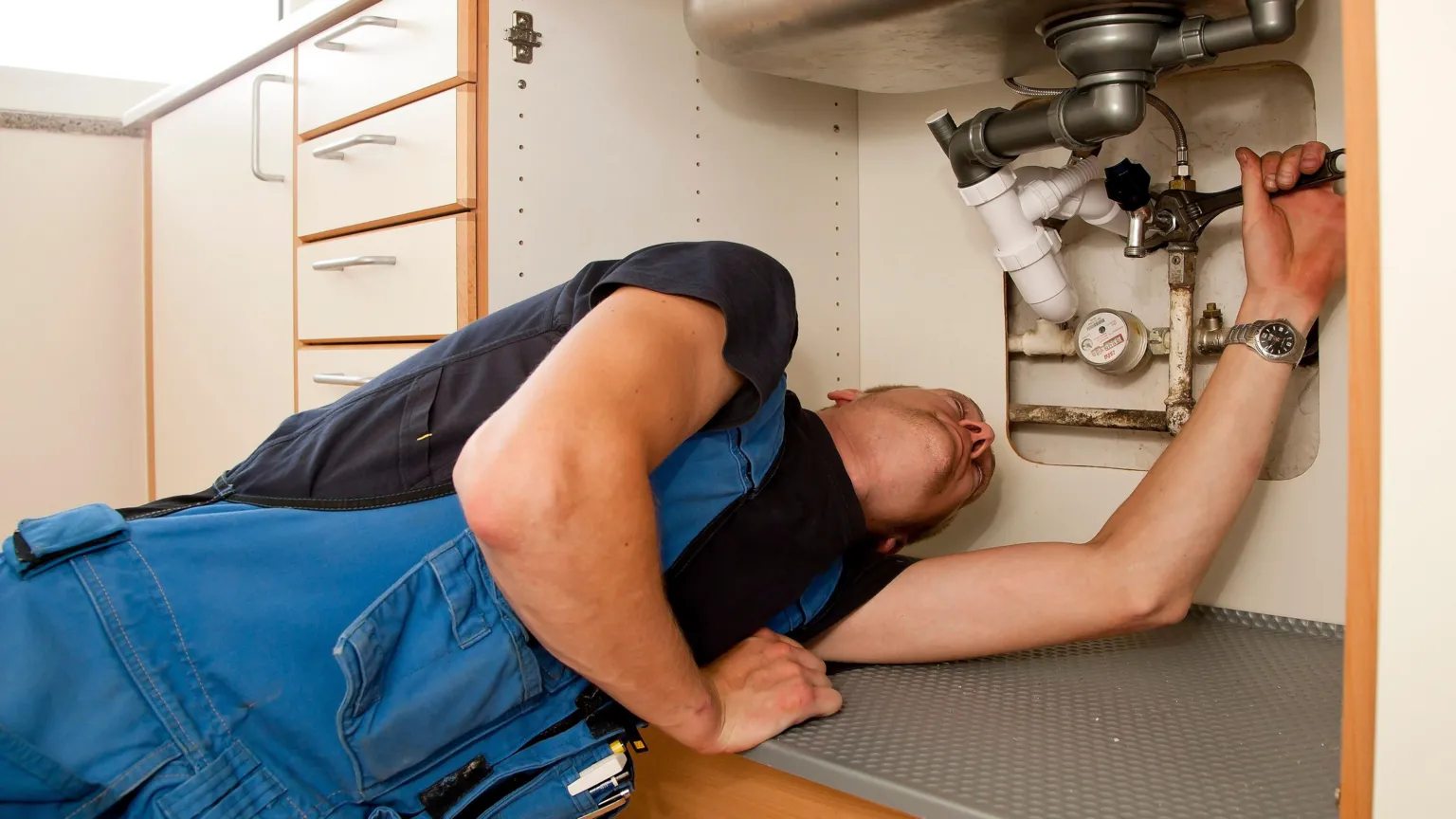
Not all tradespeople report negative experiences. Gavin Shopland, a self-employed plumber in Cardiff since 2009, describes his customers as consistently reliable.
Many of his clients are repeat customers.
"I think the reason my customers are really good at paying quickly is because they are loyal,"Gavin said.
"I don't get any back and forth on price. I'm pretty fair with it. The price is what the price is."