

Impact of Rising Red Diesel Prices on Farming
Farmers are expressing concern that the increasing price of red diesel is forcing them to reconsider planting future crops. Harriet White, a farmer near Mablethorpe, Lincolnshire, explained that her family is scrutinizing every expense, including their young son's nursery fees.
Red diesel, a subsidised fuel for off-road agricultural vehicles, was priced at 78p per litre before the Middle East conflict, but had risen to £1.22 per litre by Monday, according to the price tracking website Boiler Juice.
The National Farmers Union (NFU) is closely monitoring the situation, describing the prices as "critical." White stated,
"Red Diesel is putting us in the red,"
and warned of potential food shortages in the coming months and years due to reduced planting. She elaborated,
"If you are not going to get as much milling wheat, then you won't get as much bread."
The price of red diesel peaked at £1.38 on 10 March following the outbreak of the conflict in the Middle East on 28 February, as reported by Boiler Juice, which tracks prices from UK suppliers. Although prices have decreased since the US and Iran announced a ceasefire on 8 April, they remain 56% higher than pre-war levels.

White has called on the government for assistance. A government spokesperson noted that a 5p fuel duty cut has been extended until September and that red diesel continues to benefit from an 80% tax discount.
Despite this, White, a mother of two, said her family is reconsidering household spending, including nursery costs, which are also rising.
Farmers Face Rising Costs and Financial Strain
In March, the NFU warned that food prices are likely to increase as farmers struggle to absorb escalating costs.
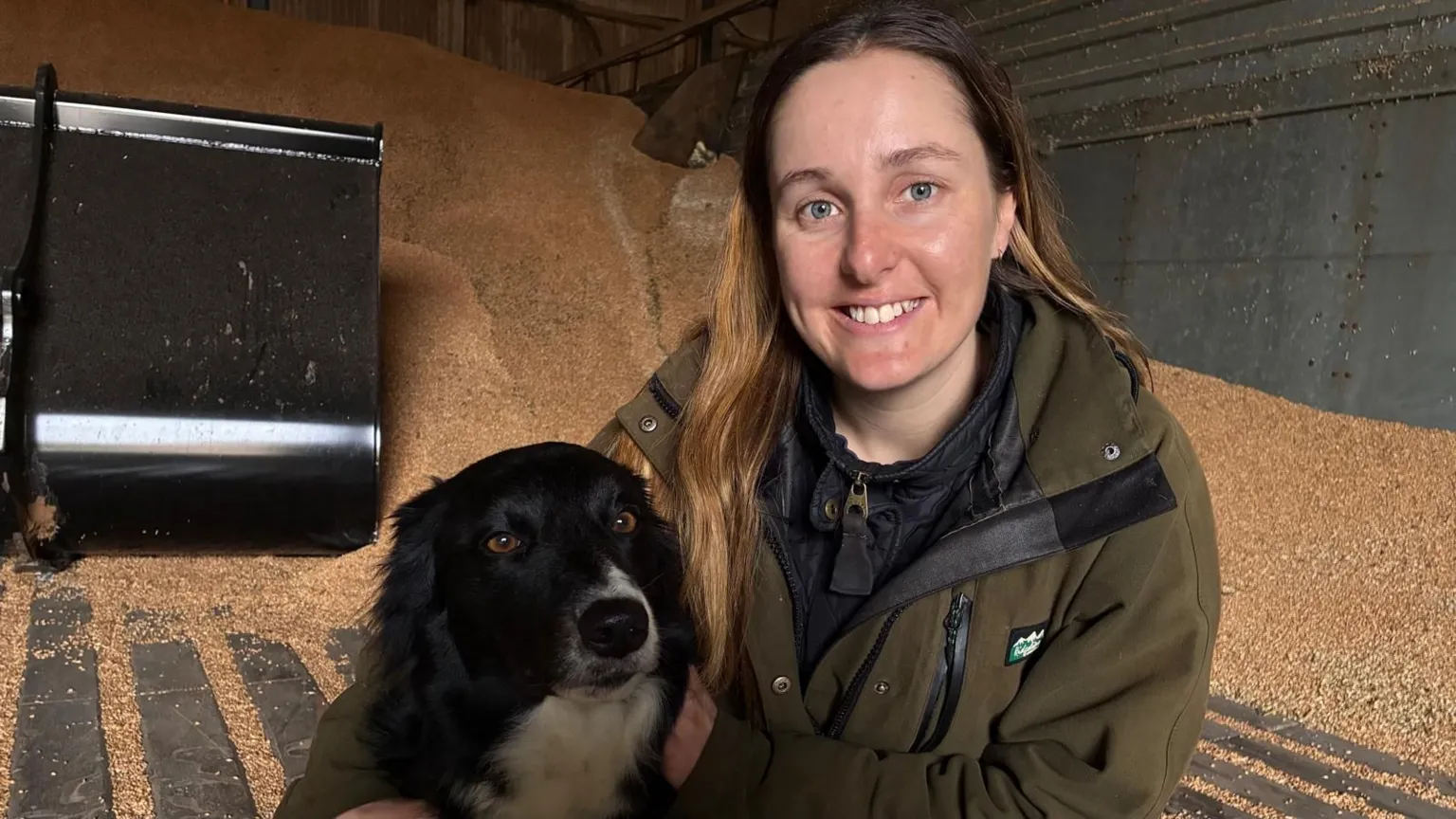
Anna Jackson, a 33-year-old farmer near Scunthorpe who took over the family business before Christmas, highlighted that fertiliser prices have become unmanageable. She reported that the cost of a tonne bag has increased by 14%, from £336 to £390 since last year.
Jackson expressed her frustration that wheat prices have not increased proportionally with rising costs. She revealed that the business is implementing significant cuts, including reductions in farm insurance, which she described as "scary."
Jackson also noted that a play farm and café on their land generate more income than farming itself, prompting her to explore additional diversification projects.
"As a farmer you're a gambler," she added. "But you don't want to be a gambler."


