

Minimum Wage Increase Announced
Approximately 2.7 million individuals will receive a pay increase this week as the national minimum wage rises by 50p to £12.71 per hour for workers aged over 21.
Workers aged 18 to 20 will see an 85p increase to £10.85 per hour, while those under 18 and apprentices will receive a 45p rise to £8 per hour.
Reactions from Campaigners and Businesses
Campaign groups have welcomed the wage increases, but businesses have expressed concerns that higher wage costs may compel them to raise prices or reduce staff numbers.
The Low Pay Commission, the government agency responsible for recommending the increases, stated that previous minimum wage rises for over-21s "have not had a significant negative impact on jobs."
Prime Minister Sir Keir Starmer commented on the wage rise, noting that wages are increasing "for the lowest paid," but emphasized that the government "must go further to bear down on costs."
Business Perspective: Mettricks Coffee Shops
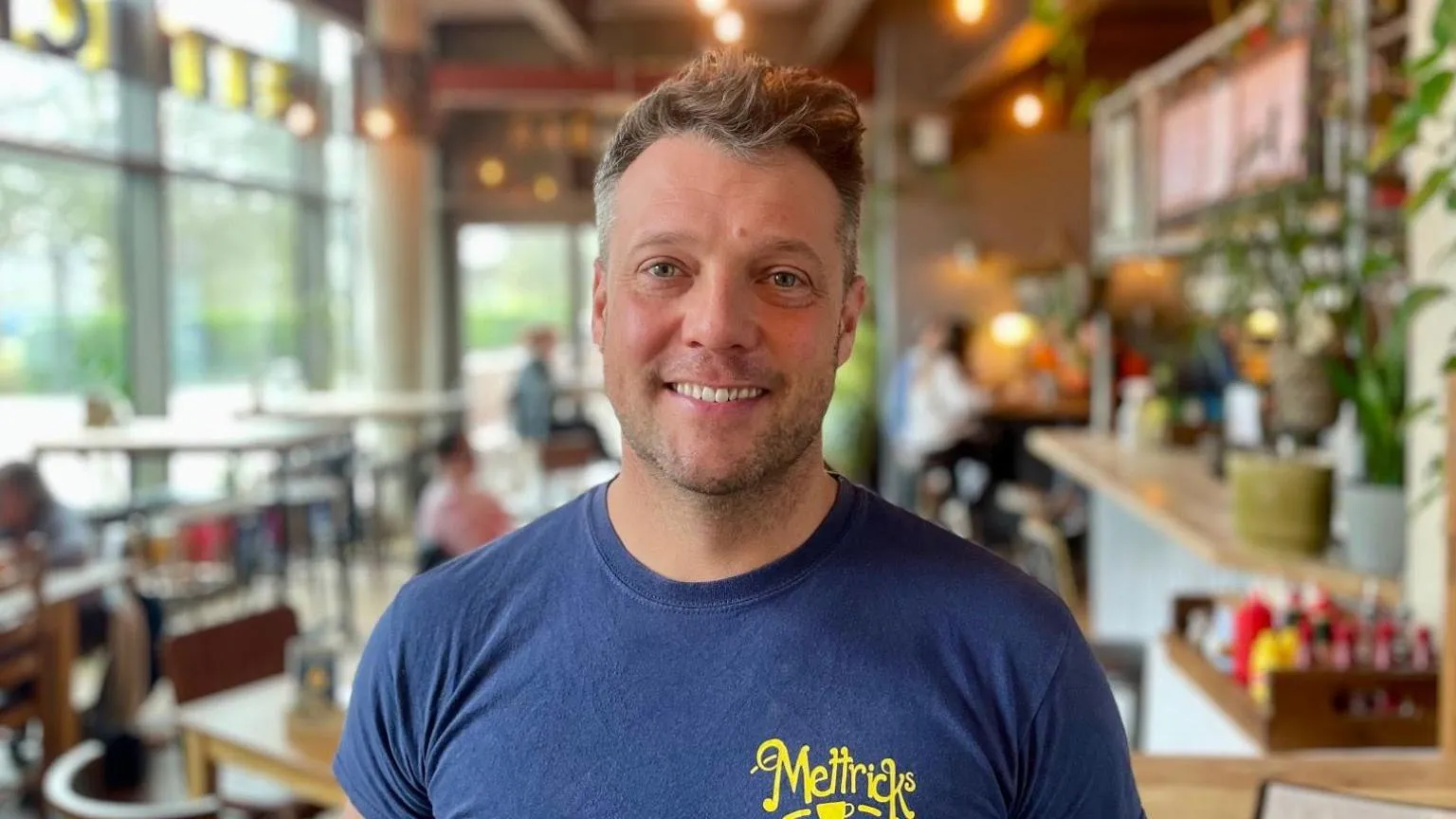
Spencer Bowman, managing director of Mettricks, a chain of four coffee shops in Southampton, expressed mixed feelings about the wage increase.
"There's nothing that I'd want more than to ensure that my team can earn a really fair amount of money for a fair day's work. And it's been one of my long-term ambitions to see hospitality workers, my employees, paid far more."
However, he highlighted the financial pressures his business faces from multiple directions.
"The cost increases have got to be sustainable. We're being squeezed from every angle – as well as minimum wage, there have been increases in business rates, national insurance, and statutory sick pay. I also expect energy bills to rise due to the war in the Middle East."
Bowman further explained the operational challenges.
"We're running on a minimum number of staff on shift. We can't run on fewer people. If something doesn't give somewhere, we will be closing sites. It doesn't make any sense. Revenue is up. Our customer numbers are up. But our costs everywhere have hit a point where we're not financially sustainable and if that continues, there's only one outcome for that."
Context of Recent Wage and Tax Changes
The current minimum wage increases follow a 6.7% rise for over-21s and a 16.3% increase for 18 to 20-year-olds last year, which coincided with a rise in employers' National Insurance contributions.
Ministers are considering slowing plans to equalize the minimum wage across all adult age groups. The Labour Party pledged in their election manifesto to remove "discretionary age bands" and raise wages for 18 to 20-year-olds to match those over 21.
Voices from Workers
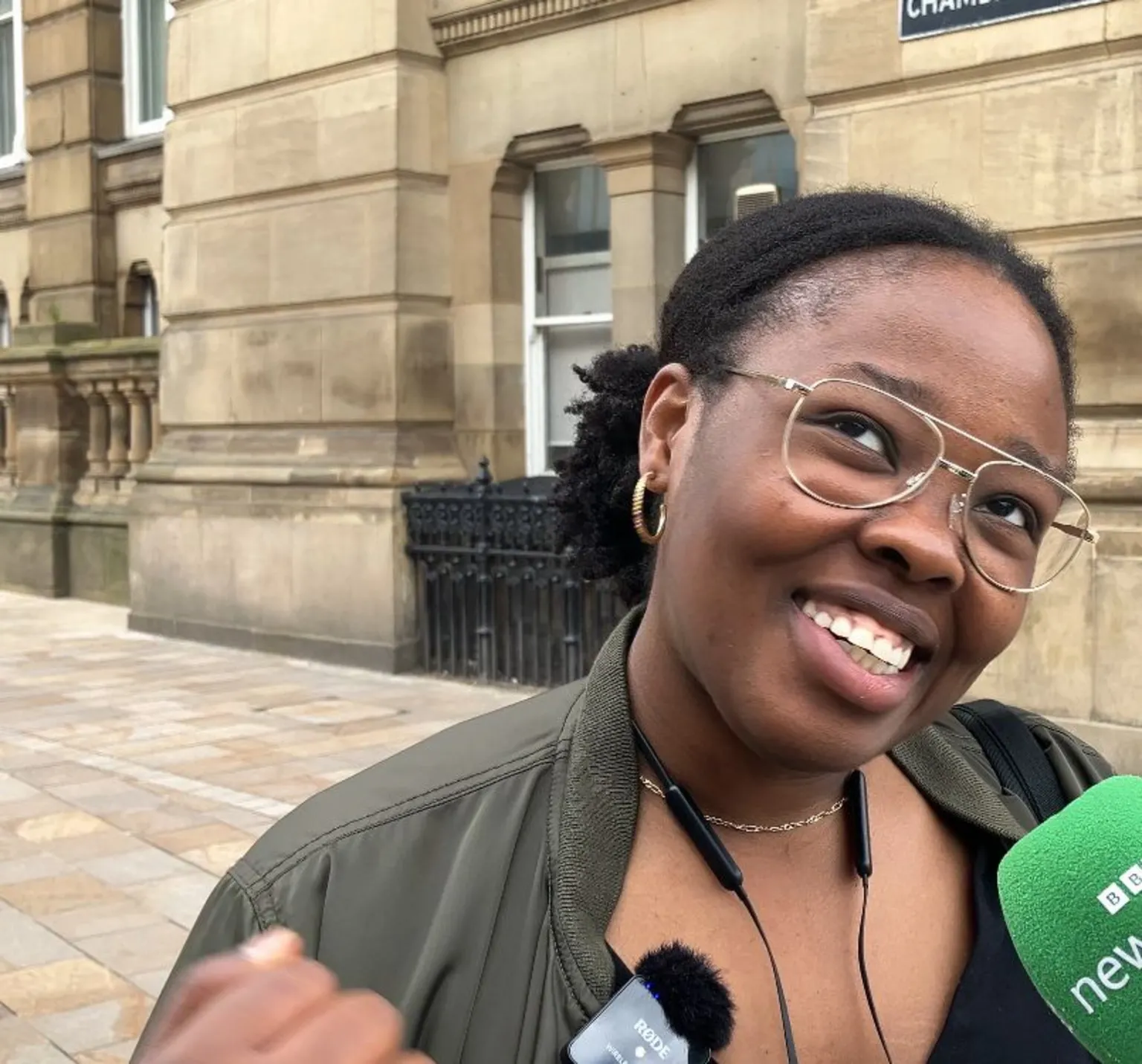
Ifunanya Ezechukwu, 25, described the minimum wage rise as a "step in the right direction."
"Especially with the cost of living being really bad, people need more money so they can actually afford the basics,"
she told beat.
She does not believe that higher wages will necessarily reduce job opportunities.

"I feel like they're probably just going to up the prices of their services, so I don't think there'll be less job opportunities. I just feel like some things might get more expensive, which is unfortunate, and then the cycle just continues."
Alex McCarthy, an 18-year-old university student working part-time in a pub, expressed feeling "very, very happy" about the increase. However, he noted that for some of his peers, the rise may not be sufficient.
He explained that some friends, who work while living at university, still struggle with weekly shopping costs and often have to borrow money from their parents.
Amelia Evans, 18, stated that the wage increase is necessary given rising prices but expressed concern about its impact on her job prospects.
"So far this year I think I've done maybe 20 applications, and haven't got any. I feel like it's going to impact me even more now."
Government and Treasury Statements
When Chancellor Rachel Reeves announced the increases in last year's Budget, she emphasized that the cost of living remained the biggest challenge for working people.
"The economy isn't working well enough for those on the lowest incomes,"
she said.
At that time, the Treasury stated that the new minimum wage rates for 2026 balanced "the needs of workers, the affordability for businesses and the opportunities for employment."
Living Wage Foundation's Position
The Living Wage Foundation welcomed the increases but argued that they do not go far enough.
The Foundation calculates the Real Living Wage, which it considers a more accurate measure of the cost of living in the UK. Currently, it stands at £13.45 across the UK and £14.80 in London.
Kate Chapman, executive director of the Living Wage Foundation, noted that one in seven businesses now pay the Real Living Wage.
"That's because they know the Living Wage is good for people, good for society and good for business,"
she said.
Business Concerns on Costs
The British Chamber of Commerce identified tax and labour costs as the primary concerns for British businesses.
In its quarterly survey of 4,000 firms, 73% reported that labour costs are pressuring them to increase prices.
Additional reporting by Georgia Levy-Collins, Lizzy Bella, and Jemma Crew.


