

Government Response to Economic Impact
This week, Ireland's government implemented measures to assist those beginning to experience economic effects from the conflict in Iran. The support package included reductions in taxes on petrol and diesel, along with an additional €150 benefit aimed at approximately 470,000 of the most economically vulnerable households.
The total value of this package was just under €250 million, a relatively modest figure compared to the estimated €12 billion in supports provided during the previous energy crisis. Government ministers highlighted the focused nature of this assistance while indicating that further support could be introduced if the situation deteriorates.
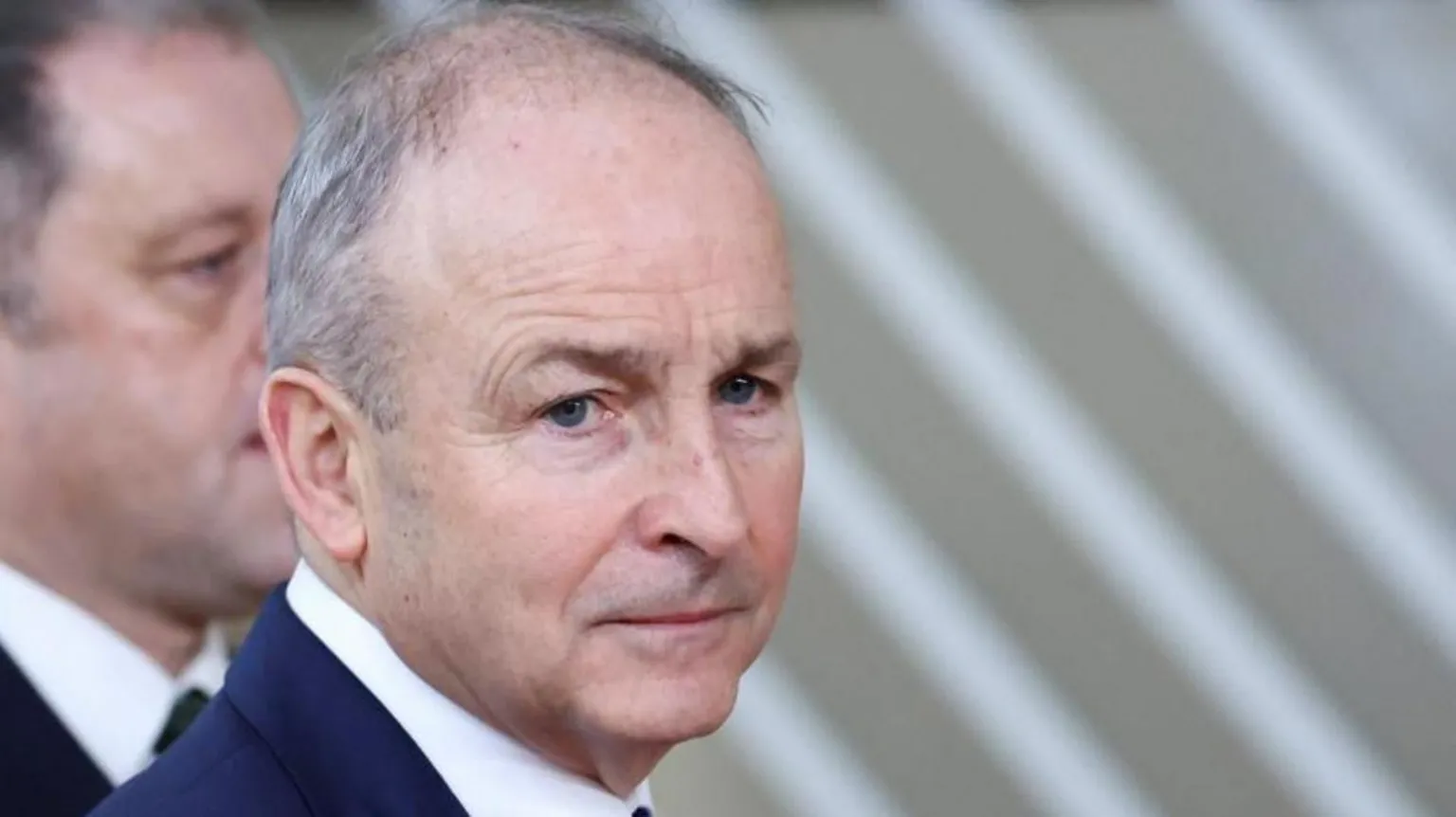
"To put it bluntly, nobody knows what the situation will be in a month from now," the Taoiseach (Prime Minister) Micheál Martin said,"We must remain flexible in our response."
Martin also emphasized that Ireland's economy is entering the crisis from a position of "relative strength."
Economic Context and Current Performance
The country continues to benefit from substantial contributions by US technology and pharmaceutical companies, which pay a significant portion of their global taxes in Ireland. This inflow has enabled the government to maintain a budget surplus, increasing its capacity to support households and businesses during the crisis.

Official data indicates that Ireland's domestic economy grew by nearly 5% in 2025, with employment reaching record levels. However, this level of performance is not expected to be sustained in the current year.
Forecasts and Economic Outlook
Two forecasts released this week suggest that a severe economic downturn may be avoided, although both come with significant uncertainties. The Central Bank of Ireland has outlined a baseline scenario where the conflict ends relatively soon and supply chains are restored. Under this scenario, economic growth is projected to slow to below 3% in 2026, with inflation rising from an average of 2.1% in 2025 to nearly 3% this year.
In a scenario where the conflict is prolonged, growth could decline to around 2%, and inflation could exceed 4%, which would negatively affect living standards. The Central Bank notes that these scenarios are "partial" and may be accompanied by other adverse developments not currently incorporated into their models.
Similarly, the Economic and Social Research Institute (ESRI), a think tank, anticipates rising inflation and slowing growth, while acknowledging considerable uncertainty regarding the extent of these changes.
Impact on Housing Sector
The ESRI has also cautioned that increasing inflation may exacerbate Ireland's persistent challenges in housing supply. Rising energy prices could lead to higher construction costs, potentially hindering housing output.
"One of the risks we see in terms of housing outlook really is that if these energy price spikes feed through into construction inflation that could really weigh on housing output," said ESRI researcher Conor O'Toole.


