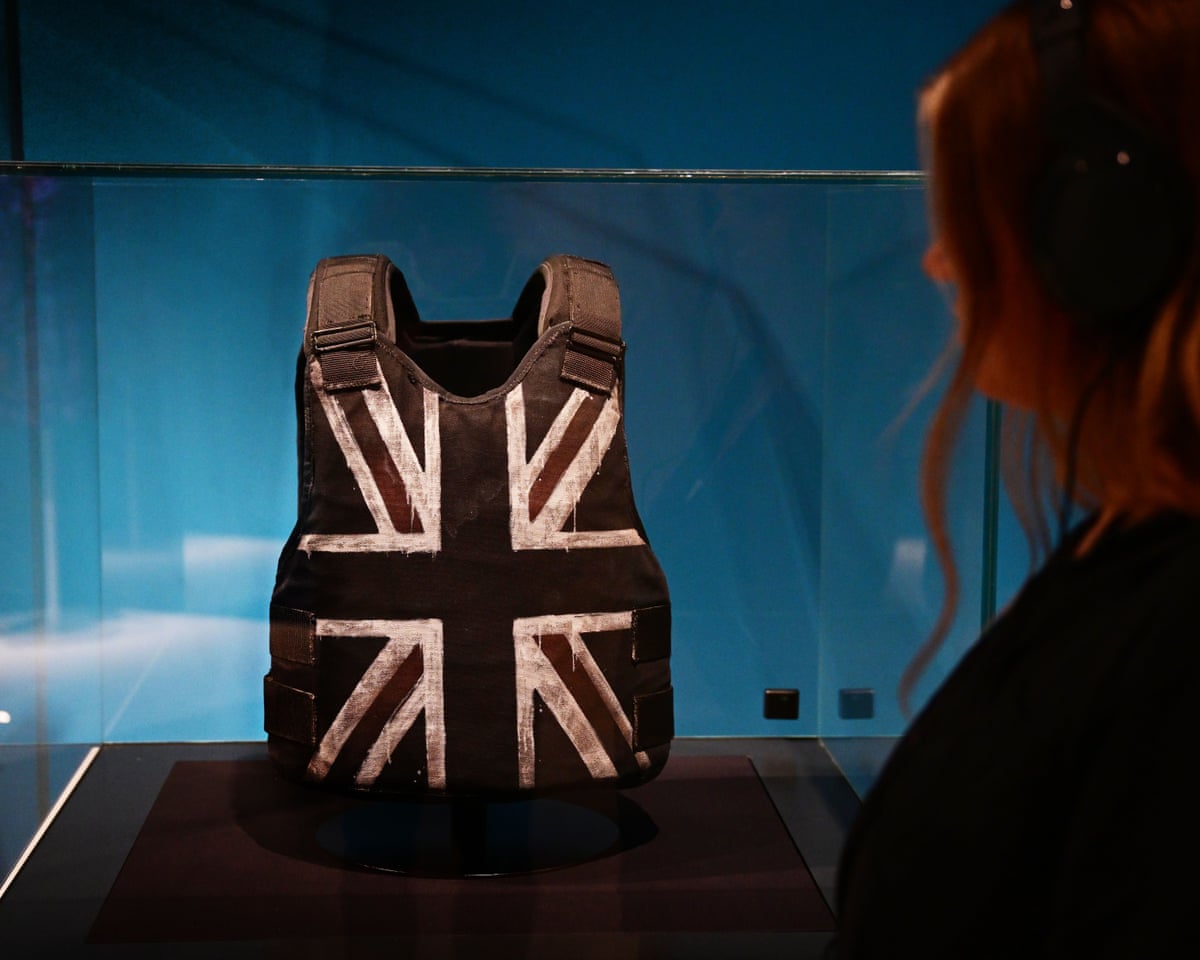
Introduction to The Music is Black Exhibition
Jacqueline Springer stands in the center of the V&A’s new exhibition space, observing a collection of garments that include a pair of drainpipe trousers, a tailored suit jacket, and a porkpie hat. These pieces together form the distinctive silhouette of Pauline Black, lead singer of the 2 Tone band the Selector.
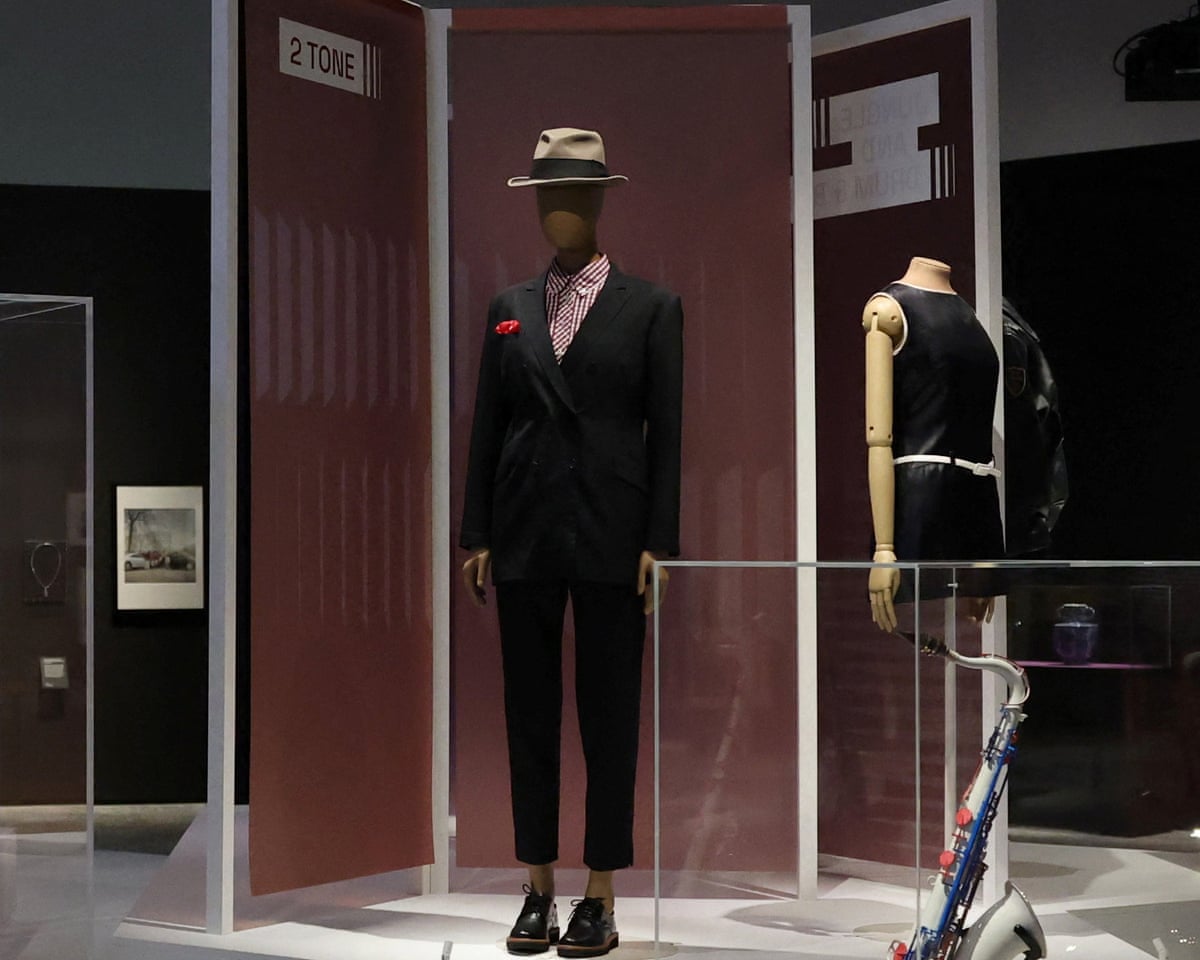
Springer, the curator of the V&A East’s inaugural exhibition titled The Music is Black, has developed a comprehensive survey of Black British music, which officially opens this weekend. The exhibition traces the evolution of Black British music from its roots in African drumbeats through to contemporary genres such as pop and drill, encompassing jungle, grime, garage, and two-tone along the way.
Curatorial Process and Collection
Over a span of three years, Springer, a former journalist turned academic and curator, has collected 200 items for the exhibition. Many of these have been acquired permanently by the museum, although some, including Pauline Black’s outfit, remain on loan. Springer humorously notes the challenge of retaining such pieces, stating
“She wants them back,”reflecting the ongoing negotiations with artists.
Despite some items being temporary loans, Springer emphasizes that the exhibition aims to create a lasting impact. She views it as a significant institutional endorsement of Black British music, stating:
“Institutionally, it’s an endorsement. The V&A has recognised that black music is worthy of this kind of coverage.”
Context Within Black British Music Exhibitions
The Music is Black builds upon a lineage of exhibitions dedicated to Black British music. Previous notable shows include the British Library’s Black Sound and the Barbican’s survey of Black music. In 2022, Sonia Boyce’s Feeling Her Way, which won the Golden Lion award, focused on Black female voices, while Tate Modern’s Soul of a Nation explored themes echoed in the V&A East exhibition. Springer acknowledges these earlier exhibitions but asserts that this new show is presented on a much larger scale:
“This is writ large.”
Scale and Significance of the Exhibition
The exhibition’s scope and scale surpass previous efforts. The 200 items range from a drum sculpture by an unnamed artist to a contemporary piece by Turner Prize nominee Rene Matić, all curated with the V&A’s characteristic attention to detail. This approach places the collection alongside the museum’s recent major exhibitions, such as its acclaimed David Bowie Is show.
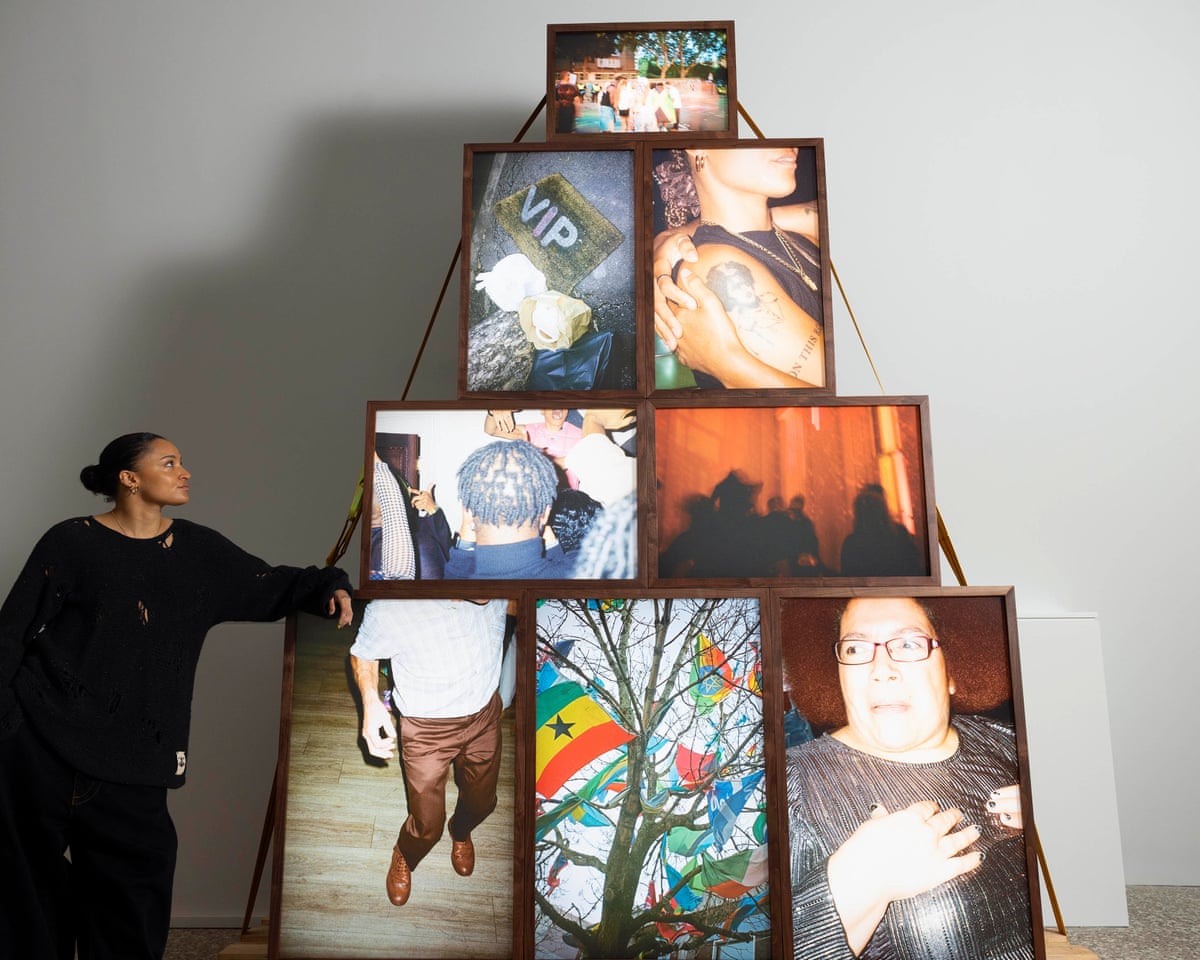
Outside the museum, there has been a noticeable shift in recognition of Black British music. The MOBO awards have gained prominence; Black artists including Stormzy, Skepta, and Sault have dominated the Brit Awards; and recent research has revealed that Black music has accounted for a significant portion of the £4.5 billion generated by the UK music industry over the past 30 years.

Institutional Vision and Cultural Repositioning
Gus Casely-Hayford, artistic director of V&A East, describes The Music is Black as part of a broader initiative to reposition Black British music as central to the UK’s cultural narrative. He explains:
“What happens so often is that British music is presented as important but marginal. What we have tried to do here is say this is our story, and it’s one of our major contributions to the world.”
V&A East and Its Expanding Presence
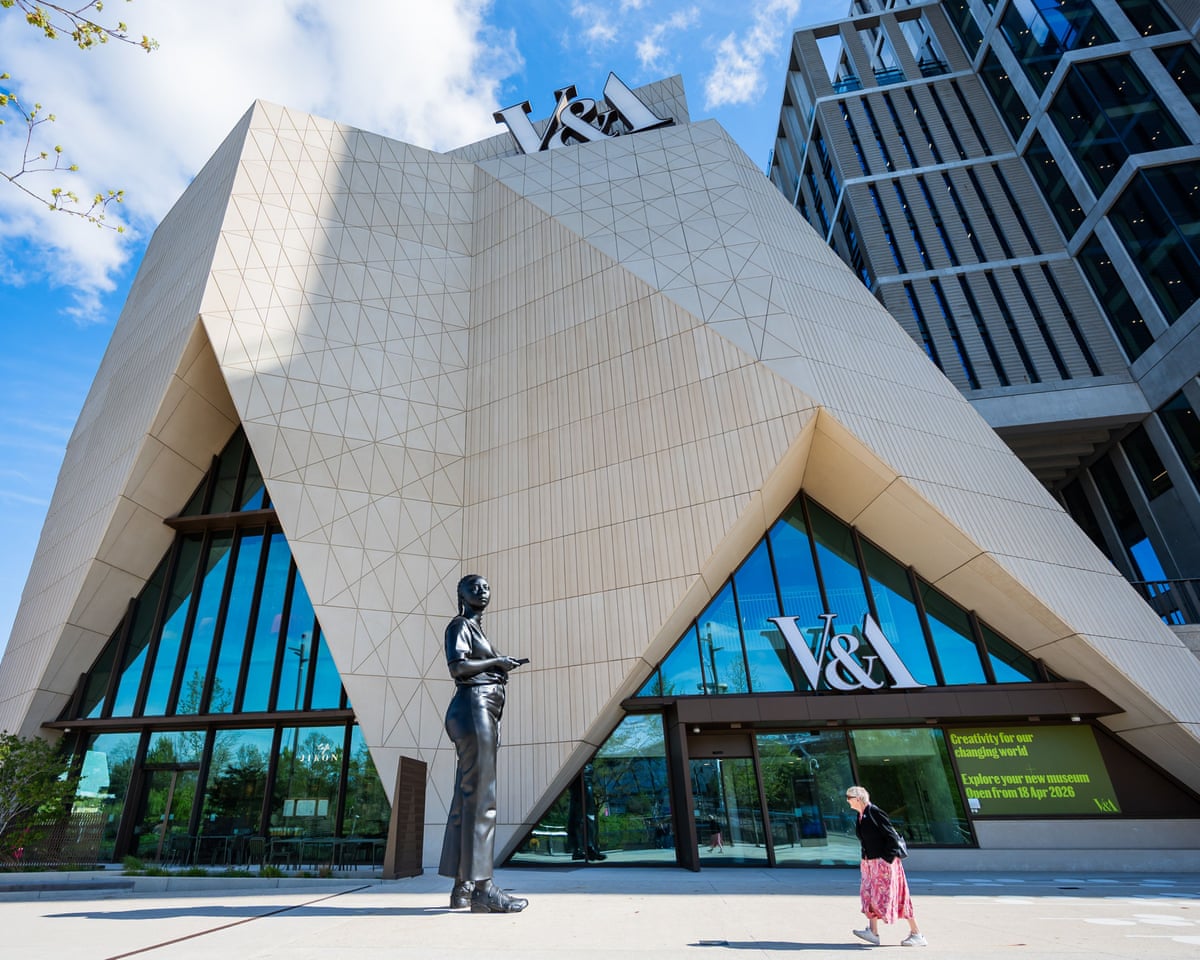
The exhibition marks the opening of V&A East, the newest extension of the Victoria and Albert Museum, which continues to expand its footprint. V&A East is located in Stratford, adjacent to the Storehouse and Young V&A in Bethnal Green. Further north, V&A Dundee, which opened in 2018, has also contributed to the institution’s growing network.
The Stratford building, designed by O’Donnell & Tuomey, is described by its architects as a “protective jacket.” However, the design has sparked mixed reactions, with some critics labeling it “ugly” and “perverse,” and comparing it unfavorably to a car park, while others have praised it as a triumph.
Challenges Amidst Expansion
Despite the excitement surrounding the opening, economic realities have tempered the celebrations. Campaign groups have issued an open letter to V&A director Tristram Hunt, demanding that all museum workers receive a living wage. The letter has garnered over 21,000 signatures to date.
Public Reception and Highlights
Nonetheless, the official launch events on Tuesday and Wednesday attracted hundreds of visitors, with long queues forming outside the museum. Among attendees was Karen Gabay, a DJ and journalist from Manchester, who praised the exhibition’s focus on giving recognition to overlooked figures. She highlighted the inclusion of Hewan Clarke, the original Haçienda resident DJ, whose Blue Spot radiogram has been acquired by the V&A’s collection.
Gabay recounted a conversation with Norman Jay at the launch party, noting:
“There aren’t that many household names here, but there are a lot of pioneers.”
Looking Forward
The V&A aims for its latest expansion and inaugural exhibition at V&A East to be similarly innovative and influential in reshaping the cultural narrative around Black British music.