Early Career and Rise to Fame
Dame Penelope Keith earned widespread acclaim as one of Britain's most beloved comedy actresses, notably for her distinctive portrayal of Margo Leadbetter in the 1970s sitcom The Good Life, among other significant roles.
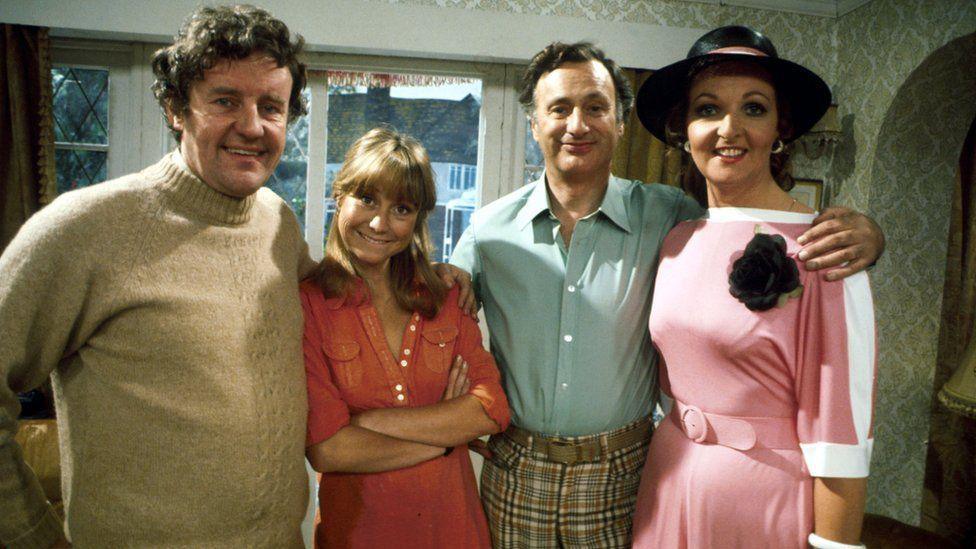
As Margo, the formidable social-climbing snob with a refined voice yet a gentle heart, Keith secured a lasting place in the nation's affection.
Her transition to the subsequent comedy success To the Manor Born, where she played the quintessential aristocrat Audrey fforbes-Hamilton, was seamless and well-received.
Career Highlights and Recognition
Keith featured in several other sitcoms before later hosting programs centered on her passion for the British countryside.
Beginning her career in the late 1950s, she maintained a strong connection to theatre, performing extensively across the UK.
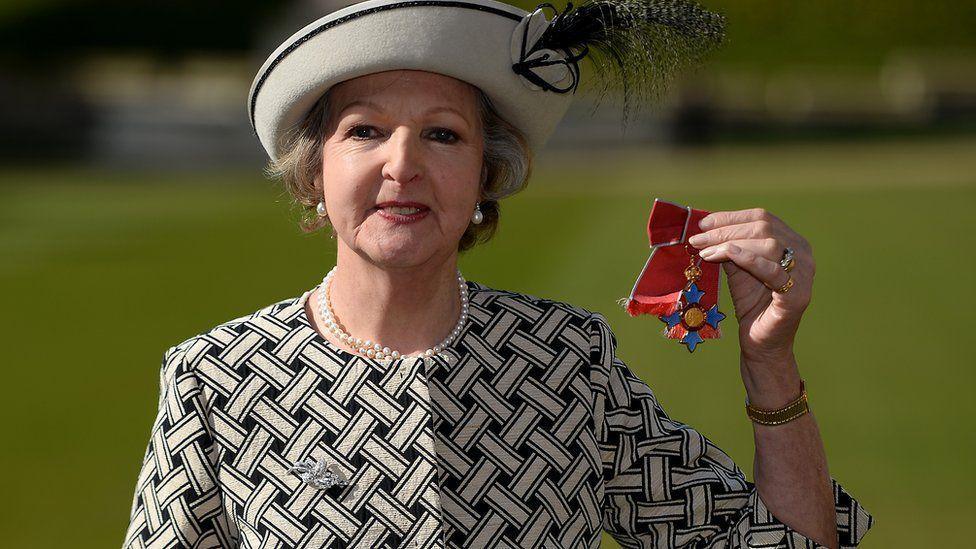
Her contributions to entertainment and charity earned her numerous accolades, including TV BAFTAs, an Olivier Award, an OBE, a CBE, and ultimately a damehood in 2013. Additionally, a rose was named in her honor.
In an interview with the Daily Mail, she reflected on her dedication to comedy:
"Humour is power and a force for good because if you can laugh, particularly at yourself, you are some way to being able to make sense of things," she said.
Background and Personal Life
Despite her polished voice contributing to her success, it belied her modest origins. Born Penelope Hatfield in Sutton, Surrey, in 1940, she was raised in Clapham, south London, during World War II.
Her mother, Connie, worked as a hotel child entertainment organiser and was frequently away, so Penelope spent much of her childhood with her grandparents.
Her father left when she was very young. Although her mother remarried and Penelope took her stepfather's surname, she seldom spoke about him.
At age six, she attended a boarding school run by nuns, where performing arts and elocution lessons were encouraged, marking a happy period for the aspiring actress.
"I apparently came home from school one day and sat in the bath and said to my mother that when I grow older I was going to be either a nun or an actress," she told chat show host Michael Parkinson in 1977.
"She was a bit taken aback and said, 'Darling, nuns can't wear pretty clothes'. So I said, 'Well, I'll be an actress then.'"
Challenges and Early Roles
In the professional world, her height of 5'10", which had been advantageous in school, became a challenge. The Royal Academy of Dramatic Art (RADA) rejected her for being too tall, though she was accepted at the Webber-Douglas Academy of Dramatic Art, where tutors noted her limitations.
"I was very tall and very plain; I think this is where the comedy came from because I wasn't going to get very far on my looks. So I thought I'd better be the 'gag girl'," she told Parkinson.
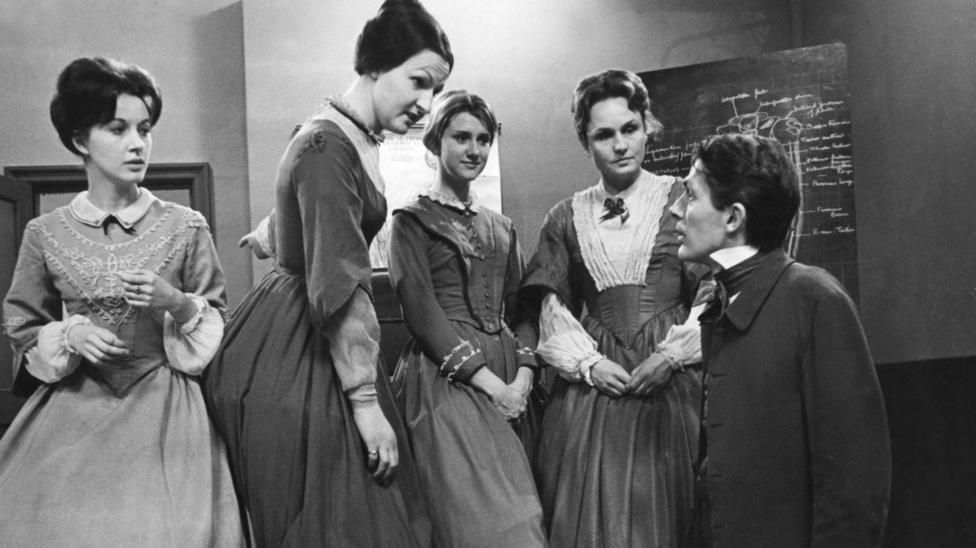
She gained experience in repertory theatre and with the Royal Shakespeare Company, often cast in supporting roles due to her height.
"It meant I had a good bash at all the character parts from 19 to 90, so one broadened one's range," she recalled in the 2000 TV tribute Lady of the Manor.
Her work included radio plays and appearances in popular TV shows such as The Avengers. She was eventually noticed in Thames TV's Hadley.
Breakthrough and The Good Life
This exposure led to her own series Kate (1970-72), where she portrayed a ruthless magazine editor, earning her the nickname "Penelope, the woman you love to hate" in the TV Times.
Her major breakthrough came in 1975 with The Good Life, a sitcom about suburban neighbours whose lifestyles diverge when one couple chooses self-sufficiency.
Initially, the central characters were the Goods, played by Richard Briers and Felicity Kendal, with Margo, wife to Jerry Leadbetter (Paul Eddington), a peripheral character whose voice was only heard in the first episode.
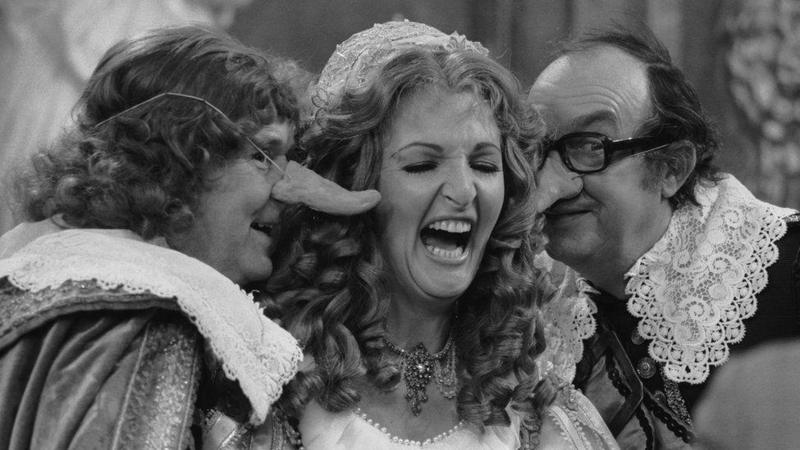
John Howard Davies, then head of BBC comedy, noted in Lady of the Manor that Keith's role "grew and grew because she took a very firm grip on the character from the outset." The more exasperating Margo became, the more the audience was drawn to her.
When asked by Parkinson if Margo was a "bitch," Keith responded: "She has a heart of gold but says a lot of the things we'd like to say ourselves."
Keith believed Margo represented the "silent majority," as the character expressed in the episode Just My Bill.
Personal Milestones and Awards
1977 was a significant year for Keith. She won her first BAFTA for The Good Life, appeared on the prestigious Morecambe and Wise Christmas special, and met her future husband, policeman Rodney Timson.
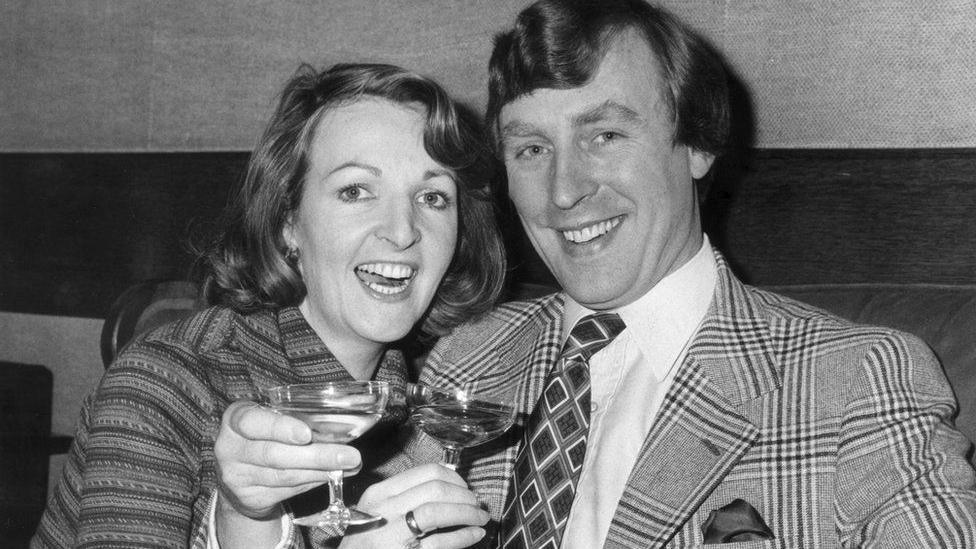

Timson, eight years her junior and twice divorced, met Keith during a play in Chichester. After their 1978 marriage, he left the police force to become her manager.
Despite speculation about their relationship, the couple remained happily married. In a 2007 Daily Mail interview, Keith stated:
"Lots of people who said I was making a mistake have divorced in the time we've been married, and we are still very happy."
"I don't think I was desperate to find somebody. I certainly hope not. I was frightfully busy with work."
They adopted twin brothers ten years after their marriage.
Further Success with To The Manor Born
In 1978, Keith won her second BAFTA for a television adaptation of Alan Ayckbourn's three-part comedy The Norman Conquests, a play she was performing with Felicity Kendal when Richard Briers suggested they would be ideal for the roles of Margo and Barbara.
Her next major TV success was To The Manor Born (1979), where she starred alongside Peter Bowles. The sitcom featured Audrey fforbes-Hamilton, who, after her husband's death left her in debt, had to relinquish her country estate to the nouveau-riche supermarket tycoon Richard DeVere (Bowles).
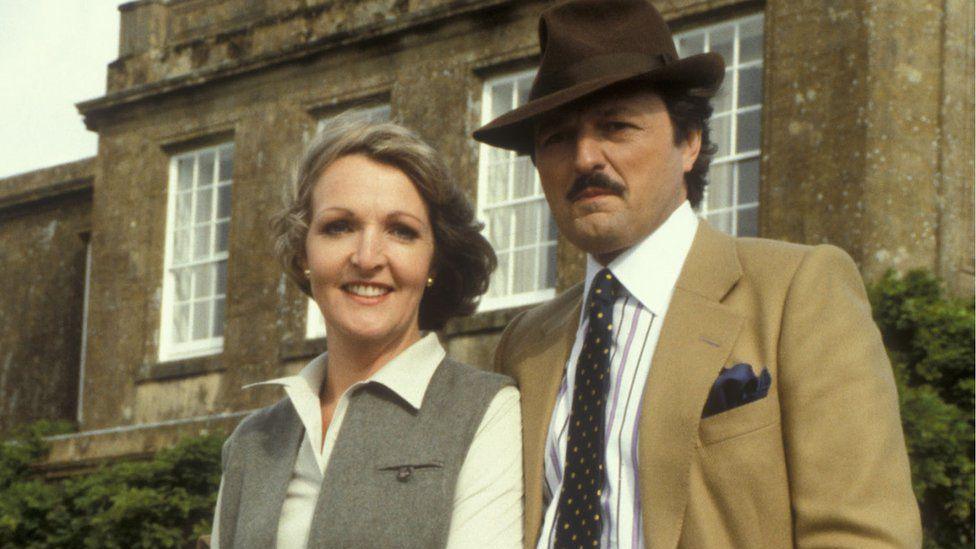
The "will they, won't they" dynamic between Audrey and Richard captivated viewers, with the final 1981 episode, in which they married, attracting nearly 25 million viewers.
The show ran for three series, was later adapted for radio, and celebrated its 25th anniversary with a Christmas special in 2007.
Later Television and Theatre Work
Following To The Manor Born, Keith continued her theatre work in plays such as Noel Coward's Hay Fever, before returning to television sitcoms.
She starred in six sitcoms with varied roles, including a Labour MP in No Job For A Lady, a wife hiding her marriage in Executive Stress (again with Peter Bowles), and a barrister in Law And Disorder.
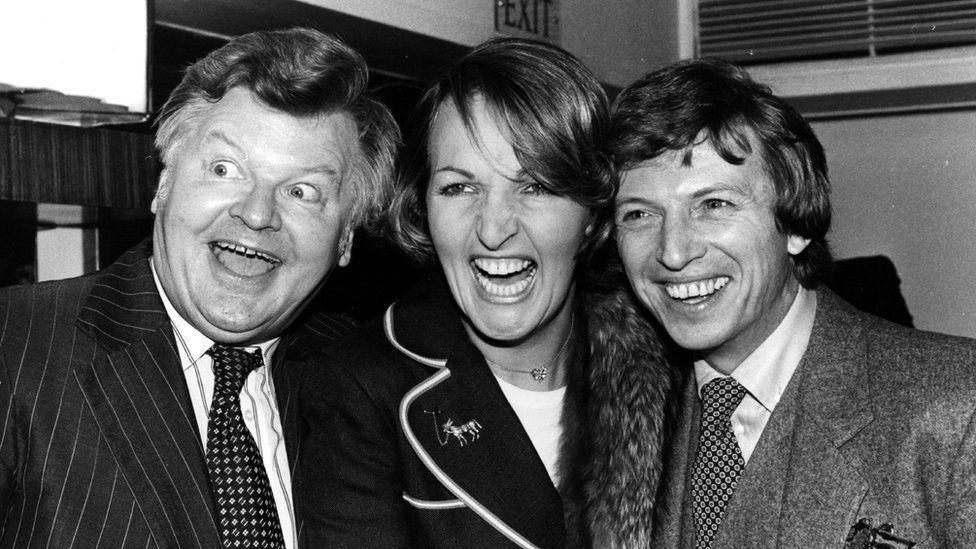
Some of these shows had mixed success. Sweet Sixteen (1983), in which Keith's character becomes pregnant by a much younger man, was not well received and was cancelled. John Howard Davies commented that it was "too ahead of its time."
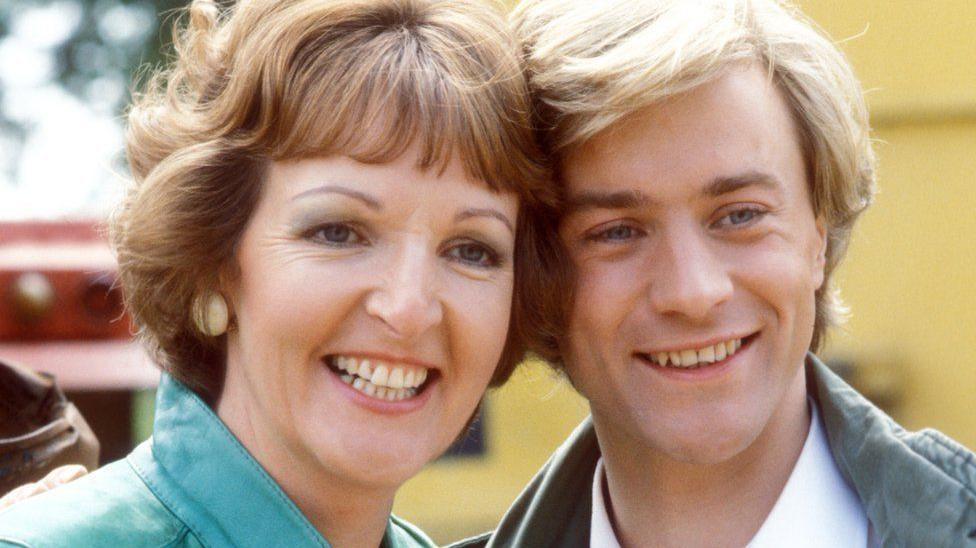
In 1995, she starred in Next Of Kin as Maggie Prentice, a grandmother who reluctantly takes in her orphaned grandchildren after her estranged son's death. The Independent criticized the show upon its second season, stating it "would never have made it to a first" had critics been more attentive. The series lasted two seasons before cancellation.
Except for the 2003 one-off comedy drama Margery and Gladys co-starring June Brown from EastEnders, Keith's television comedy career paused.
Focus on Theatre and Later Projects
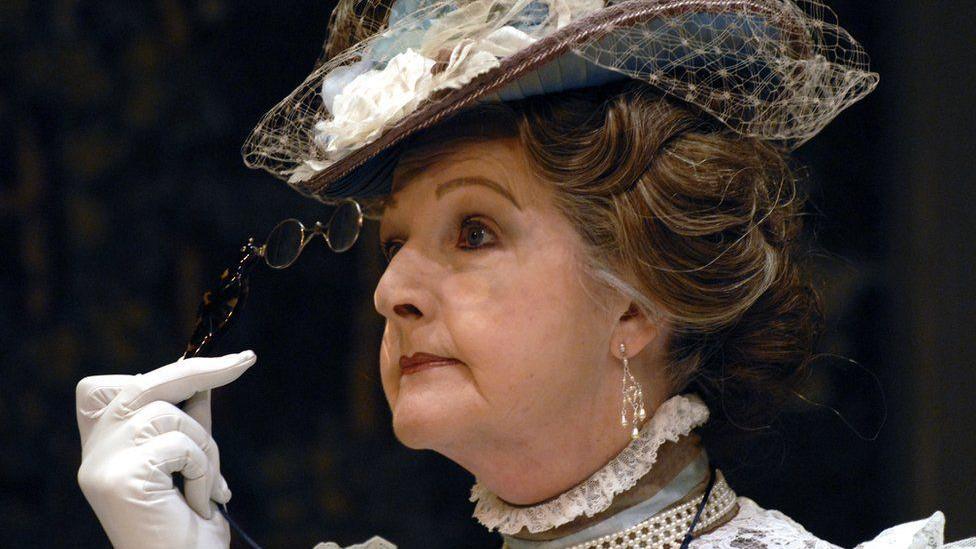
She concentrated on theatre, particularly comedy classics by Noel Coward and Oscar Wilde.
In 2010, Keith told The Telegraph that reuniting with Peter Bowles in The Rivals was like "putting on an old glove."
Charity, Public Service, and Later Television Work
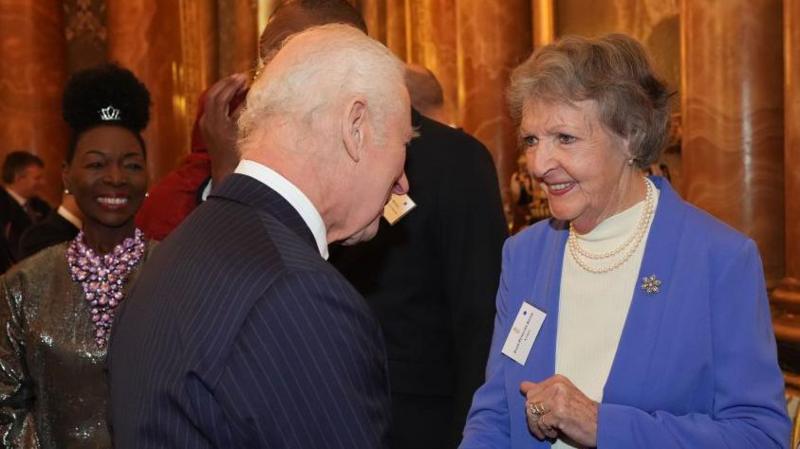
Outside acting, Keith devoted significant time to public causes. Her OBE was elevated to a CBE in 2007 in recognition of her charitable work.
She was a keen supporter of the British armed forces and served on the Human Fertilisation and Embryology Authority for six years from its inception in 1990, playing a key role in decisions regarding fertility treatments.
Her involvement with the National Trust and tenure as High Sheriff of Surrey, where she resided, reflected her interest in the British countryside.
In 2014, she returned to television presenting with three series of Penelope Keith's Hidden Villages, as well as programs exploring coastal villages and a search for Village of the Year.
Even into her 80s, she appeared alongside Alan Titchmarsh on the gardening show Love Your Weekend and hosted a Channel Four series about preserving country houses.
She served as president of the Actors' Benevolent Fund from 1990 until 2022, succeeding Lord Olivier. However, her presidency ended contentiously when she and her supporters were replaced by a rival group, resulting in prolonged legal disputes.
Legacy
Reflecting on her career, former The Good Life co-star Richard Briers encapsulated Keith's lasting appeal:
"As Margo, she would go down in the hall of fame, in fact I think she will be remembered forever."