Route 66 Celebrates Its Centenary
The United States’ most renowned highway, Route 66, marks its 100th anniversary. Stretching approximately 2,400 miles, the historic road traverses eight states and three time zones, connecting Chicago to Los Angeles.
Known as the Mother Road, a term coined by author John Steinbeck, Route 66 has transformed over the decades. Initially a path for impoverished farmers escaping the Dust Bowl of the 1930s, it has become emblematic of the classic American road trip, continuing to captivate travelers.
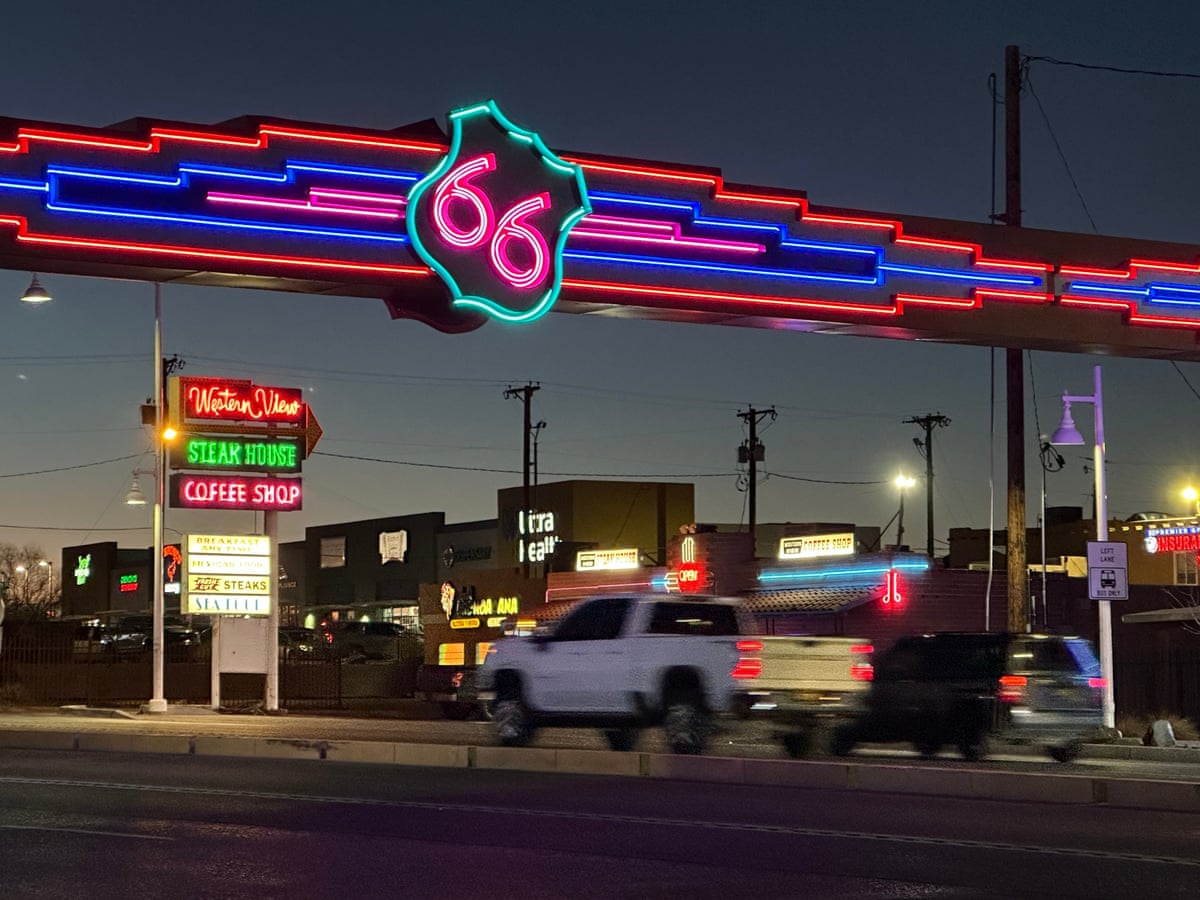
While faster and more direct highways now connect the nation’s second and third largest cities, Route 66’s iconic neon signs remain illuminated, inviting visitors to vintage motor lodges, classic diners, and unique roadside attractions.
Traffic passes under a neon Route 66 sign at the west end of Albuquerque, New Mexico. Photograph: Susan Montoya Bryan
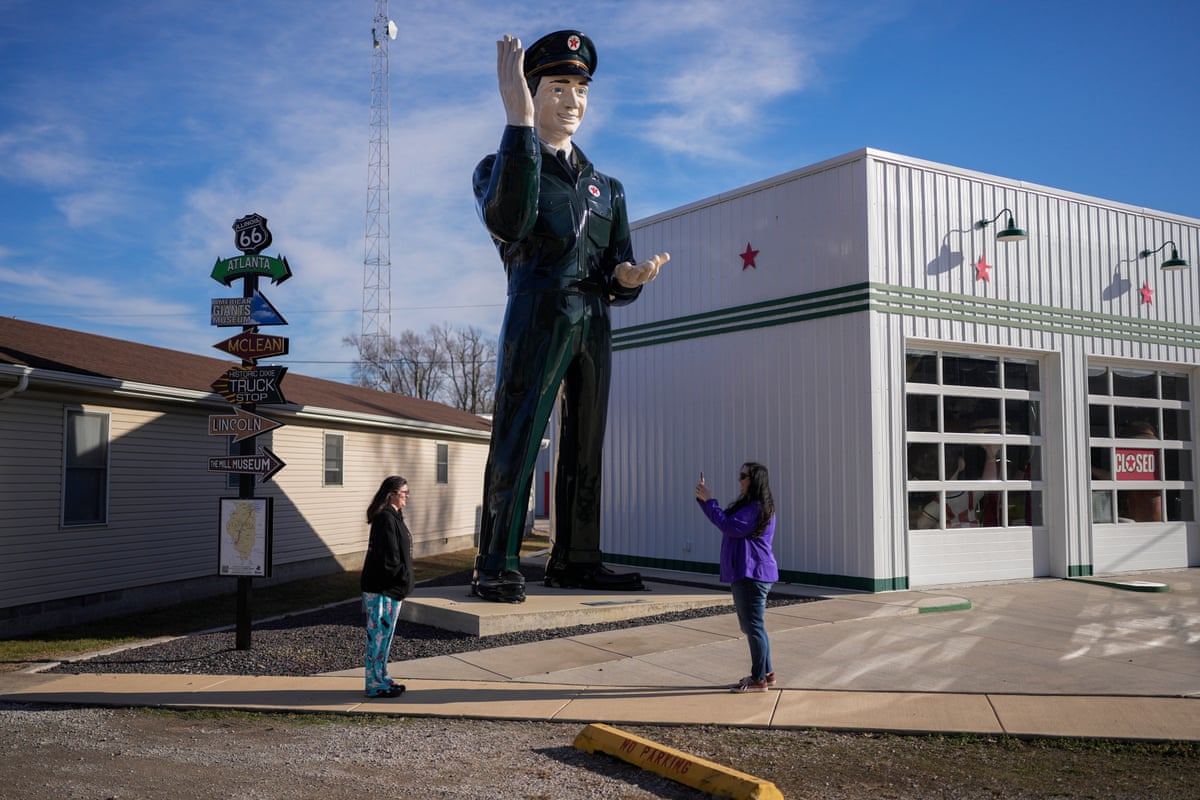
Each stop along the route sparks imagination, encouraging travelers to reflect on the lives and communities that have animated the highway over the years.
Visitors at the American Giants Museum in Atlanta, Illinois. Photograph: Erin Hooley
Origins and Significance
Chicago has long been a major economic hub in the United States, with access to international waterways and railroads linking the country. In the 1920s, Cyrus Avery, an Oklahoma businessman known as the “father of Route 66,” anticipated the rise of automobile travel and identified Chicago as the ideal starting point for the highway he envisioned.
As a member of the federal highway board tasked with mapping the US highway system, Avery selected the number 66, recognizing its marketing potential and memorability for motorists.
Culinary Attractions Along the Route
For many travelers, the appeal of Route 66 lies as much in its food offerings as its scenery. The route features an array of dining options including homemade pies, thick milkshakes, cheeseburgers, and various fried specialties.
Clockwise from top left: customers have lunch at the Cozy Dog Drive In in Springfield; a customer picks up their order at the Cozy Dog; lunch at the Twistee Treat Diner, a 50s-style diner and ice-cream shop in Livingston; pins placed by visitors on a map at the Twistee Treat. Photographs: Jeff Roberson

The Cozy Dog Drive In in Springfield, Illinois, is among the many diners established along Route 66. Its signature breaded hotdogs on a stick have remained popular over generations.
Josh Waldmire, the third-generation owner, states,"The recipe is a secret."
His grandfather, Ed Waldmire, recognized the potential of this fast and convenient road food and developed a method for frying the hotdogs vertically.
Unique Engineering and Roadside Attractions
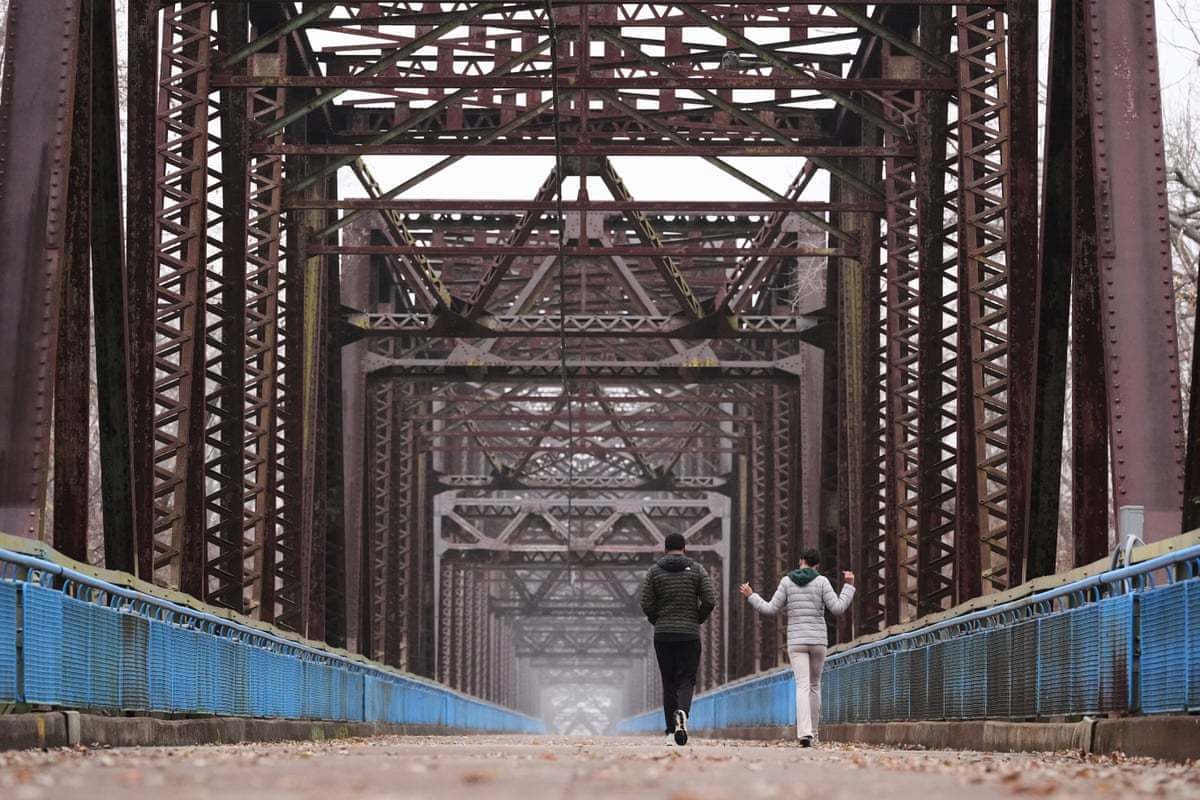
Route 66 features several twists and turns, including the distinctive Chain of Rocks Bridge over the Mississippi River near St. Louis. This mile-long (1.6 km) bridge rises over 60 feet (18 meters) above the river and includes a 22-degree bend mid-span.
Though a newer, straighter bridge was constructed for modern traffic, the original Chain of Rocks Bridge was preserved due to poor resale value and is now dedicated to pedestrians and cyclists as part of the Route 66 Bikeway.
The Route 66 Neon Park inside George M Reed Roadside Park along Route 66 in St Robert. Photograph: Jeff Roberson
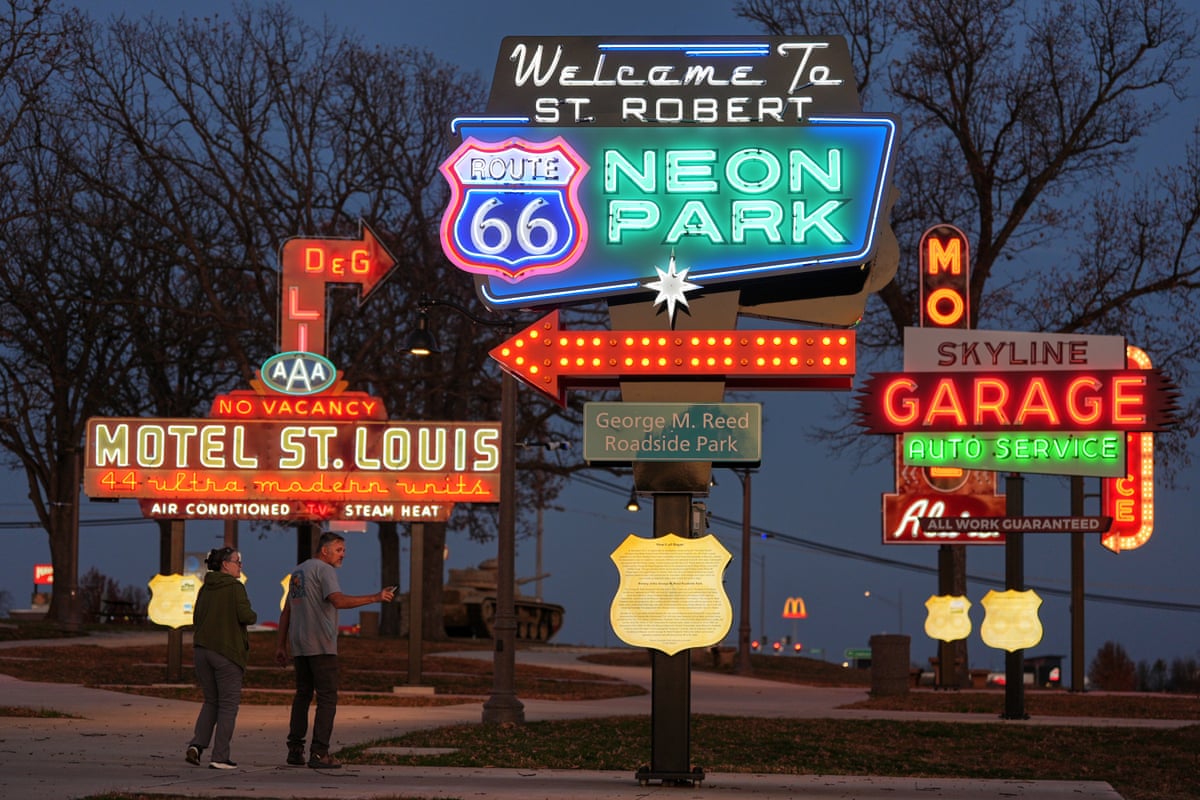
The Route 66 Neon Park in St Robert, Missouri, displays orphaned neon signs that once attracted travelers to motels, cafes, and gas stations. These handcrafted signs served as both business markers and folk art, reflecting local culture.
The Chain of Rocks Bridge spanning the Mississippi River from Illinois to Missouri, now closed to traffic and part of the Route 66 Bikeway. Photograph: Jeff Roberson
Kansas and the Pixar Inspiration
Kansas hosts a brief but notable section of Route 66, including the Kan-O-Tex service station in Galena. This classic example of roadside architecture inspired the 2006 Pixar film Cars.
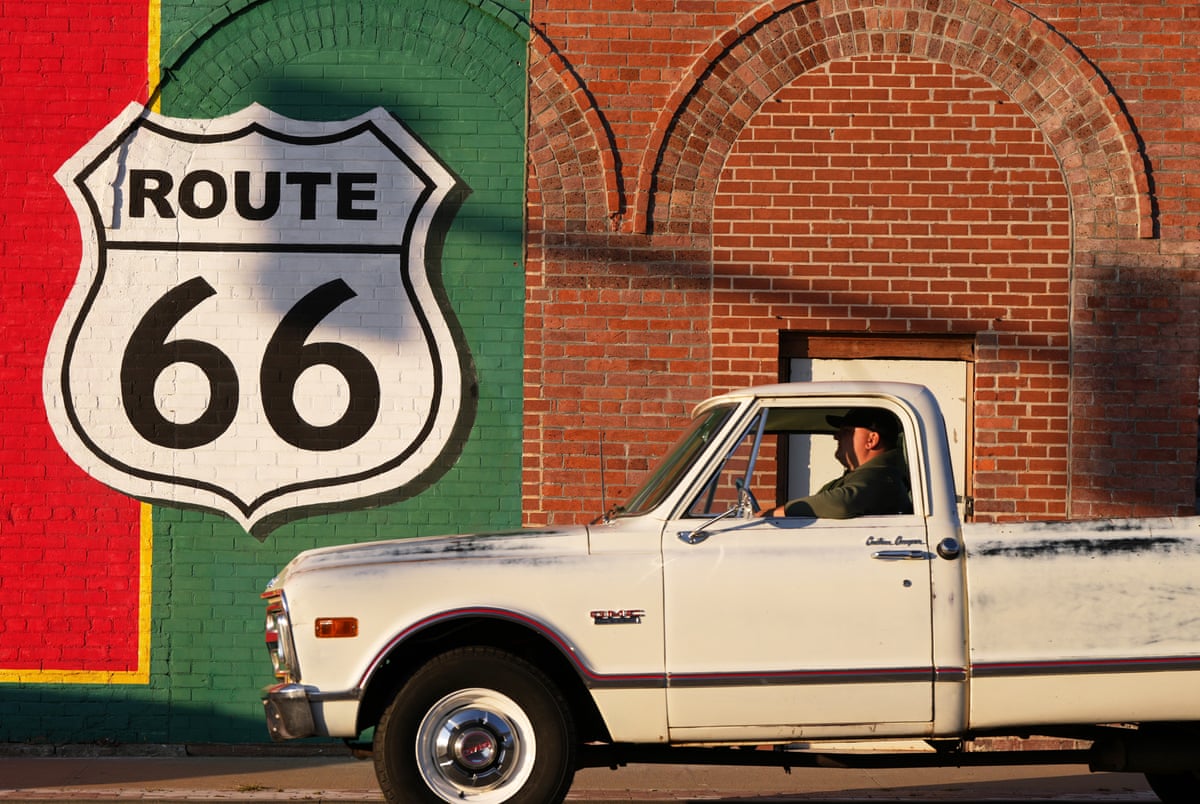
A motorist pulls up to a stop light in Galena. Photograph: Jeff Roberson
An old tow truck, which inspired the character Tow Mater in Cars, is displayed outside the restored Kan-O-Tex station, now known as the Cars on the Route attraction in Galena.
An old tow truck that was the inspiration for character Tow Mater in the Pixar movie Cars outside the restored Kan-O-Tex service station, now the Cars on the Route attraction, in Galena. Photograph: Jeff Roberson
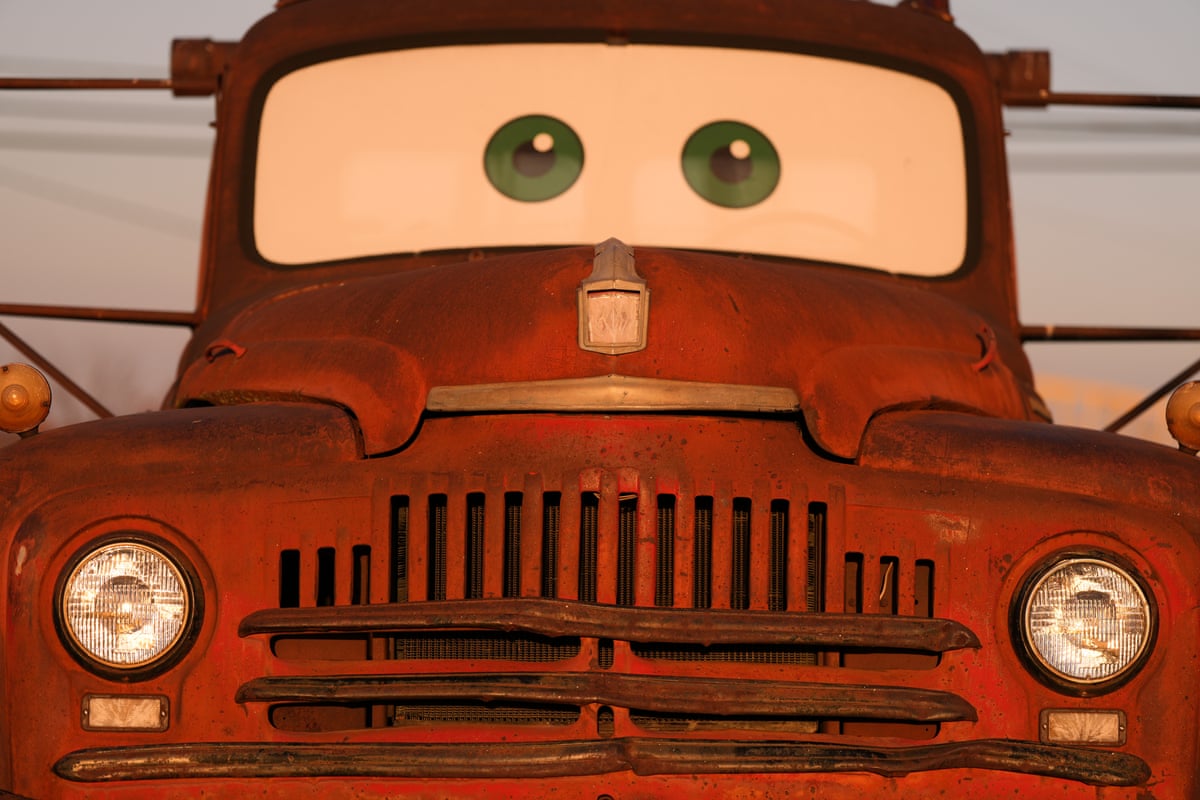
Director John Lasseter and his team traveled along Route 66 researching history and gathering inspiration. The boom truck in Galena served as a model for Tow Mater. The storyline of Cars reflects the fate of many towns like the fictional Radiator Springs, which declined after being bypassed by interstate highways.
Kansas also features the Brush Creek Bridge, known as the Rainbow Bridge, listed on the National Register of Historic Places. It is one of the few remaining concrete arched bridges designed by James Barney Marsh.
Historical Context and Black Motorists’ Experience
Traveling Route 66 posed dangers, especially for Black motorists during the Jim Crow era who faced segregation and inhospitable conditions. The Green Book, first published in 1936 by Victor Hugo Green, listed accommodations and services that welcomed Black travelers.
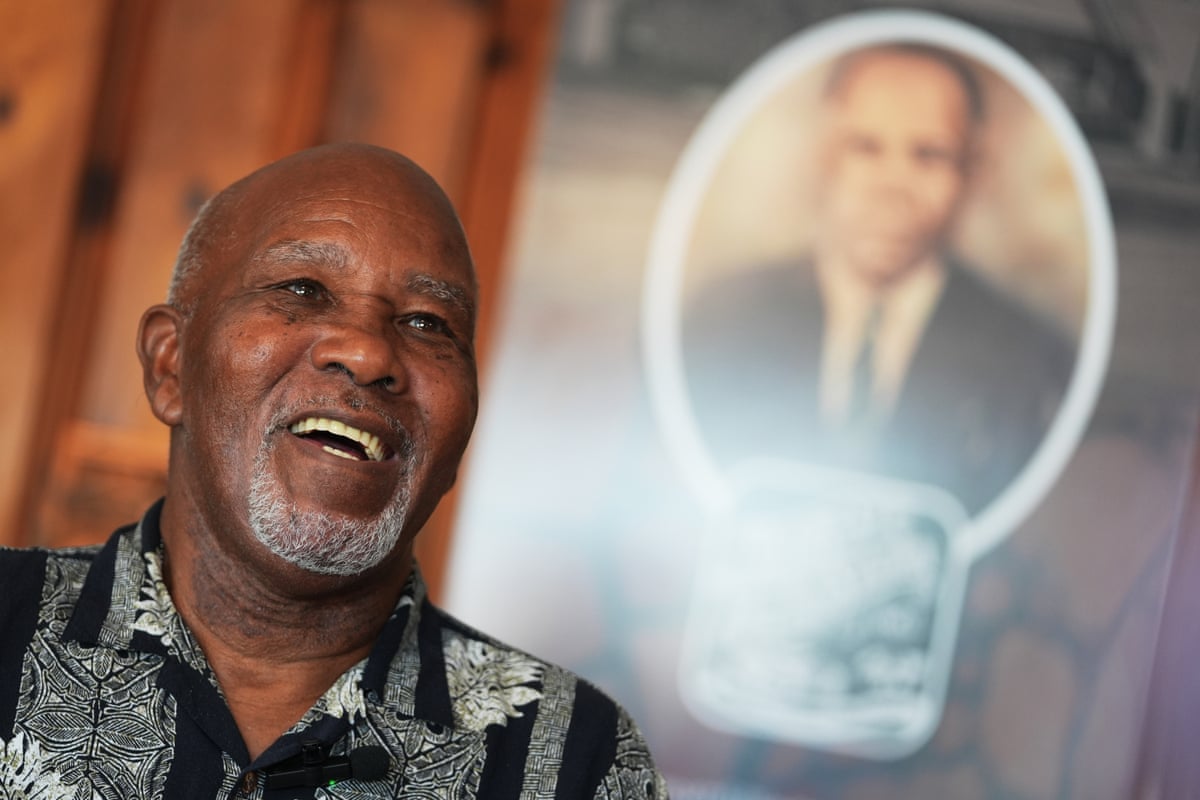
The Threatt filling station near Luther, Oklahoma, was not listed in the Green Book but served as a safe haven offering fuel, barbecue, and baseball. It is the only known Black-owned and -operated gas station along Route 66 and is listed on the National Register of Historic Places.
Edward Threatt in front of a photograph of his grandfather Allen Threatt Sr at the Threatt filling station in Luther. Photograph: Julio Cortez
Preserving Route 66’s Heritage
Despite numerous abandoned buildings and faded signs, Route 66’s enduring spirit is evident in places like the restored Tee Pee Drive-In theatre in Sapulpa, near Tulsa. This venue offers a glimpse into 1950s car culture when drive-in theaters flourished.

Built in 1949 and opened in spring 1950 with a screening of John Wayne’s Tycoon, the drive-in featured paved pathways, a rarity at the time. It survived a tornado, a fire destroying the concession stand, and break-ins before closing for over 20 years. It reopened in 2023.
Iconic Roadside Art and Dining
The Cadillac Ranch in Amarillo is a must-see roadside attraction. Since 1974, visitors have spray-painted ten vintage Cadillacs half-buried at a 60-degree angle, reflecting on the passage of time, a theme echoed in Bruce Springsteen’s 1980 song of the same name.
The Cadillac Ranch, a roadside attraction in Amarillo. Photograph: Julio Cortez
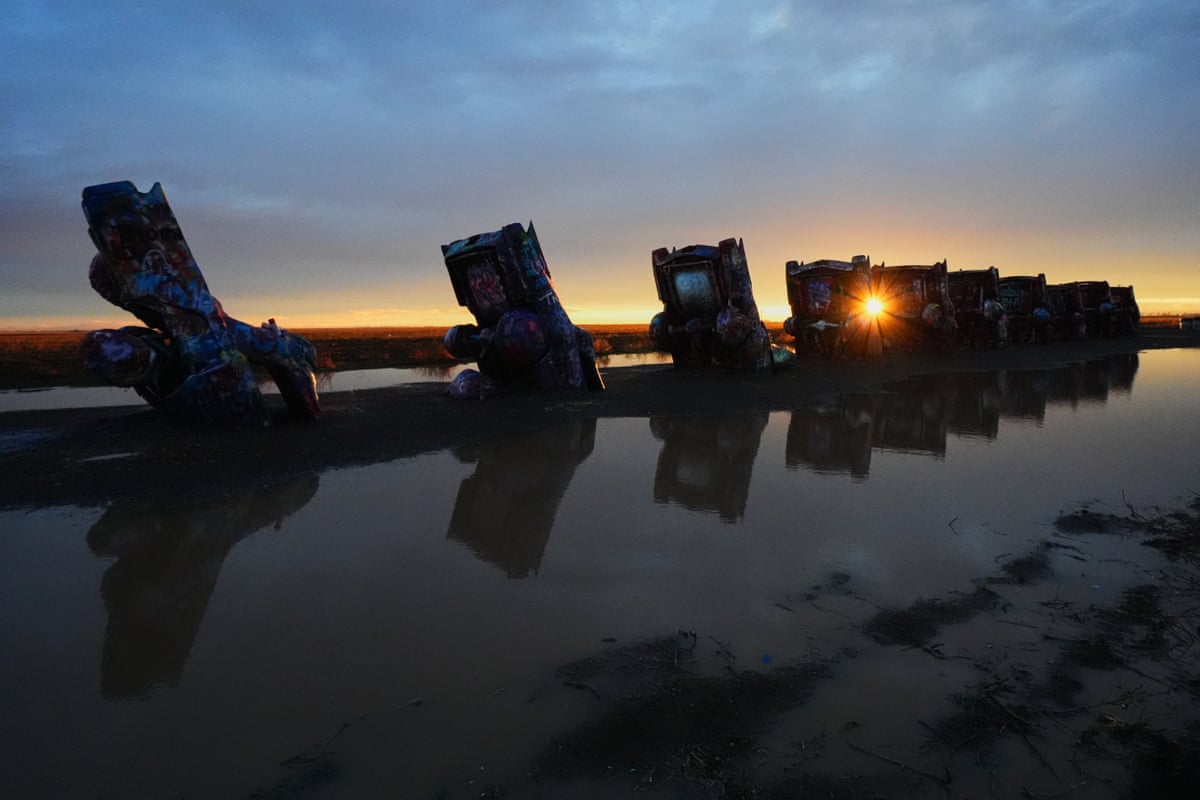
Originally created by the art collective Ant Farm, the cars were initially used for target practice and had initials scratched into them before spray-painting became popular.
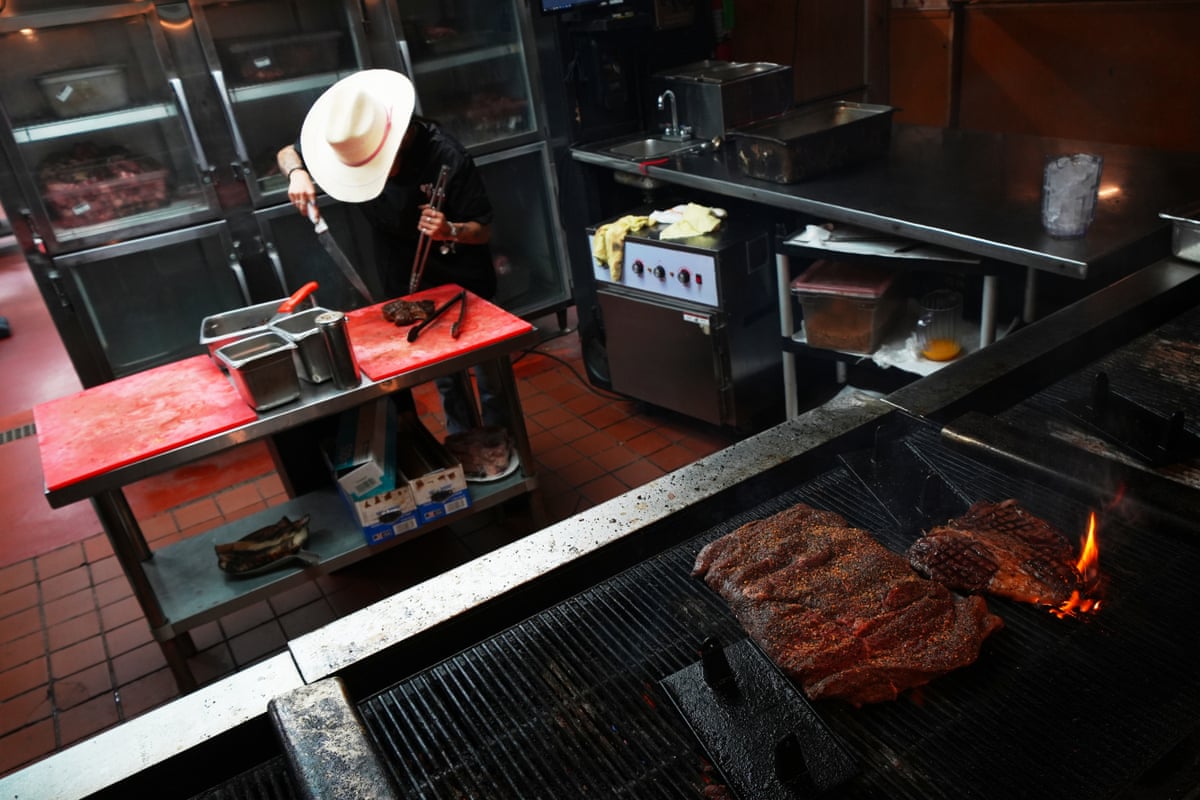
For those with a hearty appetite, the Big Texan Steak Ranch in Amarillo offers a 72oz (2kg) steak with sides. If consumed within an hour, the meal is free.
A cook prepares a 72oz steak at the Big Texan Steak Ranch in Amarillo. Photograph: Julio Cortez
Adrian, located at the midpoint of Route 66, features the Midway Cafe, known for its “ugly pies” that are highly regarded by visitors.
New Mexico Section
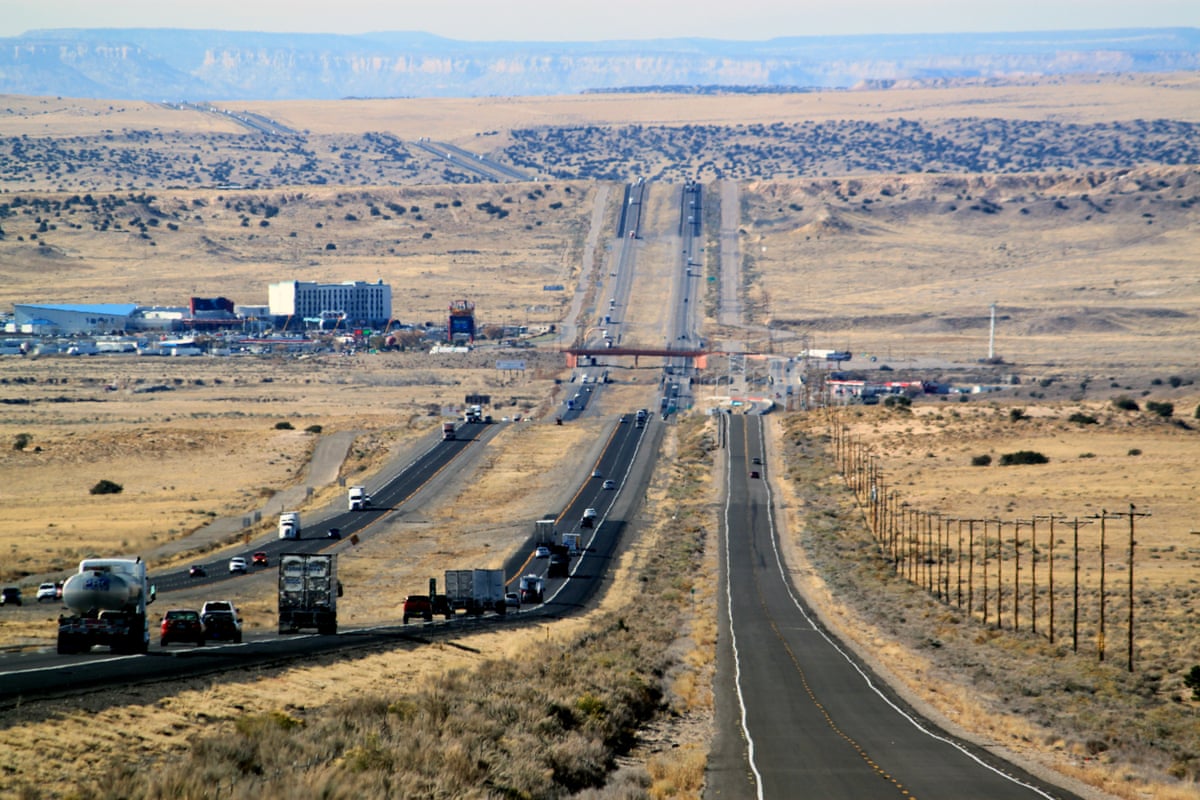
Over half of Route 66 passes through sovereign Native American lands, often following trails used by tribes long before settlers arrived. While the highway opened new commercial opportunities, it also perpetuated stereotypes through imagery such as tipis and feathered headdresses used in roadside marketing, which do not accurately represent the distinct Native American cultures.
A two-lane stretch of Route 66 runs along Interstate 40 near the Route 66 Casino hotel in Laguna Pueblo. Photograph: Susan Montoya Bryan
Today, Native American tribes share their own narratives and showcase their crafts, including pottery, fruit pies, and poetry.
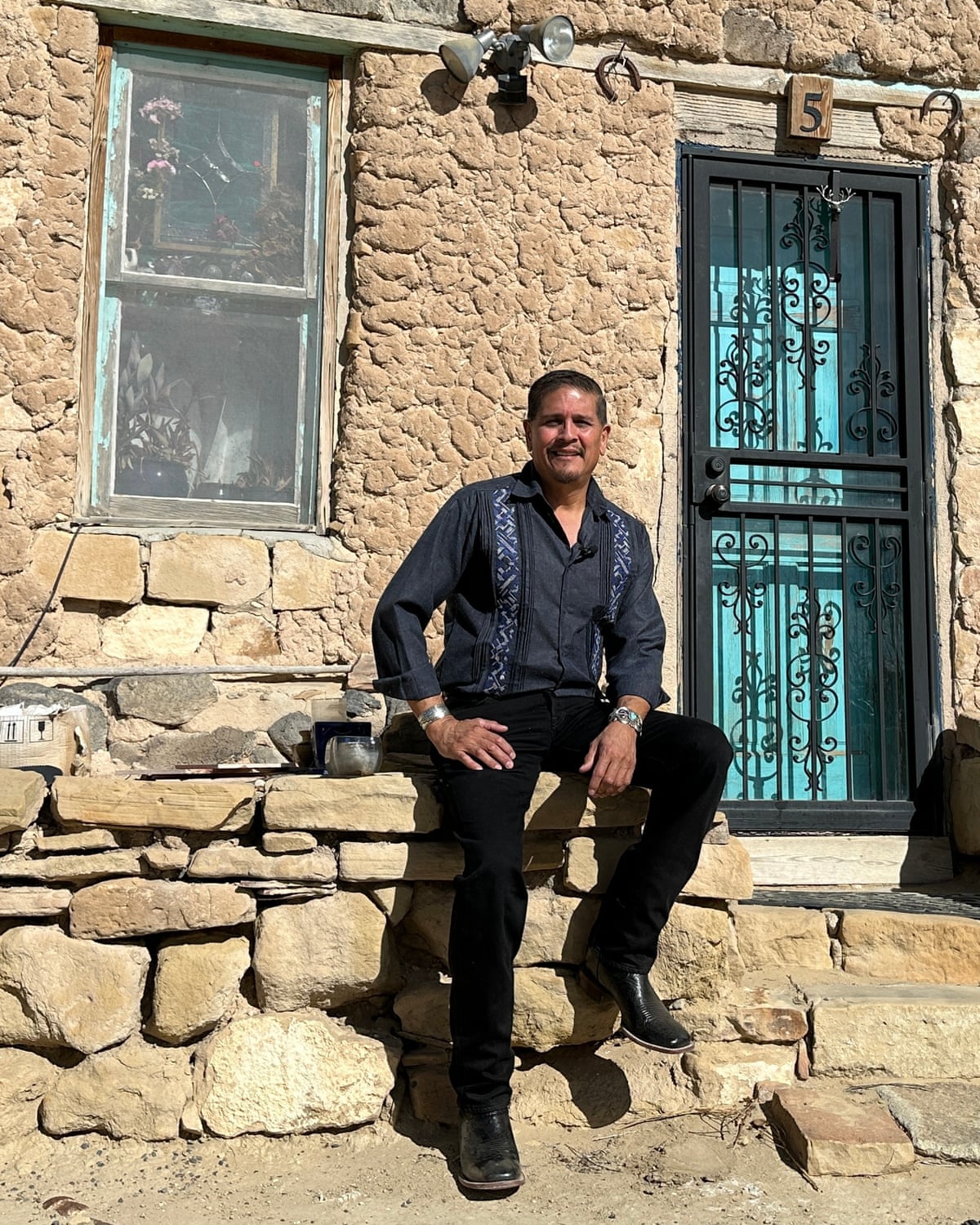
Above left: Max Early, a Laguna Pueblo artist and poet who wrote a poem about Route 66 passing through tribal lands, in front of his family home in Paguate. Above right: The neon sign of the Hiland Theatre, opened in 1950, on an urban stretch of Route 66 in Albuquerque. Photographs: Susan Montoya Bryan
Albuquerque contains the longest intact urban segment of Route 66, spanning 18 miles through various neighborhoods and commercial districts, from historic Old Town to Nob Hill.
Several old motor lodges and neon signs along Central Avenue have been restored, while others are reimagined using hubcaps, lowrider-inspired paint jobs, and New Mexico’s distinctive yellow and red license plates, reflecting the city’s ongoing car culture.
Musical Legacy and Winslow
The musician Jackson Browne’s car breaking down in Winslow in the early 1970s inspired the Eagles’ hit song “Take it Easy.” This is just one of many songs associated with Route 66.
Above left: Newlyweds from Syracuse, Kansas, on their honeymoon, pose outside a gift shop in Winslow. Above right: Route 66 buttons on display at the Wigwam motel, a landmark on the highway. Photographs: Jae C Hong
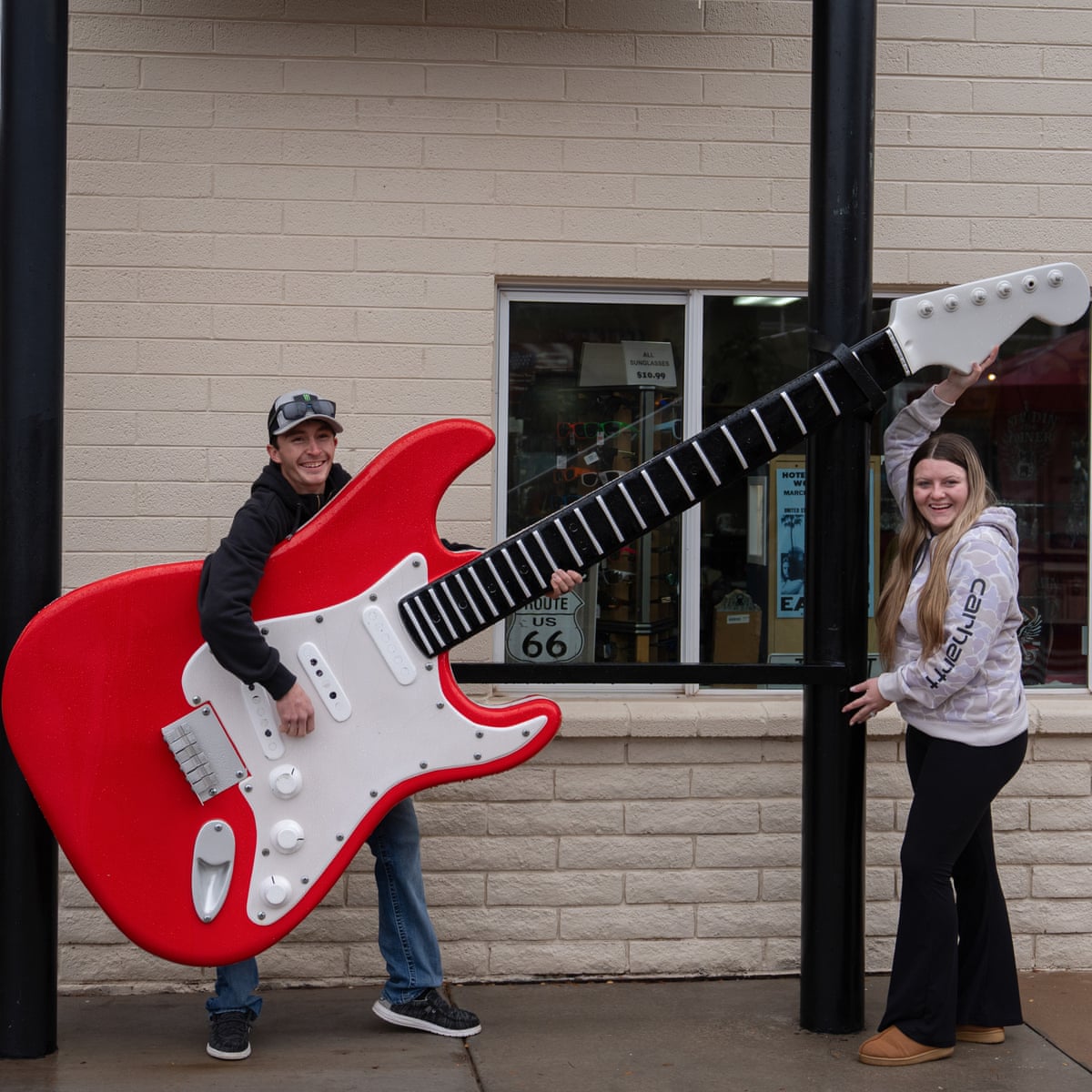
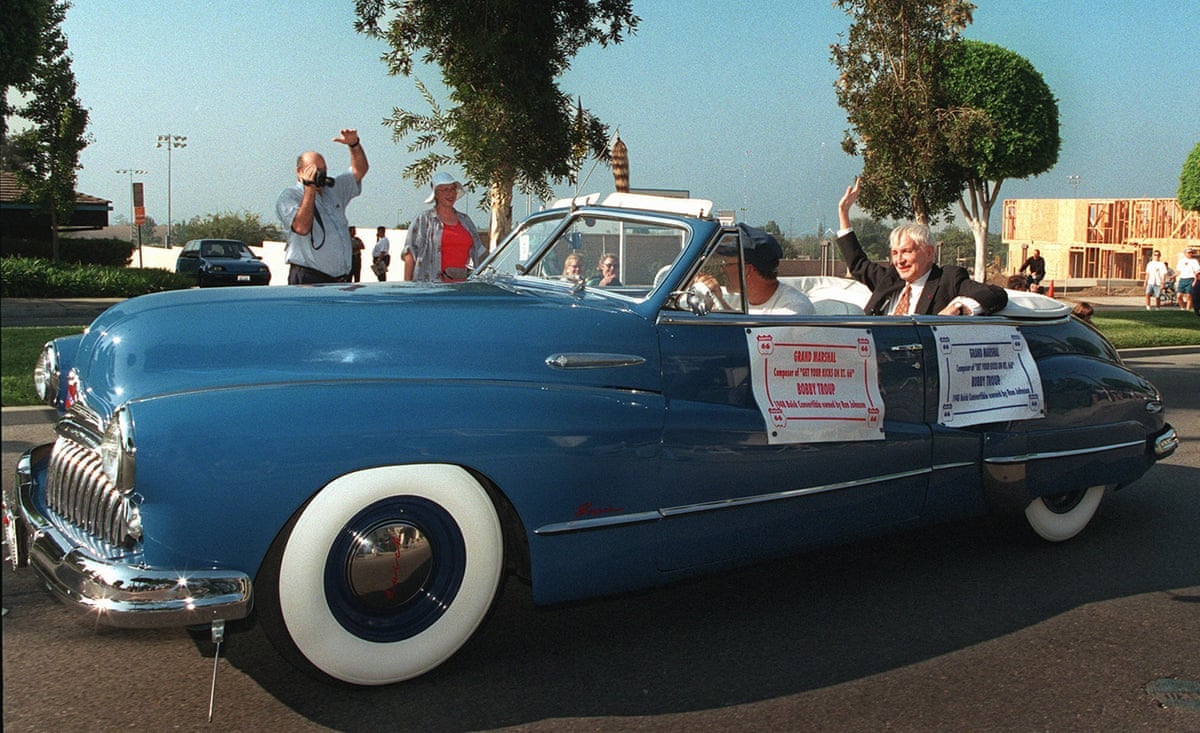
Bobby Troup composed the classic road anthem “(Get Your Kicks on) Route 66” in the 1940s. The song has been covered by artists such as Nat King Cole, Chuck Berry, the Rolling Stones, and Depeche Mode.
Visitors standing on a corner in Winslow may encounter musicians playing their own road trip favorites.
A donkey peeks into a souvenir shop along the Oatman Highway in Oatman. Photograph: Jae C Hong
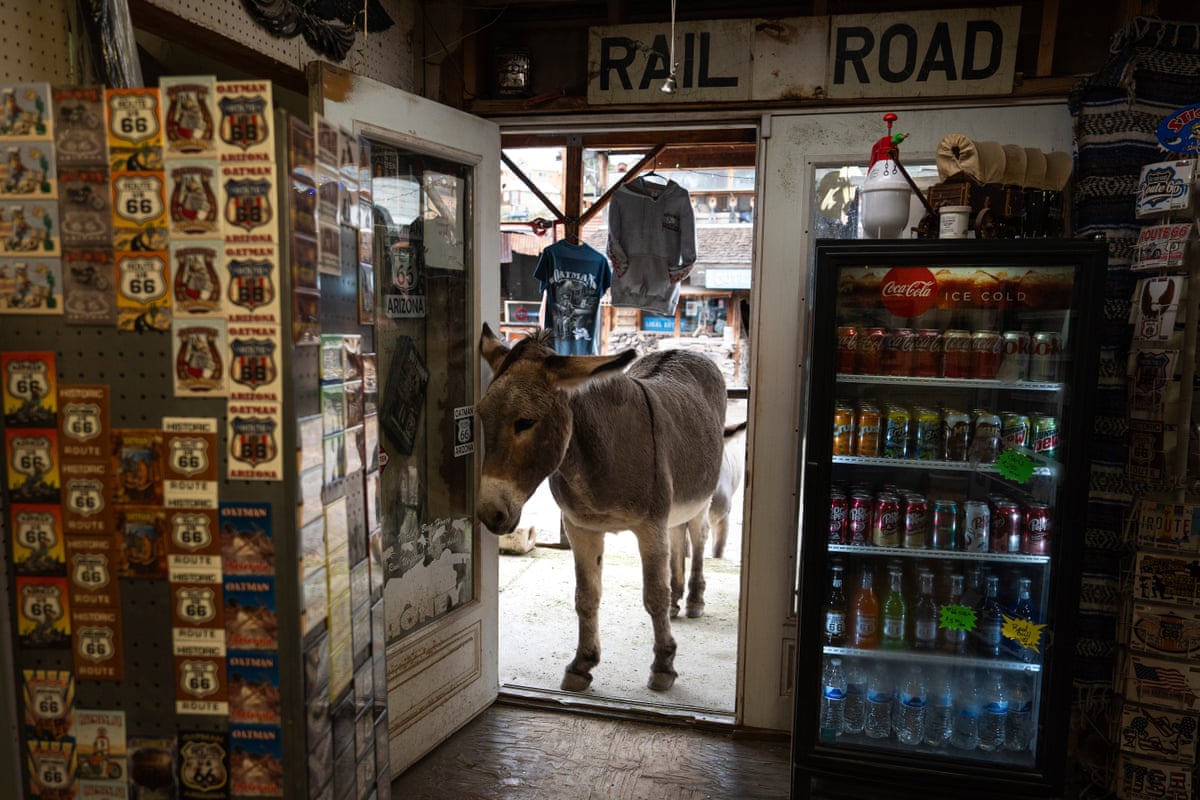
Before leaving New Mexico, travelers can visit Oatman, a former gold-mining town with a Wild West atmosphere, daily staged shootouts, and friendly burros. Originally part of an early alignment of Route 66 through the Black Mountains, Oatman was bypassed during 1950s highway improvements.
California and the Route’s End
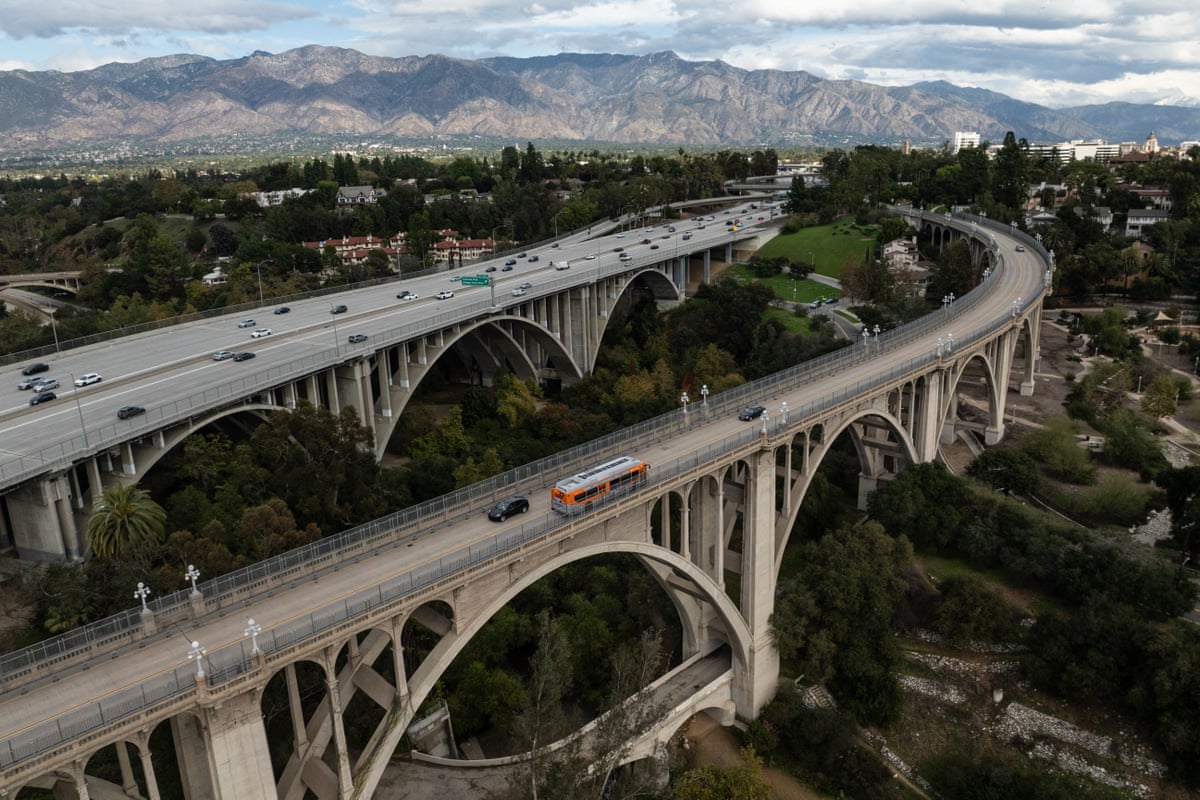
In California, motorists cross the Colorado Street Bridge in Pasadena, a notable structure along the route.
Motorists cross the Colorado Street Bridge, in the foreground, in Pasadena. Photograph: Jae C Hong
Roy’s Motel & Cafe in Amboy is a classic Route 66 landmark, featuring a towering neon sign that is among the most photographed locations on the highway. Inside, international visitors have left foreign currency on a wall, while across the street, a post adorned with shoes, shirts, and other items rises from the desert floor.
This segment of Route 66 through the Mojave Desert offers solitude and natural beauty, including Joshua trees, expansive open spaces, and remnants of ancient volcanic activity. The road surface is rough in places, preserving the feel of the highway as it was when commissioned in 1926.
The composer of the hit song Route 66, Bobby Troup, rides in a 1948 Buick convertible and waves to fans along Huntington Drive in Duarte in 1996. Photograph: Louisa Gauerke
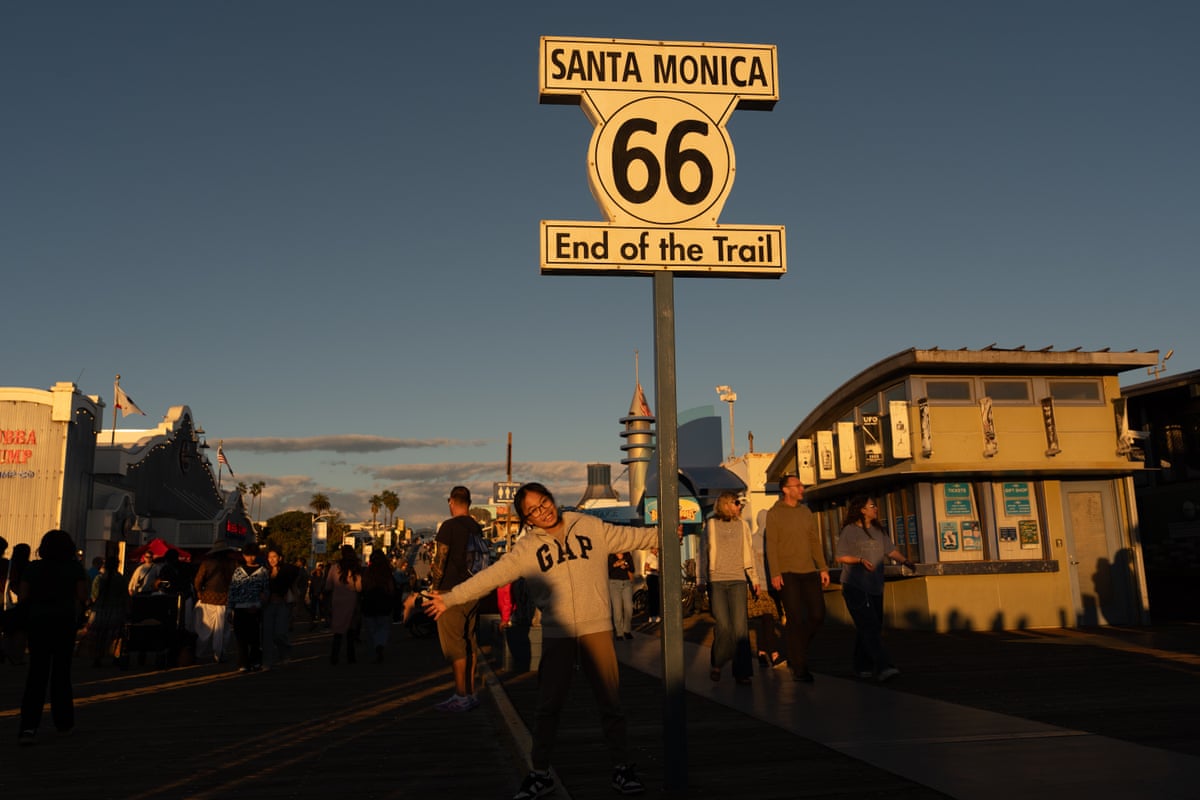
After navigating the often congested streets of Los Angeles, travelers reach the Santa Monica Pier, the official end of Route 66. The pier is a lively venue with continuous performances and spectators, celebrating the road’s century-long legacy.
A visitor poses for photos with the ‘End of the trail’ Route 66 sign on Santa Monica pier. Photograph: Jae C Hong
While many stretches of Route 66 have fallen into disrepair, the scenic views of the Pacific Ocean at the route’s conclusion serve as a reminder of the opportunities and adventures the highway has provided over the past 100 years.
Associated Press writers John O’Connor in Springfield, Illinois, and Sean Murphy in Oklahoma City contributed to this report.