The new system applies to non-EU citizens entering and leaving the Schengen Area
Warnings have been issued about potential queues at European airports this summer due to the European Union's new digital border control system.
This summer marks the first peak travel period since the introduction of the Entry/Exit System, or "EES".
The system requires UK travellers to register their fingerprints and a photo in addition to a passport scan.
What is EES and what do people have to do?
EES replaces the manual stamping of passports and tracks entries and exits within the Schengen free movement zone, which encompasses 29 European countries.
"Third country" nationals, including UK citizens, must provide biometric data—fingerprints and a photograph—at passport control.
British travellers flying to popular holiday destinations such as France, Spain, Portugal, and Italy are required to use automated kiosks to submit this information after landing.
The data is then verified upon departure.
Some passengers, including children under 12, undergo passport checks conducted by border staff instead of using kiosks.
How is the EES system affecting flight passengers?
The rollout of EES began in October of the previous year and is now fully operational.
The biometric registration process increases the time needed at border controls, prompting advisories for travellers to anticipate delays.
During the initial implementation phase, queues emerged at certain airports during peak times.
While some airports have managed the system effectively, others have experienced wait times extending to several hours.
A representative from the airline trade body IATA has cautioned that queues in some locations could reach up to six hours.
Travel industry experts have attributed these issues to technological challenges and insufficient border staffing. There have also been reports of passengers needing to register their biometric data multiple times.
The UK head of Wizz Air advised the BBC that passengers should be prepared for delays and arrive three hours before their flight home.
Some travellers have missed flights due to prolonged EES checks preventing timely arrival at gates.
Airlines' policies on holding flights vary; some attempt to wait for delayed passengers, whereas Ryanair has stated it will not hold flights for those delayed by border checks.
Warnings about long queues under the new EU border control system have been widespread.
For example, EasyJet reportedly left 100 passengers behind due to border check delays.
The upcoming summer holiday period will be a significant test for the new system.

Greece has announced it will not apply biometric checks to British visitors during the peak season.
The European Commission permits suspension of the system in "exceptional circumstances that lead to excessive waiting times" until September.
Measures to improve processing times are planned in locations with severe queues; Portugal, for instance, has committed to deploying hundreds of additional border staff in July.
Airports advise passengers to follow their airline's guidance on recommended arrival times for flights returning to the UK.
What about ferries and trains?
Eurostar has installed 49 EES processing machines at London St Pancras.
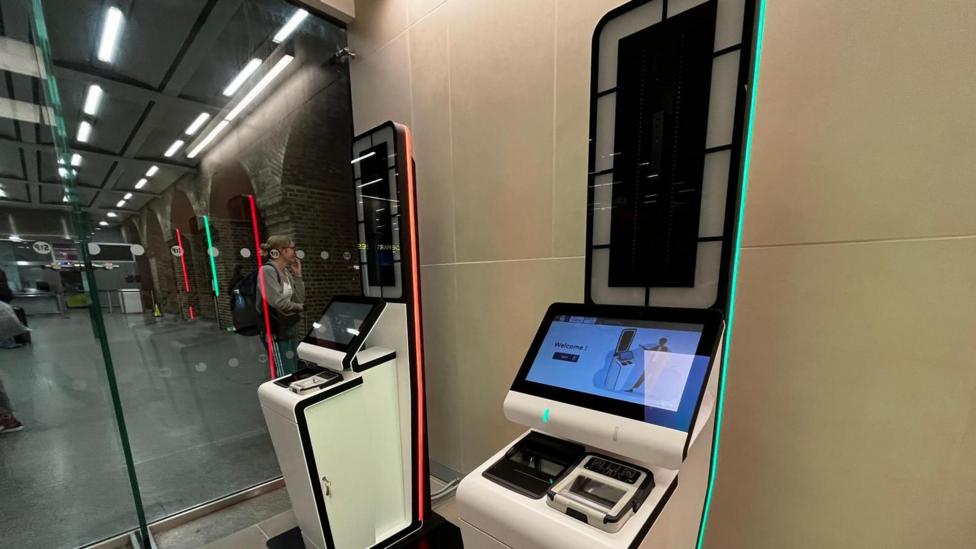
At select locations, French border police conduct passport checks before travellers depart the UK. These include Dover's ferry port, Eurotunnel's Folkestone terminal, and Eurostar's St Pancras rail terminus.
Automated machines have been in place at these sites for months to facilitate EES processing, though they are not yet used routinely; border staff currently perform part of the process.
Despite fingerprints and photos not yet being collected at Dover, long queues of vehicles formed at the start of the May half-term holidays, leading French border authorities to suspend the process temporarily.
Coaches are sealed after passengers complete EES checks before proceeding to the ferry terminal.
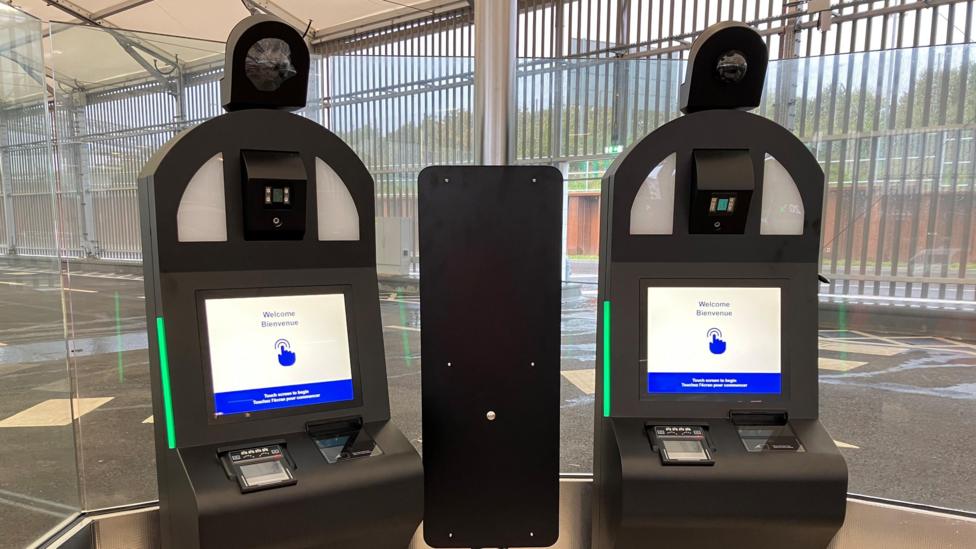
Eurotunnel has installed over one hundred EES kiosks on each side of the English Channel.
A mobile phone application has been developed to allow passengers to complete part of the process prior to arrival at the border.
However, the app is currently in use by only two countries: Sweden, which uses it for registering passport data and photos, and Portugal, which employs it solely for an entry questionnaire.
What is ETIAS and when is that coming?
The EU is also introducing the European Travel Information and Authorisation System (ETIAS), a new visa waiver system linked to passports that will complement EES.
Non-EU citizens who do not require a visa to enter the EU, including UK nationals, will be able to apply online for travel authorisation before their trip.
ETIAS is scheduled to launch at the end of 2026, though the exact date remains unconfirmed.
The application fee will be €20 (£17.47), valid for three years.
Applicants under 18 and over 70 will be required to apply but will be exempt from the fee.
Additional reporting by Kris Bramwell.
Get in touch
What are your experiences of the Entry/Exit System (EES)?