

Secluded Off-Grid Cabin Retreat in the Scottish Borders
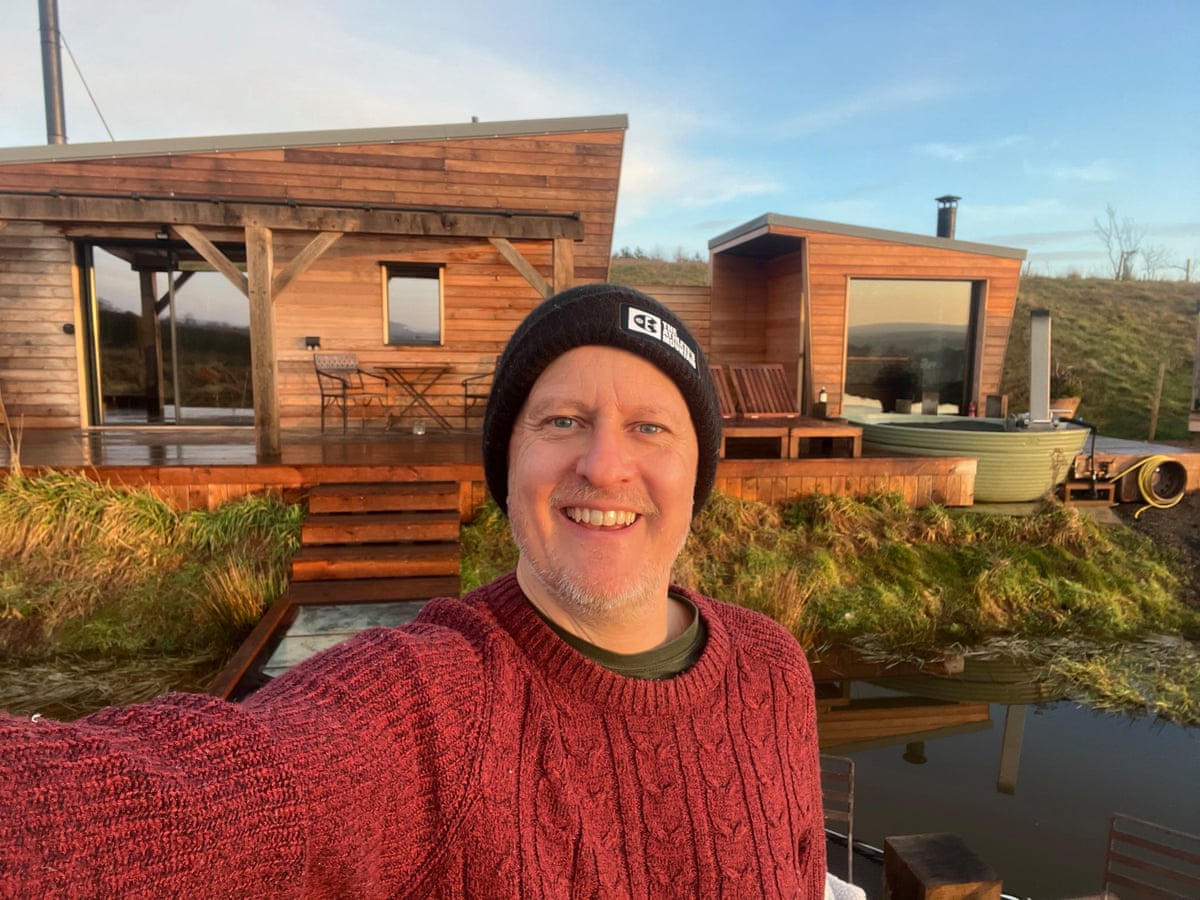
A small, off-grid cabin situated on a farm near Hawick, a town renowned for its whisky and woollens, offers a secluded and immersive experience in nature. Constructed from repurposed oak, the cabin is positioned beside a private lochan and features a separate cedar sauna, an outdoor cold shower, a sunken hot tub, and a jetty equipped with two hammocks and paddleboards. The setting evokes a Nordic atmosphere reminiscent of Finland or Sweden, contrasting with its location on a sheep and deer farm in the Scottish Borders. The remote location is ideal for those seeking solitude and connection with the wild, as exemplified by the author’s arrival, greeted by the calls of two swans, and a sense of private ownership over the tranquil surroundings.
Often, people seek destinations where limited phone coverage enhances the feeling of true wilderness. Tiny Home Borders, nestled in the rolling foothills approximately 10 miles east of Hawick, embodies this ideal. In August of the previous year, owners David and Claire Mactaggart inaugurated a second two-person cabin on their farmland, following the opening of the first in 2022. The author eagerly embraced the opportunity to stay, swim, soak, and importantly, disconnect from daily distractions.
On the initial evening, the author relaxed on the wind-exposed deck just above the gently lapping water, igniting the outdoor wood oven. Despite the intention to unwind, there was much to experience: a session in the sauna, a bracing cold plunge in the lochan, followed by a soothing soak in the bubbling hot tub filled with the scent of wood smoke. Dinner consisted of pizza enjoyed beside the cabin’s crackling log burner, and the night concluded with stargazing through the cabin’s high-quality telescope.
Farm Stays and Agritourism in the Scottish Borders
As farms explore alternative revenue streams, farm stays and agritourism have become increasingly significant. Industry projections estimate that the combined value of agritourism and farm retail in the UK could reach £250 million by 2030, driven by consumer interest in sustainable tourism. Reflecting this trend, the country is set to host its inaugural agritourism conference in June. Within the agricultural community, discussions focus not only on rising food production costs but also on sustainable diversification strategies.
The Mactaggarts’ initial tiny hut was constructed from an old bale trailer, serving primarily as an experimental project. Their vision was to create an eco-friendly home away from home, featuring a mezzanine sleeping area above the lounge and kitchen, with a dramatic setting beneath Rubers Law, a modest peak often compared to Ben Nevis, situated on the banks of the River Teviot. The project quickly expanded from one to two cabins, with the second positioned well out of sight of the first. Plans are underway for a third cabin in a different glen on the farm. Sustainability is central to the design, incorporating hemp insulation, solar panels and batteries, reclaimed wood sourced from the farm, and deliberately excluding Wi-Fi to encourage disconnection.
Exploring an Undiscovered Region
Located approximately a 90-minute drive from Edinburgh, the cabin serves as an excellent base for exploring a lesser-known area of Scotland. Claire Mactaggart remarked,
“The Borders is nothing more than a drive-through for many visitors coming north.”
David Mactaggart added,
“It’s a beautiful area, but it’s one so few know about.”
Breakfast is a highlight of the stay, featuring fresh bread, salty butter, homemade marmalade, farm eggs when available, and coffee served on the deck alongside a pair of binoculars. On the first morning, the sky was a vivid saltire blue.
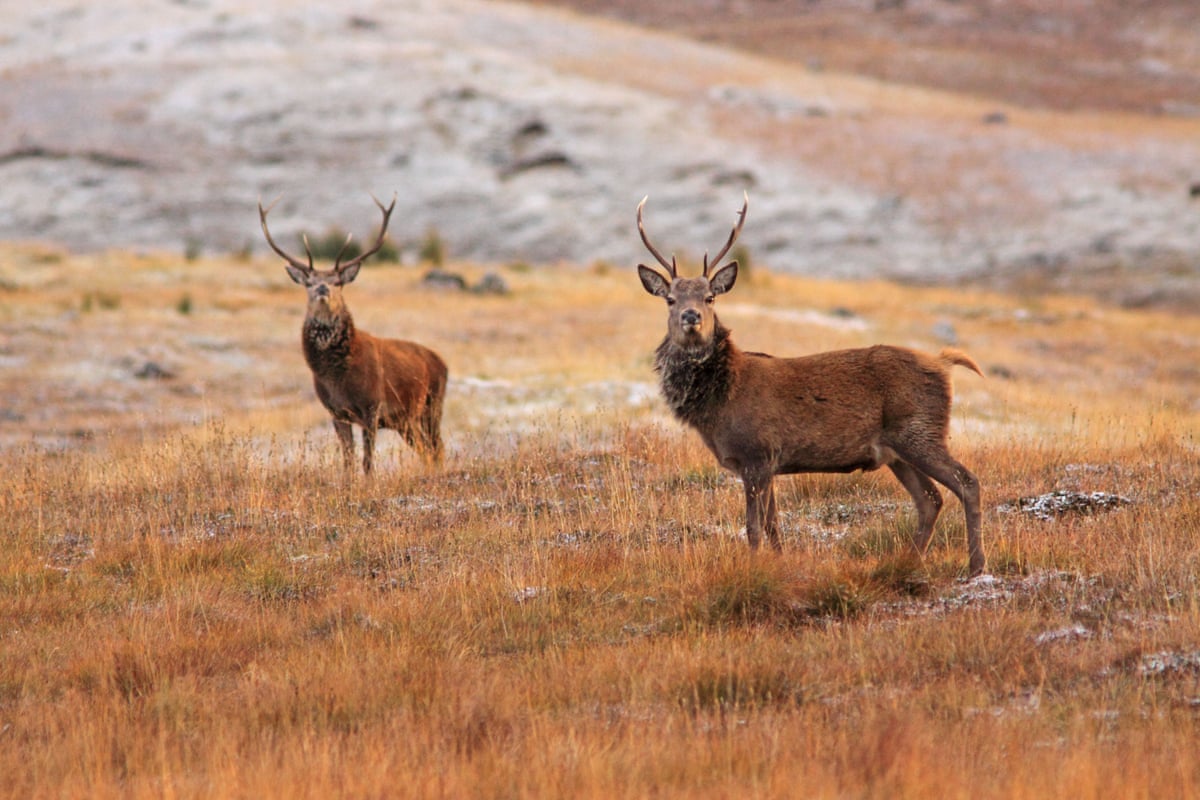
Wildlife enriches the experience. Red deer outnumber humans in these hills, prompting the author to don wellies after breakfast and ascend the gentle slopes of Rubers Law in search of the Borders’ Big Five: red deer, sheep, fox, pheasant, and red squirrel.

The walk followed a muddy single track bordered by emerging wildflowers and wild garlic beneath hawthorn trees. The author encountered two male pheasants with vicar collars and, further uphill, five large hind deer descending from the colder heights. In the distance, ducks, sheep, cattle, and horses were visible, evoking the imagery of the nursery rhyme Old MacDonald Had a Farm.
Discovering Historic Hawick
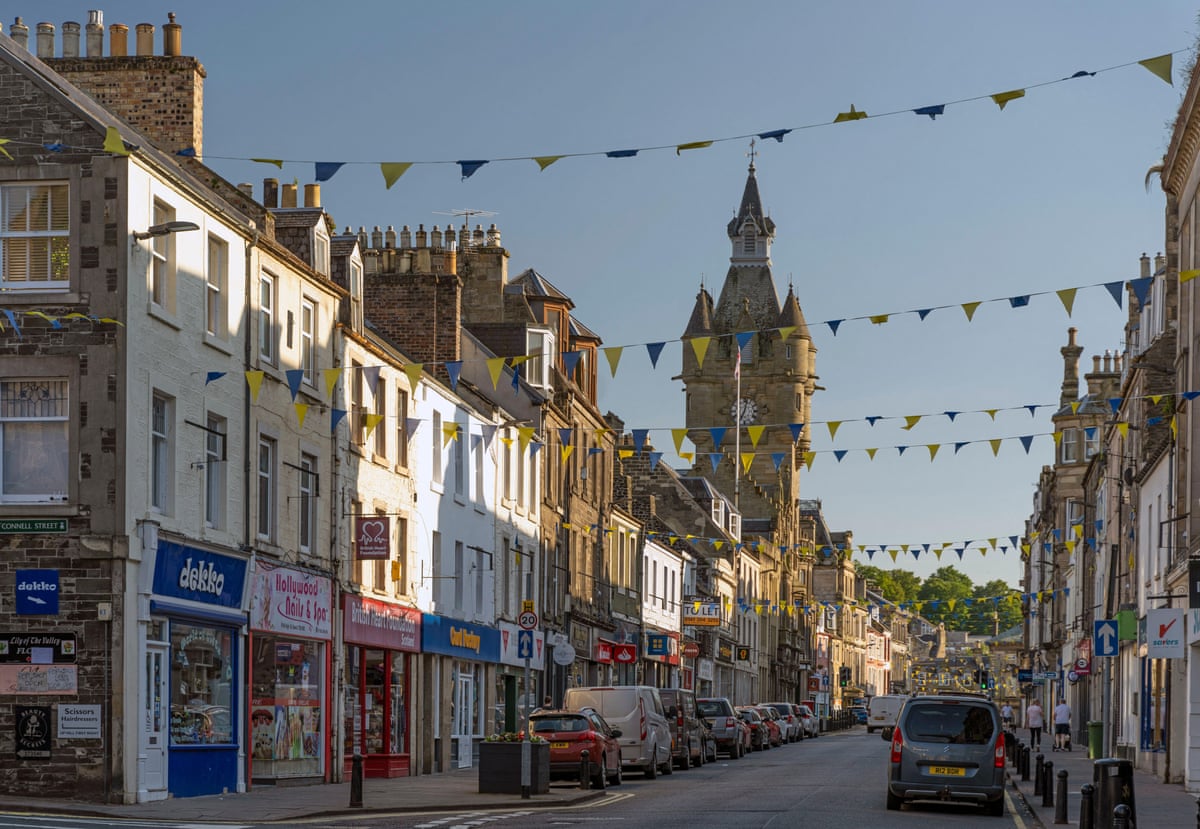
Few areas in the Borders are as charming as the historic town of Hawick. Known for its textile weaving heritage, the town offers cozy cafes, craft shops, and tweed retailers ideal for warming up during winter visits. The town center is connected by four bridges and is home to mills producing some of the world’s most renowned knitwear brands, including Johnstons of Elgin and William Lockie.
Perhaps most notable is the Textile Hub, which includes a visitor center, cafe, and showroom designed to highlight the appeal of Borders knitwear. Hawick’s long-standing tradition in textiles has resulted in its cashmere, merino, and tweed products being sought after by prestigious fashion houses such as Chanel, Dior, Louis Vuitton, and Ralph Lauren.
After lunch at the nearby The Little Shop, a cafe and bookshop adorned with flat-weave rugs, the author participated in a guided tour of Johnstons of Elgin’s recently expanded facility, which opened in August of the previous year. The mill is labyrinthine and atmospheric, housing hundreds of knitters, needle-workers, and machines engaged in hand-finishing, stitching, and operating. Adjacent to the mill is a yarn library containing 18 tonnes of yarn in a kaleidoscope of colors, ranging from gorse yellow to heathery purple.
Whisky Heritage and Local Spirit
The final stop was the Borders Distillery, located in Hawick’s former hydroelectric plant, a fitting conclusion to a winter day. Despite the rain and slate-dark sky, a glass of blended Scotch provided by distiller David Shuttleworth was a welcome comfort. The whisky’s aroma of green apples and grass evoked the surrounding Borders farms that cultivate the barley used in the malt.
David Shuttleworth explained,
“The whisky industry is about storytelling and ours is tied to Hawick’s landscape. The Teviot brought us here and all our malt comes from 20 miles around the distillery.”
This local sourcing contributes to a low carbon footprint and reflects a community-driven vision. The author left the distillery with a takeaway miniature dram, feeling encouraged by the sustainable approach.
Reflection on the Experience
Back at the cabin late at night, the author sat under the deck’s awning in the rain, having finished the whisky. The experience underscored the charm of Hawick as a place of rural community and inspiration. The author hopes that many visitors will come to appreciate the Mactaggarts’ sentiment that the area has been overlooked for too long.
The trip was provided by Tiny Home Borders and VisitScotland. Tiny Home One accommodates two guests, with rates starting at £180 per night on a bed and breakfast basis, requiring a two-night minimum stay, which includes pickup if traveling by public transport. Distillery tours are priced at £15, while Johnstons of Elgin tours cost £20. For additional information on visiting Hawick, see the relevant tourism resources.


