Concerns Over Safety on Ha Giang Motorbike Trail After Fatal Accident
Local residents have expressed concerns about the Ha Giang loop, a popular motorcycle tour route in northern Vietnam, describing it as rugged, unpredictable, and congested. Some guides are reportedly not prioritising safety, raising questions about the risks involved.
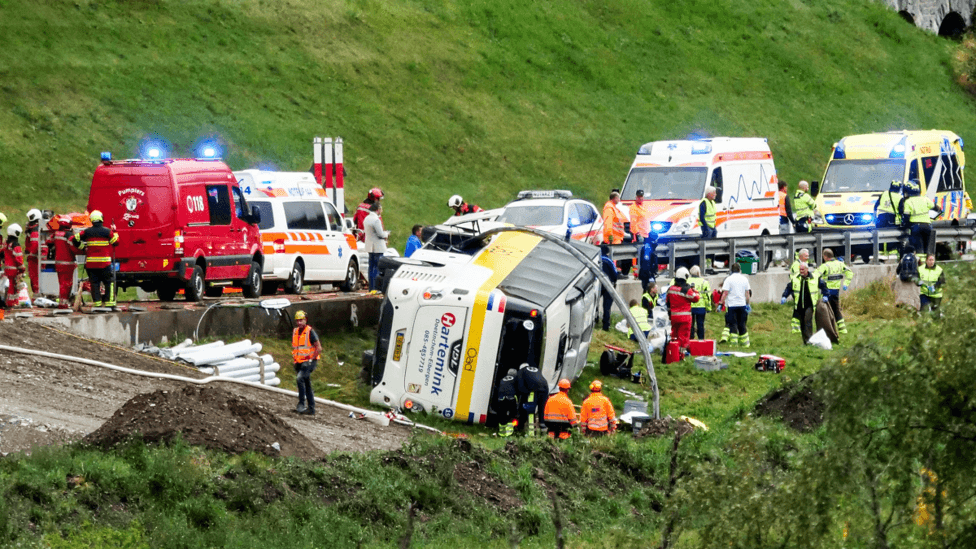
The recent death of Orla Wates, a 19-year-old British teenager from Surrey, has intensified scrutiny of the trail, which is considered one of the most dangerous in Vietnam. Wates was a pillion passenger on a motorbike when she was involved in an accident, according to local media reports. She was transported to a hospital in Hanoi, where she succumbed to her injuries last week.
Wates had been travelling in Southeast Asia before she was due to begin a degree course at Durham University this autumn. She was likely aware of the many social media posts promoting the Ha Giang loop as a must-do adventure.
The Ha Giang loop winds along narrow mountain roads near the Chinese border, passing through jungle and rice terraces. It has become a popular destination for young backpackers seeking adventure in Southeast Asia.
Online reviews often describe the experience as the “best four days of my life.” However, the loop, especially when traversed by motorbike, carries inherent risks. Locals cite the challenging road conditions, unpredictable weather, rockslides, and occasional loose livestock as hazards.
Tourists typically begin the journey from Ha Giang city, riding as pillion passengers on motorbikes driven by local guides employed by tour companies. Foreign visitors who wish to ride solo must possess a full motorcycle licence and face fines if caught without one.

The route, originally a network of dirt trails used by farmers and pack horses before being reconstructed in the 1960s, spans over 220 miles (350km) and usually takes three to four days to complete. Daily rides often conclude with visits to waterfalls for cooling off, followed by meals and corn wine at homestays.
Ha Giang is among the poorest provinces in Vietnam, attracting an estimated 200,000 tourists annually, primarily to undertake the loop.
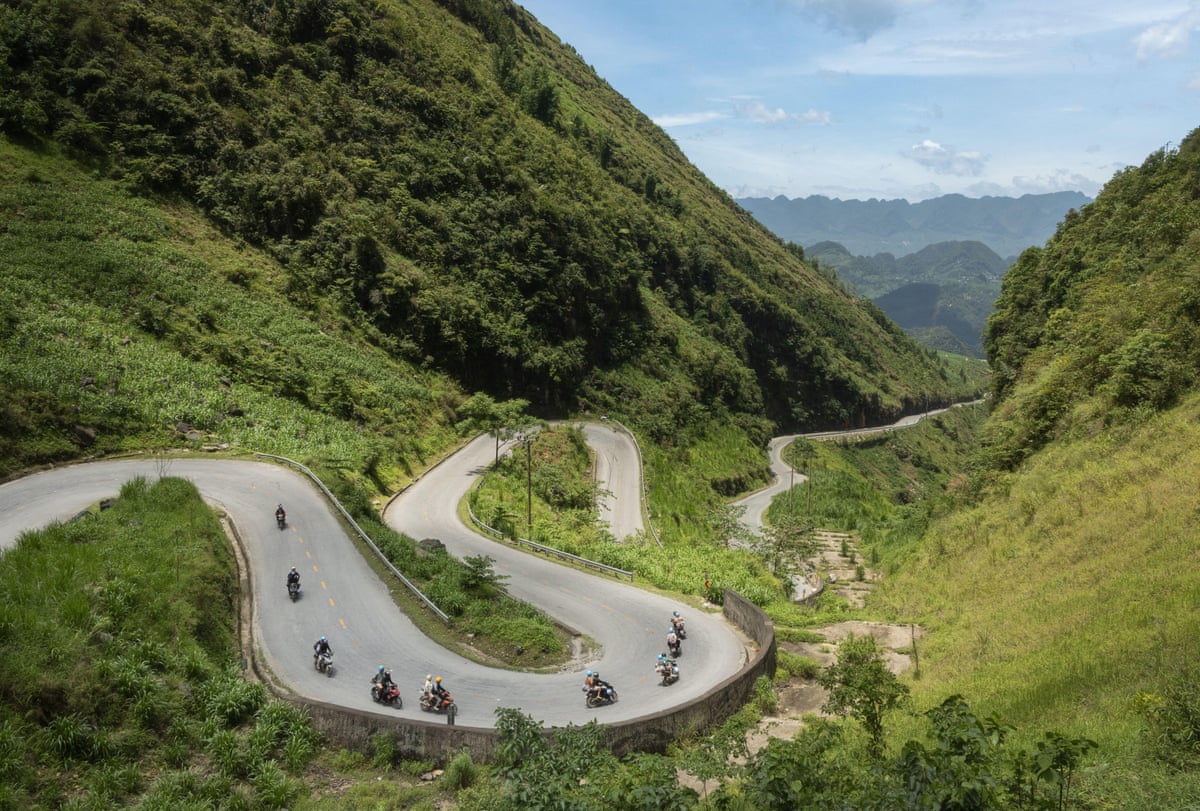
Elle, a 23-year-old Australian who divides her time between Australia and Vietnam and has completed the Ha Giang loop 16 times, noted that the trail’s popularity has led to congestion levels for which the roads were not designed.
“I have seen tourists ask their guides to go faster to overtake slower groups, or so they can film more exciting social media content,” Elle said. “Visitors should choose their tour company carefully – some genuinely prioritise safety, whereas others just prioritise numbers.”
There have been reports in recent years of fatalities on the trail, including a tourist who died after a 100-metre fall from a mountain pass and two visitors involved in a fatal head-on collision with a truck. Local residents familiar with the roads have also suffered accidents. The remote mountainous terrain and limited medical facilities exacerbate the dangers.
Matt Struthers, co-owner of Road Kings, a tour company offering Ha Giang loop tours for several years, emphasised the importance of safety.
“Yes, we’re trying to provide a trip of a lifetime, but more importantly, people are putting their trust in us to do the right thing. There are ways to make the trip much safer, [for example] having proper safety equipment and a team that drives carefully,” Struthers said.
When asked if Wates’s death should serve as a wake-up call for the Ha Giang tourism industry, Struthers responded:
“I really hope it does. Safety has always been our main focus. When something like this happens, it impacts the industry as a whole. I hope it encourages everyone to raise their standards.”