Naomi Osaka Leads Bold Fashion at Wimbledon
At Wimbledon this week, Naomi Osaka made a striking entrance wearing frills, a bustle, oversized bows, and extended sleeves. Drawing inspiration from Japan’s ceremonial dress and Quentin Tarantino’s Kill Bill, the designs by Hana Yagi adhered to Wimbledon’s all-white dress code. However, the first outfit was so avant-garde that it debuted before it was seen near a tennis court.
Osaka, who earlier in January at the Australian Open wore an outlandish design featuring mega-pleats inspired by a jellyfish, is at the forefront of the trend of experimental “walk-on fits.” Other players have also used this moment to make sartorial statements, notably Frances Tiafoe, who surprised spectators by dramatically ripping off his trousers to reveal shorts underneath.
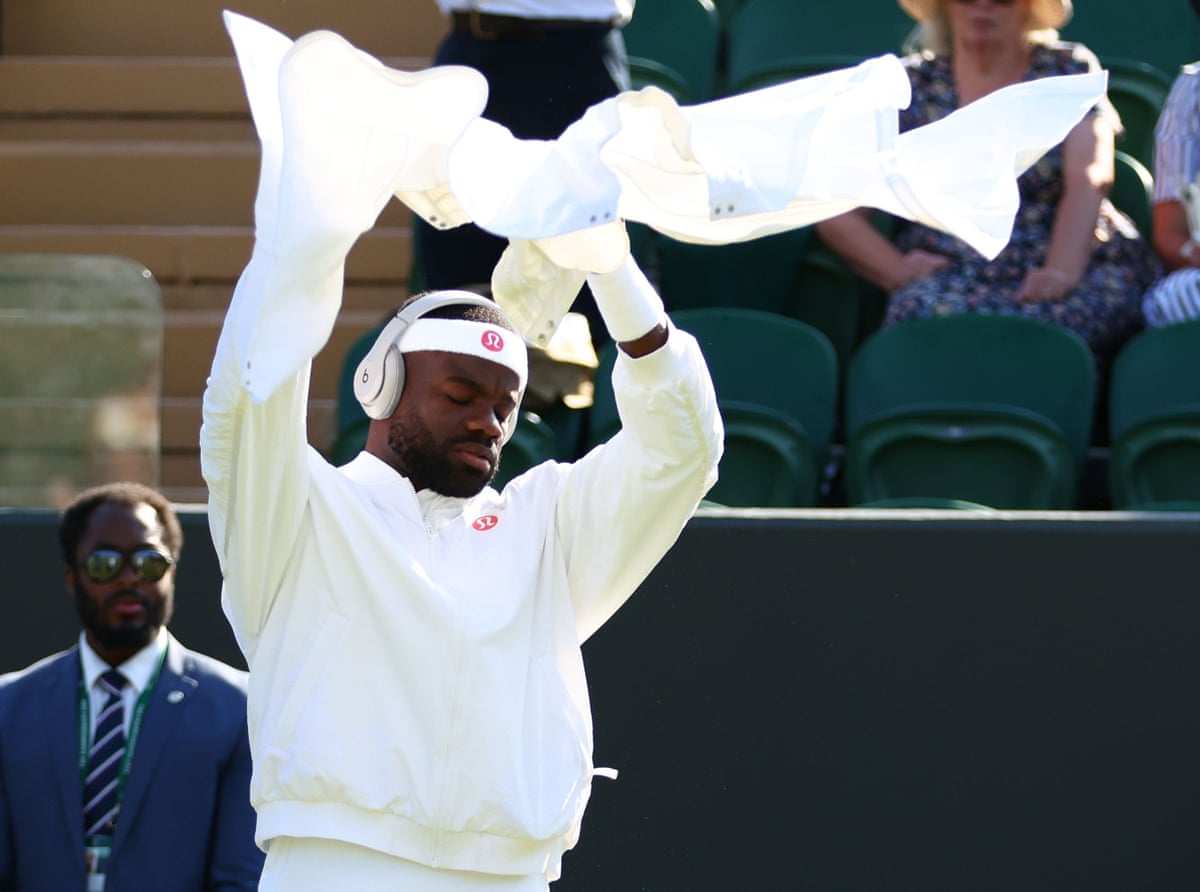
The Significance of Walk-On Outfits
These outfits are worn just before the match and form part of how a player presents themselves to their opponent. There is a certain prestige associated with having a designer create a custom-made look for a brief appearance.
Marty Harper, who collaborated with Osaka on her outfits, commented on the psychological impact of such attire. Although he could “never speak to how Naomi feels,” he imagines that
“it becomes armour, I imagine it becomes power.”
Sunita Kumar Nair, author of the new book Ace: The Times & Style of Tennis, believes these looks
“can obviously intimidate the opponent … when you look to nature, animals tend to enlarge their bodies, or their colouring or their feathers in order to steer off any kind of predator.”
Sports psychologist Claire-Marie Roberts adds that wearing such outfits can boost self-confidence.
“From a psychological perspective, it is the single biggest predictor of your ability to attain your goals,”she said.
“If you are doing anything to bolster that going into a tournament, and you are within the realms of the rules, it’s pretty clever.”
However, Roberts also notes that while these outfits may intimidate opponents, their sporting impact is limited.
“Once the match starts, I’m focused on the game and playing the best tennis I can,”Osaka said.
“There are so many things happening on court that an outfit isn’t something I’m paying attention to for very long.”
Variety and Branding in Walk-On Fashion
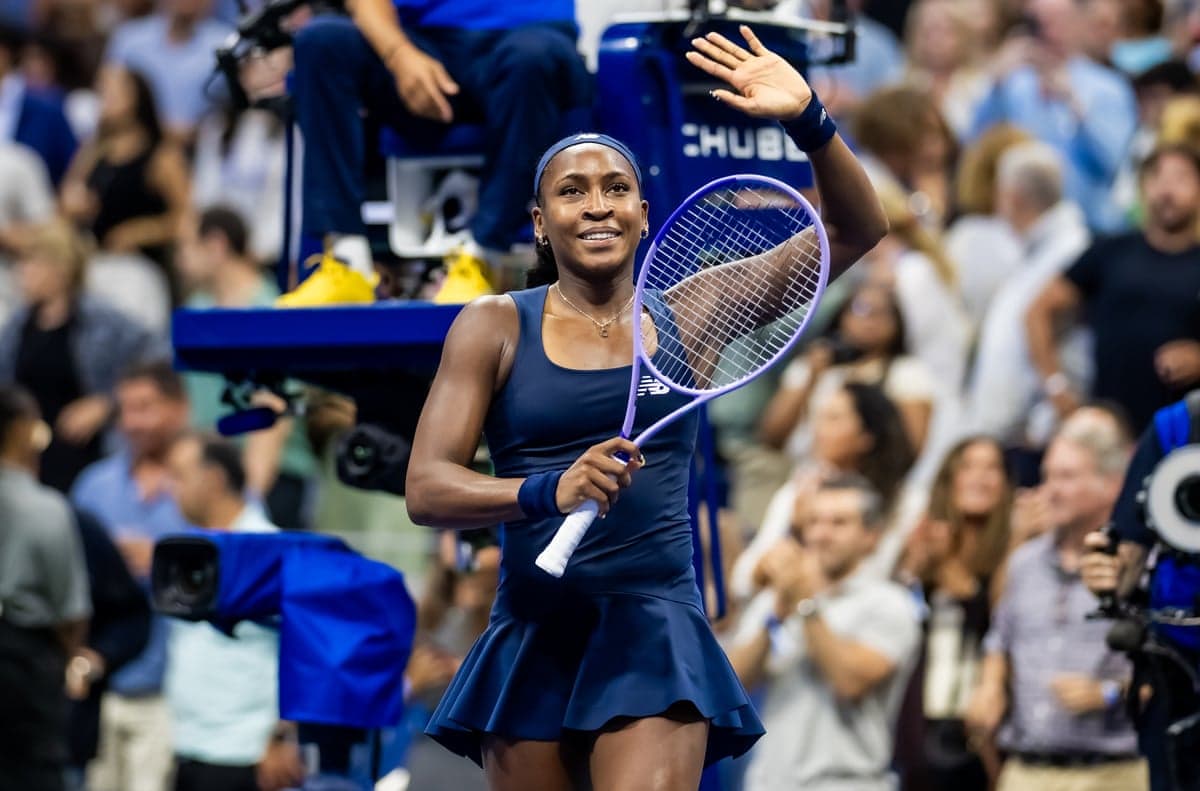
At Wimbledon, not all walk-on outfits are as extravagant. The moment also serves as a photo opportunity for players to showcase the brands they endorse. For example, Jannik Sinner and Serena Williams wore eye-catching mesh and semi-see-through jackets by Nike. Sinner also attracted attention for carrying a beige Gucci bag, which violated Wimbledon’s all-white dress code. Meanwhile, on Monday, Coco Gauff debuted a girly, retro collaboration with New Balance and Miu Miu, a favourite designer brand among Gen Z, which she also wore on court.

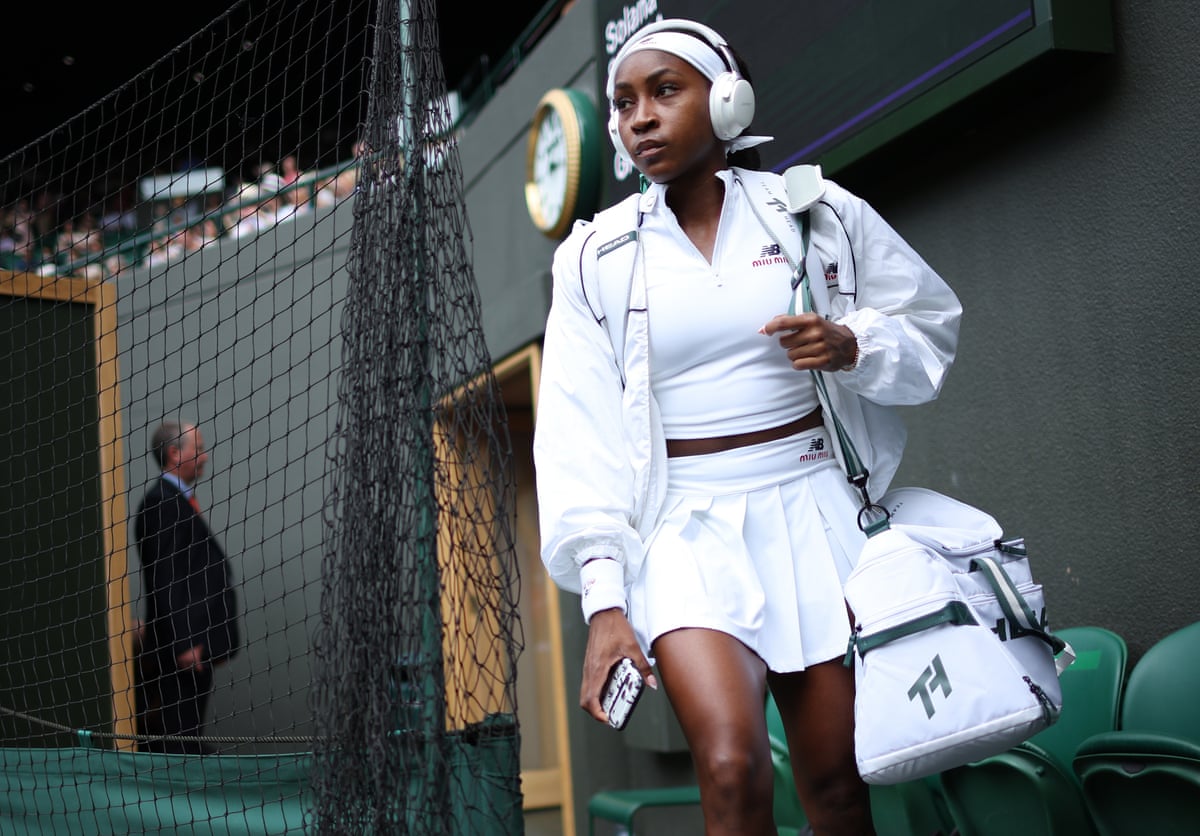
Daniel-Yaw Miller, writer of the sport and style substack SportsVerse, commented on the commercial aspect of walk-on outfits.
“It’s all about branding and commerciality,”he said. This applies whether the fashion is experimental or straightforward endorsement.
Miller noted Osaka’s prominence beyond tennis results:
“Osaka has been one of the most spoken-about players on the tour in recent years, even in the absence of winning tournaments or being in the best form of her life,”he said.
“Connectivity to fashion and to brands helps diversify an athlete’s appeal and open them up to deals and exposure in various other realms outside tennis.”
Gauff confirmed this perspective, stating,
“Right now my priority is always competing and continuing to improve as a player,”but added,
“But I’d love to keep building relationships in the fashion world and see where those opportunities take me.”
Sports Stars as Brands
By 2026, sports stars are more than just athletes; as demonstrated by figures like Serena Williams and Lionel Messi, they can become influential brands and drive commercial success. The walk-on look is a step toward this evolution.
Nair commented on the cultural impact of athletes’ fashion choices:
“Future generations seriously look to sports players,”she said.
“These are real-life superheroes. For players who do want to embrace that side of them … it’s a very useful and powerful way to communicate who they are and also a way in which their fans can replicate what they’re wearing on court.”
Hana Yagi, who created Osaka’s designs in three weeks, emphasized the personal aspect of such expressions.
“Sport is often discussed in terms of results and rankings. Before all of that, though, every athlete has their own story … expressing those things has become part of the performance itself.”
Mixed Reactions Among Players
Not all players fully embrace the walk-on outfit as a significant moment. At the French Open, Osaka’s opponent Laura Siegemund, who lost in straight sets, expressed skepticism about the trend.
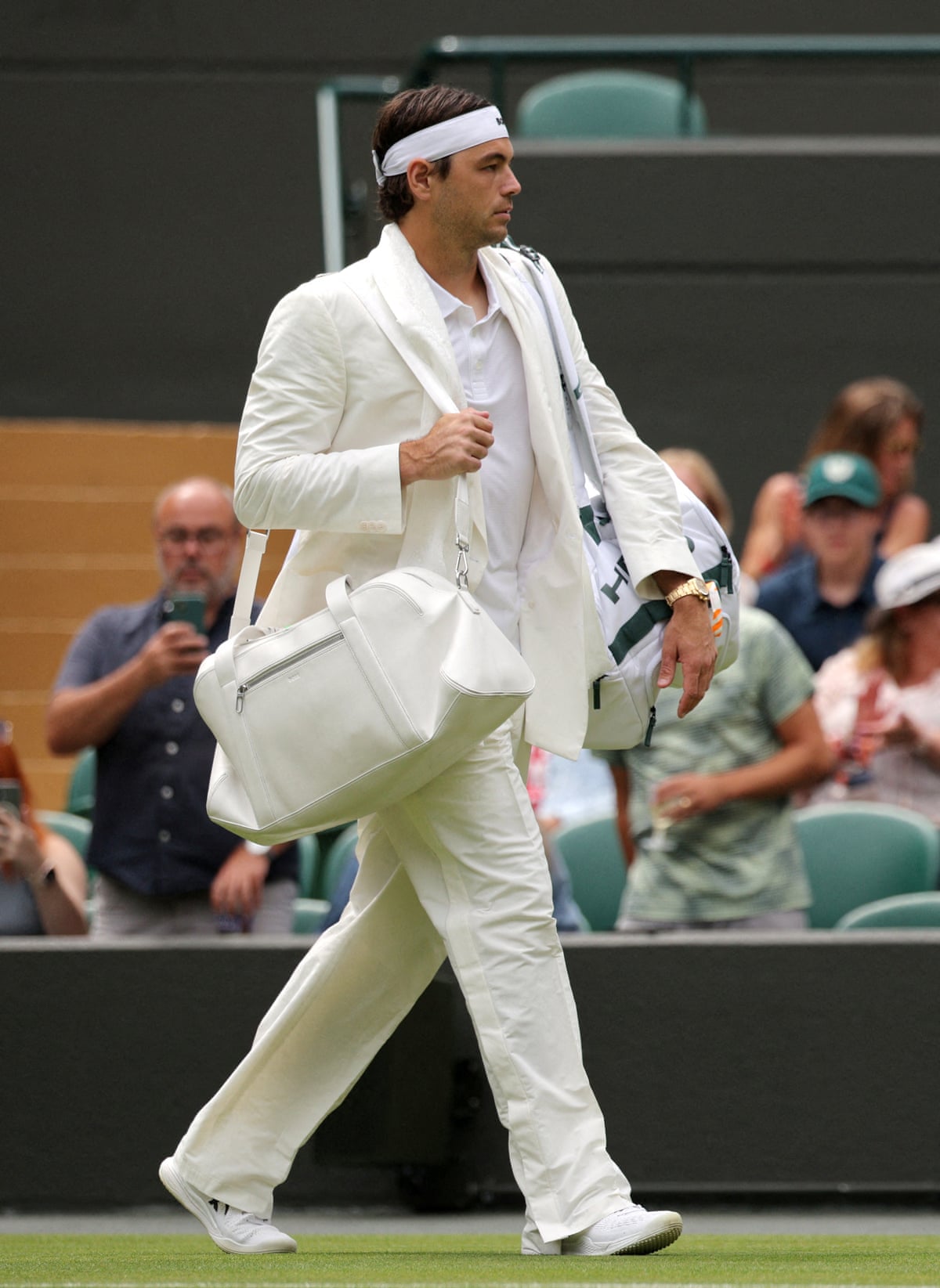
This week, American tennis player Taylor Fritz arrived for his first-round match at Wimbledon wearing all-white tailoring, a suggestion from his sponsor, Boss. After winning the match, he expressed relief about the outfit choice.
“You show up in a full outfit and get snipped in the first round, you kind of look stupid,”he said, adding,
“They’re my sponsor. They wanted me to do it. I thought the outfit looked good. I couldn’t really back out of it.”
The Future of Walk-On Fashion in Tennis
Regardless of differing opinions, Met Gala-worthy looks have become part of tennis culture. Roberts anticipates the trend will continue.
“Yes,”she said when asked if other players will follow Osaka’s lead.
“And, as my mum used to say, imitation is the highest form of flattery.”