The Mental Edge in Sport
The distinction between athletes who succeed and those who do not is not solely based on talent. While this may be difficult to grasp for those without athletic ability, the truth is that talent is more common than often assumed. What truly differentiates successful sportspeople, aside from opportunity, is their mentality.
Everyone faces personal struggles, a reality worth remembering before passing judgment on ourselves or others. These challenges often relate to emotional regulation—how we manage intense feelings rather than being controlled by them. Whether prone to anger, sadness, excitability, apathy, recklessness, or anxiety, the key is not to suppress emotions but to acknowledge them, understand their significance, and then allow them to pass, as all feelings eventually do.
Typically, these tests occur under the scrutiny of a live or global audience. Athletes, however, perform in what can be described as hyperreal scenarios, experiencing extreme highs and lows—exhilaration or devastation—and are expected to present their best selves before, during, and after competition. While we may admire their skill as something innate and unattainable to us, they too face the challenge of maintaining composure under pressure, a task life demands of everyone in adverse circumstances.
Arthur Fery’s Remarkable Run
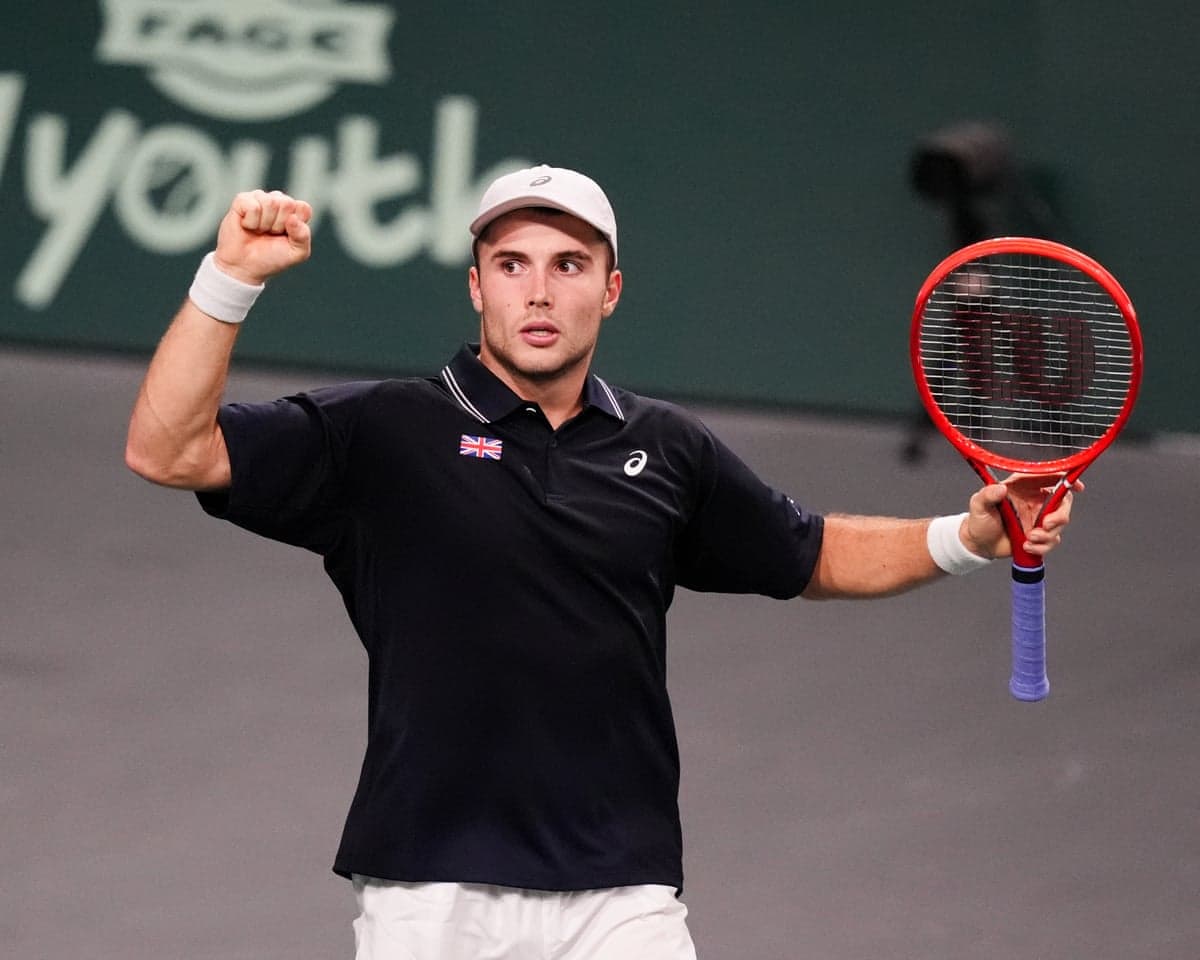
Arthur Fery exemplifies exceptional mental strength, which can be almost unsettling. In this tournament, he won his first four matches after trailing, securing victories in fifth-set deciders, including two that required match tiebreakers. In the quarter-finals, as Flavio Cobolli—who recently contested a five-set French Open final—fell apart, Fery showed no signs of nerves or panic. Instead, he calmly and decisively crossed the finish line, despite the challenge being far from trivial.

This afternoon, the first British wildcard to reach the Wimbledon semi-finals faces Alexander Zverev. Despite Zverev’s status as the Roland-Garros champion and his impressive recent performance dismantling Taylor Fritz, Fery holds a genuine chance. Zverev’s forehand and volleying remain areas of relative weakness, and although his confidence has grown following his grand slam victory, he is still not entirely at ease on grass courts.
Fery, by contrast, appears naturally adept on grass. His backhand is particularly notable—a sensational shot executed so early it seems almost preemptive. He uses it effectively to pressure Zverev, who is known to struggle with maintaining composure under pressure. With the crowd’s support, Fery will believe in his potential to achieve the extraordinary, a mindset often beyond those not suited for elite sport, and perhaps he will make history.
Upcoming Match: Jannik Sinner vs Novak Djokovic
Following Fery’s match, Jannik Sinner will face Novak Djokovic in a classic contest between emerging talent and established greatness. When Sinner won this title last year, he appeared to have surpassed his peers. However, since then, circumstances have shifted. Carlos Alcaraz defeated him decisively in the US Open final, Djokovic eliminated him in the Australian Open semi-finals, and at Roland-Garros, Sinner’s body succumbed to the heat, resulting in a loss to the unheralded Juan Manuel Cerúndolo despite leading by two sets and 5-1.
Never before has Sinner appeared so vulnerable; the composure that once defined him has been compromised by circumstance. The fear once experienced by his opponents may now have transferred to him, humanizing the seemingly invincible athlete.
Novak Djokovic is exceptionally well-positioned to capitalize on this. Known as a relentless competitor and the greatest match player in sports history, he has performed brilliantly to reach this stage. The grass surface suits his style, and he recognizes this may be his best opportunity to secure a 25th Grand Slam title. Despite his intense desire and harmonious blend of ability and mentality, a question remains: will his body cooperate? Even the strongest mind and most extraordinary talent cannot halt the effects of time.