

Mirra Andreeva Secures Maiden Grand Slam Title at Roland Garros
At 19 years old, Russian tennis player Mirra Andreeva captured her first grand slam title with a commanding 6-3, 6-2 victory over qualifier Maja Chwalinska at the French Open. The win ended Chwalinska’s remarkable run and marked a significant milestone in Andreeva’s burgeoning career.
Twenty minutes into her first grand slam final, Andreeva appeared overwhelmed by the occasion, the challenging windy conditions, and the tenacious opponent she faced. Despite the pressure, she demonstrated remarkable composure, managing her emotions effectively and adapting her strategy as the match progressed. This mental resilience was key to her eventual success.
Since entering the professional tour at age 15, Andreeva has consistently challenged and defeated top-ranked players, signaling her potential to compete for major titles. Her victory at Roland Garros confirms this trajectory. At 19, she is the youngest champion since Monica Seles, who won her third consecutive French Open title in 1992, and ranks as the third-youngest first-time grand slam winner of the 21st century, following Maria Sharapova and Emma Raducanu.
Facing Chwalinska, ranked No. 114, in the final might seem advantageous, but the Polish qualifier had already made history as only the second qualifier to reach a grand slam final, after Raducanu. Andreeva entered the match aware of her status as the favorite and the high stakes involved.
In a period when teenage tennis prodigies are rare, Andreeva’s early success distinguishes her as an exceptional talent. While her skills have been evident, managing the psychological demands of high-level competition has been a significant challenge. This final, the most important match of her career to date, tested her mental fortitude.

Polish supporters, inspired by Iga Swiatek’s recent achievements, enthusiastically backed Chwalinska. Thousands of fans waved red and white flags throughout the tournament grounds, chanting “Maja, Maja” from the warm-up onward, creating an energetic atmosphere.
Chwalinska started aggressively, employing a diverse range of shots including heavy topspin, low slices, drop shots, and varied pace from her left-handed forehand. Her strategy aimed to disrupt Andreeva’s rhythm and provoke errors, forcing the Russian to generate pace on every stroke.
The slow and windy conditions compounded the difficulty of the match. Early on, Andreeva’s less consistent habits appeared, as she struggled with timing and resorted to defensive shots, including high, looping balls. Compared to recent grand slam finals featuring powerful shotmakers like Aryna Sabalenka, Elena Rybakina, and Amanda Anisimova, the pace of the match was notably slower.
Trailing 2-3 in the first set and following two double faults and a series of errors on return games, Andreeva regained her composure by improving her first serve percentage and holding serve for the first time in the match. This shift allowed her to take control, stepping inside the baseline, taking the ball early on both wings, and directing play with precision.
Once Andreeva began dictating points on her terms, the difference in rankings—106 places between the two players—became evident. From 2-3 in the first set, she won ten consecutive games, ultimately closing out the match with confidence to secure her inaugural grand slam title.
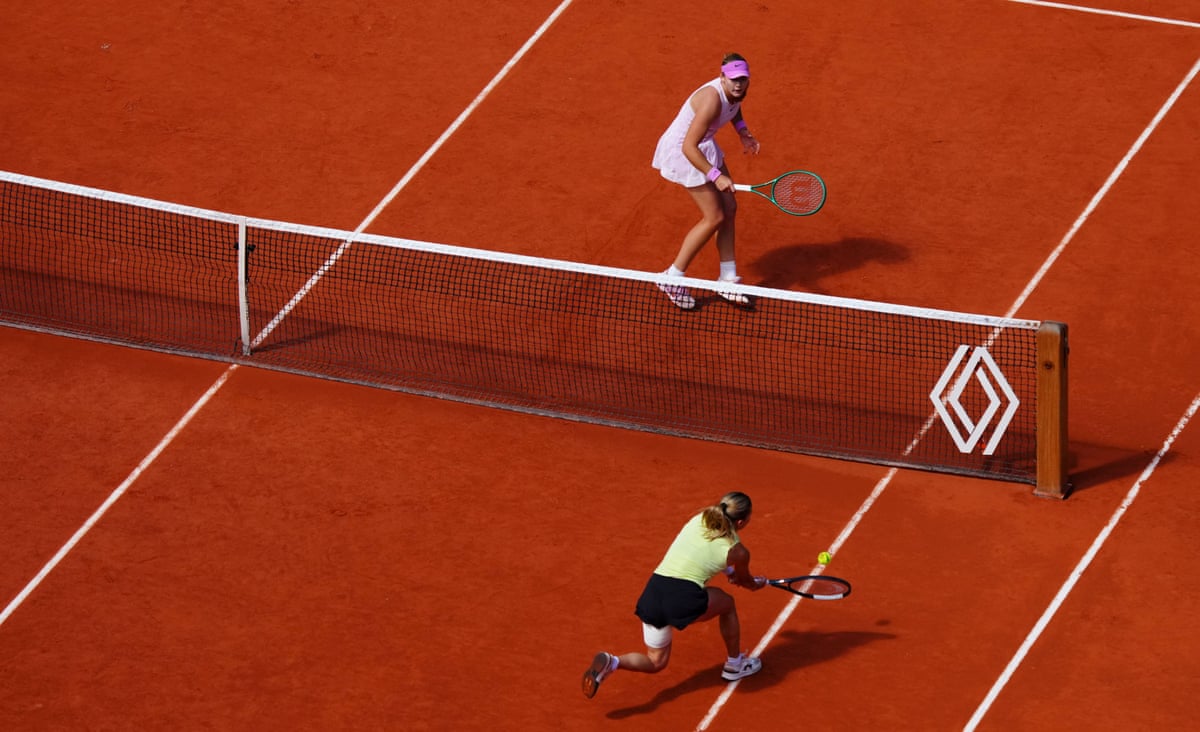
The victory not only highlights Andreeva’s talent and mental growth but also signals the emergence of a new contender in women’s tennis, capable of competing at the highest levels despite her youth and relative inexperience in grand slam finals.


