

Players Tackle Blistering Heat at Roland Garros
Temperatures reached 33°C on Monday in Boulogne-Billancourt as competitors at this year’s French Open contend with unusually high heat alongside the demands of red clay and the pressure of one of tennis’s premier tournaments.
Players have had to adapt their games amid evident discomfort while striving to perform at their best. The hot weather is forecast to persist throughout the tournament’s first week.
“I don’t remember the last time it was so hot at Roland Garros,”said Daria Kasatkina.
“Maybe one day, but we’re going to have it for the whole week or something.”
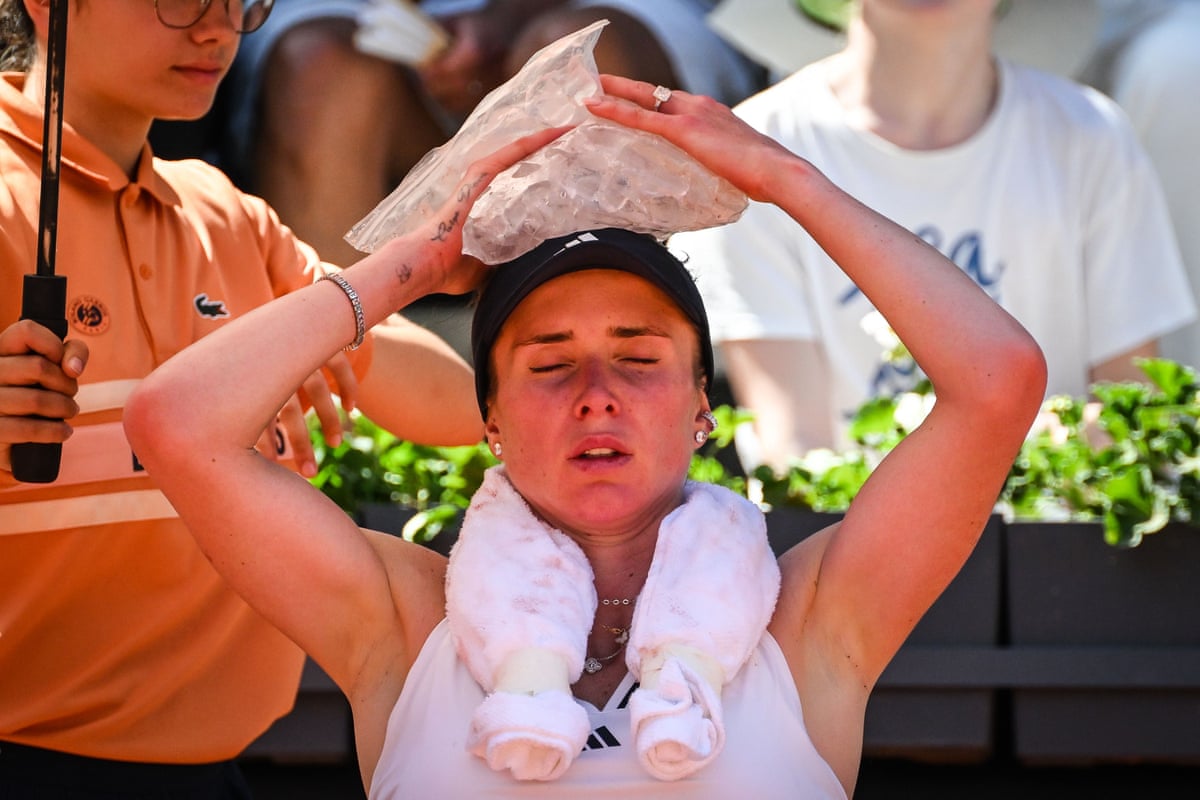
Heat and Endurance: A Player’s Test
The global tennis tour often follows warmer climates to minimize match interruptions, making heat endurance a critical skill for success. While Monday’s heat was not accompanied by high humidity, players still faced significant challenges on court.
“When you see the conditions for your next match, you are mentally preparing for that,”Kasatkina explained.
“Then physically it still can be very, very tough. During even our match you could see that both of us were going up and down, you know? You can suddenly just get out of the bench and feel that your focus dropped. That’s part of the game.”
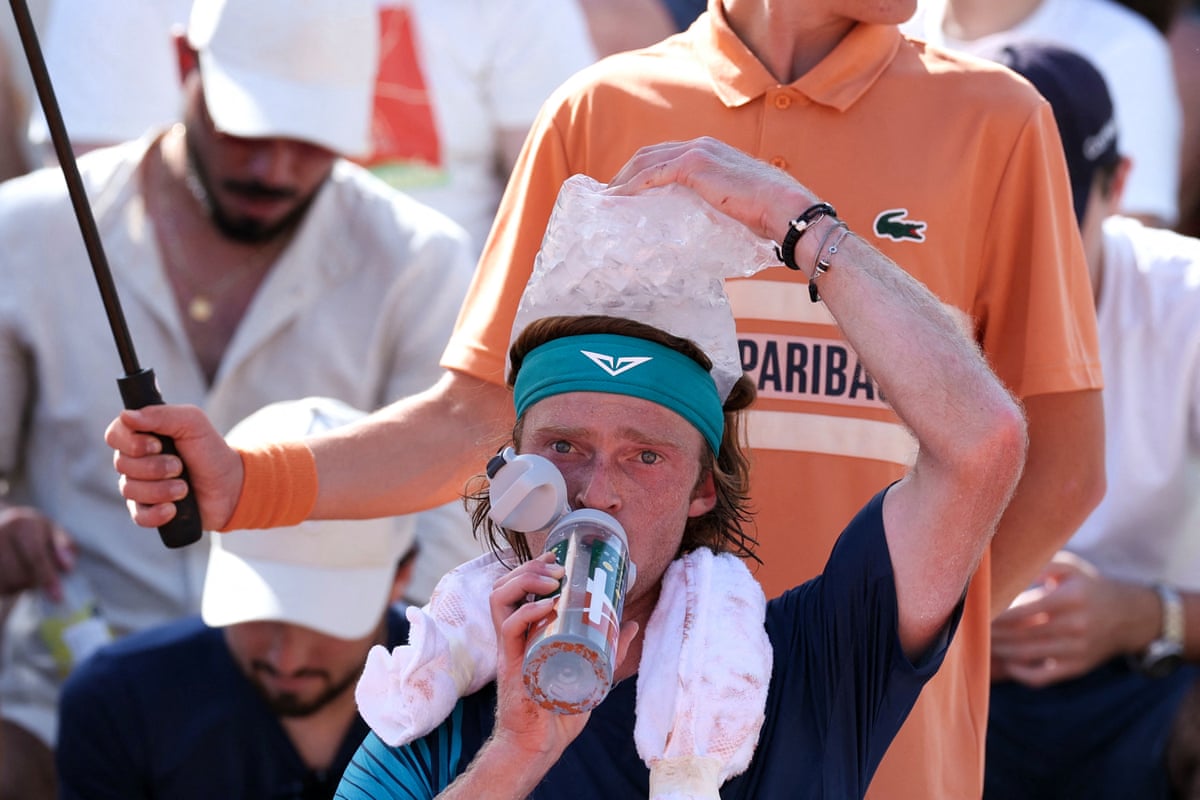
Clay Court Conditions and Their Impact
Clay courts are known for their variable playing characteristics depending on weather conditions, a contrast especially pronounced at Roland Garros. Players have frequently noted the slow pace in damp, cold, or nighttime conditions, partly due to the heavier Wilson balls used in the tournament.

Conversely, hotter conditions can accelerate play, benefiting serving, aggressive tactics, and shorter points. These conditions also favor many clay-court specialists, as the ball bounces higher and enhances heavy topspin.
“When we came here, it was like 16 degrees and the ball was super heavy,”a player said.
“You literally could put your whole body and whole power into the ball, and you would still feel like you control it. Now you need much more, like, touch, and you can’t go too much. Also, it’s a bit easier to play higher and with spin. The ball is bouncing off the court faster, so that gives you more advantage, I would say. But first you need to, yeah, have control over the ball, because it is playing faster in the air, and it’s easier to put it out.”
Player Perspectives on the Heat
Following his straight-sets victory over British qualifier Toby Samuel, Alex de Minaur commented on how the conditions suit his style.
“I’ve always preferred hot and lively conditions to chilly on a clay court, because I feel like I can bring a little bit more of my all-court tennis on this type of surface,”he said.
“It’s easier to be a little bit more aggressive. The ball is jumping. I don’t necessarily have to use as much spin or heaviness, and I can let the conditions do the job for me. And, also, it’s quite physical, right? I don’t mind the heat.”
Rising Star Toby Samuel’s Grand Slam Debut
Samuel’s loss to De Minaur marked his first main draw appearance at a grand slam and his first match against a player ranked inside the top 150. A former University of South Carolina collegiate player, Samuel began his professional career in 2024 and has quickly risen through the ATP rankings.
Starting the previous season ranked 1,785, Samuel has climbed steadily, winning four ATP Challenger titles since November. After three qualifying wins, he currently holds the No. 149 spot in the ATP rankings, a personal best.
“For my career, it’s a huge step forward,”Samuel stated.
“It’s definitely a big jump going from challenges to then playing major on the grand slam. It was a big leap, and I think taking a lot of confidence from this week and knowing that I can try and compete at this level. And then financially, it’s huge. This pays for the year on tour. Being major or slam and then coming through the qualities, usually you’re scraping the bar a little bit, but this will definitely help from the year going forward.”


