Jelena Dokic on Overcoming Adversity and Tennis Career
Australia’s former world No 4 tennis player and current respected pundit Jelena Dokic has shared insights into the highs and lows she has experienced throughout her life and career, emphasizing the critical role of family support in achieving success.
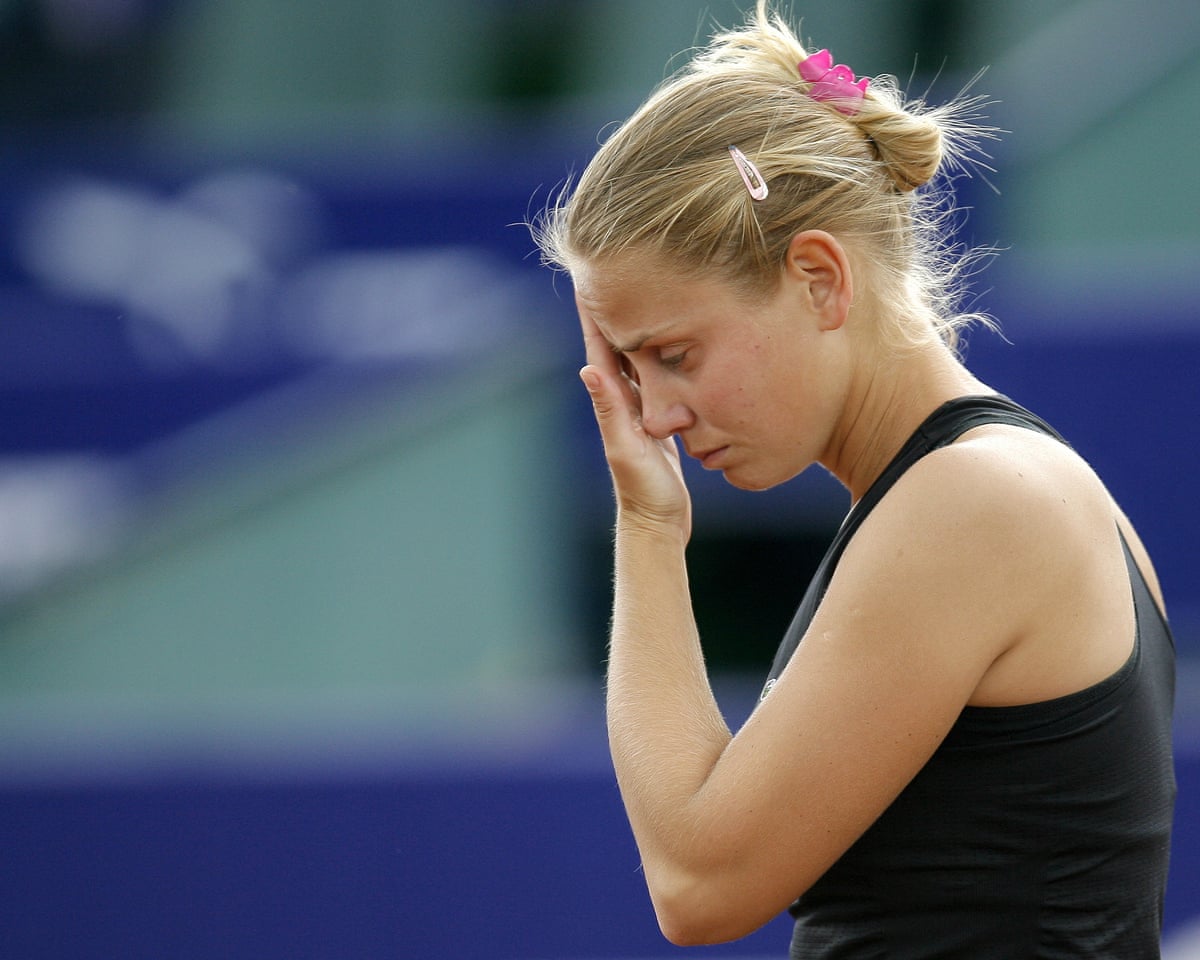
All professional athletes understand that managing extreme highs and lows is part of their journey. However, few have faced challenges as severe as those encountered by Dokic. Throughout her career and much of her life, she endured physical and psychological abuse from her father, which led to struggles with depression, an eating disorder, and at her lowest points, suicidal thoughts.
Despite these hardships, Dokic demonstrated extraordinary resilience, shaped by her upbringing in a war-torn region and her experience as a refugee on two occasions. Born in Croatia, then part of the former Yugoslavia, she moved to Serbia before eventually settling in Australia. Even during the most difficult periods off the court, she was capable of delivering remarkable performances on it.
In 1999, at just 16 years old, Dokic defeated the defending Wimbledon champion Martina Hingis in the first round. The following year, she reached the semi-finals at Wimbledon and narrowly missed winning a medal at the 2000 Sydney Olympics.

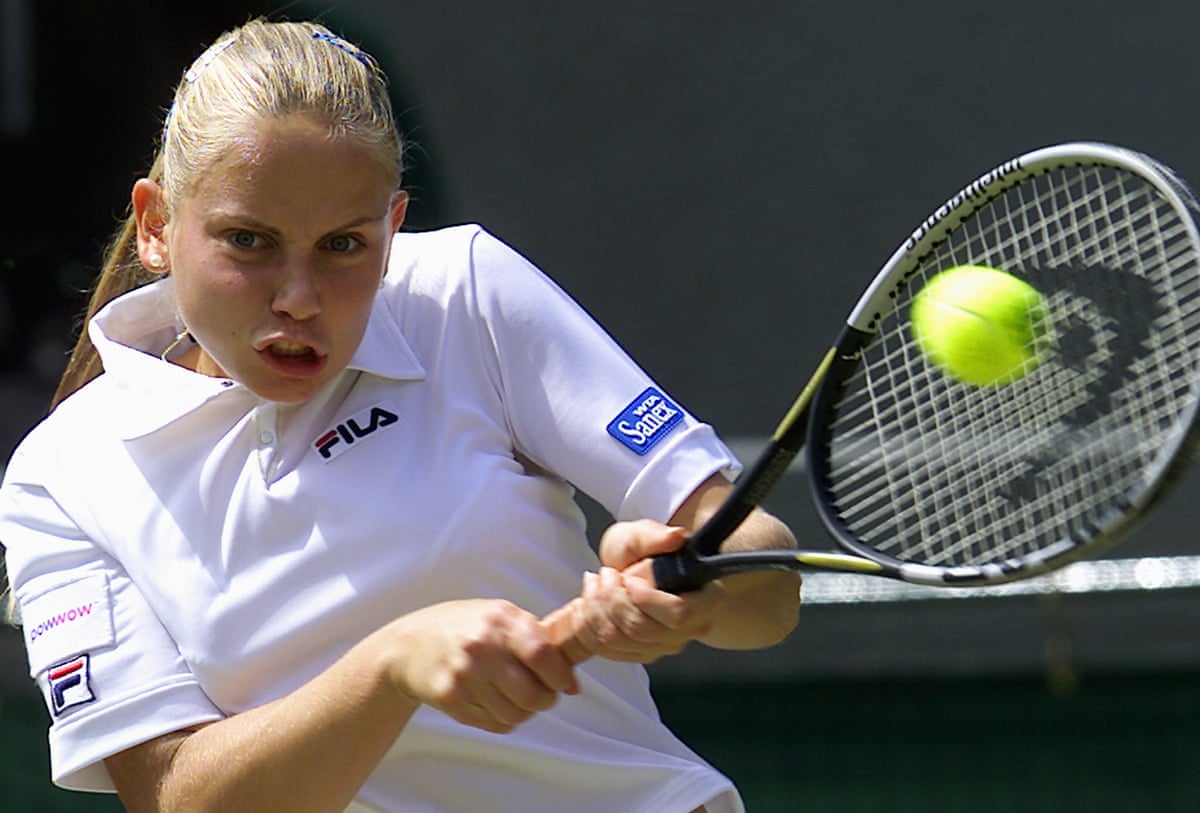
This May marks the 25th anniversary of the most significant title in Dokic’s career: her victory at the Italian Open in Rome. At 18, she defeated Amelie Mauresmo in the final, signaling her ascent to the top of the sport. That year, she won two additional titles, followed by three more the next season. By August 2002, she had achieved a world ranking of No 4. Unfortunately, the well-documented abusive behavior of her father eventually impacted her career, yet a quarter-century later, she remains a prominent figure in tennis.
Reflecting on the demands of professional tennis, Dokic said during the Australian Open media sessions earlier this year,
“It’s a tough sport, travelling 10 months a year. You start playing at four, five, six years of age. But just like any sport, those are the hours you put in if you love something that you do.
“I love my role now completely, doing what I do in talking tennis, it’s a big passion of mine. I will always love tennis and always have. Even in my worst moments, absolutely. And if anyone ever asked me, ‘what about my kid playing professionally, or even to play for fun’, I always say ‘do it’. It’s a great sport.”
Legacy and Advocacy
Looking back on her triumph in Rome, Dokic expresses pride in her ability to showcase her tennis talent despite the personal challenges she faced, including the abuse she has openly detailed in two books and a 2024 documentary. She does not assign blame but considers herself fortunate to have survived and grown stronger, using her experience to assist others.
“I’m extremely lucky to be here,” she said. “Many are not, and many you will never hear about … have never maybe been able to fulfil their dream and their talent. If you look at all the champions, grand slam champions, No 1s in the world in any sport, they have had incredible [family] support. You can’t go without that, and you can’t even get close to the top if you don’t have that.
“I wanted to show parents, to show coaches, and to show the world in general, there was this narrative for a very long time that if you’re really, really tough on your kid, and actually if you abuse them, then that creates champions. But it is such a wrong narrative.”
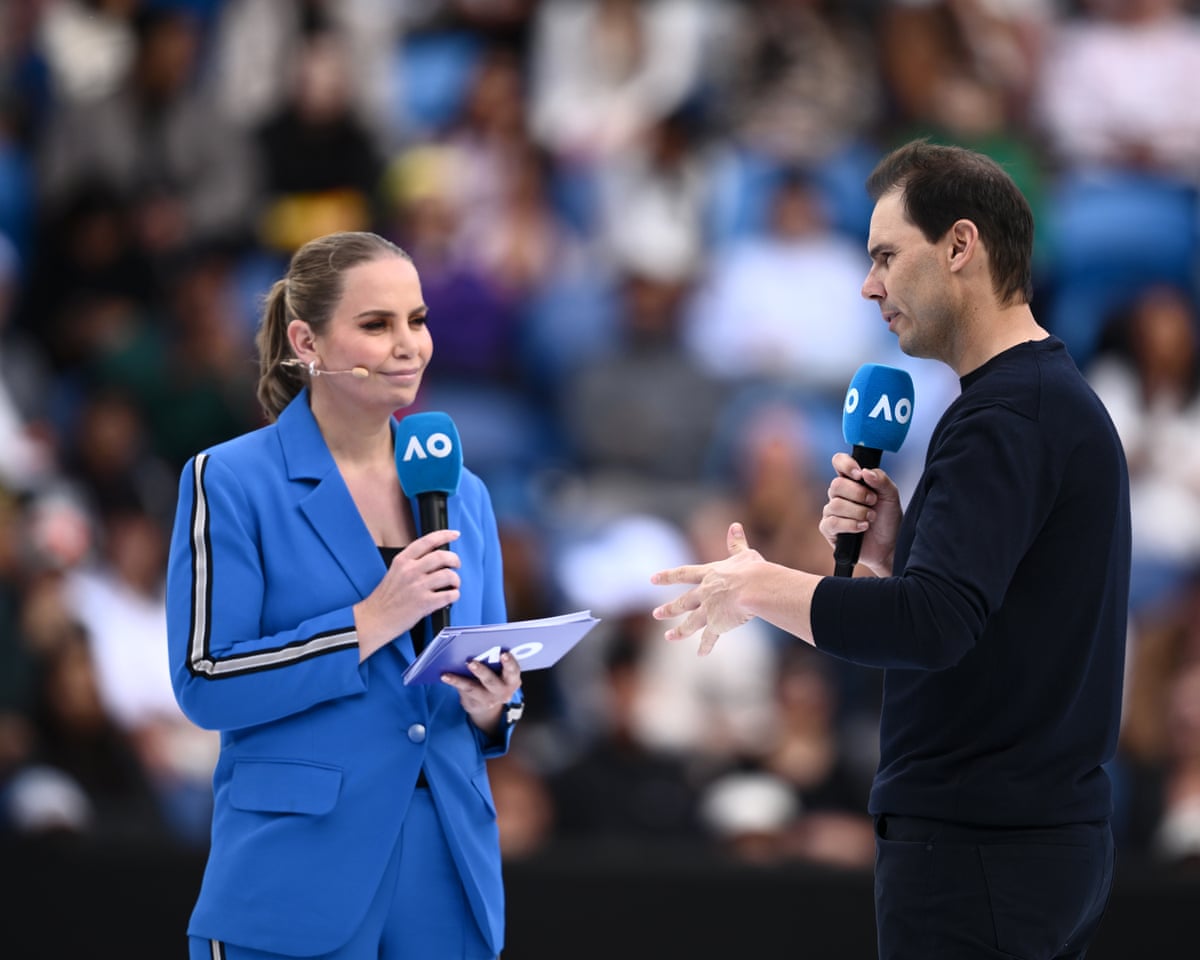
After a lifetime of challenges, Dokic has found her purpose. She is a respected on-court tennis interviewer and pundit for Australian television and an advocate for victims of domestic abuse. She expresses contentment and happiness in her current life.
“I found so much strength in actually speaking up, in being an advocate, in not being ashamed of your life and what you go through,” she said. “I think owning your story and being authentic about it, yeah, it’s brought happiness to me. It’s actually saved my life.
“I say the day that my book came out was the best day of my life by far, and that’s a big statement, because yes, I’ve had the lows, but I’ve also had incredible highs in my life, personally and professionally. But nothing will ever compare to that, the freedom that comes with being open about your story, about who you are, about what you’ve gone through. It’s life-saving.”
Personal Life and Future Plans
Now 43, Dokic has a new partner. Although they do not currently plan to start a family, she remains open to the possibility of adoption in the future.
“I still am open to adoption in a couple of years, potentially, absolutely,” she said. “It’s always been kind of on my mind. I think I can give so much love to a kid that will potentially go through a tough time, be an orphan, maybe not have that love and support. I’ve always felt like I can give a lot of that, and I love kids, so I’m still open to that idea, absolutely.”