Online Abuse in Sport: A Persistent Challenge
Online abuse in sport is a longstanding issue. Exceptional performances, national team selections, or medal-winning achievements can instantly reach vast audiences. However, this exposure can quickly turn hostile.
Errors or disappointing performances often provoke criticism that feels personal, anonymous, and unfiltered.
Wales football international Hannah Cain highlighted the "really ugly" abuse she endured online, voicing an experience many athletes face but seldom publicly discuss.
"There is no room for any kind of abuse, hiding behind a keyboard every single week and targeting the same player regardless of underperforming, performing or over performing isn't acceptable on any platform,"she wrote on social media.
"You never know what a person is going through. Enough is enough."
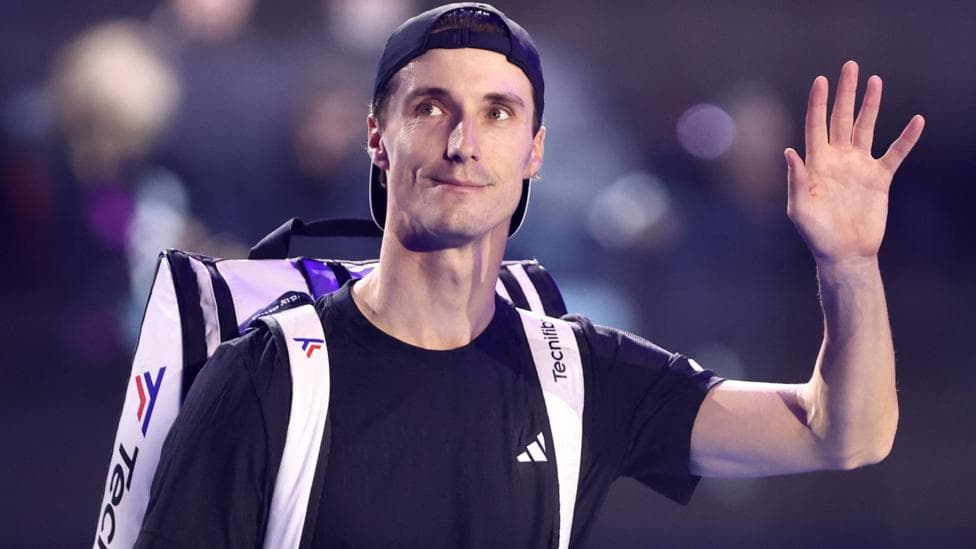
Tennis player Heather Watson revealed she receives abuse "daily" and had received a death threat at just 18 years old, the first of many.
The Cost and Power of Visibility
Sports psychologist Dr Mikel Mellick emphasized the unavoidable scrutiny athletes face due to social media.
Social media has dismantled many barriers between players and fans, extending criticism beyond the field to relentless online commentary.
"As an athlete, you're constantly under judgement. Judgement from your peers because you're in competition for selection and by coaches and managers,"he explained.
"Then you introduce social media where the fan isn't just shouting from the stand but can write without any justification and offer opinion without any right of reply. That's perceived as a significant threat."
This constant exposure can subtly but significantly affect athletes.
"I saw many athletes go through that process of scrolling and only ever focusing on and recognising the negative comment, which might be one in 50,"Dr Mellick said.
"But that's the one they hook onto and concentrate on, and it starts to sap your level of motivation, it decreases your confidence, enjoyment of the challenge and can start to impact not only on performance but also mental health."
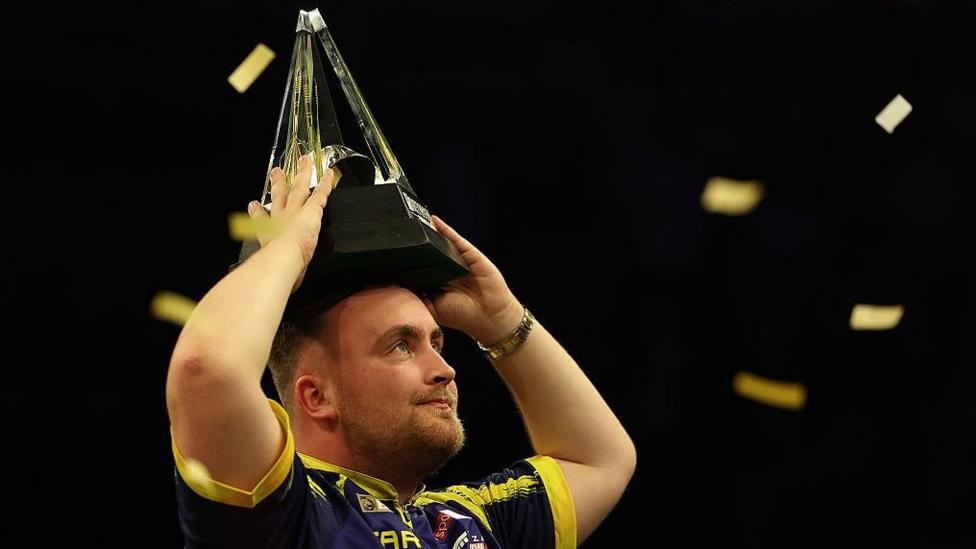
World darts champion Luke Littler has experienced this pressure firsthand.
After reclaiming his Premier League Darts title, he admitted he had contemplated quitting due to the abuse he endured.
"After Brighton and the incident in Manchester, I was sat at home saying to Faith [his partner] 'I don't want to do it any more, [it's] just the crowd every week'."
TNT Sports Presenter Laura Woods reflected on the situation:
"One thing we do really badly I think, is we build them [young athletes] up, we shoot them down."
For younger athletes entering elite sport, the adjustment to this exposure can be particularly harsh.
Careers that once developed gradually are now instantly visible. A breakthrough, mistake, or minor incident can rapidly become public discussion.
Tennis player Katie Boulter experienced this when she received death threats after losing a tie-break at the French Open last year.
At the time, she described social media abuse as becoming the "norm" for athletes. Speaking to a year later, she said progress to eliminate such abuse remains a "work in progress".
"I don't think that's something that's just going to happen very quickly. It's a problem we've had for a very long time,"she said.
"I see improvements. We are moving in the right direction, but there's still a lot of work to be done."
'Some Athletes Need the Publicity'
Joe Towns, a senior lecturer and sports TV live producer with over 20 years at the BBC and Sky Sports, noted that the current level of athlete exposure is unprecedented.
"It's never been easier for an athlete to communicate with their fans,"he said.
"But it's also never been easier to make a mistake, say the wrong thing or upset a certain segment of society. It's not hard to offend these days."
Saracens rugby player Georgia Evans experienced online abuse unrelated to her performance, targeted for the colour of her hair bow while playing.

Such pressures can overwhelm athletes. Some, like Brennan Johnson, have chosen to step back, with Johnson deactivating his Instagram in 2024 to focus on football.
However, withdrawing from social media can have consequences, especially in sports where athletes rely on exposure to build careers and income.
"There are sports where you don't earn football wages so you need to cultivate an online following just to attract more marketing opportunities and brand opportunities,"Towns explained.
MMA fighter Dakota Ditcheva described the pressure on emerging athletes to maintain an online presence.
"[As] fighters [we] struggle with that. If we don't keep posting and keep our accounts engaged, then promotions don't want us and we don't build our name,"she said.
"It would make a lot of difference for fighters if they didn't have to stay active in that crucial [fight] week."
For many athletes, online visibility also presents opportunities.
Social media enables them to shape their image, communicate directly with supporters, and build audiences independently of traditional media, fostering the growth of "personal brands."
"We're dealing with a creator economy for athletes now and an attention economy. Brands want the attention of audiences; it's athletes that can do that,"Towns said.
Consequently, visibility becomes a necessity rather than a choice, increasing exposure and vulnerability.
Reshaping the Noise
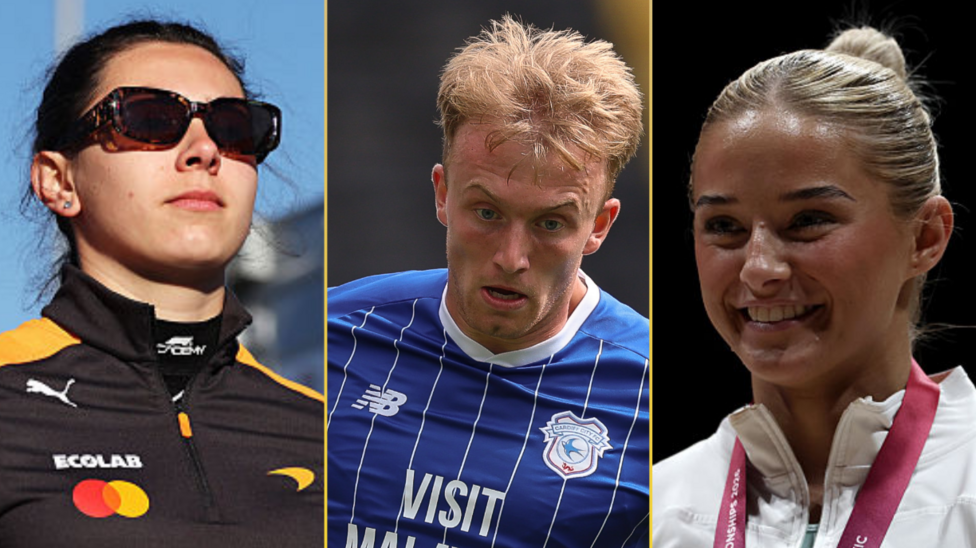
Young athletes such as Ella Lloyd, Eli King, and Ruby Evans are developing their own strategies to handle social media.
While abuse persists, athletes' responses are evolving.
Some, like Formula E driver Ella Lloyd, choose to dismiss negative comments with humor, while Olympic gymnast Ruby Evans, competing at this year's Commonwealth Games, responds firmly:
"They can't do what I do."
Rather than merely enduring social media, many athletes actively shape their visibility. Dr Mellick attributes this partly to generational differences.
"Having grown up with this technology, [younger athletes] are better able to adapt to it. They have a better knowledge and understanding and appreciation for it,"he said.
"They don't see it as an immediate threat response. It's something they're familiar with. They have a better understanding that social media is not fact-based. It's a form of entertainment.
"They can then also look and use to explore it in more positive ways."
Cardiff City midfielder Eli King exemplifies this approach. During his recovery from an anterior cruciate ligament injury last season, he launched Justaquickconvo, a social media podcast series focused on mental health in sport.
King hopes to use his platform positively and, despite initial hesitation about sharing his experiences, he found the response encouraging.
"People reaching out to me explaining their stories and maybe their struggles and why me trying to do something like this is helping them. Once I received that reception, it was worthwhile,"said the 24-year-old.
"Everyone has their problems and struggles. If one person can watch that [his content] and feel encouraged to call their mate the next day, that's sort of my job done."
Dr Mellick highlights the significance of this trend.
"From research we know that athletes sharing their struggles online has been a really impactful measure to break down stigma associated with mental health issues,"he said.
"It has increased help-seeking behaviour, particularly in males, and created better and safer conversations around mental health and well-being."
Exposure is inevitable, but athletes increasingly learn not only to endure social media noise but also to inspire change through their platforms.
They are helping to redefine visibility with the hope that even small actions can influence behaviour.
As Cain stated:
"If I can make people think before they write something, I will."