

Sinner’s Unexpected Exit Amid Heat and Illness
Jannik Sinner, the world’s No 1 men’s tennis player, was leading by two sets and serving for a spot in the third round of the French Open when his condition deteriorated dramatically on the clay courts of Roland Garros on Thursday afternoon. The Italian’s surprising second-round defeat at the only Grand Slam he has yet to win was not due to his opponent’s skill or the pressure of being the favourite, but rather his own physical state. Sinner, who had been undefeated since February, revealed afterward that he had been battling an illness.
Although he dismissed claims that the high temperatures contributed to his loss, the unprecedented heat wave during the tournament’s first week likely compounded his difficulties. The match, played before a packed and stunned crowd on Court Philippe-Chatrier, saw spectators alternating between shielding themselves from the sun and witnessing a historic upset. Sinner struggled to move and was uncompetitive in the latter stages of the match.
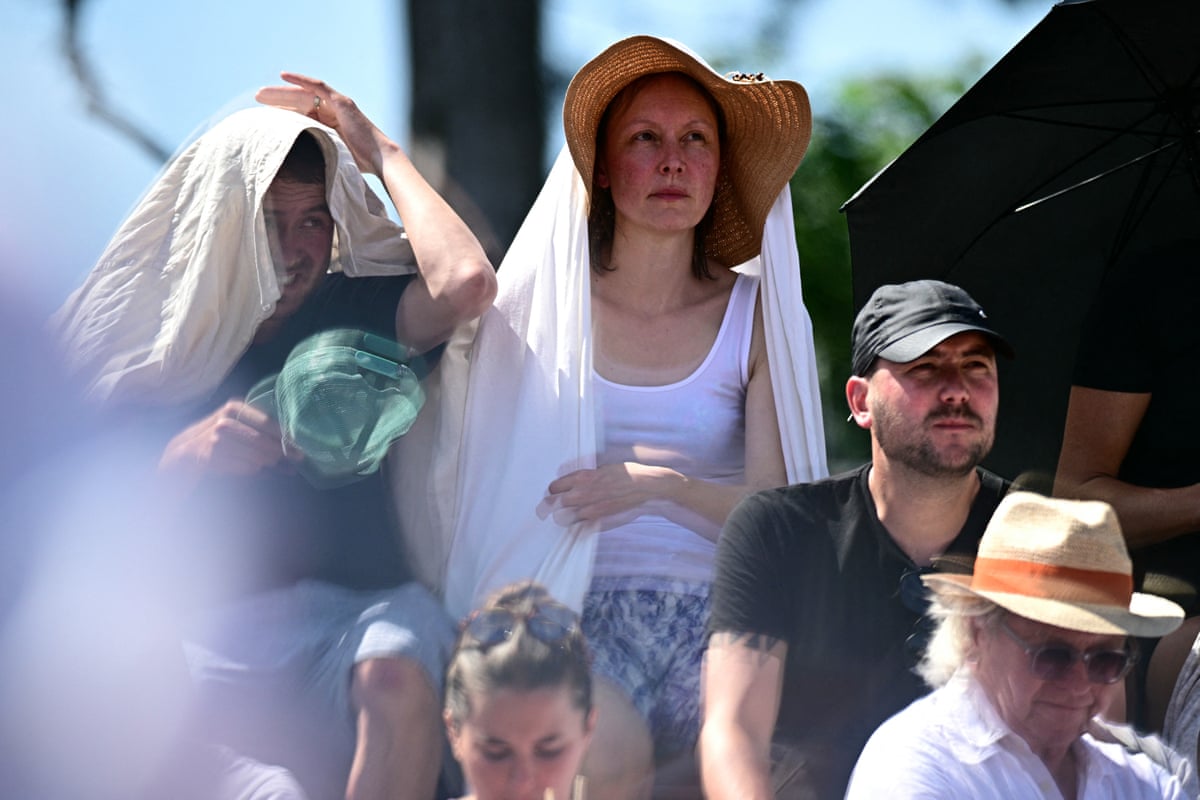
This loss ranks among the most shocking in recent memory. At 24 years old, Sinner entered the match on a 30-match winning streak and had recently become the only man besides Rafael Nadal to win all three clay court ATP Masters 1000 titles leading up to the French Open. With Carlos Alcaraz, last year’s champion, sidelined due to a right wrist injury and also expected to miss Wimbledon, no other player had demonstrated the consistency to rival Sinner’s form.
However, Sinner is known to struggle in hot conditions, and the decision to schedule his match as the first on Court Philippe-Chatrier at midday raised concerns about his ability to cope. As his physical condition declined, many assumed the heat was the cause. Sinner later refuted this, attributing his performance solely to illness.
“This is the sport. It was warm, but not crazy warm. I feel like it was quite OK to play. Really it was nothing against the heat, nothing against the weather. It was just me today, but it happens.”
Heat Wave Alters Conditions and Divides Players
Players at Roland Garros are accustomed to weather disruptions, typically rain delays and damp courts, but this year’s heat wave has altered playing conditions and divided opinions within the locker room. Afternoon temperatures have consistently ranged between 32 and 35 degrees Celsius.
Such heat is rare during the second Grand Slam of the year, causing confusion about the tournament’s heat policies early in the week. Novak Djokovic, when asked about the rules on Wednesday, mistakenly believed there were none:
“I really don’t understand why they don’t have the heat rule. I actually didn’t know. I thought that there is in every slam, but then someone told me that Roland Garros has no heat rule.”

In reality, tournament organizers monitor temperature using wet bulb sensors, and matches can be suspended if it exceeds 32.2 degrees Celsius. However, no match has been halted at Roland Garros due to heat to date.
The intense heat also affects play on clay courts. Cooler, damp conditions make balls heavier, resulting in longer rallies and lower bounces. Conversely, hot weather hardens the court and causes the ball to travel faster. The quicker courts favor offensive players and enhance serving effectiveness. Players with heavy topspin, like the retired 14-time champion Nadal, become even more formidable as the ball bounces higher.
Players’ Varied Responses to the Heat
Players differ in their assessments of the heat’s difficulty. The 26th seed Jakub Mensik described the conditions as "brutal" after collapsing with cramps and needing assistance in a wheelchair following his dramatic five-set second-round victory over Mariano Navone on Wednesday. Despite his reputation for endurance, two-time French Open finalist Casper Ruud overheated during his opening match and appeared close to defeat before rallying in the fifth set to beat Roman Safiullin.
“I felt at times really dizzy and just really tired and walking around like a zombie almost,”Ruud said.
Conversely, some players, including Sinner, do not view the heat as extreme. Tennis, a sport that follows the sun globally, often involves playing in hot conditions. Ben Shelton, the fifth seed, noted that American players may have an edge this week:
“In general, yes. I think that we’re more used to dealing with it. All of us live in Florida, so that physical part becomes less of a factor.”
After her 7-6 (1), 6-4 second-round win over Donna Vekic, four-time Grand Slam champion Naomi Osaka, who also spent her formative years in Florida, expressed a preference for even hotter conditions:
“I kind of like it. I want them to turn it up a little bit.”
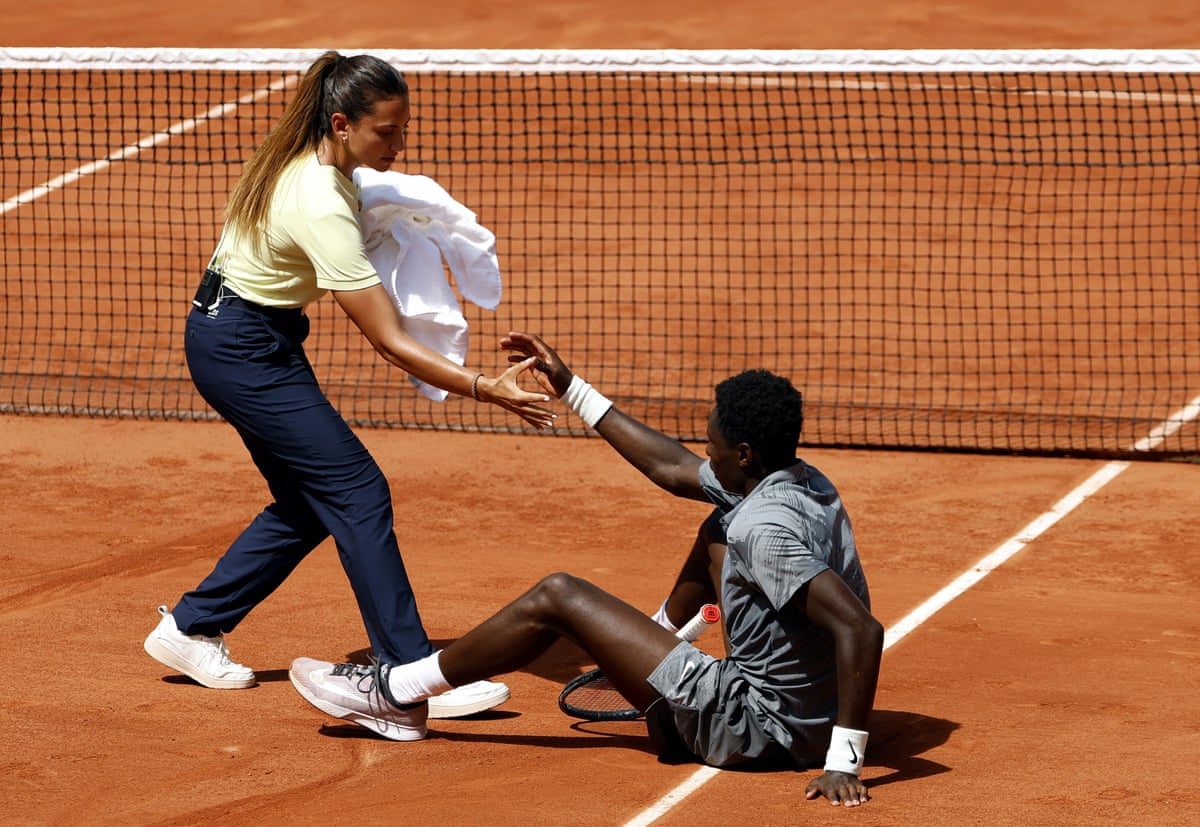
Meanwhile, France’s Moise Kouame was assisted during his second-round match against Adolfo Daniel Vallejo, highlighting the physical toll the heat is taking on players.


