The End of a Dream
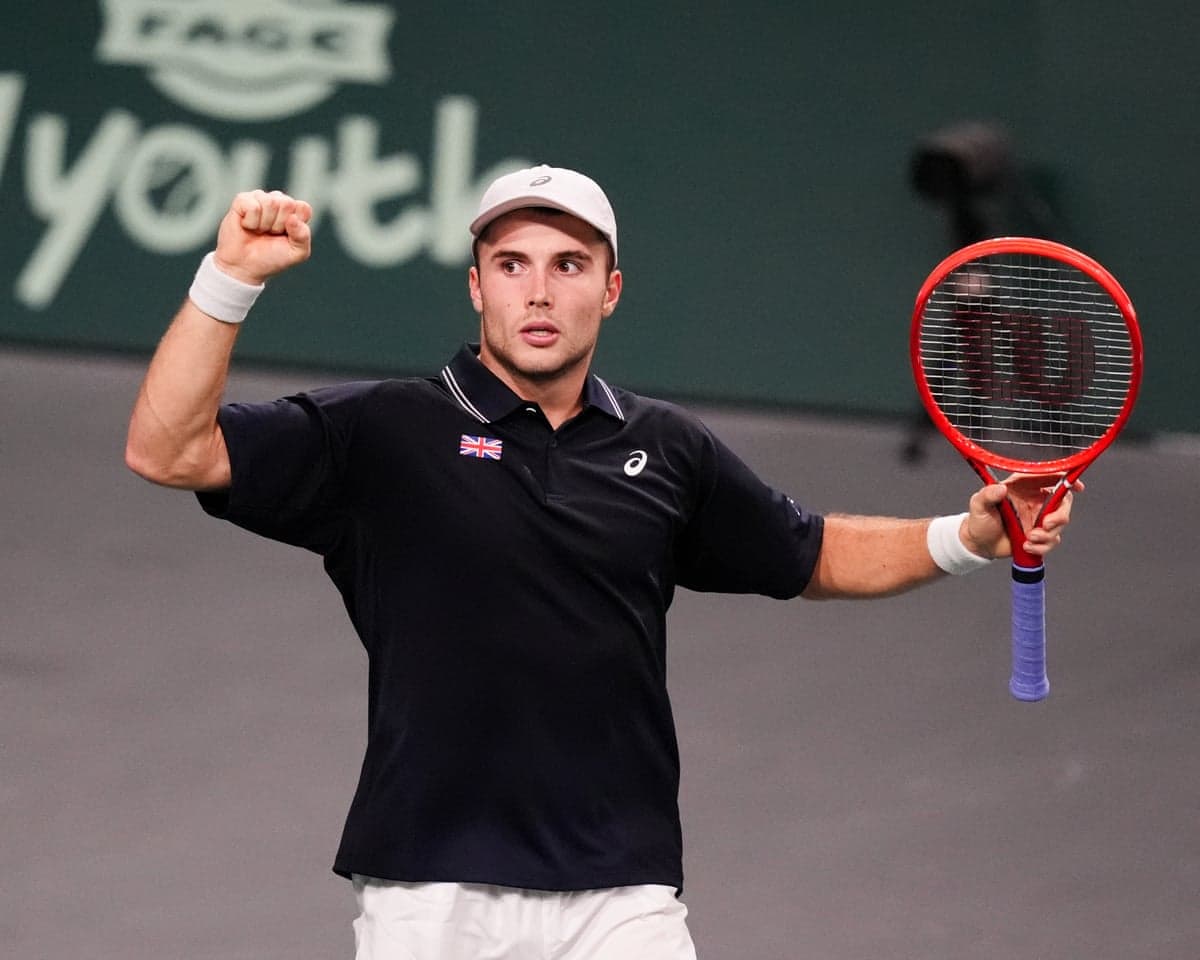
The last person in the stadium who truly believed was Arthur Fery himself, outclassed but never outfought, a 5ft 9in battery pack in a world of power plants.
His remarkable run to the Wimbledon semi-finals carried a surreal, almost dreamlike quality—a shaggy-dog story that kept unfolding: the fling that ended in marriage, the picnic that turned into an all-night rave, Super Hans accidentally running to Windsor.
When reality finally arrived, it did so slowly at first, then all at once. The turning point came when Sascha Zverev broke serve early in the second set, prompting some spectators to leave their seats. Not many, but enough to be noticeable. Perhaps this marked the moment when the air and belief began to leak out of Fery’s fantastical fever dream—a marvelous journey that, if we are honest, was always likely to end this way.
Facing a Formidable Opponent
Despite optimistic predictions, Fery was always expected to struggle against the new French Open champion. Zverev, standing nine inches taller, landed 72% of his first serves, dominated backhand exchanges, and took more points at the net than usual. Simply put, Zverev possesses one of the most expansive games on tour, with large margins for error and a wealth of free points.
Perhaps the last person who truly believed was Fery himself—outclassed but never outfought, a relentless 5ft 9in force competing against towering opponents, swinging and scampering to the very end. In hindsight—and at the time—the loss of the first set tie-break felt decisive, Fery’s last real chance to resist the immense gravitational pull dragging him back to earth.
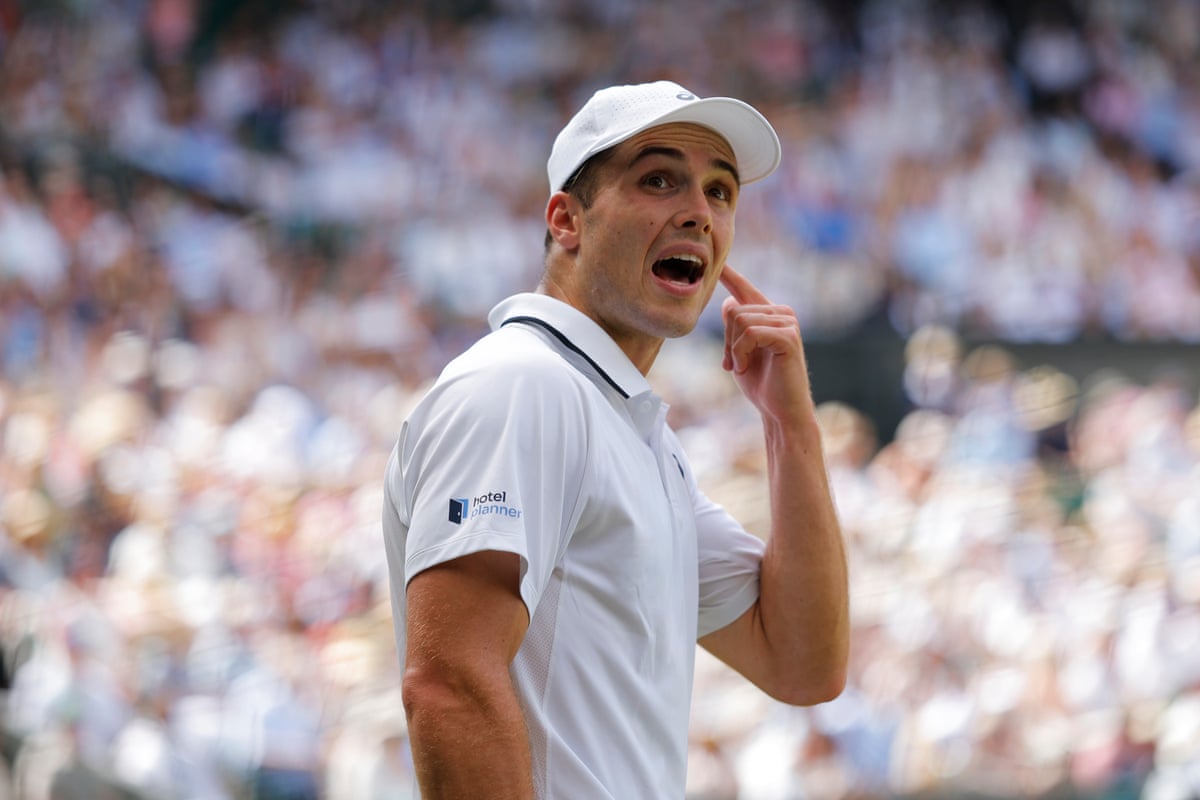
The Match Unfolds
The announcement of Zverev as Fery’s semi-final opponent on Wednesday night was met with boos from the Centre Court crowd, but these did not translate into anything more substantial during the match. The closest Zverev came to genuine jeopardy was in the first set when Fery broke serve to 15, briefly maintaining the illusion of a contest.
Beyond that, the match was largely one-sided: Zverev crushed the tie-break 7-0 and dispatched the second set in 38 minutes. More spectators left as the match progressed. The Royal Box began to thin out. Virgil van Dijk moved toward the refreshment area. Sachin Tendulkar, known for his stoic patience, decided he had seen enough. The break point Fery converted in the fifth game would be his only one of the match.

Reflecting on Fery-mania
Thus concludes Fery-mania, deeply mourned by a large circle of friends and casual acquaintances alike. Perhaps the first and most natural reaction to Fery’s run is to acknowledge its strangeness—the astonishing speed with which a British tennis player can rise from anonymity to receiving good-luck messages from Marc Guéhi and Dan Burn in less than two weeks.
Fery is a talented player but lacks a recognizable brand or outsized personality traits. So what were the crowds really cheering for? Three little letters on a television graphic. A flag. A passport. The imagined and unthinking kinship that only sport can produce: the idea that this man, the son of a French multimillionaire and member of the All England Club, is somehow representing all of us.
Of course, British tennis’s system essentially combines privilege, connections, generational wealth, and fortunate circumstances of birth. This is not to disparage those who have succeeded but to lament those who never had the means to invest indefinitely in their careers or the early exposure that comes from having parents within the tennis establishment.
Confidence Rooted in Upbringing
Throughout the tournament, commentators noted Fery’s assurance and self-confidence. Perhaps this stems from his upbringing: a distinct absence of impostor syndrome and a belief in the inherent fairness of the universe. Maybe Fery acts as though he belongs because he truly did grow up in a world where he belonged in every room he entered.
Looking Ahead
Although this run has ended, Fery’s career may continue to ascend in the short term. As the new British No. 1 and ranked No. 36 globally from Monday, he can enter nearly any tournament he chooses. With relatively few ranking points to defend, it is not impossible that he could be seeded for the US Open.
However, the game he now faces is different. After their quarter-final, the defeated Flavio Cobolli admitted he had not watched any of Fery’s matches at Wimbledon. That will not happen again for some time. There will be a target on his back, expectations to meet, and a higher physical standard for a player who has struggled with injuries. He will face higher-bouncing surfaces, tougher competition, no home crowd advantage, no surge of momentum, and no novelty or anonymity to shield him from scrutiny.
It has been a phantasmagorical fortnight in the manor, but in many ways, the real hard work starts now.