Strong Ski Season Across Scotland's Mountain Resorts
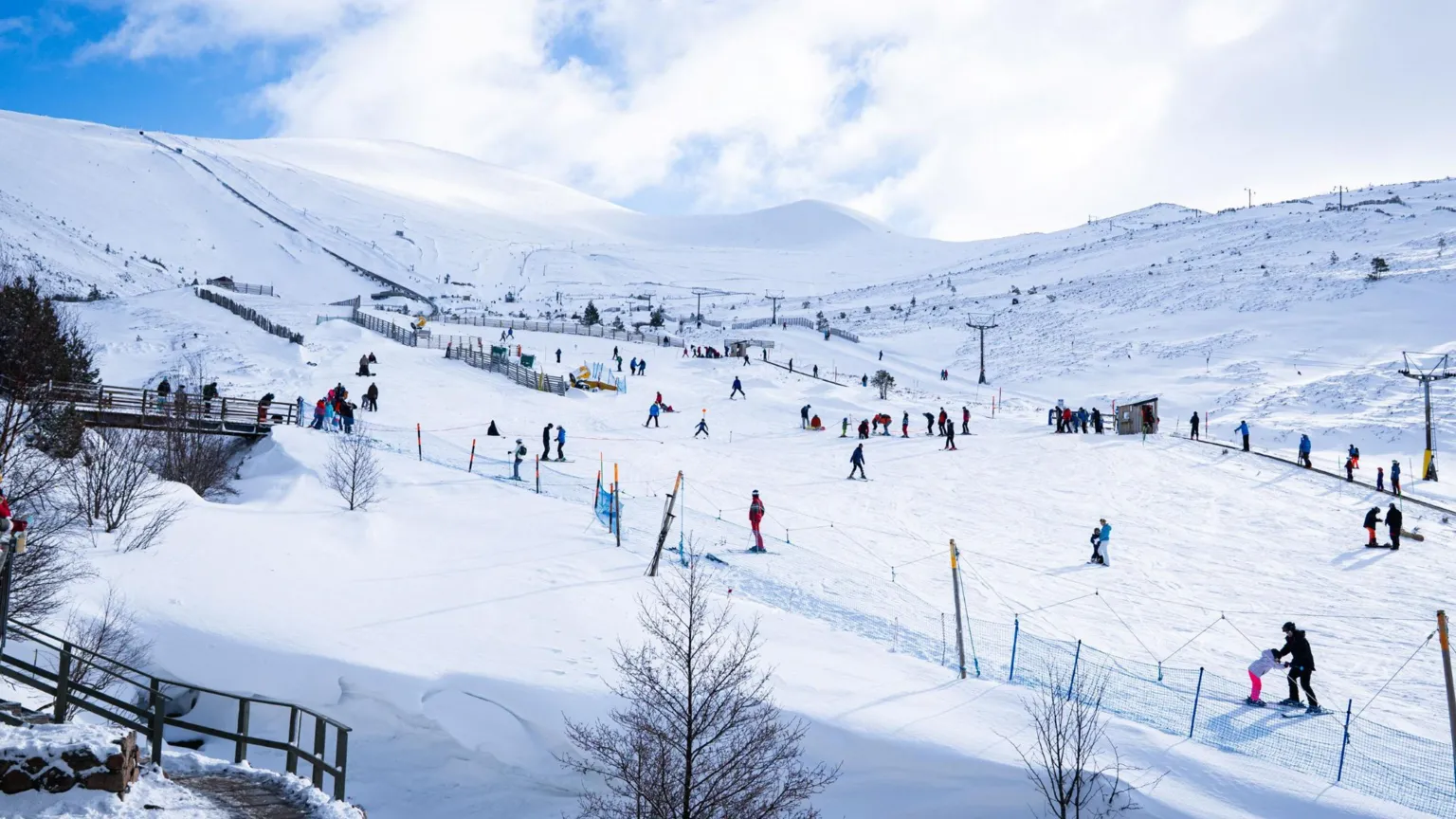
Scotland's mountain snowsports centres report experiencing their most successful winter in six years. Glenshee has been operational since late December, with the resort describing conditions over the past three weeks as "fantastic."
Glencoe Mountain noted that this season is the best since the onset of the Covid pandemic in March 2020, while Cairngorm Mountain characterized the current season as a "great year" so far.
Despite the positive developments on the slopes, heavy snowfall combined with strong winds has heightened avalanche risks on some of Scotland's highest peaks.
Avalanche Activity and Warnings
The Scottish Avalanche Information Service (SAIS) has recorded approximately 150 avalanches this season, nearly 100 of which occurred in the past month alone. This figure is more than three times the total number recorded during the entire previous season.
Historically, Scotland's mountain snowsports resorts have faced challenging seasons, notably in 2016-17 and 2018-19. Nevis Range postponed the start of its 2024-25 winter season until sufficient snow accumulation occurred.
This winter, a combination of snow and several days of calm weather has enabled all of Scotland's mountain centres to open for snowsports. However, high winds have caused some operational disruptions, and milder weather is forecast for the upcoming weekend.
Resort Updates and Visitor Numbers
Andy Meldrum, manager at Glencoe Mountain, reported that on Tuesday the site hosted over 1,000 skiers and approximately 600 sledgers.
"Best season since Covid. We have been open for skiing now since early January. Almost all runs and uplift on the mountain are open."
Friday marks a significant milestone for Glencoe, commemorating 70 years since the first ski tow operated in Scotland, located in the Main Basin at Glencoe.
David Farquharson, managing director at Glenshee near Braemar, stated that conditions have been "fantastic" since about three weeks ago, coinciding with the schools' February half-term break.
"Busiest day so far has been 2,500 people. Certainly already better than any since being shutdown for Covid."
Farquharson highlighted that the key difference over the past 50 days has been the ability to open more runs beyond just the beginners' area.
"The difficulty is finding the staff now as we are just a seasonal employer so we start with 15 full-time staff and are now employing 60 to 70, which is a big ramp up from our small base."
Cairngorm Mountain, near Aviemore, reported hosting 23,000 skiers since opening on 21 November.
A spokesperson commented:

"Since then, we have had 68 days of snowsports available, with some of our surface lifts - including the West Wall Poma - operating for the first time in several years. The team on the hill has been working around the clock to keep operations running smoothly and is focused on maximising the snowsports potential this season."
"The winds and drifting snow have caused some challenges, but they have also created amazing conditions on the mountain."
Nevis Range, near Fort William, and The Lecht, in Aberdeenshire, have also opened for snowsports.
A spokesperson for The Lecht, which commenced operations on 8 January, stated:
"This winter has been a lot more successful than last year. We have had lots of natural snow which has meant we have been able to open up the whole hill rather than just the beginners area with factory snow."
Last year, The Lecht only managed to open its main uplift with natural snow for about five days, with the remainder relying on artificially-made snow.
"We were constantly battling mild temperatures last year. There is some mild weather coming in over the weekend so hopefully it won't do too much damage."
Avalanche Warnings and Mountain Safety
While skiers have benefited from favourable conditions, the combination of heavy snow and strong winds has increased avalanche risks on some of Scotland's highest mountains. These areas are frequented by hillwalkers, climbers, and backcountry skiers.
The Scottish Avalanche Information Service (SAIS) issues hazard forecasts from mid-December through mid-April. This season, it has recorded about 150 avalanches, including nearly 100 in the past month alone, a significant increase compared to previous years.
In contrast, the 2024-25 season recorded only 42 avalanches, the lowest in SAIS's nearly 40-year history.
Earlier this week, the Lochaber Mountain Rescue Team encountered an avalanche in Ben Nevis' Red Burn area during multiple rescue operations.
SAIS has issued "considerable" avalanche hazard warnings in recent weeks for regions including the Cairngorms, Creag Meagaidh, and Lochaber.
Snowfall Patterns and Climate Context
The Met Office notes that year-on-year snowfall comparisons are challenging due to the UK's highly variable climate. Various factors can cause a single winter to have more or less snow than the previous one.
A spokesperson explained:
"However, when we look at the longer‑term picture, over the last 30 years, there is a clear reduction in the number of days with falling snow."
"We'll need to wait until the end of this winter season before assessing how this year fits into that longer‑term trend."
The Met Office confirmed that this winter has been notably wet. It attributes this to an "energised" jet stream, a fast-flowing air current encircling the planet, which has directed low-pressure systems across the Atlantic toward the UK.
Additionally, a blocking high-pressure system over northern Europe has slowed or stalled these low-pressure systems, allowing successive weather fronts to deposit rain over the UK.
"Persistent rainfall since the start of the year has created the sense that winter is 'stuck on repeat,' with little to no prolonged dry periods."
The Met Office also noted that western parts of Scotland have experienced drier than normal conditions in contrast.