Controversial Safety Car Ending at Silverstone
The conclusion of the Silverstone Grand Prix, ending under the safety car and denying fans a potentially thrilling finish, was a contentious and complex incident. It highlighted issues from Formula 1's history and raised questions about future rule adjustments.
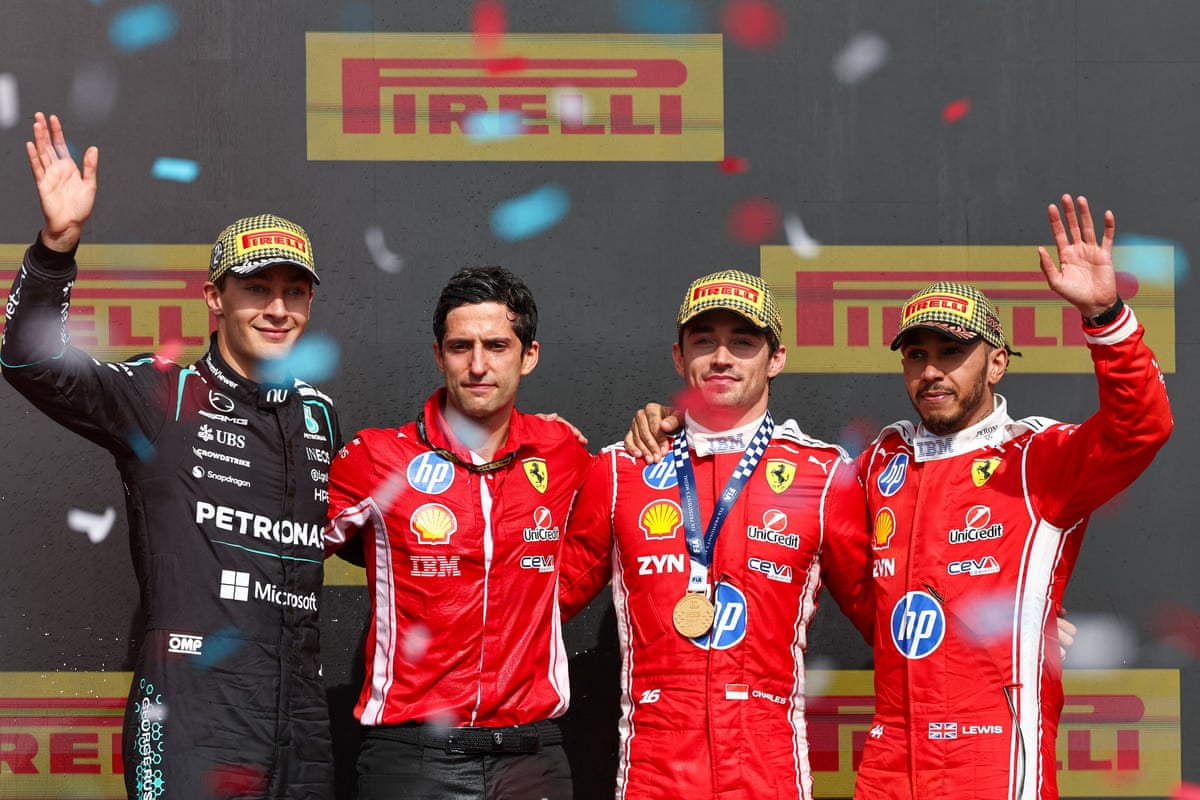
Charles Leclerc, who won the race, expressed afterwards that he would have preferred a more dramatic finish than one behind the safety car. Such scenarios are rare but generally unsatisfactory to most observers when they occur.
On Sunday, Max Verstappen's late crash triggered the safety car deployment. The field then completed the final four laps behind the safety car until the race ended. Fans’ frustration was heightened by an FIA software error indicating the safety car would withdraw, setting up a final lap shootout. This mistake, which raised expectations for a racing finish, only intensified disappointment as the cars continued behind the safety car, leading to booing at Silverstone and from viewers worldwide.
Historical Context and Rule Enforcement
This incident inevitably recalls a recent and significant precedent. Five years ago, the 2021 Abu Dhabi season finale ended controversially when race director Michael Masi failed to apply the rules correctly during a late safety car period. This error arguably cost Lewis Hamilton his eighth world title. Masi was subsequently dismissed.
At Abu Dhabi, Masi had attempted to avoid a race conclusion behind the safety car. Since then, at Silverstone and every race thereafter, the rules have been strictly enforced.
On Sunday, the procedure to allow lapped cars to unlap themselves was initiated. According to regulations, one lap must be completed after this unlapping before racing can resume. That lap coincided with the race's end.
Mercedes driver George Russell benefited from this decision by maintaining second place without a challenge from Hamilton, who was on fresher tyres and could have contested the position in a final lap battle.

“I would have preferred for this to happen in ’21, that was more important,”
“But it’s good that the regulations have been followed. Sometimes it doesn’t make for the most exciting finale. Generally from a spectacle standpoint, everybody would have loved to see Lewis on a soft [tyre] against us and maybe fighting with Leclerc.
“But this is a sport. The show follows sport and not the other way around. So it’s good that the FIA made that call.”
Toto Wolff, Mercedes’ team principal, made these remarks, emphasizing the importance of fairness and rule adherence despite the anticlimactic finish.
Debate Over Race Finish Procedures
Wolff’s perspective underscores a rational approach: fairness and clarity are paramount, even if the spectacle suffers. However, the British Grand Prix outcome also reignites debate about how Formula 1 might address races ending without excitement.
The current rule allowing lapped cars to unlap themselves under the safety car is time-consuming and increasingly scrutinized. This process removes lapped cars from the lead lap to prevent them from interfering with the restart, but it delays the resumption of racing as these cars must pass the leaders at racing speed and then rejoin at the back.
One proposed alternative is to have lapped cars simply drop behind the lead lap cars late in the race, enabling a quicker restart and more immediate racing action.
Another suggestion involves introducing a rule specific to the final race stages, such as deploying a red flag and restarting the race. This would allow all drivers to change tyres and guarantee a competitive finish. However, such measures have pros and cons. If perceived as artificial scene resets—similar to F1’s hydration breaks—they may not be well received, as the sport traditionally prioritizes the sporting outcome over the show.
Fan Disappointment Despite Record Attendance
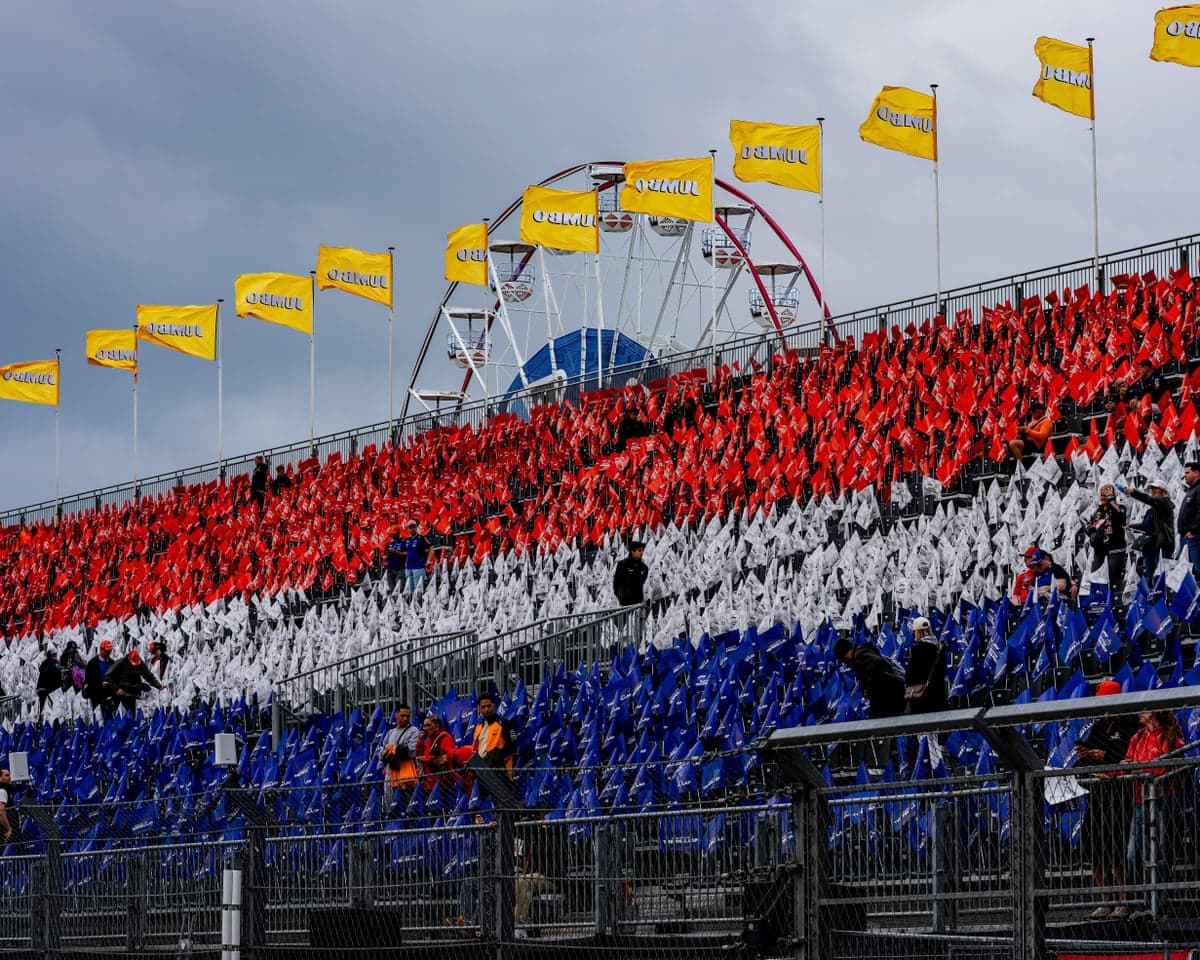
The sense of anticlimax at Silverstone was palpable. The event attracted a record-breaking crowd of 564,000 over the weekend, surpassing the previous highest attendance of 520,000 at the 1995 Australian Grand Prix. Despite the superb racing throughout the weekend, the finale left fans deflated and disappointed, deprived of the climax many had eagerly anticipated and invested heavily to witness.
These issues are complex and solutions would require extensive debate within the sport. Nonetheless, the dissatisfaction among fans at the conclusion of what should have been a gripping race is undeniable.