Agreement Reached on Engine Changes for 2027 and 2028
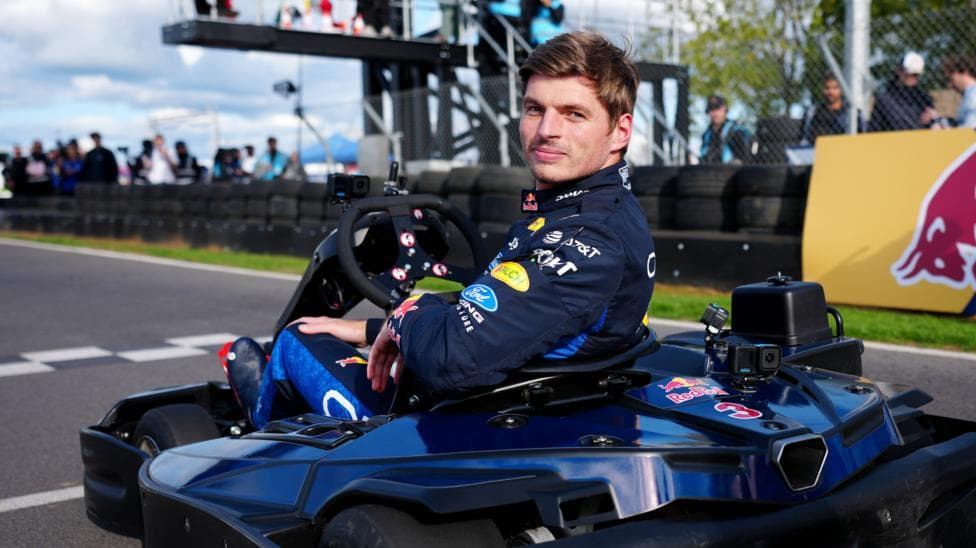
Key stakeholders in Formula One have reached an agreement to implement changes to the sport’s engines for the 2027 and 2028 seasons. These modifications aim to address widespread driver dissatisfaction with the current engine regulations, particularly voiced by four-time champion Max Verstappen, who has been one of the most outspoken critics.
Driver Concerns and Discussions
Verstappen has been notably vocal about his unhappiness with the existing engine rules, though he is not alone in his concerns. The FIA, teams, engine manufacturers, and Formula One’s owners have engaged in discussions to find solutions. However, the agreed resolution does not meet the minimum level of improvement Verstappen deemed necessary until 2028.
Focus on Energy Management
The primary goal of the changes is to address the extent of energy management drivers must perform each lap. Currently, the power split between the internal combustion engine (ICE) and electrical energy stands at 53-47. This balance has sometimes resulted in counterintuitive driving, where the emphasis is on energy management—recharging and harvesting—rather than driving at full speed, causing fluctuations in race positions and driver frustration.
Previous Proposals and Manufacturer Objections
In May, a proposal to adjust the power split to 60-40 in favor of the combustion engine was agreed in principle but had not been formally approved. Since then, the proposal’s implementation has been uncertain, reportedly due to objections from manufacturers such as Audi and Ferrari regarding an immediate change for the 2024 season.

Technical and Financial Implications
Increasing the fuel flow rate to the combustion engine is necessary, which may affect chassis design to accommodate a larger fuel tank and require reworking of the costly power units. Ongoing talks have sought to address these concerns, resulting in a compromise to implement the changes incrementally.
The power delivery split will be set at 58-42 for 2027, accompanied by a 5% increase in fuel flow, raising the maximum ICE output from 400kW to 420kW. Then, in 2028, the split will reach 60-40 with a 13% fuel flow increase and a maximum ICE output of 450kW.
Reception and Next Steps
The reception of these changes remains to be seen. Verstappen has stated that a 60-40 split represents the
“bare minimum”he would find acceptable. While the 2027 changes do not meet this threshold, they come close. Verstappen is expected to share his views before the Spanish Grand Prix this weekend.
The intention is to resolve the issues without necessitating major hardware modifications to the power units, which manufacturers like Audi have heavily invested in developing. The incremental 5% fuel flow increase for 2027 appears to be a compromise acceptable to all manufacturers.
Formal Approval Process
For the changes to be implemented in time for the next season, formal agreement must be reached by the end of June. The FIA has stated it will
“now expedite the formal approval process to provide all parties with early clarity and sufficient time to adapt to the revised requirements.”The proposals remain subject to approval by the World Motorsport Council at its next meeting in Macau on June 23.