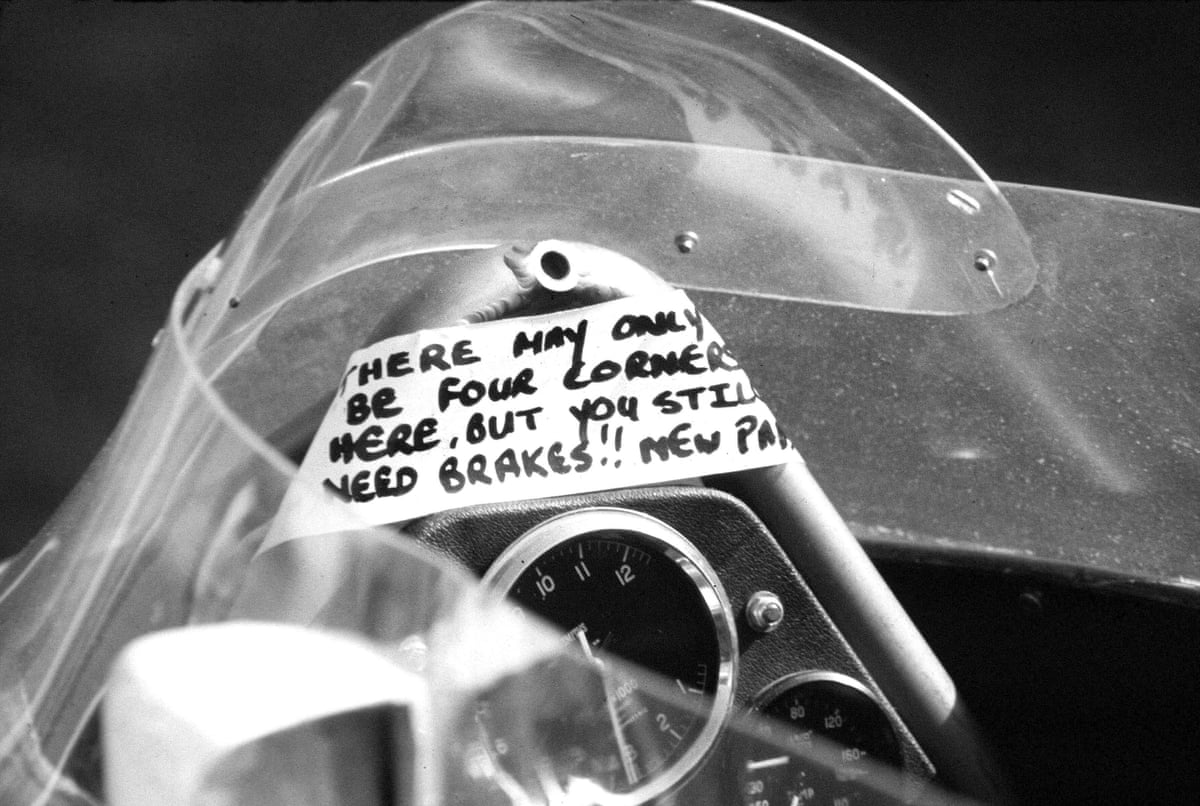
Introduction to a Historic Rivalry
Flamboyant British driver James Hunt secured his first and only Formula 1 world championship in a dramatic conclusion at the Japanese Grand Prix, the final race of the 1976 season.
Niki Lauda once described Hunt as “one of my few real friends in racing,” highlighting the genuine bond shared between the two great rivals despite their fierce competition for the 1976 world championship.
The championship was ultimately decided at the Japanese Grand Prix, where the sport returns for its third race of the current season on Sunday. This year marks the 50th anniversary of that extraordinary contest, where Hunt clinched his sole F1 title in an enthralling finale.
The Setting: Fuji Speedway and the 1976 Season
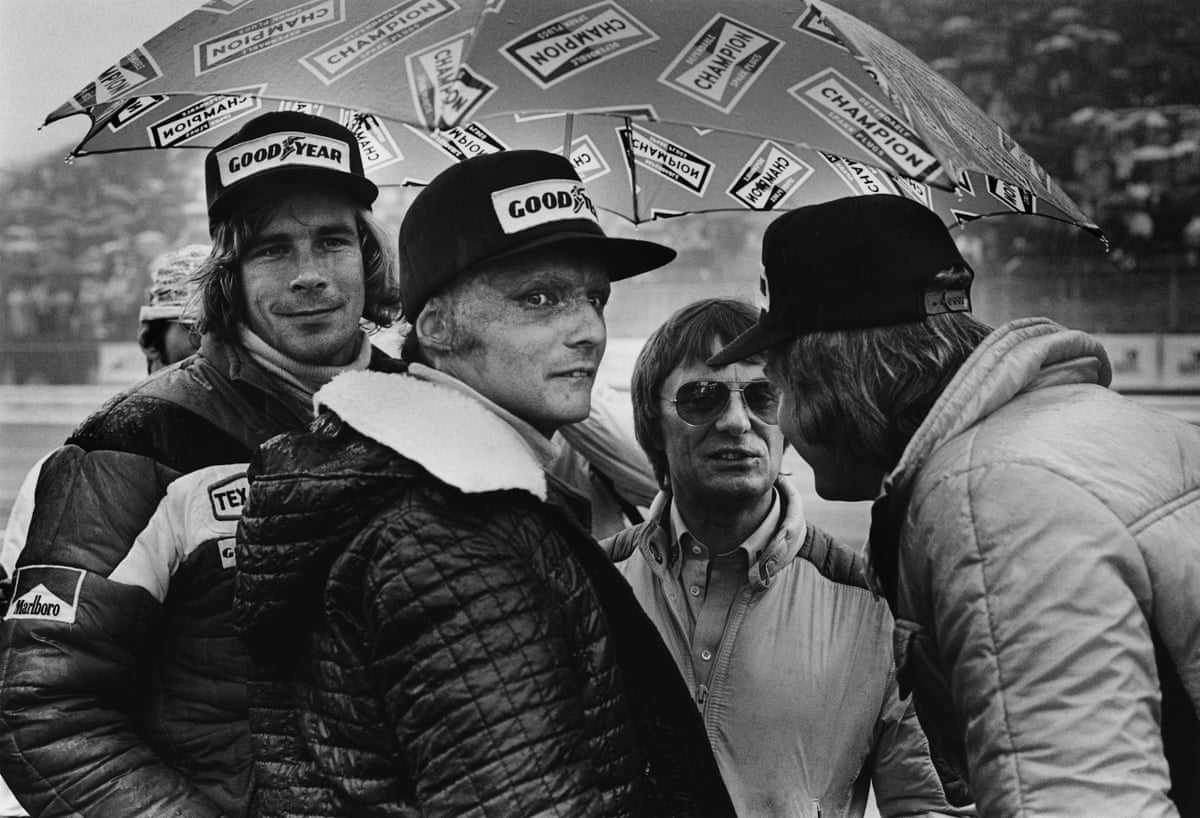
The Fuji Speedway was enveloped in rain and mist, causing a delayed start on that late October afternoon. Hunt, known for his pre-race tension, was tightly wound as the battle between him and Lauda intensified. Lauda drove for Ferrari, while Hunt represented McLaren.
The 1976 season was exceptional, particularly because Lauda remained a contender despite a near-fatal accident two months earlier at the Nürburgring. His return to racing was one of the most remarkable displays of will and determination in the sport’s history, and the championship fight going to the final race was equally extraordinary.
The season was also marked by intense rivalry between Ferrari and McLaren, involving protests and counterprotests off the track. On the track, Lauda had the advantage and led by 23 points under the old scoring system (10 points for a win) after Hunt was controversially disqualified from the British Grand Prix at Brands Hatch, the race preceding the Nürburgring.
Lauda’s Accident and Comeback
Following his accident, in which he was pulled from the burning wreckage of his Ferrari, Lauda missed only two races before making a miraculous return at Monza. His championship lead was reduced to five points. Hunt then won consecutive races at Mosport Park in Canada and Watkins Glen in the United States, narrowing the gap to three points as they headed to Japan.
The Championship Finale and Media Spotlight
The anticipation and media attention on the final race were immense. Hunt’s charismatic, playboy persona captivated fans and journalists alike, while Lauda bore the intense scrutiny surrounding his comeback. Both drivers were at the center of a drama that extended beyond racing, which ultimately provided some relief to them.
Qualifying and Race Day Conditions
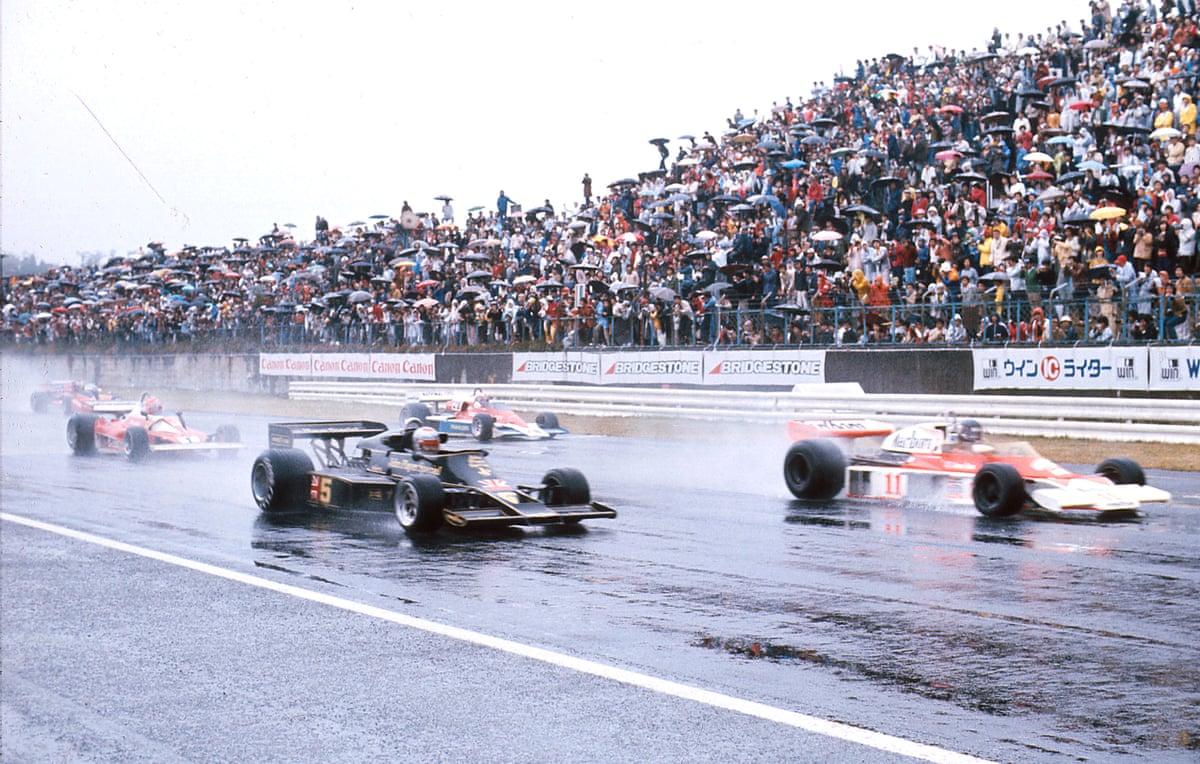
Qualifying was relatively straightforward, with Hunt and Lauda qualifying second and third respectively behind Mario Andretti. However, race day brought no simple storyline. The track, located in the shadow of Mount Fuji, was engulfed by a severe storm. Visibility on the main straight was reduced to 200 meters, leading to a delayed start as all agreed that racing was impossible under such conditions.

The crowd sat patiently beneath umbrellas in the grandstands as pressure mounted. Hunt, distracted, walked to a fence and urinated openly in view of the spectators. The championship remained undecided until race officials and the race director decided to start the race, influenced by commitments to television broadcasters, despite minimal improvement in weather conditions.
Lauda’s Decision and Hunt’s Determination
“I stood up and said: ‘Are you guys fucking crazy?,’” Lauda later recalled. “The rain has not stopped. It’s got worse, you cannot do this.”
No one was pleased with the decision, but Hunt made it clear he would race if the event proceeded. He crossed a plank laid by McLaren in the pit lane to avoid puddles and reached his car.
Lauda, however, had reached a different conclusion. Aware that the championship was at stake, he chose not to race in the hazardous conditions.
“I told Ferrari beforehand I would do one lap, which I did, and then I stopped,” he said. “I have no regrets. I would do the same again. But I have to say that without my accident, maybe, I would have had the reserves to do it.”
The Race Unfolds
Hunt took the lead from Andretti at the start, but after one lap Lauda entered the pits and retired. Despite this, the championship was still undecided. Hunt needed to finish at least fourth to secure the title and gradually extended his lead as the storm subsided and the track began to dry.
However, Hunt missed his team’s signals to cool his wet tyres in standing water. With five laps remaining, his left tyres deflated, forcing him to pit. Pit stops in that era were slow and labor-intensive; the crew had to lift the front of the car manually while using a jack at the rear to change tyres simultaneously. The McLaren team worked frantically as tension escalated.
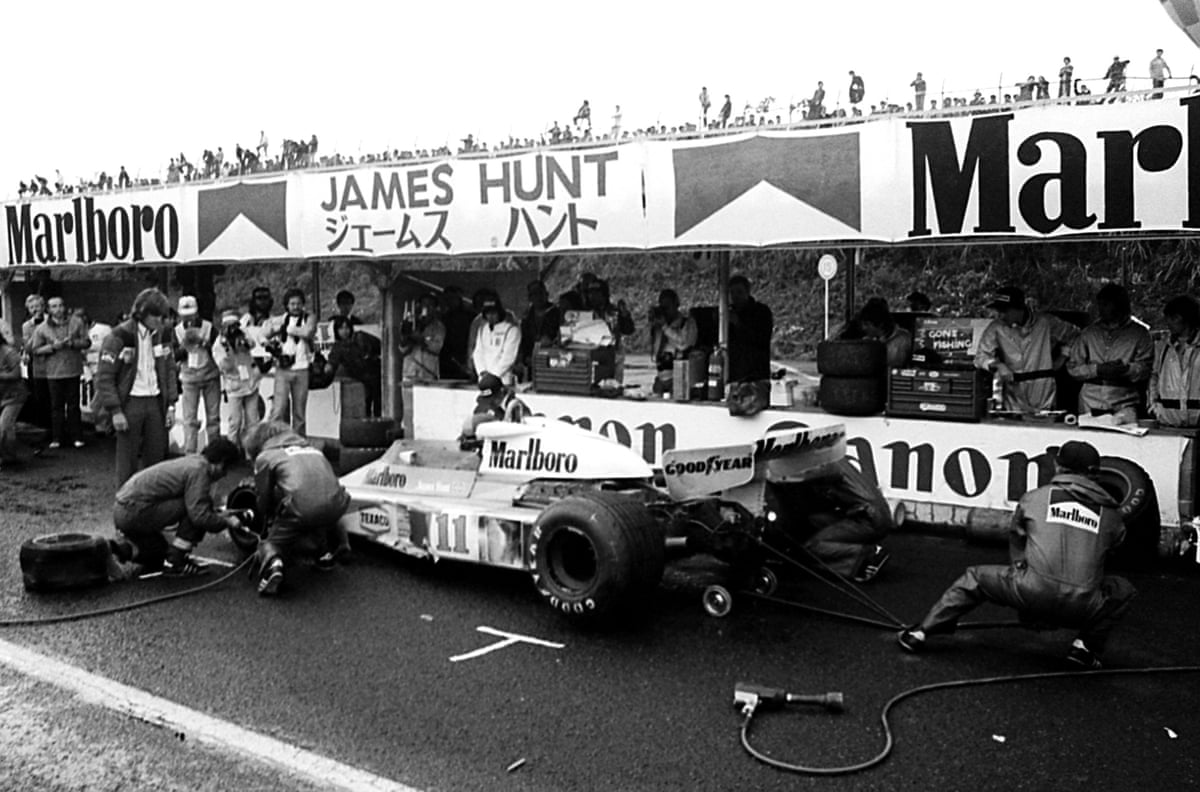
The stop appeared to jeopardize Hunt’s championship hopes. He rejoined the race in fifth place with four laps remaining and struggled to regain a position for two laps, seemingly losing the title.
Then, demonstrating his characteristic bravado, Hunt launched a final charge, overtaking Alan Jones and Clay Regazzoni.
This effort secured the necessary position to win the championship. However, Hunt was initially unaware of his success. Upon returning to the pits, he angrily criticized his team until team principal Teddy Mayer repeatedly shouted, “James, you’ve won!” until Hunt comprehended the outcome.
Aftermath and Respect
Hunt won the title in Japan by a single point in one of the most memorable championship deciders in Formula 1 history. His victory was also marked by his profound respect for Lauda’s decision during the race.
“I think Niki made absolutely the right decision. I still feel as I felt before the start, that it was madness to start in those conditions,” Hunt said. “I gotta respect the decision they made. I think it was crazy to start the race but now I’m kinda glad we did.”