

Football and the Challenge of Opinion
Football is often described as a game of opinions. However, those who are compensated to share their views do not always find their perspectives welcomed, especially within the intense environment of Scottish football. Expressing opinions in this context can lead to consequences, raising questions about where the boundary lies between legitimate opinion and unfair accusation.
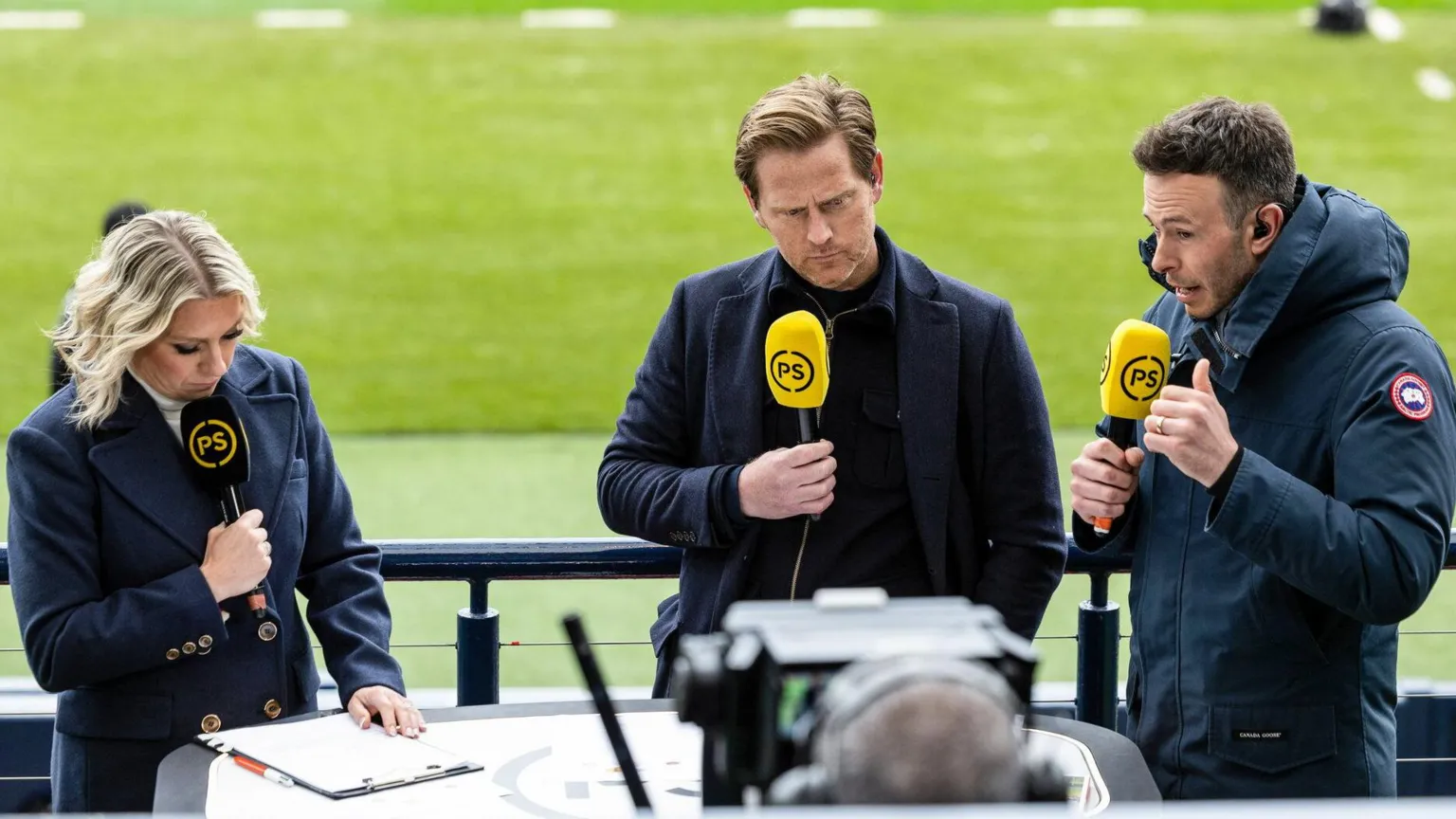
Such is the case involving BBC and Premier Sports pundit Michael Stewart and the Scottish Football Association (SFA).
Stewart's candid commentary on the quality of refereeing in Scotland has led to the SFA informing him that he is no longer permitted access to the national stadium. The SFA, which oversees referees, contends that Stewart's criticism has moved beyond opinion into what they describe as a sustained campaign against officials, including challenges to their integrity.
The SFA has not publicly commented on the ban, but it is understood that the decision followed complaints from the referees' union, which expressed frustration with Stewart's ongoing commentary.
"Instead of trying to silence voices of dissent, the Scottish FA should be engaging with us, answering our questions and explaining their position,"Stewart responded firmly.
"People have every right to disagree with me – and many of them do every day. But all football commentators should be free to express an opinion, without being denied access to the places we go to do our jobs."
The History and Purpose of Media Bans in Football
Bans imposed on pundits and journalists are not a recent phenomenon. Football clubs have restricted journalists' access long before the advent of broadcasting and technologies like VAR. For clubs, withdrawing access can be an expression of frustration or a strategy to control the narrative surrounding their operations.
Many football journalists in Scotland recount experiences of being banned at some point in their careers.
"The reality is that a lot of football clubs would rather people knew nothing at all about their business,"said football writer Stephen McGowan.
"Many of the people who take that view tend to think there's nothing to be gained by sharing information with journalists because they think depressing media is out to get them. But when you create an information vacuum, the media will do what they can to fill it, and that's when you tend to see bans doled out by clubs who just don't like critical reporting and opinion."
Effectiveness of Bans in the Modern Media Landscape
In recent years, clubs and governing bodies appear less tolerant of opinions from those they expect to report facts. Yet, in an era dominated by social media where everyone can voice their views, those seeking to be heard may sometimes overstep.

This tension is particularly evident in the podcasting world, where opinion often serves as currency. The situation involving Michael Stewart demonstrates that broadcasters are not exempt from such conflicts.
BBC Scotland experienced a seven-year dispute with Rangers after accusations of unfair reporting. The corporation was also banned temporarily by Aberdeen this season, and a disagreement persists with Celtic, who exclude the BBC from pre-match media conferences.
Similarly, STV, Sky, and various Scottish radio stations have faced restrictions at times in an environment where every word is scrutinized for bias.
While reporters and pundits should remain subject to scrutiny, the question remains whether banning is an effective strategy.
"It's definitely not something you would do lightly, but there is no strategy to it,"said former Hibs and Motherwell chief executive Leanne Dempster.
"It just leads to column inches about why and it never helps that particular club. It's never good to ban the media but clubs always want to control the narrative, to control what their players say - they always want to get stuff out through their own media channels."
"Sometimes the club owner can react and it can be that the club almost has no option, but it's never something you should do lightly in a world where free speech is under threat. I'm not saying that sometimes there isn't a conversation to be had with a journalist, but have that chat - you also have to be available."

Former St Mirren chairman Stewart Gilmour attributes such bans largely to frustration.
"There's no doubt it's about that - football is a highly frustrating game but you need a thick skin or it's not the place for you,"he said.
"It's frustrating that you work hard all week and it all comes down to 90 minutes, but ultimately it's a game of opinions and everyone should be allowed one."
Conclusion: The Inevitable Disagreements in Football Media
In a sport and industry where so much is at stake, disagreements between media and clubs or governing bodies are unavoidable. With increasing scrutiny from a growing media presence, it seems unlikely that bans on media access will disappear anytime soon.


