

John Terry’s Path into Far-Right Sympathies
John Terry’s trajectory into far-right online circles is not an isolated phenomenon among footballers, prompting questions about why players are particularly vulnerable to such radicalisation.
We are left to wonder: how did this situation arise? Were there warning signs overlooked, cries for help ignored, or crucial decisions not made? Or was it inevitable that Terry harboured far-right sympathies all along?
This week has been sobering for those who have supported Terry for over a decade—those who defended him against racism allegations, accepted his explanations, attended his trial in full kit, lamented his missed coaching opportunities, and maintained belief in his character.
Now, once again, the former captain and celebrated figure faces condemnation, this time for endorsing an Instagram post by Rupert Lowe of Restore Britain. The post called for banning “foreigners” from claiming benefits and deporting “migrants who are incapable of financially supporting themselves.” Terry responded with a clear
“100% yes.”
Shortly after, his former teammate Dennis Wise replied:
“200%.”This exchange highlights the competitive nature of elite athletes, always pushing boundaries. The question remains: which member of the 2000-01 Chelsea squad will escalate this to 300%? Mario Stanic? Jesper Gronkjær? Ed de Goey?
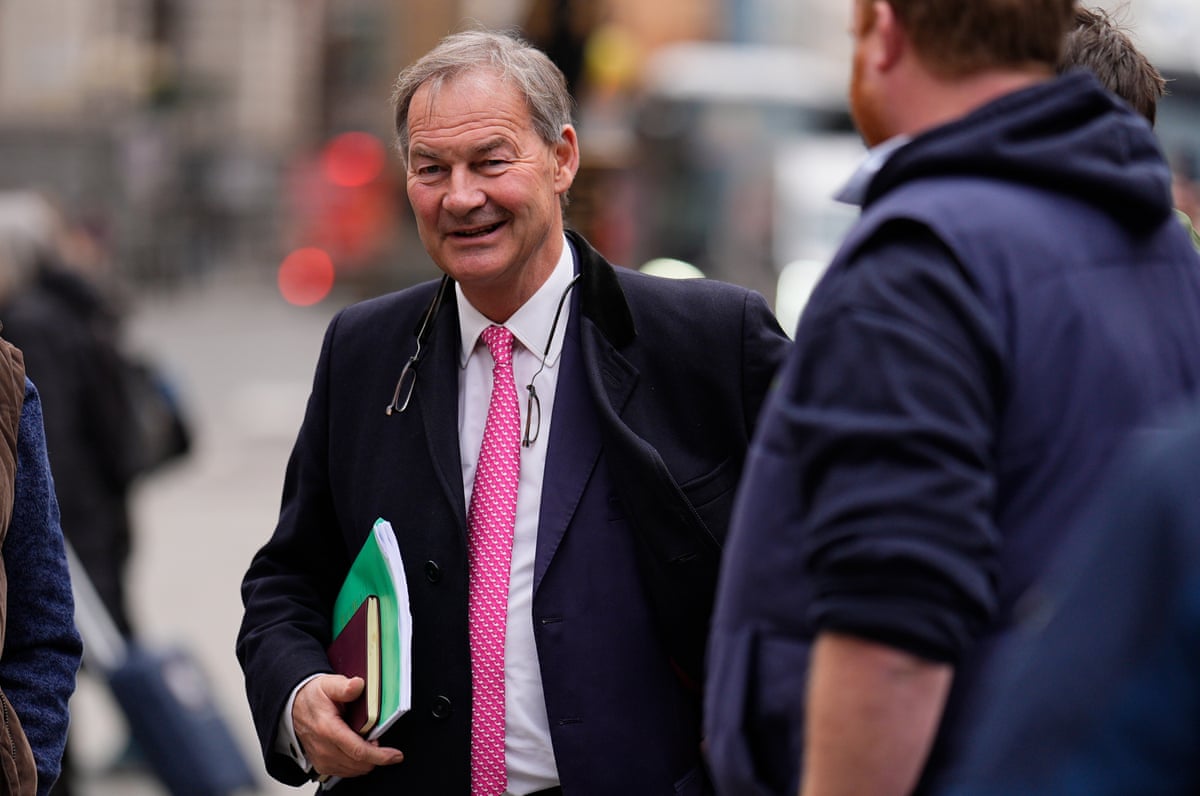
Of note, this is not Terry’s first public approval of Rupert Lowe, a politician considered by many as one of the most right-wing MPs in recent memory. Lowe recently authored a pamphlet titled “Mass Deportations,” outlining plans to remove millions of vaguely defined “illegal migrants.” A month ago, Lowe called for banning the burqa, prohibiting foreign-language signage in London Underground stations, and urged to “get our capital city back.” Terry responded to these posts with applause emojis.
At this point, the motivation behind Terry’s actions remains unclear. It might be a significant misunderstanding, or perhaps he was merely repeating an Instagram comment to repudiate it, which was then misinterpreted and screenshotted. In today’s media environment, trust is elusive.
Even if Terry’s sentiments are taken at face value, his frustration is understandable. Recently, the former England captain has voiced dissatisfaction over the scarcity of coaching roles offered to him since retiring, especially at Chelsea, where he holds a consultancy contract and mentors academy players two days per month. In January, he expressed interest in the Chelsea head coach position following the departure of the previous manager, but was overlooked in favor of Calum McFarlane and subsequently another candidate.
He stated in February:
“I don’t feel I need to sell John Terry as a manager. If someone needs to win football matches, I’m not sure you’re going to get anyone better.”

In hindsight, Chelsea might reconsider their decision to pass on a coaching resume that includes roles on the Aston Villa and Leicester backroom staff, as well as managing the 26ers team in the first two Baller League seasons (finishing ninth and fifth respectively). However, Terry’s public drift into far-right online spaces, while notable, is far from unique.
Other Footballers and Far-Right Associations
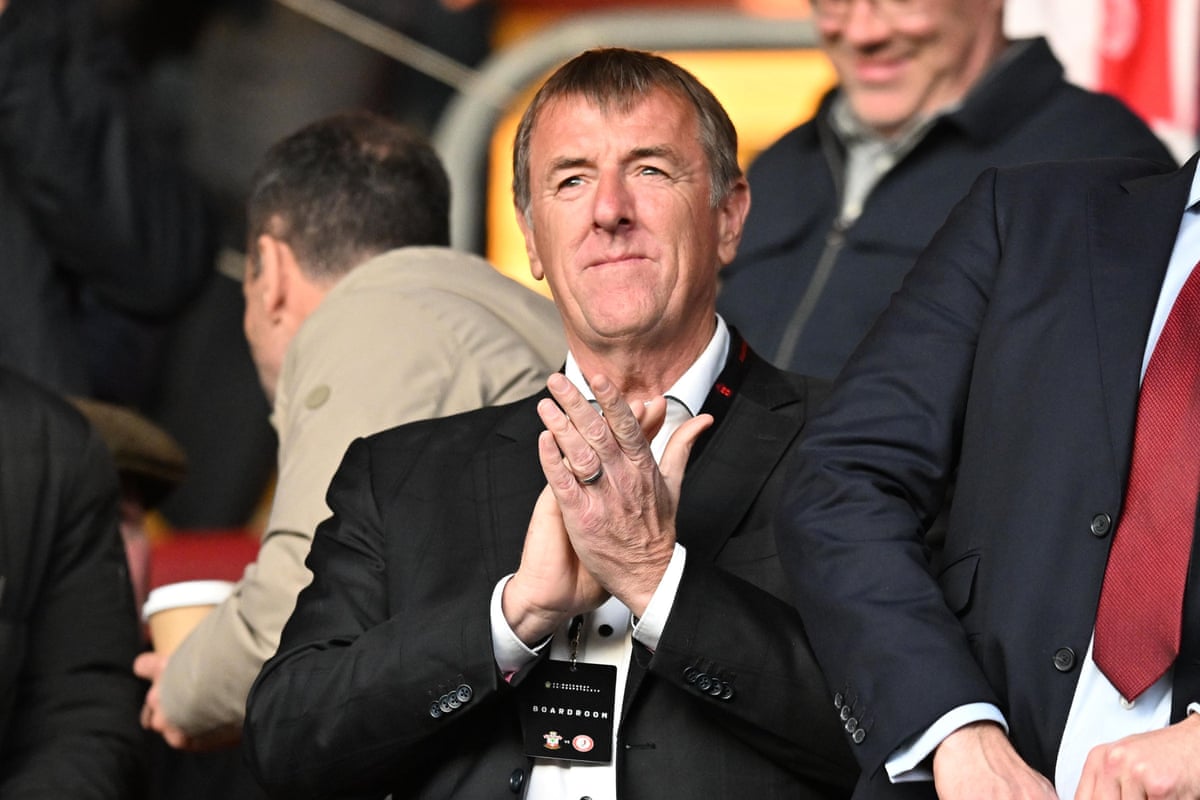
For instance, Matt Le Tissier remains active in controversial discussions, debating conspiracy theories such as chemtrails and accusing Elon Musk’s AI bot of disseminating government propaganda. Le Tissier’s descent began years ago amid skepticism about Covid-19 vaccines and digital IDs, including spreading false claims that the Bucha massacre was staged.
Despite this, he quietly returned to Southampton in an advisory capacity with the board earlier this month. Le Tissier’s views have not changed; rather, the cultural environment around him has shifted to normalize far-right talking points, which were once considered unacceptable but are now part of mainstream discourse.
Similarly, Rickie Lambert continues to denounce “digital enslavement,” shares posts about a “global cult network,” and calls for the imprisonment of those involved in vaccine rollouts. Joey Barton remains vocal about grooming gangs, while Jonjo Shelvey has praised Dubai in interviews, citing safety concerns in London despite residing in a city recently targeted by Iranian missile attacks.
Why Are Ex-Footballers Vulnerable?
Ex-footballers may be particularly susceptible to radicalisation due to their life experiences. Having spent their adult lives in a structured, performance-driven environment, retirement confronts them with irrelevance. For some, social media offers a dopamine rush and a platform to maintain adoration, circumventing societal norms and preserving their legendary status indefinitely.
For Terry, who is navigating the right-wing sphere, numerous opportunities lie ahead: podcasts, YouTube appearances, crypto and CBD endorsements, and the symbolic rewards of martyrdom. This path could lead to media roles, political candidacy, and more. In this new landscape, cancellation is replaced by vindication; there are no outcasts, only individuals positioned at the right moment in history.
Jonathan Liew was shortlisted in the Sports Journalists’ Association awards.
If you wish to respond to the issues raised in this article with a submission of up to 300 words for publication consideration, please .


