England Faces Mexico in World Cup Last 16 with a 1am Kick-Off
The England football team confronts a significant challenge as they play Mexico on their home ground in the World Cup last 16. Meanwhile, fans in England face the difficult task of staying awake for the 01:00 kick-off on a Monday morning.
The match will last until at least 03:00, excluding potential extra time, penalties, or post-match analysis, with pubs open until 05:00. This schedule poses a considerable disruption to sleep, especially for those with school, university, or work commitments the following day.
"It's perfectly designed to screw things up," says sleep scientist Prof Russell Foster, from the University of Oxford. He adds that "you won't fall asleep the second the final whistle blows either because you're going to get so energised, it'll be difficult to wind down."
To help fans cope, this guide offers tactical advice on sleep strategies, caffeine consumption, relationship considerations, and managing children during the late-night event.

The Three Sleep Strategies
The primary decision is when to sleep, with three main approaches available:
The most dedicated England fan, with no other life commitments or an understanding family, might adopt the "full American" strategy. Dr Victoria Revell from the University of Surrey explains,
"Put yourself on North American timing."
This requires a few days to adapt but enables fans to become almost nocturnal, watching England and other late-night games. The trade-off is reduced social interaction, which might be seen as a distraction.
For those who find this too extreme, two alternative methods exist: the sandwich and the squeeze.
The sandwich strategy involves two sleep periods—one before and one after the match. Fans go to bed early, set an alarm just before kick-off, and watch the game. The downside is potential grogginess and difficulty falling back asleep after the adrenaline rush of the match. Revell notes,
"You might struggle to then fall back asleep."
The squeeze method entails staying awake all night to watch the match and then squeezing in a few hours of sleep before the day begins. This is simpler but results in significantly reduced sleep, with consequences the next day, according to Revell.
Morning people who prefer early bedtimes may find the sandwich approach easier, while night owls might favor the squeeze.
Health Implications of Watching England’s World Cup Match
Most viewers will likely reduce their sleep duration. It is important to remember that a tired brain does not function optimally. Alcohol consumption during the game exacerbates this effect, as it acts as a sedative but reduces sleep quality.
"Lack of sleep, fuelled by alcohol consumption is an even worse recipe for functioning the next day," says Foster.
Sleep deprivation leads to mood swings, irritability, heightened anxiety, and reduced empathy. Cognitive functions such as concentration, decision-making, creativity, and productivity decline sharply. Additionally, sleep loss increases risk-taking and impulsivity.
"It's bad for safety. Even after a one-hour clock change, there's a higher incidence of road traffic accidents," says Revell.
Fans should consider whether they need to drive on Monday and avoid significant personal discussions, such as relationship issues, the morning after.
"It's alright to push the boundaries, as long as you know that you're going to be screwed up the next day and that you don't make any important life decisions," says Foster.
Dose Up on Caffeine
Caffeine consumption is expected to be a key survival tool, whether through coffee, tea, or energy drinks. Caffeine blocks the brain’s tiredness signals, acting like a toddler ignoring a parent’s call.

However, caffeine’s stimulant effects last several hours, so timing is crucial. A strong coffee at kick-off could disrupt subsequent sleep. Typically, caffeine is avoided after lunchtime, about eight hours before bedtime.
Assuming England wins in regular time around 03:00 and fans go straight to bed, the last caffeine intake should be around 19:00. For those staying up all night, caffeine consumption is less restricted.
Revell advises,
"Make it a strong one,"
to help with Monday morning alertness.

Get Your Boss to Let You Nap or Take the Day Off
Experts recommend waking at the usual time to maintain circadian rhythms. Early morning bright light exposure helps signal the brain to be alert.
Strategic napping is beneficial. Taking a nap on Sunday before the match can help maintain alertness during the game. A nap on Monday after lunch, when the body naturally experiences a dip, can refresh the brain. Foster suggests employers might encourage this practice.
Naps should last 20 to 30 minutes to avoid deep sleep inertia and grogginess. Ultimately, the best approach might be to take Monday off.
What About the Kids?
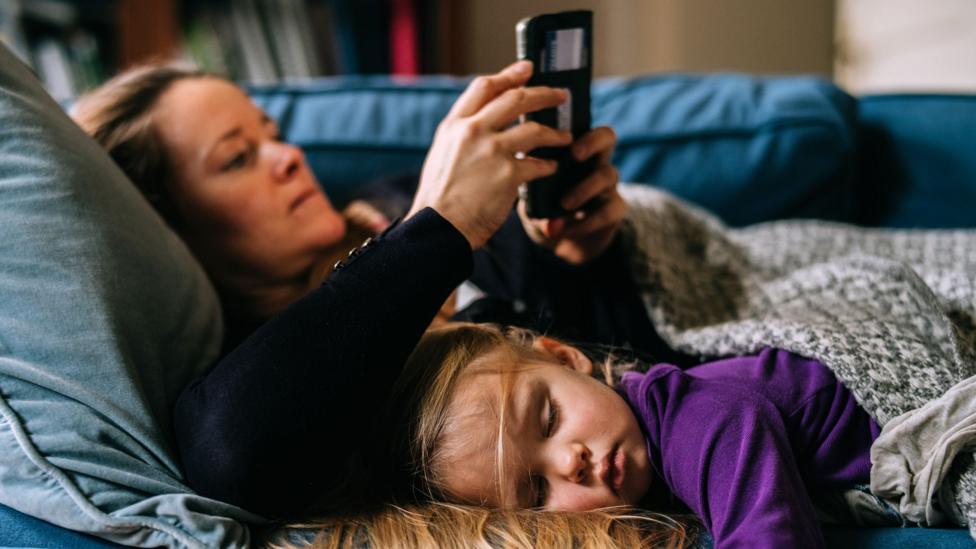
Children’s sleep needs vary by age. Younger children generally sleep earlier and should not be woken once asleep. Revell states,
"I would never wake my child up once she's asleep, I want her to stay asleep."
Teenagers tend to have later body clocks and may handle staying up late more easily but will struggle waking early. They face similar cognitive and emotional challenges as adults when sleep-deprived.
Revell suggests,
"I think potentially them watching it before they go to school, maybe waking up early and watching it might be better."
While this strategy may not be popular with children, it is effective for preserving sleep and performance, according to Foster.
How to Watch the Match on the BBC
The BBC provides a special 'Stay Up or Catch Up' service for live coverage. The last-16 match will be broadcast live exclusively on BBC One and BBC , with presenter Kelly Cates joined by Wayne Rooney, Joe Hart, and Micah Richards.
A no-spoiler re-run will air on BBC Two from 07:10 BST, and a full replay will be available on demand on BBC immediately after the match. Live radio commentary will be available on BBC Radio 5 Live and , alongside live text coverage and in-match clips on the website and app.
An extended 15-minute highlights program will be accessible on BBC and the Football YouTube channel.
BBC offers 'Stay Up or Catch Up' for England v Mexico