

Eight Nations Have Won the World Cup; New Champion Possible in 2026
Only eight nations have ever won the men’s World Cup. With FIFA expanding the tournament to 48 teams in 2026, the intention was to give more countries a shot at glory. However, historically, the favorites tend to be former champions.
Heading into this summer’s tournament, many former champions are not in their best form. Spain, as reigning European champions, are a popular pick with a wealth of world-class talent. Argentina aims to defend their 2022 World Cup title after also winning the 2024 Copa América. France, finalists in the last two World Cups, have a squad Kylian Mbappé describes as the best he has played with.
Other traditional powers face uncertainties. England qualified comfortably but showed lackluster performances in recent friendlies. Brazil struggled in qualifying with six losses. Germany has promising young players but lacks a reliable striker. Uruguay is considered a longshot under coach Marcelo Bielsa. Several other former champions face questions about their readiness.
The introduction of a Round of 32 adds an additional challenge for favorites. Extensive travel and expensive tickets may create tense atmospheres, increasing the possibility of surprise outcomes.
Who could claim their first World Cup title this summer? Below is an analysis of the leading contenders.
The Most Likely First-Time Winners
Portugal
Best finish: Third place (1966)
Portugal is arguably as strong a contender as any former winner. While historically inconsistent, the modern era has seen Portugal establish serious staying power. This squad may be their strongest since winning Euro 2016.
This tournament will almost certainly mark Cristiano Ronaldo’s final World Cup. He was a regular starter at center-forward during qualifying but has not played since November’s match against Ireland. Though Ronaldo’s declining athleticism complicated Portugal’s 2022 campaign, this year’s team has better balance behind him. Vitinha is considered one of the world’s finest midfielders, capable of controlling tempo and breaking lines. João Neves has emerged alongside him at Paris Saint-Germain, and Bruno Fernandes arrives at his peak form.
The defense is more solid, with Gonçalo Inácio partnering Rúben Dias reliably. Nuno Mendes is among the world’s best full-backs, and goalkeeper Diogo Costa is dependable. The squad also has depth with players like Gonçalo Ramos, João Félix, Rúben Neves, and Bernardo Silva. Coach Roberto Martínez will be eager to overcome past criticisms from his tenure with Belgium’s golden generation by leading Portugal to a deep run.
The Hopefuls
The Netherlands
Best finish: Runners-up (1974, 1978, 2010)
The Dutch dominated UEFA qualifying, scoring 27 goals and conceding 4 in eight unbeaten matches. Their collective style remains a hallmark, but the injury to Xavi Simons, who suffered an ACL tear, removes some unpredictability from coach Ronald Koeman’s plans. The team has depth in defense and midfield but lacks a clinical goalscorer, which has hindered them in recent years. Their group also includes strong opponents such as Sweden and Tunisia, providing tests before the knockout stages. They aim to surpass their quarter-final finish from the 1994 World Cup, the last held in North America.
Morocco
Best finish: Fourth place (2022)
Morocco, the reigning Africa Cup of Nations champions, stunned the world by reaching the semi-finals in Qatar 2022 with fearless counterattacking and a well-organized structure. Since then, they have built an experienced squad motivated by a controversial claim to continental supremacy. One player to watch is 18-year-old Ayyoub Bouaddi, a midfielder who recently switched allegiance from France after a promising season with Lille. He fills a key role for coach Mohamed Ouahbi.
Senegal
Best finish: Quarter-finalist (2002)
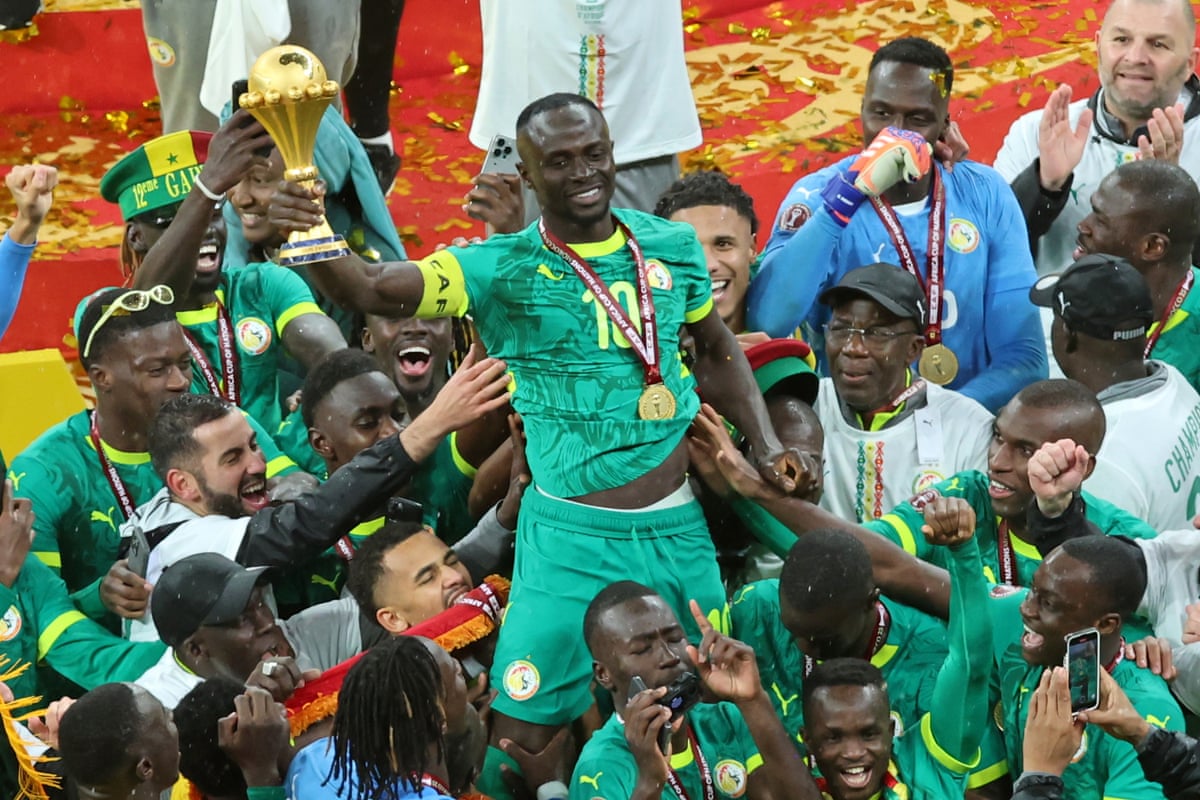
Senegal, also reigning Africa Cup of Nations champions, enter the tournament with a veteran core including goalkeeper Édouard Mendy (34), defender Kalidou Koulibaly (34), midfielder Idrissa Gueye (36), and record scorer Sadio Mané (34). Younger players are emerging, as seen in their run to the Afcon final. Midfielder Habib Diarra (22), who recently transferred from Strasbourg to Sunderland, could make a significant impact.
Japan
Best finish: Round of 16 (2002, 2010, 2018, 2022)
Japan has yet to advance beyond the Round of 16 but earned praise for their performances in the last two World Cups. Coach Hajime Moriyasu maintains strong control over the team, making them a challenging opponent. Their goalkeeper, Zion Suzuki, has been impressive at Parma and may benefit from playing two group games in the United States, where he was born. The absence of Kaoru Mitoma due to a hamstring injury is a setback, but Japan’s deep squad could finally reach the tournament’s later stages in a year without clear favorites.
The Longshots
Co-Hosts
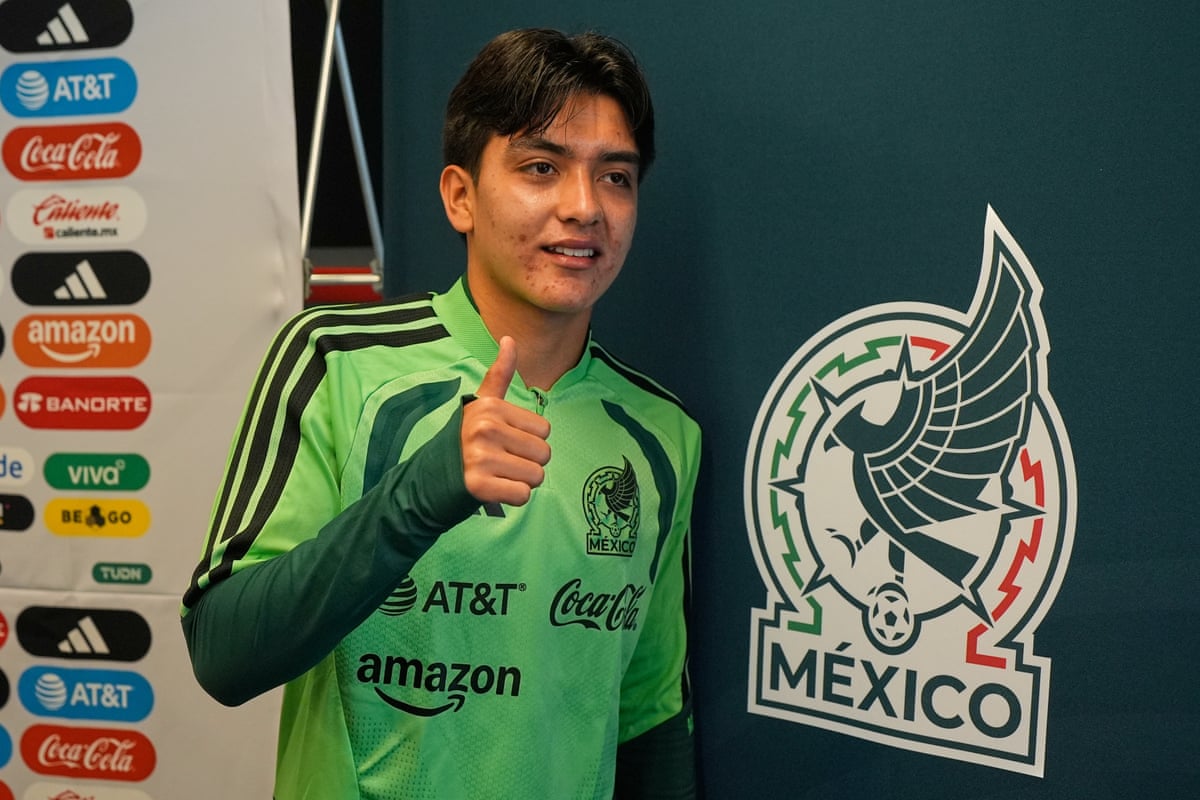
Canada, Mexico, and the United States co-host the tournament. Each has different expectations, but none are likely to reach the final. Canada aims to advance from the group stage for the first time, with coach Jesse Marsch having several strong strikers but a relatively thin midfield and defense. The United States, led by Mauricio Pochettino who is still adapting to international management, would consider a quarter-final appearance their best result since 2002. Mexico’s two quarter-final runs came on home soil, which bodes well for this tournament. Seventeen-year-old phenom Gilberto Mora could emerge as a breakout star.
Ecuador
Best finish: Round of 16 (2006)
Ecuador is currently the strongest South American team behind Argentina, finishing second in CONMEBOL qualifying. They seek to improve on their failure to advance from the group stage in 2022. Their squad has some thin areas but features one of the tournament’s best defenses, including Pervis Estupiñán, Willian Pacho, Piero Hincapié, and Joel Ordóñez. Enner Valencia, Ecuador’s all-time leading scorer with 49 goals, remains a key figure for big moments.
Turkey
Best finish: Third place (2002)
Turkey shocked the world with their semi-final run in 2002, powered by an impenetrable defense. They return to the World Cup after a 24-year absence. This generation includes high-end talent such as Hakan Çalhanoğlu, Arda Güler, and Kenan Yıldız. Their deep defense is willing to do the hard work. They could win their group, which includes the US, Australia, and Paraguay. However, a 6-0 home loss to Spain in qualifiers highlights the gap between Turkey and the global elite. Goalkeeper Uğurcan Çakır may be inspired to emulate Rüştü Reçber’s legendary performances.
Norway
Best finish: Round of 16 (1938, 1998)
Norway was flawless in qualifying, winning all eight matches and scoring 37 goals in a group that included Italy, ending a 28-year World Cup drought. While questions remain about their goalkeeper and some lineup spots, they possess an unmatched asset: Erling Haaland, widely regarded as the world’s best striker. Norwegians will closely monitor Martin Ødegaard’s fitness. If Haaland and the physically imposing Alexander Sørloth capitalize on their chances, Norway could keep opponents unsettled.


