

Concerns Over Talent Loss in Welsh Women's Football
Campaigners have expressed concern that young female footballers in Wales may be lost if the country does not address the "unacceptable" gap between youth and senior international levels.
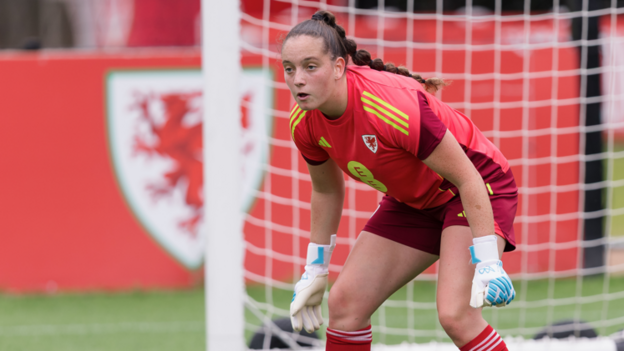
The mother of Wales squad goalkeeper Soffia Kelly is advocating for the establishment of under-21 and under-23 national teams to create a "sustainable pathway" for young players.
Both England and Scotland maintain under-23 teams, while some young Welsh players reportedly "drop out" of the development system due to a lack of intermediate opportunities.
"There's no pathway [in Wales] but Scotland and England have. The boys have got it. European countries have got it. Why have we not got it?" asked Soraya Kelly.
"It's not rocket science. We just want to have equal opportunities as our boys in Wales. With everything that's going on with women's football, this should be a given."
Equality For Our Women And Girls Campaign
The campaign, titled Equality For Our Women And Girls, follows a petition presented by Soraya Kelly to the previous Welsh Government. The petition requests funding to enable the Football Association of Wales (FAW) to:
- Create women's under-21 and under-23 national teams
- Expand access through regional talent identification and outreach
- Guarantee equal media promotion
The Senedd's petitions committee acknowledged the FAW's ongoing efforts to promote women's and girls' football and agreed to forward the petition's requests. The FAW has been approached for comment.
Need for Age-Grade Teams
Until recently, there was limited need for under-21 or under-23 teams due to the absence of official tournaments organized by UEFA, the governing body of European football.
UEFA has informed the BBC that there are currently no plans to introduce such competitions, although a new independent under-23 European League was established in July 2024.
England won the 2026 edition of this tournament, with Scotland participating during the group stage. Wales and Northern Ireland remain the only UK associations without recognized under-23 sides.
Players Transitioning to Senior Level
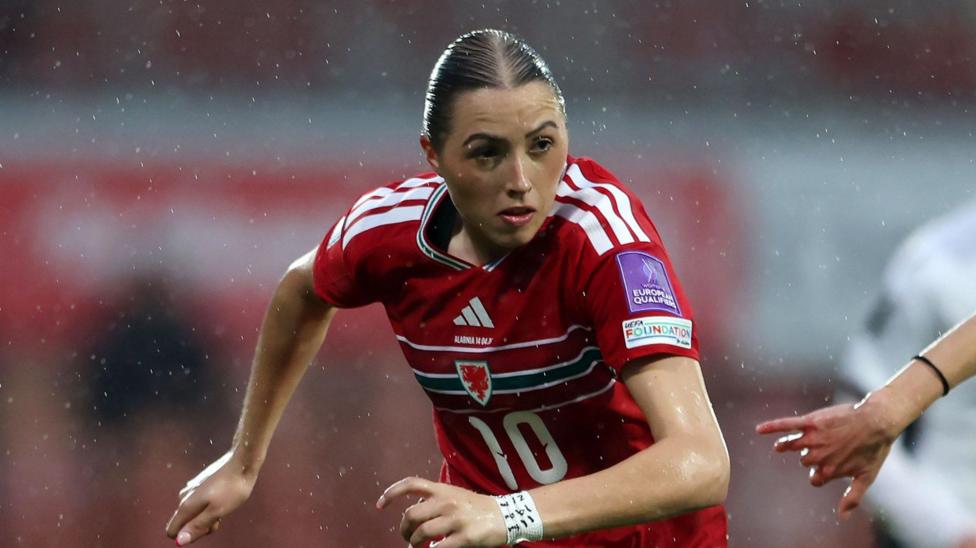
Some Welsh players have successfully progressed directly from the Wales under-19 team to the senior squad, including Manchester United forward Mared Griffiths and Aston Villa goalkeeper Soffia Kelly.
"It [under-23s] is a bridge to the seniors. So [without it] you go to the 19's and if you're not involved in the seniors, you haven't got much of a chance then of going anywhere," said Soraya Kelly.
Despite concerns, Kelly commended the FAW's work at under-19 level. The current team, coached by Nia Davies, has won three of their last four matches, including a notable victory over England.
There is also enthusiasm surrounding Wales hosting the men's under-19 European Championship this summer, but Kelly emphasizes that her proposal aims for long-term development.
"Soffia is lucky, she's involved with the seniors, as well as Mared and players like Phoebe Poole who is amazing and scoring all these goals.
“But other girls are so talented and there's nowhere for them to go. So many talented girls are dropping off, or even before dropping off, are thinking, 'Well, we've only got till we're 19, so what's the point?’"
"There's only four or five [of the current squad] going to be eligible to play with the under-19's now and that's a squad of 20. These talented girls, where can they go? It's not acceptable. It's really not."
Former Player's Perspective
Shanelle Edwards, a former Cardiff City player, is among those who left football after progressing through Wales under-17 and under-19 levels but not reaching the senior team.

Edwards was invited to train with the senior Wales squad but did not earn a senior cap before leaving the sport. Now 32 and working in property finance, she believes an under-21 or under-23 team would have improved her chances at senior level.
"I've spoken to other past players who agree," she said.
"We are all in alliance with the fact that there isn't that pathway. The gap between being an 18 or 19-year-old footballer to competing with senior level players - who could be 25 upwards - is a big jump both physically and mentally.
"Without these gaps bridged, we are very unable to compete with other nations that have got those in place.
"The proof is in the pudding. When you look at the men's team, stats don't lie. You're not often getting 18 or 19 year-olds playing in the first team.
"The average men's team player will make his debut between the ages of 21 and 23. It's huge to have that gap bridged."
Changing Views on Talent Pool Size
A previous argument against establishing intermediate teams has been the limited talent pool in Wales. However, opinions appear to be shifting.
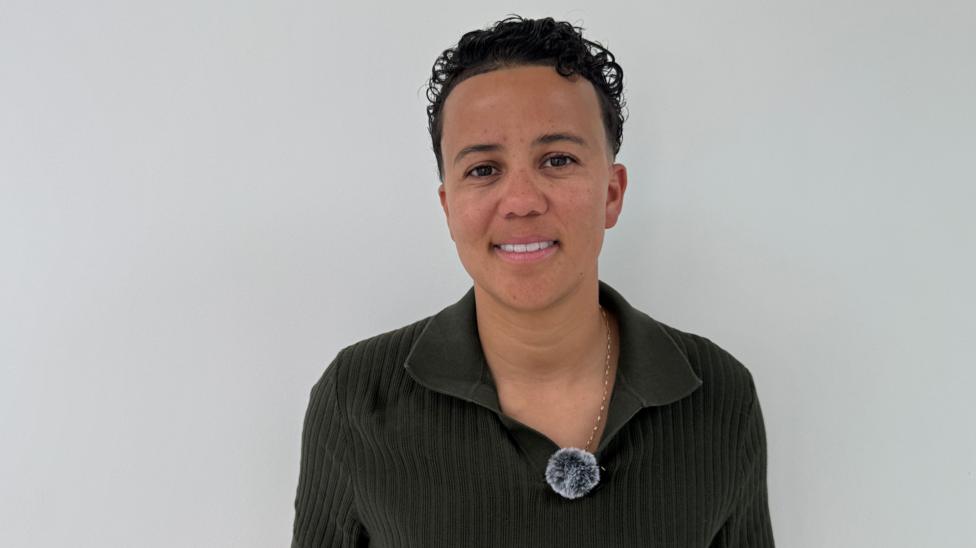
Helen Ward, a legendary striker with 105 Wales senior caps and a former record-holder with 44 goals, believes the growth of participation in women's football in Wales will increase the talent pool.
"Now more than ever, there is starting to become a real need for it and we don't want to see the drop off," said Ward.
"In the past, I always thought there wasn't really a need with the talent pool that we have in Wales being quite small.
"Players like Carrie Jones stepped up to the senior team at 15. Don't get me wrong, she's an anomaly - an outrageous generational talent that was able to do that - but you felt that players that were coming out of the 17s would often skip the 19s.
"Where it's different now, is that there are many more opportunities for girls to play football in and around Wales, so players are developing earlier and faster.
"So, there is now a bigger pool where not everybody is going to be able to jump from the 17s and 19s straight into senior football."
Unlike Edwards, Ward did play for the Wales senior team, though she made her debut at age 22.
Now head of women's football at Watford, Ward also notes that some players develop later.
"I didn't make my senior debut until I was 22 and I don't know if I'd have been ready to do that sooner," she added.
"Not everybody's going to be ready and raring to go at the age of 19 straight for senior football."
Funding Challenges and Government Role
Soraya Kelly recognizes that funding is a critical factor and suggests that the Welsh Government could play a significant role.
The FAW's primary income sources include commercial revenue and funds from international bodies such as FIFA and UEFA. However, the men's team's failure to qualify for the upcoming World Cup has impacted finances.
The Welsh Government supports the FAW at grassroots level through projects related to stadium development and infrastructure.
For instance, to commemorate Wales women's historic qualification for Euro 2025, the ‘Partner Support Fund‘ aided 16 grassroots, cultural, and educational organizations to promote sports participation and equality.
Sport Wales, responsible for sport development and promotion in Wales, provides public and lottery funding to the FAW via grants in partnership with the Welsh Government.
Any proposal for government funding to support a new elite pathway would require careful negotiation with the FAW.
In a statement, the Welsh Government said:
"Ensuring women and girls have the opportunity to take part in sport is essential to building a confident, ambitious Wales where talent is nurtured at every level. This Welsh Government is committed to working closely with governing bodies to expand opportunities and remove barriers. Women's sport has the power to transform lives, strengthen communities and elevate Wales on the international stage.”
“The Football Association of Wales leads on the governance and development of the game, including ongoing discussions on strengthening pathways such as a Wales women's under 21 or under 23 team. Through Sport Wales, we are investing in the future of women's sport, supporting national bodies to grow participation, develop elite talent and inspire the next generation."
Campaign Launch and Support
Kelly plans to launch the campaign in August and has secured support from Race Council Cymru, Black Police Association, Her Game Too, and Vale of Glamorgan MP Kanishka Narayan. She is also scheduled to meet UEFA vice president and former Wales captain Laura McAllister.
"I get it is down to funding. The FAW has only got a certain amount of money. So the Welsh Government needs to step in here so that there's equality for our girls, as well as our boys, in Wales," said Kelly.
"The boys have got it and have always had it. There's been funding there for the boys, but not for the girls and that needs to change.
"We've got lots and lots of people who are really passionate about this and trying to help this pathway to develop.
"The women's game has come on so much and how are we ever going to be able to compete against the likes of England going forward, if we don't have that middle buffer?"


