Enduring Heatwaves in Tour de France History
The Tour de France and intense midday heat have long been intertwined, dating back to times well before the recent issue of a major air conditioning failure on the Visma team bus during the race’s opening week. Reflecting on the past 50 years, Geoffrey Nicholson’s classic cycling book, The Great Bike Race, recounts a Tour that commenced under scorching conditions in the Vendée and persisted through a heatwave across central France and Normandy.
“The heatwave,” Nicholson wrote, “is becoming a serious worry.”
He also described the late Raymond “Pou-Pou” Poulidor as “an old sweat” – a pun – “in legionnaire matters,” who prudently limited himself to two litres of water per stage, reflecting the peloton’s collective belief that excessive water intake could cause depression and fatigue. Contrast that with the 2026 Tour riders, who now consume bidon after bidon to combat the extreme heat.
Nicholson recalled heatwaves now largely forgotten, such as the summer of 1951 when Fausto Coppi, suffering under the Languedoc sun, lost 33 minutes on the Montpellier stage. More recently, the 1957 Tour saw 66 of 120 starters abandon due to the scorching roads of Normandy.
Interestingly, Nicholson was describing the drought year of 1976, yet the temperatures he cited pale in comparison to the 2026 Tour de France’s extreme heat: 25°C in the Vendée in late June and 29°C en route to Caen.
Today’s riders, who insert ice-filled stockings down their necks and provide urine samples to monitor dehydration, likely yearn for such milder conditions. One rider described the recent 40-degree heat as “like riding into a hair dryer.”
Historical Practices and Evolving Heat Management
The traditional knowledge about racing in heat now seems archaic. In the 1960s, when Tom Simpson tragically died on Mont Ventoux amid extreme heat and amphetamine use, race regulations limited riders to four bidons daily—two on their bikes at the start and two at official feeding stations. This likely influenced Poulidor’s two-litre limit.
At that time, feeding from team cars was prohibited until Simpson’s death prompted a rule change. Without access to bidons, riders resorted to stopping at bars or roadside springs, sometimes contracting serious bacterial infections.

With limited understanding of heat’s effects on the body, some cyclists trained by consuming salted codfish to acclimate to dehydration. Even into the 1980s, cycling magazines featured images of riders placing cabbage leaves inside their racing hats to shield the neck from sun exposure.
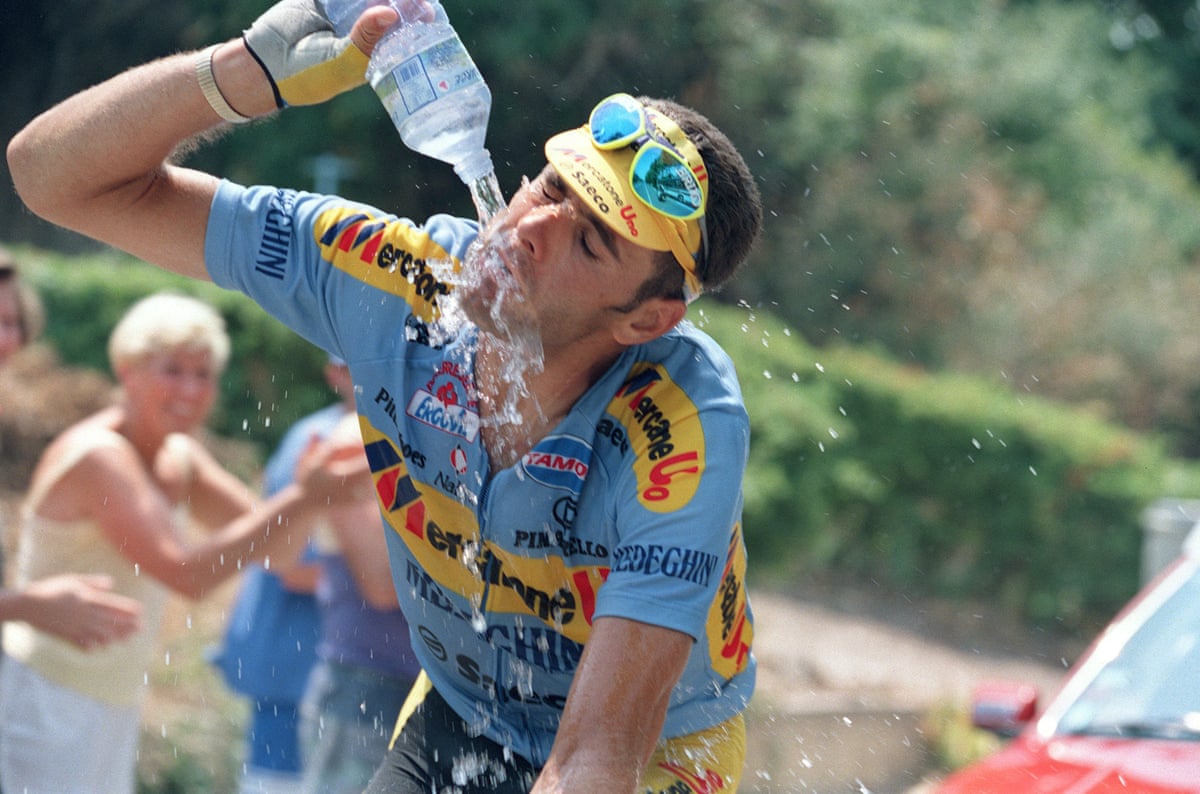
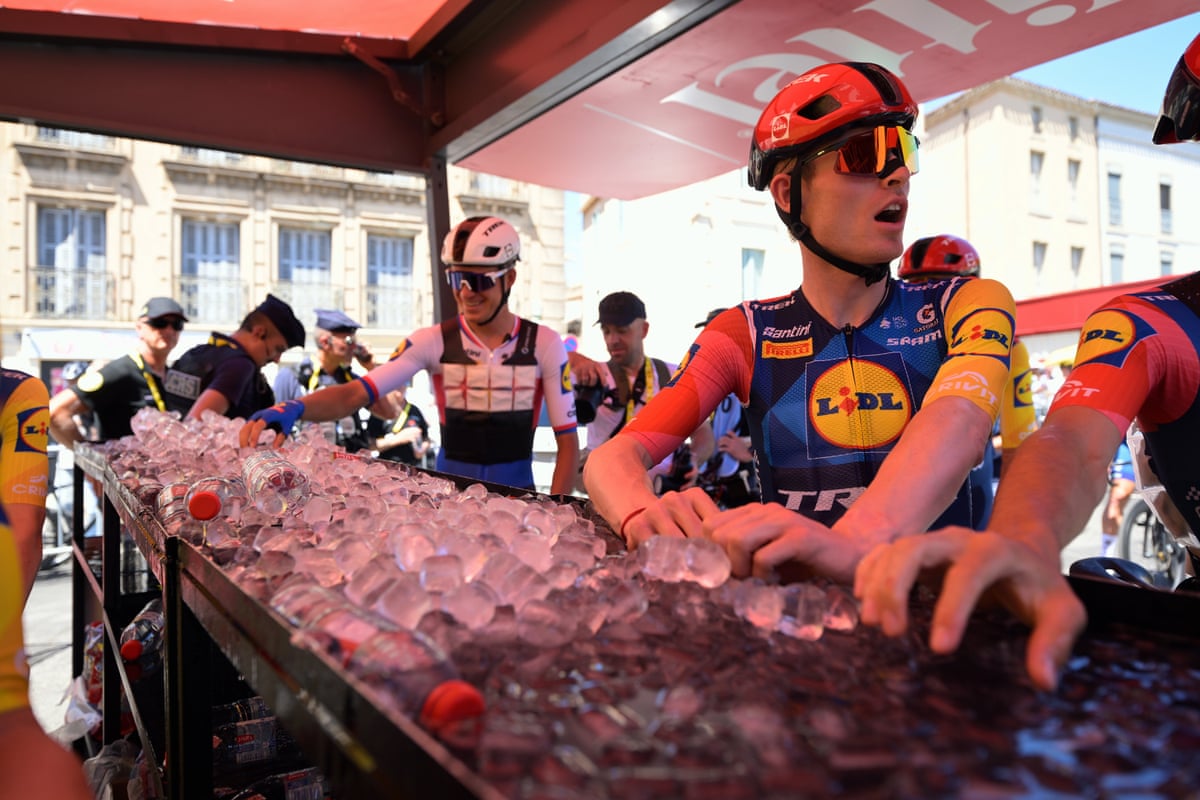
As temperatures have steadily risen, cycling has adopted increasingly innovative cooling methods. In 2004, the Great Britain cycling team introduced chairs with built-in ice baths, allowing riders to immerse their hands up to the wrists to reduce core temperature.
By 2010, Team Sky, collaborating with Gatorade, began assessing riders’ individual mineral needs to optimize hydration. That year’s Tour featured widespread use of ice baths and ice stockings.
In the 2026 Tour, a single team may consume between 80 to 100 kilograms of ice daily, with additional quantities used for custom ice lollies tailored with personalized salt levels.
Limits of Human Adaptation and Future Challenges
Despite these advances, human physiological limits remain. The ongoing global heating crisis will inevitably compel race organizers to reconsider the Tour’s format, ironically so for a sport supported by oil companies and petro-dollar regimes. Though this may seem improbable, changes have occurred rapidly: only a few years ago, the race’s carbon footprint was largely ignored, whereas now spectators are encouraged to attend by bicycle and electric vehicles are increasingly incorporated into the traditionally diesel-heavy caravan.
The absence of spectators at stage finishes, such as at Les Angles this week, threatens the appeal for host towns that rely on tourism revenue generated by the Tour.
During the late June heatwave, numerous amateur races across France were cancelled or modified to protect riders and spectators. Additionally, organizers are monitoring extreme rainfall in the Alps, where mudslides on the Col de Sarenne have occurred, reminiscent of those that disrupted the 2019 Tour finale.
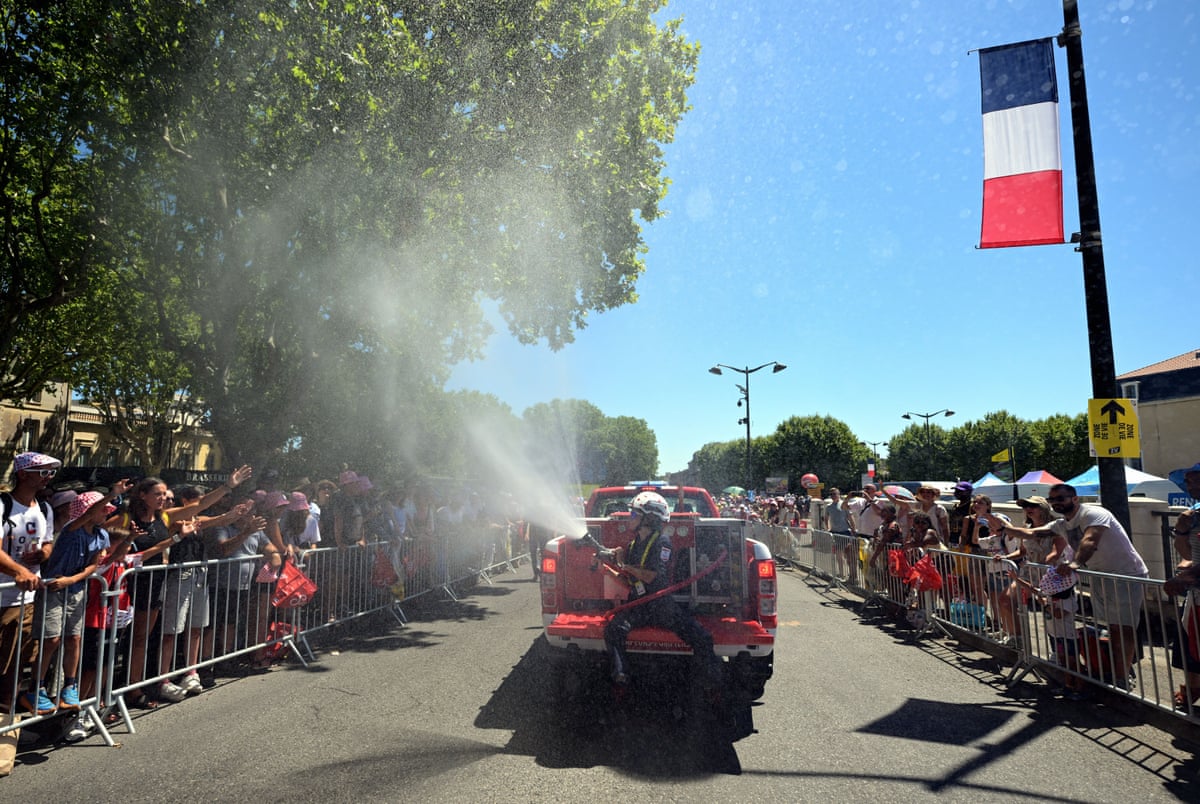
It is plausible that the Tour’s traditional July schedule and late-afternoon stage finishes may need to be altered sooner than anticipated. The era of salted codfish and cabbage leaves is long past; the race faces increasingly severe conditions ahead.