

Four Matches in Four Weeks: Impact on Australian Test Cricket
The upcoming Australian summer Test season will feature an unprecedented schedule of four matches played over four consecutive weekends, commencing only in the second week of December and concluding by early January. While Cricket Australia will promote this as an expansion to seven Tests, the additional fixtures include a tour to Bangladesh in August and a pink-ball match commemorating the 150th anniversary of Test cricket, played partially under March evening conditions. These matches occur outside the traditional Australian summer window, effectively isolating them from the core season.
Unlike many cricketing nations, Test matches remain Australia's primary source of revenue and spectator interest. However, amid increasing competition for calendar space from other sports, Australian cricket administrators appear to be voluntarily reducing the prominence of Test cricket during the summer months.
Challenges of a Condensed Schedule
Historically, Test series have been shortened and tour matches reduced or eliminated, with preparation time considered a luxury. Nonetheless, adequate spacing within a series is essential. While two matches may be scheduled consecutively, longer sequences require built-in breaks of a week to ten days to manage players' physical demands and maintain audience engagement. These intervals allow players to recover and narratives to develop, contributing to cricket's unique rhythm.
Scheduling Tests every week throughout a holiday month may appeal to casual viewers, as increased frequency can enhance accessibility. Advocates for universal four-day Tests have argued that shorter matches could enable a consistent Thursday-to-Sunday schedule, potentially boosting viewership. This approach was envisioned for short bursts, such as adding a third Test to a two-match series or scheduling two separate two-Test series instead of a single three-Test series.

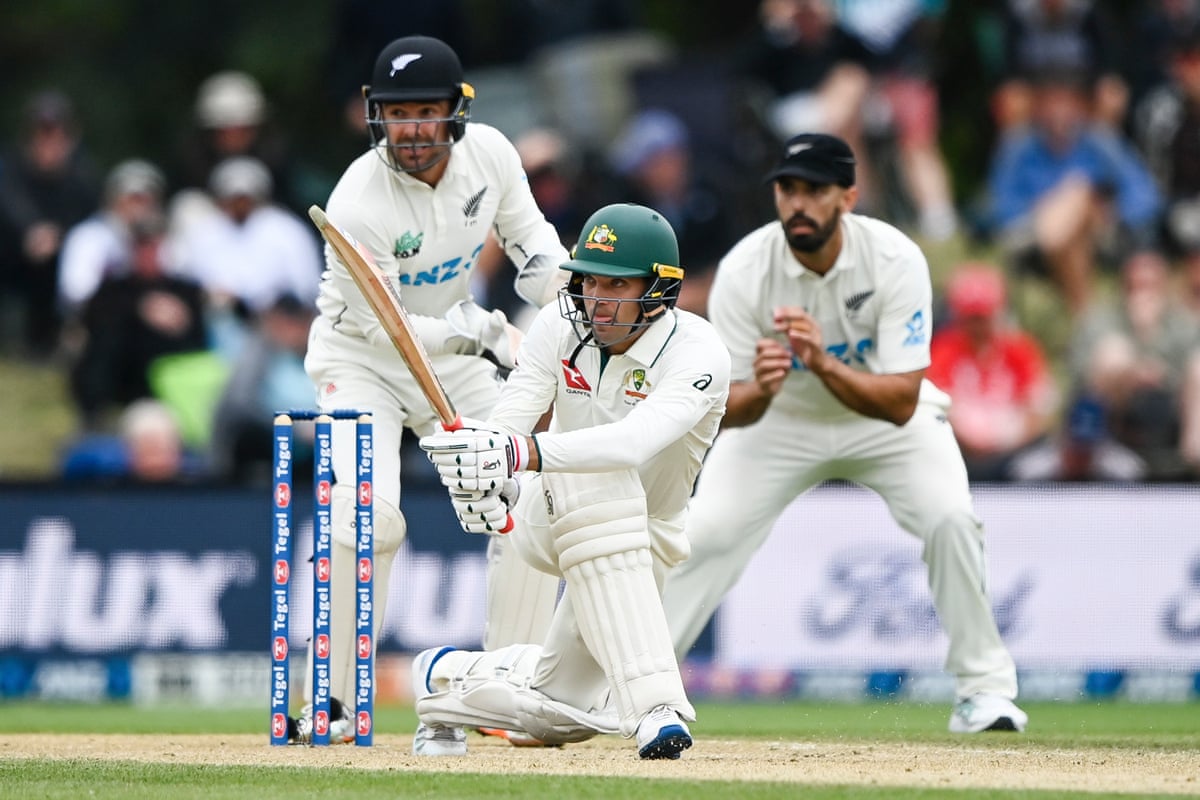
However, beyond these limits, the primary concern shifts from spectator preference to player welfare. Should all matches reach their full duration during Australia's upcoming series against New Zealand, players could be on the field for 20 of 31 days, in addition to four travel days and spending Christmas away from home. This intense workload will necessitate player rotation, particularly among bowlers, though not all eleven players can be rotated. The risk of injury and mental fatigue will increase, and even batsmen may experience performance declines due to extended fielding periods.
Player Welfare and Scheduling Decisions
Given the rigorous fitness regimes players maintain to remain match-ready, and the significance they place on each Test appearance, the current scheduling approach is indefensible. Mitchell Starc, for example, has foregone multiple Indian Premier League (IPL) seasons to preserve his physical condition. The message conveyed to him and his peers is that their professional ambitions are subordinate to administrative scheduling decisions that disregard physical feasibility.
Cricket Australia may justify this schedule as an exceptional case, citing New Zealand's hosting of India immediately before the Australia series and Australia's subsequent tour of India. The timing of the 150th Test is also a factor. However, the underlying cause is the expanding IPL season beginning in March and the lucrative five-match Test series against India. Accommodating these commitments necessitates a January start for Tests. The Border-Gavaskar series is expected to include longer breaks—currently planned as two—to safeguard player fitness and match quality.
Administrative Responsibility and Commercial Pressures
No cricket board is merely a victim of circumstance. Cricket Australia has played a role in creating this scheduling squeeze, which is likely to continue. This week, state associations and the federal body will convene for a comprehensive two-day meeting to discuss selling portions of the Big Bash League to foreign investors, with IPL-affiliated conglomerates as probable buyers. Despite public neutrality, the governing body appears to be positioning itself to facilitate this sale. The prospect of substantial financial gain is expected to attract hesitant parties.
It is important to remember that Cricket Australia operates as a tax-exempt organization established to serve the public interest, not as a profit-driven enterprise. It remains uncertain whether corporate investors will prioritize the development of Australian players, respect Test commitments that may exclude stars from franchise leagues, or accept Test matches occupying prime Christmas airtime over the Big Bash League. Compressing four Tests into four weeks inevitably diminishes the sport's quality. Should Cricket Australia be swayed by financial incentives, it would mark the beginning of numerous compromises, fundamentally altering the character of Australian summers and rendering the Test season paradoxical.


