Longer UK Series Planned for South Africa and Pakistan
England’s men’s cricket team will face an uneven Test schedule in the upcoming Future Tours Programme (FTP), with a strategy to host more five-match Test series at home balanced by an increase in one-off Test matches overseas.
The England and Wales Cricket Board (ECB) is moving away from the traditional approach of reciprocal home and away series in the next World Test Championship (WTC), which will commence with the home Ashes series next summer. The ECB has engaged in discussions with South Africa and Pakistan regarding five-Test tours, a format not seen for decades. Conversely, England’s future tours to Sri Lanka and Bangladesh may consist of a single Test match supplemented by white-ball games, which are more commercially attractive for the host boards.
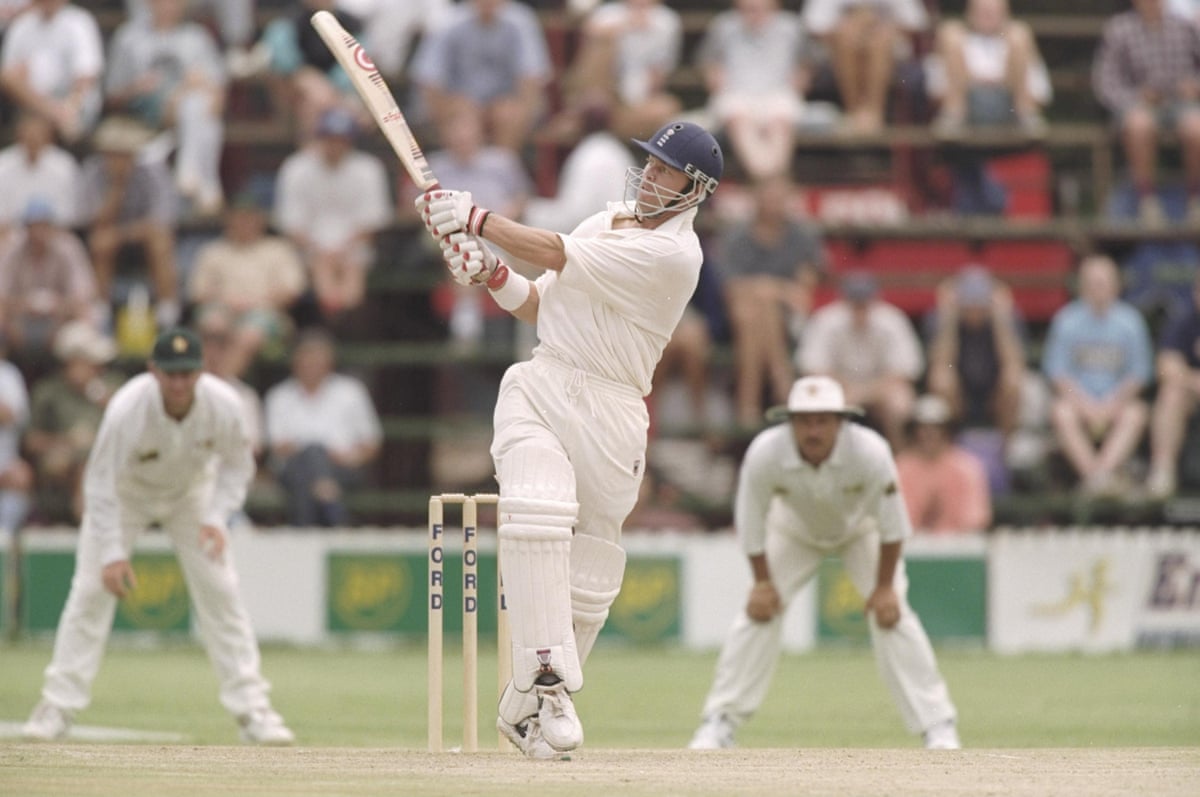
Single Sri Lanka and Bangladesh Games Accepted for ICC’s WTC
This adjustment aligns with the International Cricket Council’s (ICC) plans to expand the WTC to include all 12 Test-playing nations, incorporating Ireland, Zimbabwe, and Afghanistan into a single division for the first time.
A notable change is the inclusion of one-off Test matches in the WTC for the first time. Previously, a minimum of two-Test series was required for matches to count towards the championship. Consequently, England’s first Test match in Zimbabwe since the 1996-97 tour is under consideration. However, the ECB will not send a team to Afghanistan.
The ECB supports the one-Test series format, viewing it as an opportunity to provide smaller cricketing nations with more exposure while complementing their own strategy to protect and promote Test cricket, the oldest and longest format of the game.
ECB’s Strategic Approach to Test Cricket
Internal research by the ECB indicates that Test cricket remains the most popular format across all age groups in England. The board aims to host more extended series, similar to Australia and India, who both tour England for five Tests every four years.
The ECB has already proposed a five-Test tour to South Africa in 2032, which, if successful, would be repeated in 2036. Pakistan is lined up as an alternative touring side should the South Africa tour not materialize.

However, the ECB will not insist on full Test tours overseas due to the general recognition that such tours are not commercially viable in many markets.
New WTC Format and Fixture Flexibility
Under a proposed new WTC format developed by an ICC working group, each of the 12 teams must play 12 matches against at least eight different opponents over a two-year cycle. The top two teams in the standings will meet every odd year in the WTC final, which will be held at Lord’s until 2031.
Importantly, there is no requirement for each team to play every other team, and each board will have considerable discretion over its fixtures. This flexibility is critical for the ECB, which will not sanction matches against Afghanistan outside ICC global events.
Richard Thompson, the ECB’s chair, accused the Taliban regime of “gender apartheid” and “appalling oppression” of women and girls before England played Afghanistan in last year’s Champions Trophy, but rejected calls from 160 cross-party MPs to withdraw from the fixture.
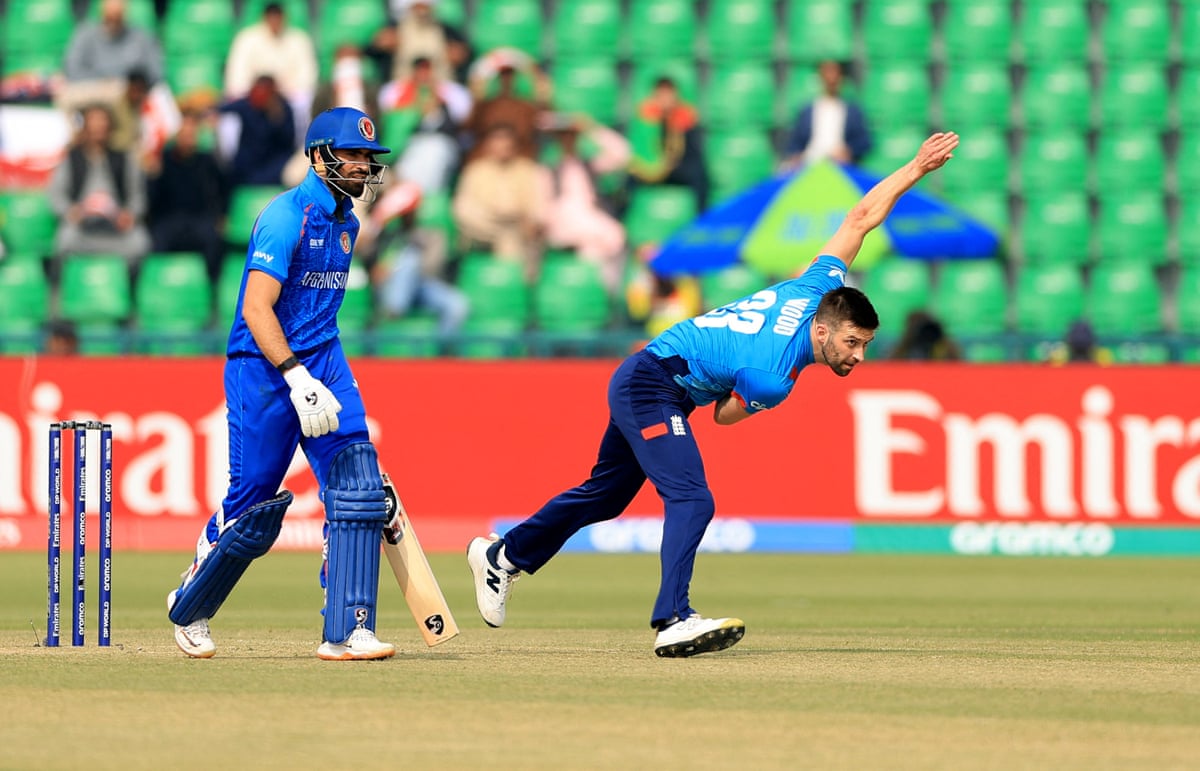
Similarly, India will not be required to play Pakistan in the expanded WTC despite the significant commercial benefits, unless both teams reach the final, which would be held on neutral territory.
ICC Board Discussions and Long-Term Scheduling
The ICC board is scheduled to meet this month to discuss the working group’s WTC proposals. One meeting has already been postponed due to the conflict in the Middle East; the ICC’s headquarters are based in Dubai.
While the next FTP is planned to run from 2027 to 2031, the ECB aims to finalize most of England’s schedule through 2036. This long-term certainty is intended to support the next broadcast rights tender, which will take place next year.