

Proposed Financial Rules Mirror Premier League Model
The England and Wales Cricket Board (ECB) is set to implement stringent financial regulations next season that will impose automatic points deductions on counties incurring repeated losses. These measures are designed to ensure financial sustainability among cricket counties.
has reported that the ECB plans to introduce a system akin to football’s profit and sustainability rules, initially in a shadow format next year. This approach will allow counties to adapt before mandatory penalties for clubs failing to break even come into effect in 2028.
The new regulations are expected to resemble the financial frameworks used by the Premier League and the English Football League (EFL), where clubs are restricted to losses of £105 million and £39 million respectively over a rolling three-year period.
While the Premier League will discontinue its Profit and Sustainability Rules (PSR) next season in favor of new regulations capping player spending at 85% of club football revenues, the EFL will maintain its existing profit and sustainability limits.
ECB’s Profit and Sustainability Rules for Counties
Under the ECB’s version of PSR, counties will be required to demonstrate profitability over a four-year period. Fixed penalties will apply to those consistently posting losses.
The ECB will monitor county accounts in real time and hold the authority to intervene annually. An overspend in the first year will trigger an official warning, followed by a suspended points deduction in the second year, and actual points deductions in the third year if losses persist.
The ECB emphasizes that these measures aim to ensure counties operate as sustainable businesses rather than relying on financial support from Lord’s or proceeds from the sale of the eight Hundred franchises, which generated approximately £500 million for cricket last year.

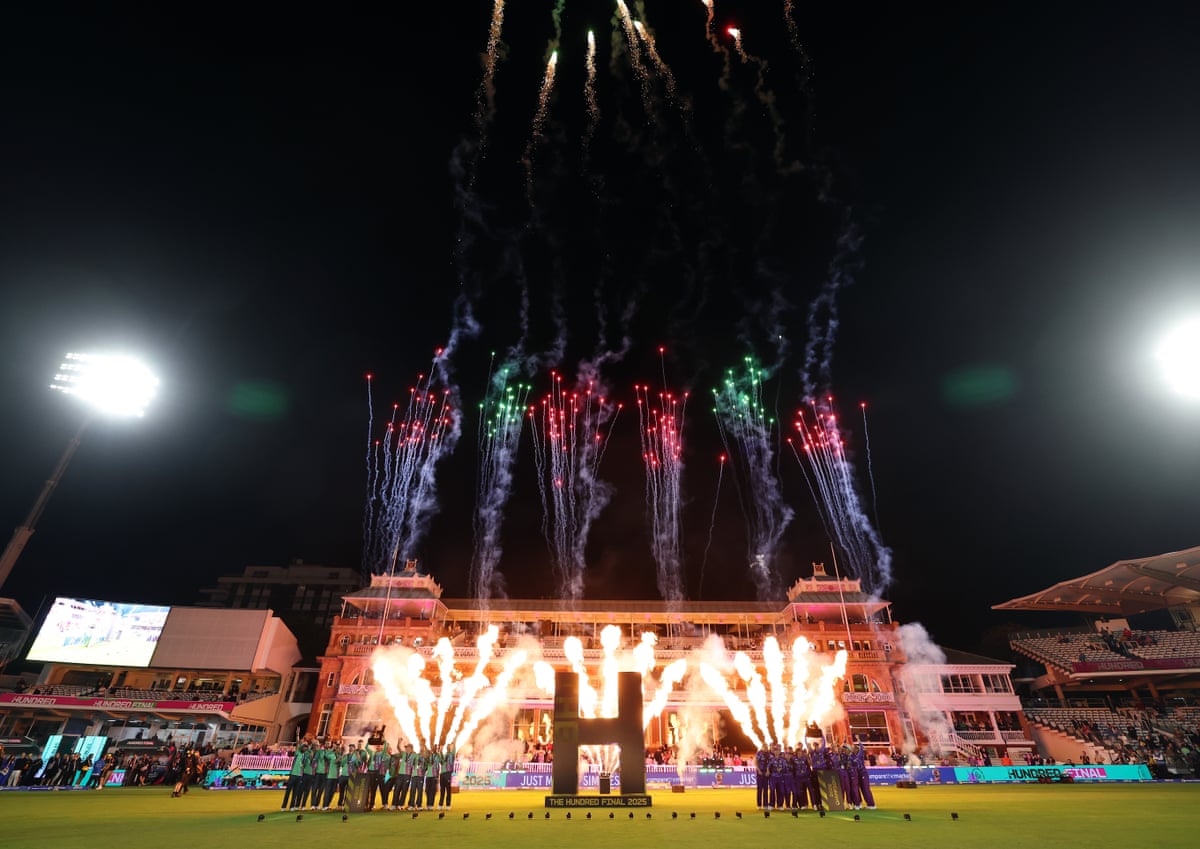
The distribution of Hundred franchise revenues—£18 million allocated to host venues and £24 million to non-hosts—has already caused tensions. The ECB insists these funds are restricted to infrastructure projects or debt repayment and cannot be used for operational expenses.
Financial Challenges and Responses
The new rules also respond to Sussex’s financial difficulties, which led to a 12-point deduction at the start of the season after the ECB penalized the county for an operating loss of £1.33 million last year, attributed to high player wage expenditures.
Yorkshire and Middlesex have also faced financial issues in recent years. However, Middlesex has been unable to access Hundred funding due to having no debt and being long-term tenants at Lord’s without ground ownership.
Counties currently operate under an annual salary cap of £3.17 million for men’s squads (£3.52 million for Surrey and Middlesex), but from next year, they must also prove overall profitability.
This requirement is expected to pose significant challenges, especially for the 11 non-Hundred counties, with only Gloucestershire projected to make a profit this year.
Concerns Over Competitive Balance and Future Revenues
Smaller counties express growing concerns that the sale of the Hundred franchises may widen the gap with larger venues, particularly if new franchise owners seek a larger share of the ECB’s forthcoming TV deal. This deal is scheduled to be negotiated next year and commence in summer 2028.
The Hundred is currently bundled with all England’s home international cricket and valued at approximately £50 million annually by Sky Sports. However, many new franchise owners are interested in marketing the Hundred separately to retain a greater portion of the revenue.


