

Optimism and Challenges in County Cricket
Not everyone involved in county cricket shares the same level of optimism, but players should approach the new season with the belief that strong performances will attract the attention of the England selectors.
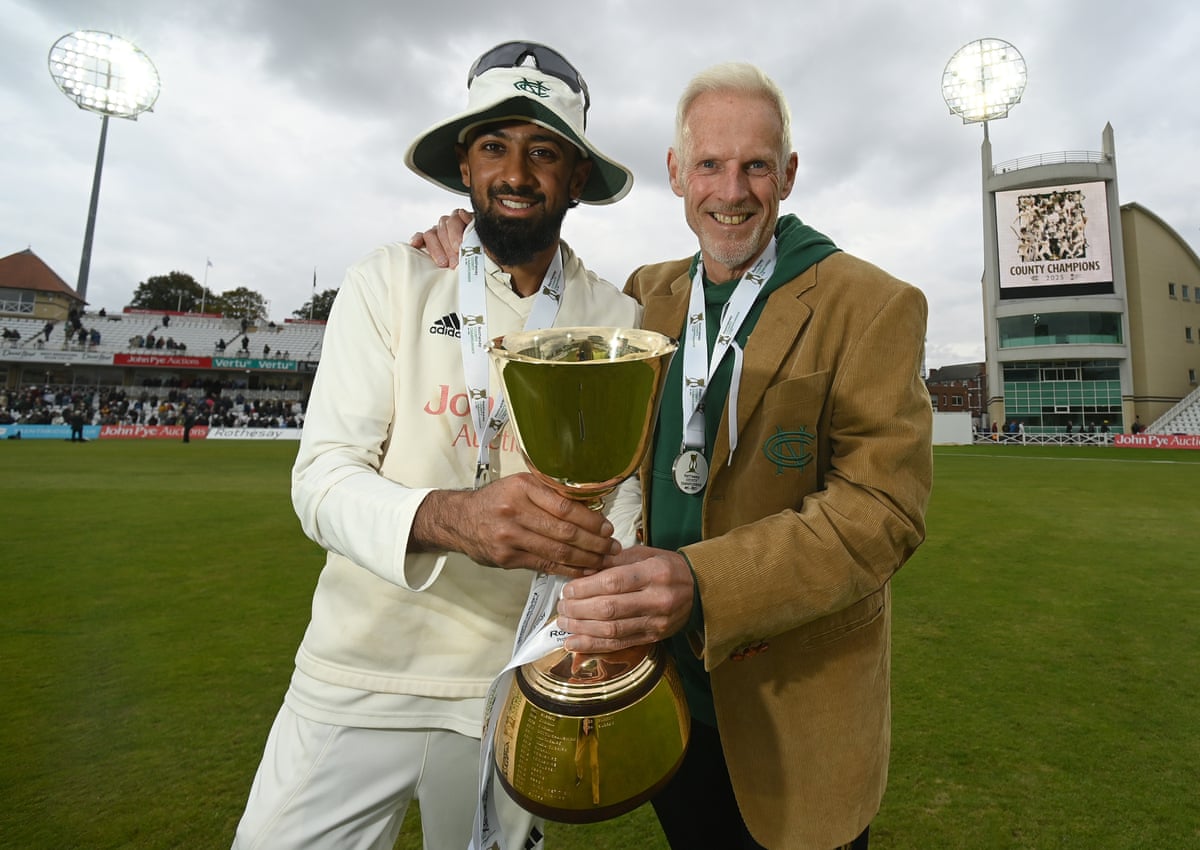
Peter Moores, Nottinghamshire’s head coach, might understandably raise an eyebrow after his four years in the role and a difficult Australian winter. Moores experienced limited opportunities during his two tenures as England head coach, neither including an Ashes series.
As Nottinghamshire prepare to defend their County Championship title with an away match against Somerset this Friday, Moores is focused on the future. Rob Key, England’s team director, recently acknowledged the need for improved communication with the counties regarding selection, a development welcomed by Moores and other domestic coaches.
“If I was a county player now, I’d be more excited about starting this season than the one before,”
Moores said, highlighting his captain Haseeb Hameed as a player likely to make a strong case this summer.
“It feels more likely there’s a route into the England team now. I liked the thought when I played that, even though you might be a million miles off, you’ve still got the dream that if you go well, you’re a chance.
“It doesn’t guarantee anything because there should be loyalty to some of the players there already. But I hope England will start to genuinely engage more with the county game because since the start of international cricket, that’s where the players have come from.”
Mixed Views on England’s Engagement with County Cricket
While Moores expresses optimism, Sussex head coach Paul Farbrace offers a more skeptical perspective. Farbrace recently remarked,
“You just know McCullum isn’t interested in county cricket,”
referring to England’s head coach, Brendon McCullum, and noted minimal contact between the England setup and the counties. This perceived disconnect has led to a lack of concern within counties about England’s international performance.
To address this gap, Rob Key has established a “County Insight Group” that will convene quarterly meetings with four county representatives, two from each division. Additionally, Key and McCullum are scheduled to meet with county directors of cricket this week.
One coach told that while these initiatives are welcome, county cricket currently feels more professional than the England setup. Key has publicly explained that England’s reluctance to interfere in county affairs has been misinterpreted by some as contempt for the domestic game.

Differences Between Domestic and International Cricket
The fundamental difference between domestic and international cricket remains a key factor. Farbrace pointed out that domestic cricket tends to be more front-foot oriented due to slower pitches and medium-fast seamers, whereas international cricket tests techniques above the waist. Consequently, England selectors have felt compelled to look beyond domestic statistics.
Supporting this view is the example of Jacob Bethell, who has yet to score a century for Warwickshire but has achieved centuries in all three international formats within six months. As McCullum noted last year, an England squad selected to win the County Championship would differ significantly from one chosen for the Ashes.
Despite the need for nuanced selection, bridging the divide between domestic and international cricket will be a key theme this summer. Although only a few vacancies may exist ahead of the first Test against New Zealand in June, Moores encourages players to start the season confident that their performances will be noticed.
Competition for England Opening Spots
Unless Zak Crawley embarks on an exceptional early season run at Kent, his position as opener appears vulnerable. If Crawley does not perform, Rob Key’s recent admission that England have been overly loyal in selection will seem hollow. Matt Henry, who impressed during the last meeting with New Zealand, is also eager to seize opportunities.
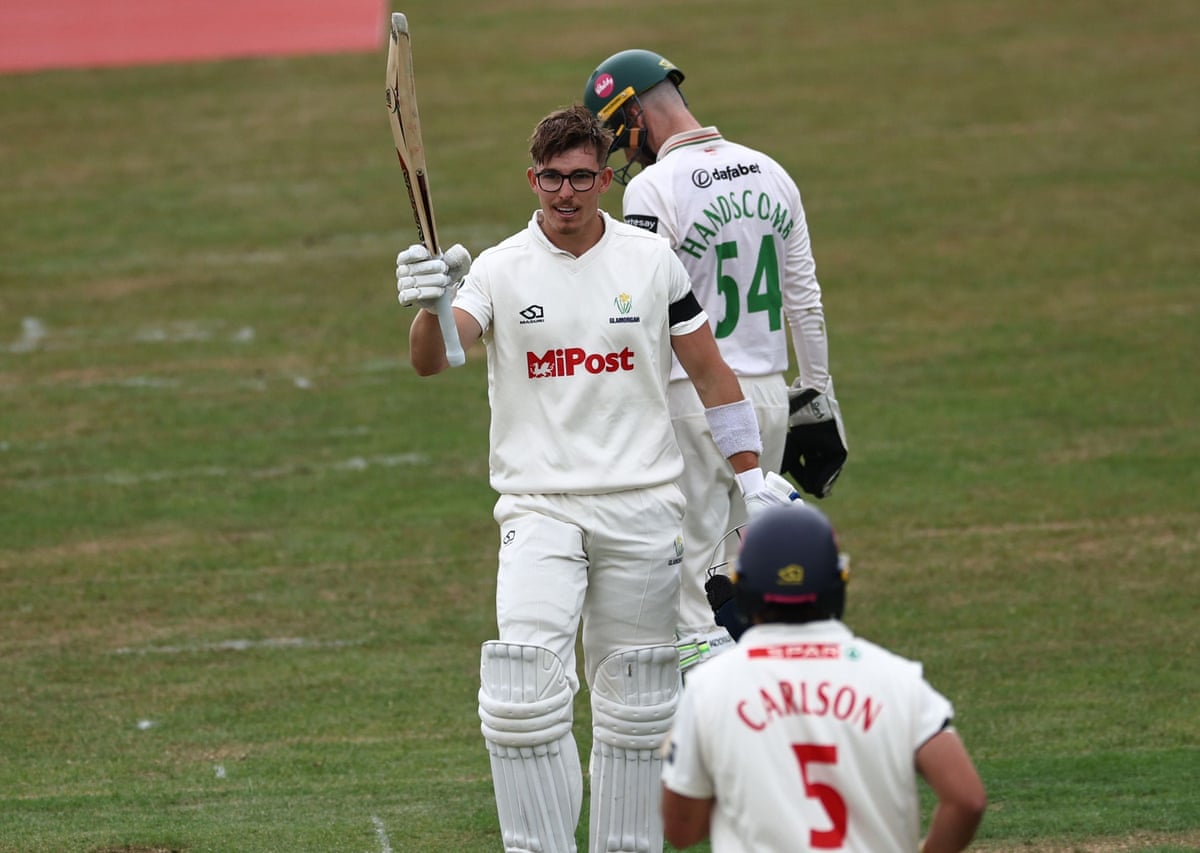
Much like recent Australian traditions, there may be a competitive "bat off" for the opening position. Haseeb Hameed is a fully matured option, scoring runs with renewed intent. Glamorgan’s Asa Tribe and Durham’s Ben McKinney, both promising young players already involved with the England Lions, are also contenders.
Ben Duckett, despite a poor series in Australia, remains a candidate, provided his performances for Nottinghamshire are consistent. Duckett could potentially partner one of the other openers.
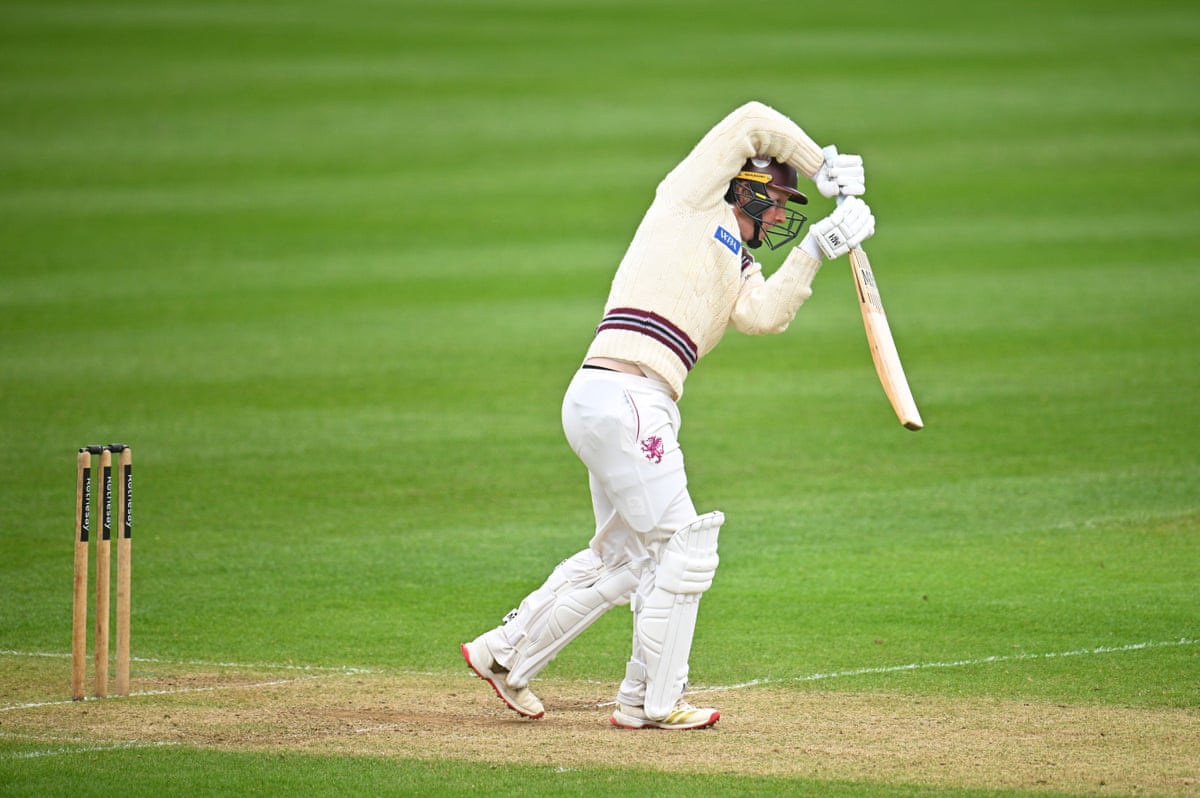
Following this, the focus will shift to Jamie Smith’s recovery from a challenging winter, with Somerset’s James Rew also in contention for the wicketkeeping role. Jordan Cox is another option, though he misses Essex duty due to participation in the Indian Premier League. Players such as Bethell, Jofra Archer, and Brydon Carse are also part of the broader selection conversation.
Bowlers including Ollie Robinson and Sam Cook are pushing to fill the new ball position left vacant after Chris Woakes’ injury. Spin bowling remains the most uncertain area, particularly given the spring conditions that complicate selection decisions. Shoaib Bashir’s new start at Derbyshire will be closely monitored.
County Championship and Team Prospects
While selection dilemmas dominate early discussions, the County Championship itself remains a competition of significant interest. Nottinghamshire’s title win last summer, following an eighth-place finish in 2024, demonstrates the potential for upward mobility.
Surrey, rich in talent, will aim to prove that last year’s second-place finish was an anomaly. Warwickshire, Surrey’s first opponents, could also mount a strong challenge, boasting nine seamers with claims to be first-choice picks, including the returning Chris Woakes.
Except for Sussex, which faces a 12-point penalty for financial issues, the other 17 teams across the two divisions begin the season on equal footing. As Moores puts it, this is the time of year to dream.


