

April’s Cricket Conundrum: IPL vs Red-Ball Debate
Ultimately, whether one prefers the Indian Premier League (IPL) or traditional red-ball cricket, or debates which format is superior, the conflict between these two forms has effectively concluded.
April has become a perplexing period in English cricket, marked by overlapping schedules and contrasting styles. The IPL, with its vibrant energy and star-studded franchises, runs concurrently with the early rounds of the County Championship, creating a season filled with uncertainty and tension.
During this time, fans have witnessed various moments: nets featuring Virat Kohli, intermittent appearances by players like Billy Root amidst rainy weather, and the Abu Dhabi T10 tournament providing some warmth. Summer has made unexpected appearances via live streams, accompanied by lengthy anecdotes about mundane topics such as sandwiches. Matches have unfolded in locations like Sophia Gardens, known for its tea and lukewarm Fosters, and in Gujarat, where a chase ended after just seven balls.
These observations were poetically captured in a recent piece, which humorously acknowledges its own literary license and the watchful eyes of legal estates, including that of TS Eliot. The poem reflects the fragmented and awkward rhythms of early-season English cricket.
The IPL’s Impact on English Player Development
For several years, April has symbolized this uneasy coexistence between the IPL and county cricket. The release of England players to participate in the IPL has intensified discussions about the effects on their development.
Like Alastair Cook, many have expressed concern about how the IPL influences young English cricketers. However, the question arises differently: considering the extensive learning opportunities players gain by observing and sitting on the bench at IPL franchises, should there be apprehension about these players eventually having to participate in matches?
Much is said about the depth of elite knowledge accessible by being close to experienced figures, such as a bearded analyst with a laptop or observing the demeanor of players like Rohit Sharma around team transport. This raises the question of whether the England and Wales Cricket Board (ECB) should intervene to restrict players to purely observational roles during the IPL.
Conversely, there is speculation that these non-playing English players might be accumulating too much theoretical knowledge. The author Isaac Asimov, known for his intense mental focus, once accidentally stabbed himself with a fork while eating. Similarly, players like Jordan Cox, Tom Banton, and Will Jacks, who have yet to play IPL games, might find it challenging to translate their extensive knowledge into practical performance on the field.
The Cook-Bethell-Pietersen Exchange
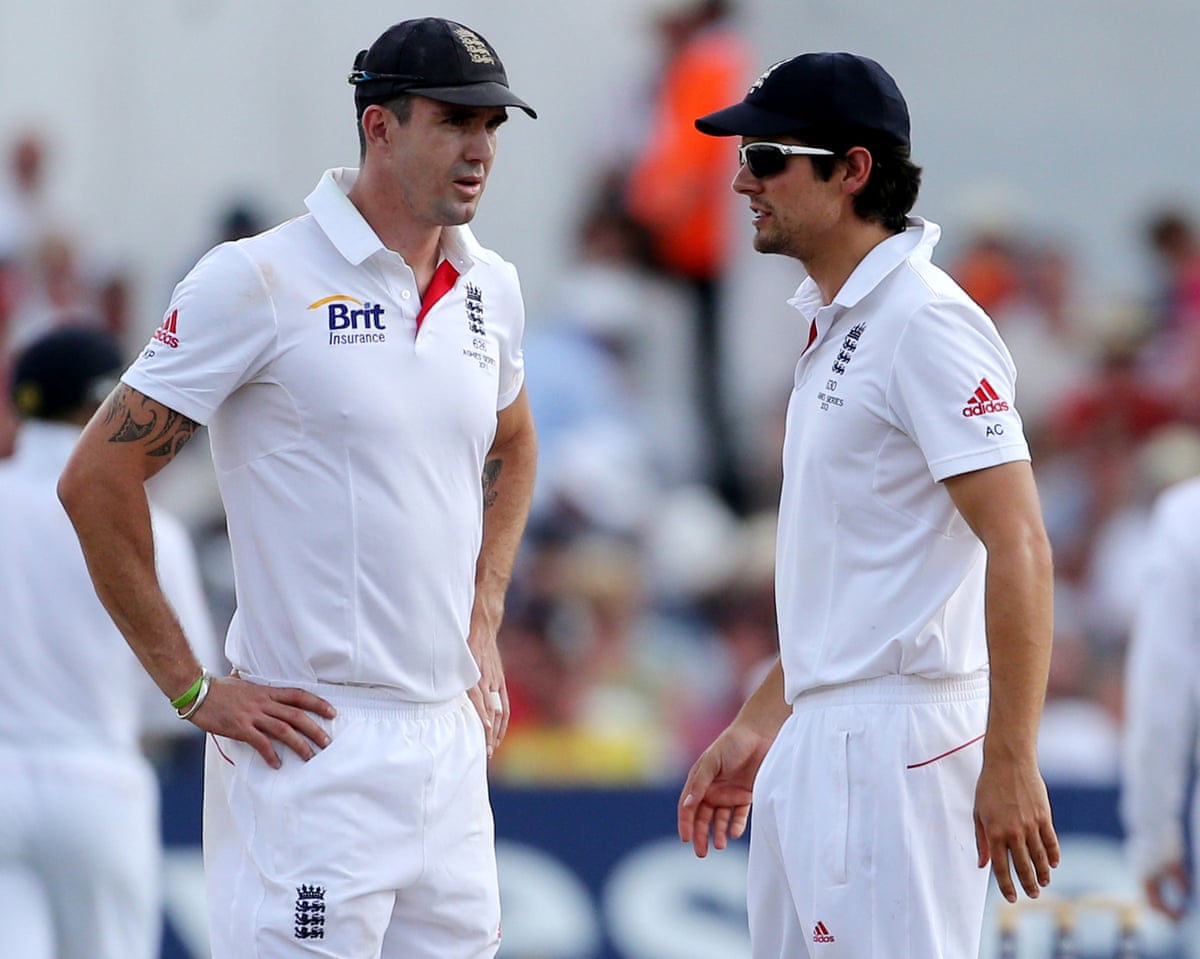
This theme surfaced prominently in a recent public exchange. Alastair Cook commented on a podcast that Jacob Bethell would gain little from "sitting on his arse" at the IPL and would benefit more from playing for Warwickshire. Bethell responded by emphasizing the "intangible benefits" of being around elite players and receiving attention from multiple observers.
Kevin Pietersen then dramatically entered the debate, asserting that Cook "has absolutely NO IDEA what it’s like to be in the IPL," while also criticizing Derby in April. This interaction evokes nostalgia, reminiscent of past cricketing disputes. Pietersen’s own ambitions to play in the IPL once created significant tension during Cook’s tenure as England captain. Today, Pietersen is often seen as a proponent of the IPL, embodying its spirit.
Watching this exchange is akin to revisiting a familiar chapter in English cricket history, with seasoned figures reasserting their perspectives. It’s a reminder of ongoing cultural and generational divides within the sport.

Current Challenges in Cricket’s Evolution
Beyond the entertaining spat, this debate reflects broader challenges as cricket undergoes rapid transformation. County cricket finds itself on the defensive, threatened by the rise of the IPL and changing audience preferences. The IPL itself is complex to discuss objectively, as it represents both a sporting spectacle and a manifestation of fervent nationalism.
Players and commentators often feel compelled to express enthusiasm for the IPL. For instance, commentator Danny Morrison frequently exhibits exuberant reactions to even minor events during IPL matches, highlighting the tournament’s emotional intensity.
It is important to acknowledge that players like Bethell have the autonomy to make decisions regarding their careers. Accepting a lucrative $250,000 deal to participate or observe in the IPL is a rational choice.
Simultaneously, it is necessary to recognize the absence of a coherent, strategic plan governing player development across formats. Whether young players benefit more from training and observing alongside renowned professionals remains uncertain, and definitive claims lack evidence.
Perspectives of Key Figures
Kevin Pietersen is known for his candid and insightful commentary. Although he never experienced the IPL bench role himself, his revolutionary approach to cricket and success in club and red-ball formats lend credibility to his views. Pietersen’s career involved extensive effort in club cricket and remarkable achievements, such as scoring extraordinary red-ball double centuries against teams like Derbyshire.
Jacob Bethell presents a unique case. While he may gain more from mentorship under Andy Flower than Brendon McCullum, Bethell is regarded as a rare talent in English cricket—level-headed and exceptionally gifted. His century in the Ashes was notably impressive, suggesting his capability to navigate both traditional and modern cricketing worlds.
However, Bethell’s experience is nuanced. Having spent two months in a Test environment, he faced challenges during a Test match at The Oval, where his inexperience was evident despite his willingness to engage.
The Future of Red-Ball Cricket
The central issue remains that red-ball cricket faces an uncertain future. Despite being the preferred format for many in England and generating significant revenue, it is under threat and managed in a fragmented, improvised manner.
Hard decisions are inevitable. The coexistence of the IPL and red-ball cricket at their highest levels appears untenable. Currently, England’s Test team has vacancies, and six English players involved in the IPL have expressed interest in playing Tests. Yet, only Jofra Archer has participated in a Test match this season, highlighting the challenges of balancing commitments.
This situation explains why players like James Rew, who are available domestically, are being selected. The ECB is also considering relaxing eligibility rules to broaden selection options, potentially including players like Leus du Plooy, known for his reliability and consistent presence.
Conclusion: Embracing the Divide
In conclusion, preferences between cricket formats are secondary to the reality that the sport has effectively bifurcated. The Cook and Pietersen debate serves as a lighthearted backdrop, akin to a casual dispute among enthusiasts over technical details.
It is more constructive to acknowledge this division openly, recognizing that players are caught between shifting paradigms. The cricket community must decide transparently which aspects of the sport to preserve and how to manage the transition, to prevent the remaining elements from deteriorating into an unproductive state.


