England Secure T20 Victory Over India
India posted 190-7, while England chased down the target with 191-6, winning by four wickets. Jacob Bethell’s 76 runs were instrumental in England’s successful pursuit of 191 in the second T20 match.
Sooryavanshi’s Historic Debut and Bethell’s Match-Turning Performance
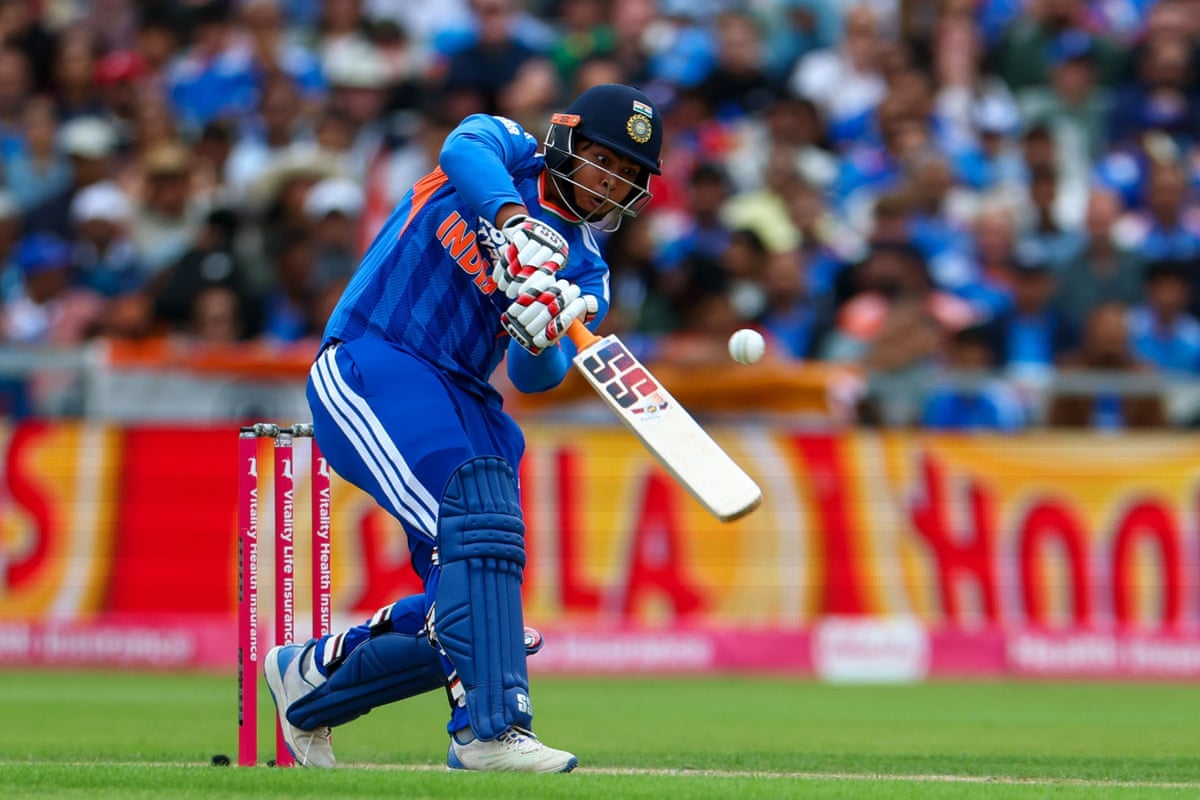
Vaibhav Sooryavanshi made his highly anticipated debut on a chilly, windswept afternoon in Manchester, becoming the youngest ever Indian men’s international player at 15 years and 99 days, and the second youngest across all formats among full member nations.
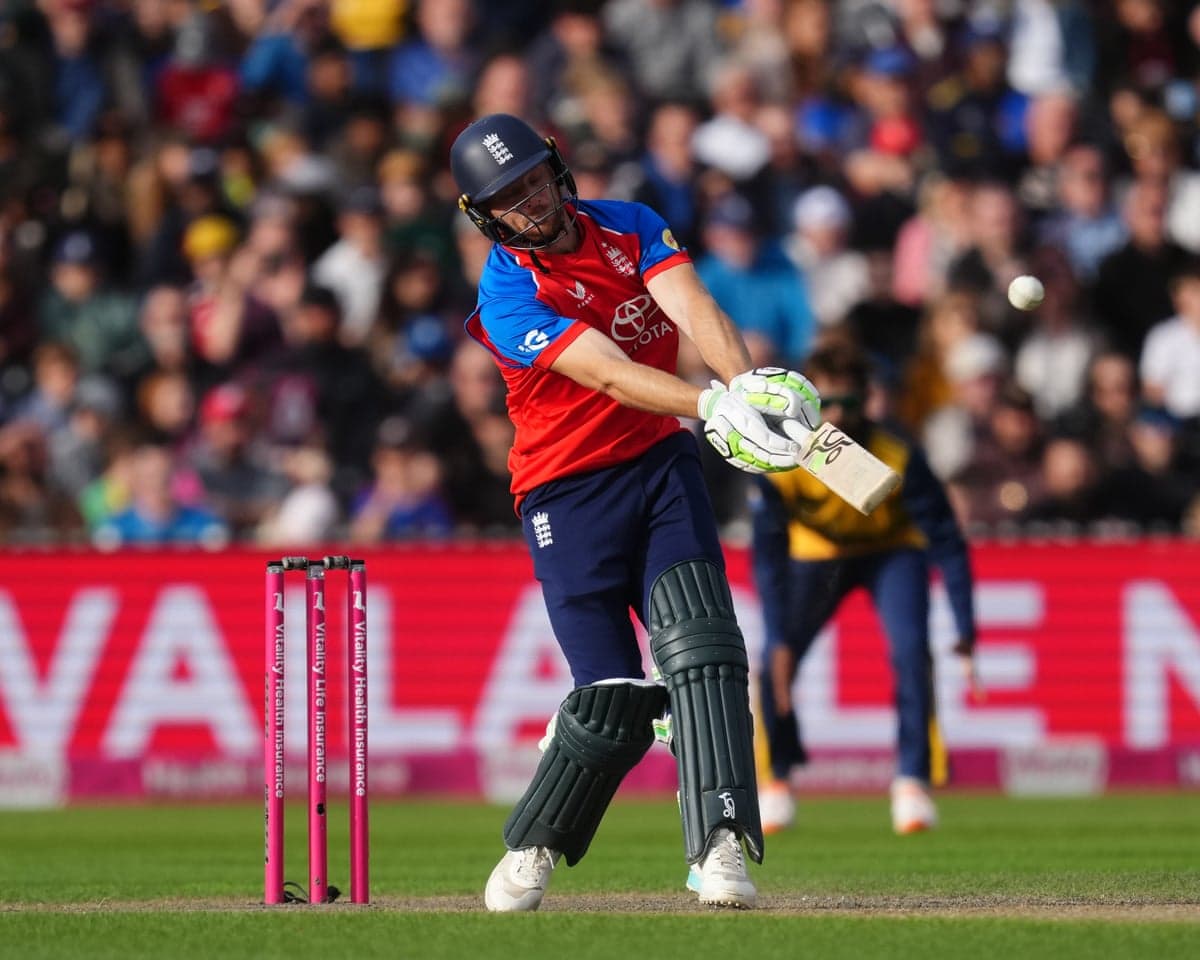
However, it was England’s youngest player, Jacob Bethell, aged 22, who decisively influenced the outcome. Bethell’s impactful performance, particularly during the 17th over—the fourth bowled by Ravi Bishnoi—saw him score 29 runs, turning the match in England’s favor. His 76 runs off 46 balls helped England reach the target comfortably with an over to spare.
Match Conditions and Context
The match took place at a ground where England had previously set a record total of 304 runs. The wind conditions favored shots toward the shorter boundary, and the afternoon start coincided with peak television viewing hours in England. India chose this occasion to introduce their teenage prodigy, Sooryavanshi, to international cricket.
While Sooryavanshi was relatively unknown in England despite his early Indian Premier League debut at 13, the Indian team was well aware of Bethell’s capabilities. Bethell had previously scored a century in a losing effort against India during the T20 World Cup semi-final in March. This time, his efforts contributed to a winning cause.
Sooryavanshi’s Brief Innings
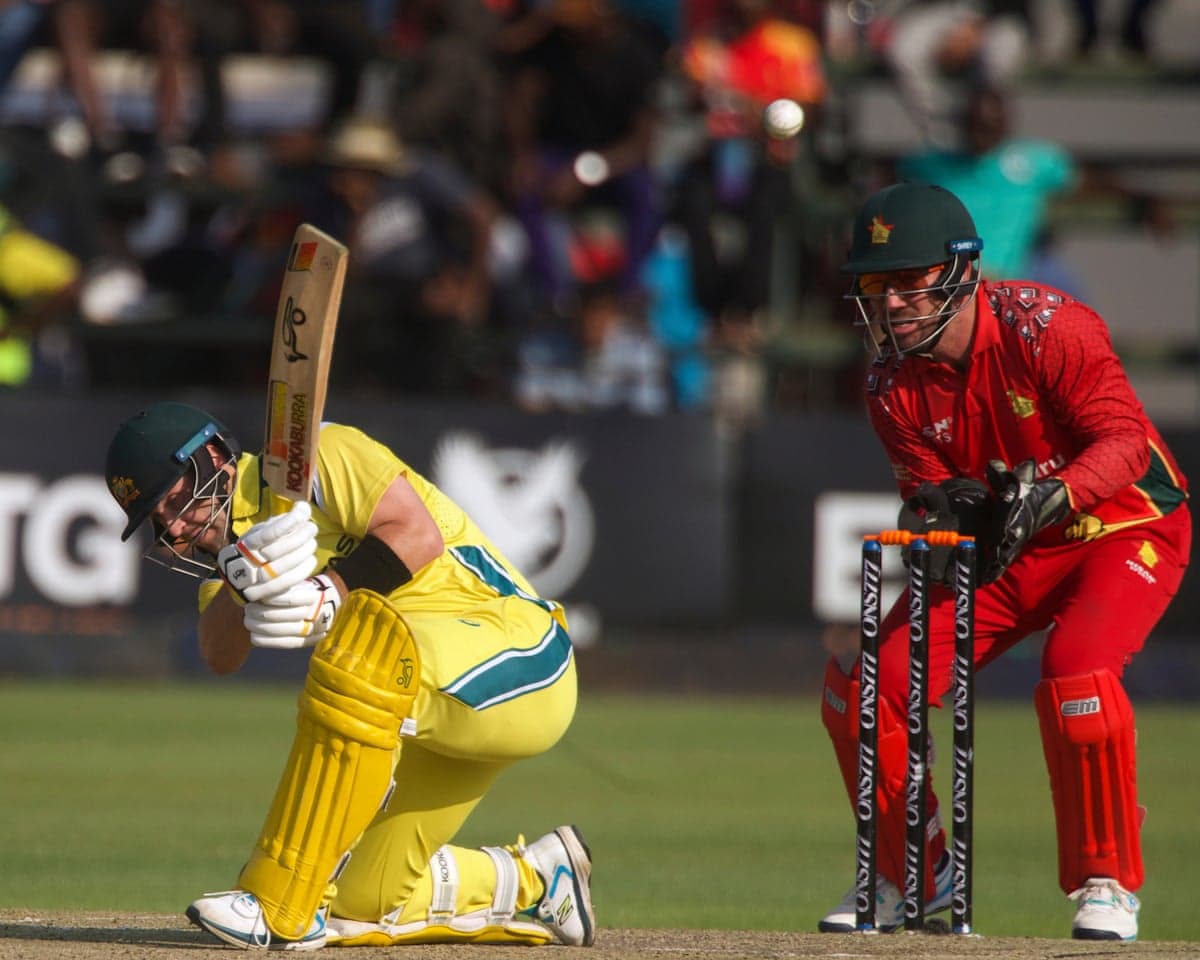
Sooryavanshi’s innings lasted only 10 balls. Despite hitting two sixes, including an extraordinary shot off the first ball he faced from Jofra Archer—his Rajasthan Royals teammate—where he lofted the ball over his right shoulder while on one knee, he was dismissed stumped by Jos Buttler off Will Jacks’ bowling for 14 runs. This performance was more a glimpse of his potential than a full display of his talent.

For the first time in T20 internationals, both England openers failed to score any runs, marking a historic moment. Following this challenging start, England struggled against India’s spin bowling attack. Despite a strong cameo from Harry Brook, who scored 39 runs off 15 balls and targeted Arshdeep Singh’s bowling, England’s chase seemed difficult until the pivotal 17th over.
Turning Point: The 17th Over
During the 17th over, bowled by Bishnoi, a back-foot no ball gave England a free hit, which Bethell dispatched for six. Another no ball followed, resulting in another free hit and another six from Bethell. This sequence of events significantly shifted momentum in England’s favor, enabling them to complete the chase.
India’s Batting Highlights
Despite Sooryavanshi’s limited impact, India’s openers Abhishek Sharma and Ishan Kishan contributed to a strong start, taking the team to 130 runs after 13 overs and positioning them for a total exceeding 200. England responded by tightening their bowling, with Sam Curran taking two wickets during this phase.
However, a dropped catch by Jofra Archer off Tilak Varma allowed Varma to continue his innings. At the time of the drop, Varma had scored one run but finished with 24 runs off 11 balls. Archer’s misjudgment proved costly as Varma hit two sixes and a four in the final over of India’s innings.
Final Innings and Key Performances
India’s total of 190 for seven was only marginally better than the 189 for seven they scored in the first game of the series, which England had considered under-par. England’s batting start was poor, with both Phil Salt and Jos Buttler dismissed by Arshdeep Singh in the first over.
Arshdeep bowled three excellent overs, but Harry Brook’s aggressive batting, including 27 runs off one over, helped England reach 32 runs after three overs, with Brook on 31. Despite this, India appeared to be in control until Bishnoi’s unconventional and somewhat erratic bowling helped England surpass their target.