

Whistleblower Claims DEA Allowed Fentanyl Shipments in Albuquerque
An investigative report by the Associated Press, based on testimony from a former Drug Enforcement Agency (DEA) agent turned whistleblower, raises serious questions about whether DEA agents knowingly permitted large quantities of fentanyl pills to enter Albuquerque, New Mexico. The city continues to struggle with the opioid crisis, even as overdose rates decline in other parts of the United States.
The whistleblower, DEA special agent David Howell, filed a complaint in 2023 alleging that agents allowed hundreds of thousands of fentanyl pills to be trafficked into Albuquerque in hopes of securing larger drug-trafficking arrests.
“We poisoned our community to make cases,” DEA special agent David Howell told the outlet. “Through our own willful blindness, we get to say, ‘We don’t really know what happened to the drugs.’ But we 100% got people killed.”
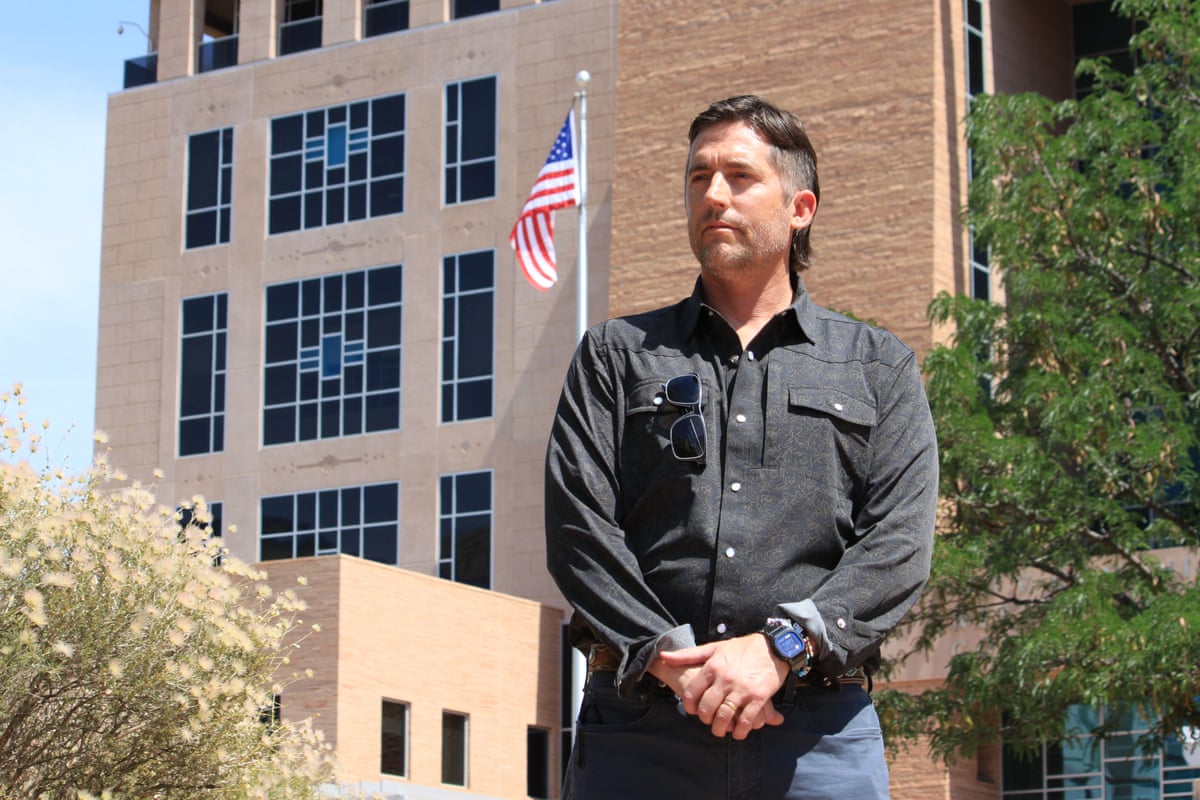
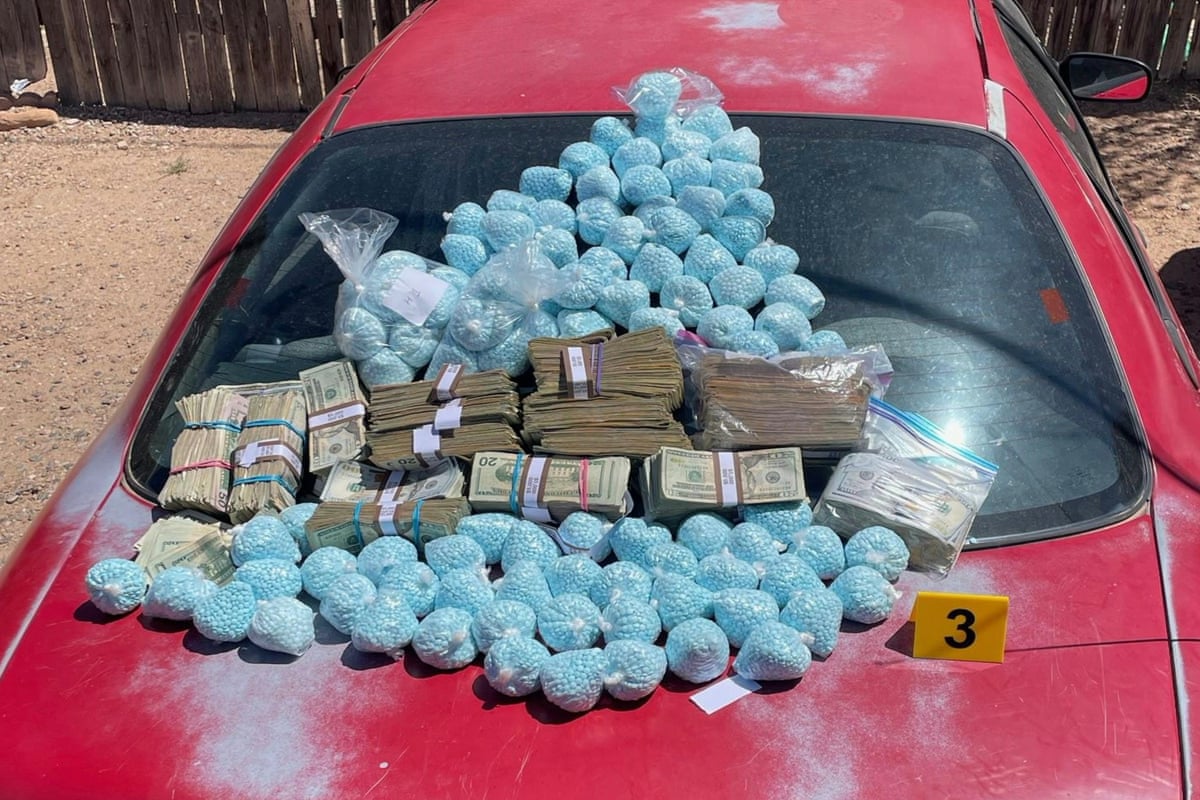
Howell informed the AP that in some instances, the DEA had detailed intelligence on drug deliveries, including exact pill counts in shipments destined for Albuquerque. Documents reviewed by AP revealed that DEA agents intercepted coded cellphone communications and closely monitored a transaction involving 74,000 fentanyl pills at a mobile home park in Albuquerque in June 2023. Days prior, another shipment had also passed without seizure.
“We did nothing but sit back and watch,” Howell said.
According to DEA data, one kilogram of fentanyl, which equates to thousands of pills, has the potential to cause 500,000 deaths.
DEA Response and Investigation
The DEA has disputed the AP’s reporting, issuing a statement to denying that agents knowingly allowed fentanyl to reach communities, calling such claims false and a mischaracterization of the facts.
“The cases in question involved complex, court-authorized Title III investigations in which agents and prosecutors conducted real-time surveillance, intelligence gathering, and operational analysis targeting larger drug trafficking organizations,” the DEA stated.
The agency further emphasized that investigative decisions are coordinated with the offices of U.S. attorneys (USAO) to prevent public harm, asserting that their actions were lawful, reasonable under the circumstances, and consistent with departmental guidance.
Despite these assertions, the DEA requested the U.S. Department of Justice’s Office of Inspector General to investigate Howell’s complaint.
New Mexico Attorney General Launches Formal Inquiry
New Mexico Attorney General Raúl Torrez announced on Friday the initiation of a formal investigation into the allegations.
“If those allegations are accurate, the consequences for New Mexicans were not abstract. They were fatal,” Torrez wrote in a letter to Governor Michelle Lujan Grisham. “New Mexico already ranks among the states hardest hit by fentanyl overdose deaths, and the families who have lost children, siblings, and parents to this crisis deserve a full accounting of what the federal government knew, what it did, and what it failed to do.”
Torrez affirmed his commitment to pursuing all appropriate legal avenues to hold responsible parties accountable. However, he cautioned that while federal agents are not above the law, the supremacy clause of the U.S. Constitution provides substantial protections for federal employees acting within their authority.
Concerns Over DEA’s Approach to Fentanyl Enforcement
The report has sparked debate over whether the DEA has underestimated the threat posed by fentanyl. Questions have also been raised about the agency’s focus on Mexican criminal organizations involved in trafficking, potentially overlooking local or retail distribution networks and the resulting tens of thousands of overdose deaths.
While drug overdose fatalities nationwide have decreased by 24% from approximately 105,000 in 2023 to 79,384 in 2024, this downward trend has not been observed in all regions. New Mexico, particularly along the Rio Grande Valley, continues to experience elevated overdose rates. This region has a long history as a trans-shipment route for Mexican black tar and brown heroin. For decades, Española, a town 80 miles north of Albuquerque, was known as the heroin-addiction capital of America.
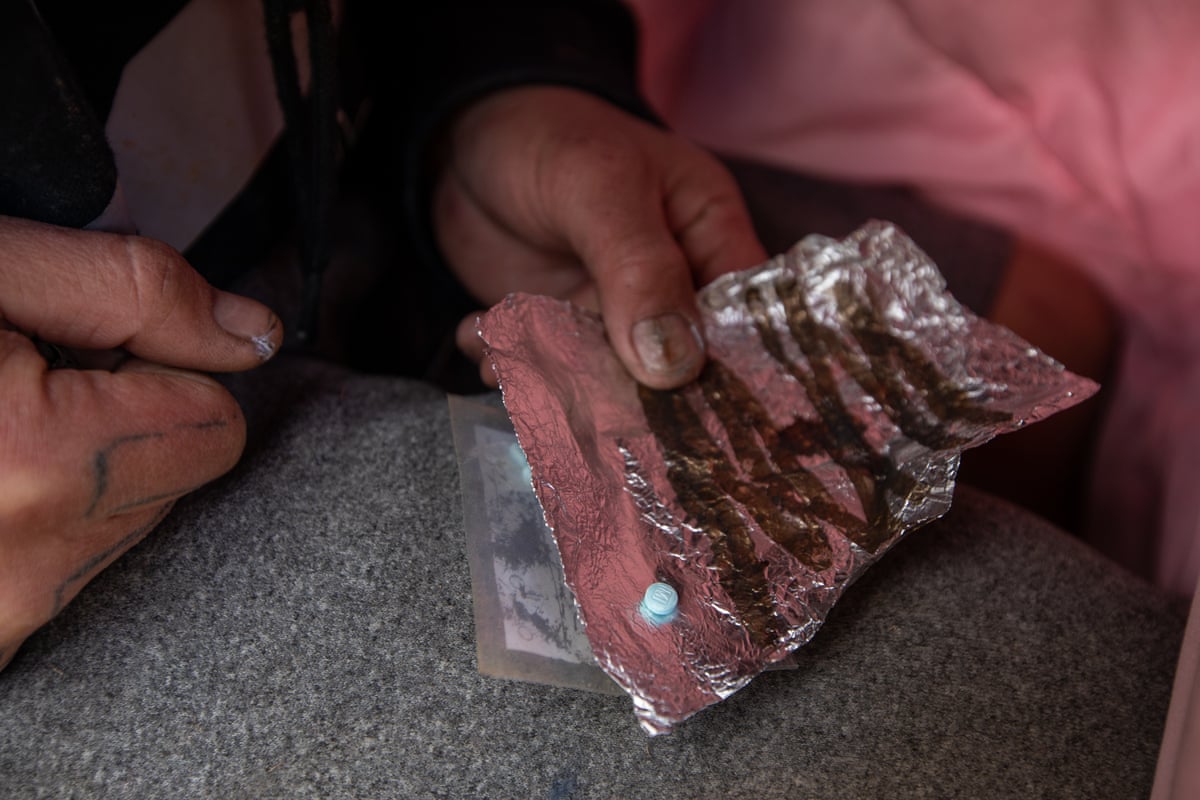
The opioid crisis in the area intensified following changes in prescription practices in the late 1990s. When prescription opioids became less accessible 15 years later, Mexican cartels shifted from producing costly heroin to cheaper, synthetic, and more unpredictable fentanyl.

Overdose deaths in New Mexico increased by 23% over the past year, marking the second consecutive year the state led the nation in overdose mortality. During the first half of 2025, drug-related emergency room visits increased by as much as 204% in three northeastern counties: Rio Arriba, Santa Fe, and Taos.
Whistleblower’s Experience and Internal Challenges
Howell was identified as the author of the complaint to the Department of Justice’s Office of Professional Responsibility after reporters noticed redactions had missed the last letter of his name. They subsequently contacted DEA agents who had worked in Albuquerque via LinkedIn. Howell reportedly faced repercussions for filing the complaint, including reassignment to desk duty and reductions in his performance evaluations.
Internal records indicate prosecutors barred Howell from testifying in federal court, citing his “pattern of refusing to heed” directives to allow drugs to pass without seizure during long-term investigations.
Perspectives from Law Enforcement and Officials
Alex Uballez, who served as U.S. Attorney in New Mexico from 2022 to 2025, told the AP that allowing some drug shipments to proceed without seizure was part of a broader strategy to gather intelligence and build cases against major traffickers.
“The bigger fish are worth catching,” he said, “And that will save more lives.”
The revelation that federal agents permitted hundreds of thousands of fentanyl pills to be distributed in Albuquerque has caused political upheaval in New Mexico.
Governor Michelle Lujan Grisham condemned the DEA’s actions as “reckless and dangerous,” urging the state attorney general’s office to prosecute those responsible, regardless of their federal status. She told reporters that the influx of fentanyl pills resulted in “hundreds of New Mexican parents burying their kids. Hundreds of New Mexican kids growing up without stable parents. All while the federal government stood by.”
Facing a re-election campaign against former Interior Secretary Deb Haaland, Grisham stated she had repeatedly requested assistance from the Biden administration and federal officials to address the fentanyl crisis.
“While my administration was doing everything we could to stem the tide of fentanyl coming into our state, the federal government deliberately allowed it to flood in,” she said. “I plan to hold the federal government accountable for this disaster and will explore every possible avenue of action to right these wrongs.”
Albuquerque Mayor Tim Keller described the fentanyl epidemic as having “torn through our streets” and called it “disgusting to think that federal authorities may have allowed hundreds of thousands of these deadly pills to move into our community and possibly killed people through their actions.”
Keller said at a news conference on Thursday that DEA had made an “immoral decision” and called it “a huge slap in the face to all of us as New Mexicans.”
Bernalillo County Sheriff John Allen, whose jurisdiction includes Albuquerque, told the Albuquerque Journal that the DEA had been permitted “to feed poison to our community for a bigger case.”
“I agree with getting the big fish and everything, but not when people are dying while we’re doing these investigations,” he added.
Federal Guidelines and Policy Changes
In 2017, the Department of Justice issued internal “fentanyl protocols” directing federal agents to “seize or otherwise prevent the distribution” of fentanyl “as soon as practicable,” emphasizing that “protecting public safety is paramount” regardless of ongoing investigations.
However, two years ago, the DOJ revised this guidance to grant agents greater discretion, allowing investigators to balance public safety risks against the benefits of preserving investigations when deciding whether to prevent fentanyl trafficking.
In December 2024, former President Donald Trump issued an executive order designating fentanyl as a “weapon of mass destruction,” authorizing the Defense Secretary and then-Attorney General to utilize departmental resources extensively to combat the crisis.
Whistleblower Organization Calls for Accountability
Empower Oversight, the whistleblower organization now representing Howell, alleges that the DEA routinely allowed fentanyl shipments to proceed from at least 2023 through March 2025. The organization has called on the Department of Justice’s Office of Inspector General and congressional oversight committees to investigate.
“The same agency that warns the public, ‘one pill can kill’, should not intentionally allow hundreds of thousands of fentanyl pills to hit the streets,” the organization stated. “It’s outrageous to put that many lives at risk in hopes of making a big case.”


