

Supreme Court Ruling Curtails Presidential Tariff Authority
Donald Trump had warned for months that a Supreme Court decision restricting his ability to impose tariffs would be catastrophic.
"If the court curtailed his ability to impose these tariffs, it would be an 'economic and national security disaster'."
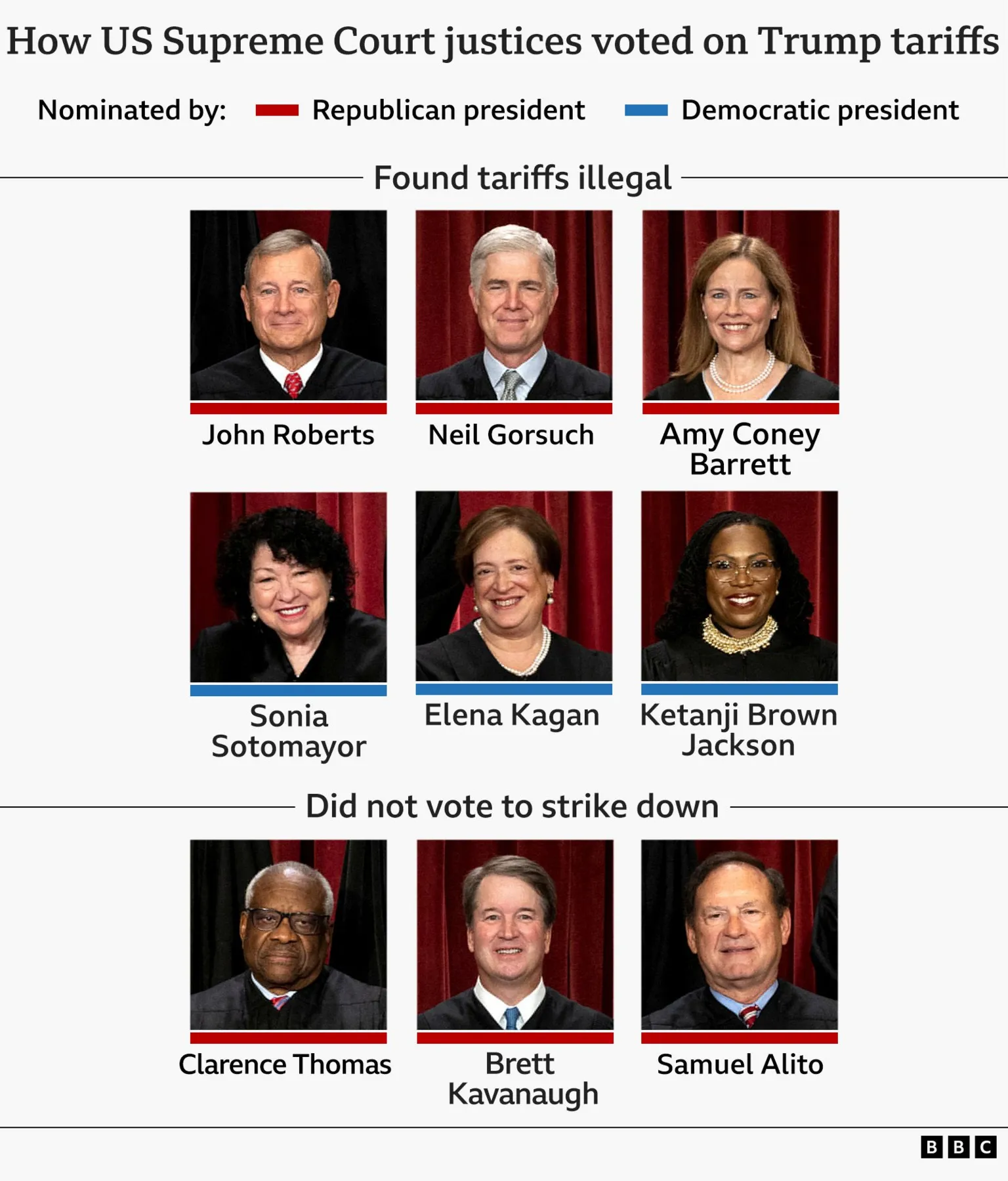
However, on Friday, a six-justice majority of the Supreme Court ruled against the president, emphasizing that Congress, not the president, holds the authority to impose tariffs. The justices found that the Emergency Economic Powers Act of 1977, the law Trump relied on to justify his tariffs, did not delegate such expansive powers to the executive branch.
Trump responded swiftly in a press conference held the same afternoon, sharply criticizing the justices who ruled against him. He expressed shame towards the three conservative justices who struck down his tariffs and labeled the three liberal justices on the court a "disgrace."
"I am ashamed of the three conservatives who struck down my tariffs and the three liberals on the court are a disgrace."
He also vowed to reimpose tariffs using other presidential authorities, announcing plans to sign a new 10% global tariff later that day.
Implications for Executive Power and Trade Policy
The court's decision marks a rare limitation on President Trump's broad use of executive authority. While a majority of justices have previously allowed Trump to advance his agenda on issues like immigration and federal government restructuring, this case, expedited through the court system as an emergency, restricts one such expansive use of presidential power.
Several other significant cases involving executive authority remain pending, including efforts to end birthright citizenship and to remove a Federal Reserve governor over alleged misconduct. This ruling may signal further challenges for the administration.
At minimum, the decision diminishes Trump's leverage in negotiating with other countries and undermines his image of invincibility. Trading partners may feel emboldened to adopt tougher stances now that the president's tariff powers have been curtailed.
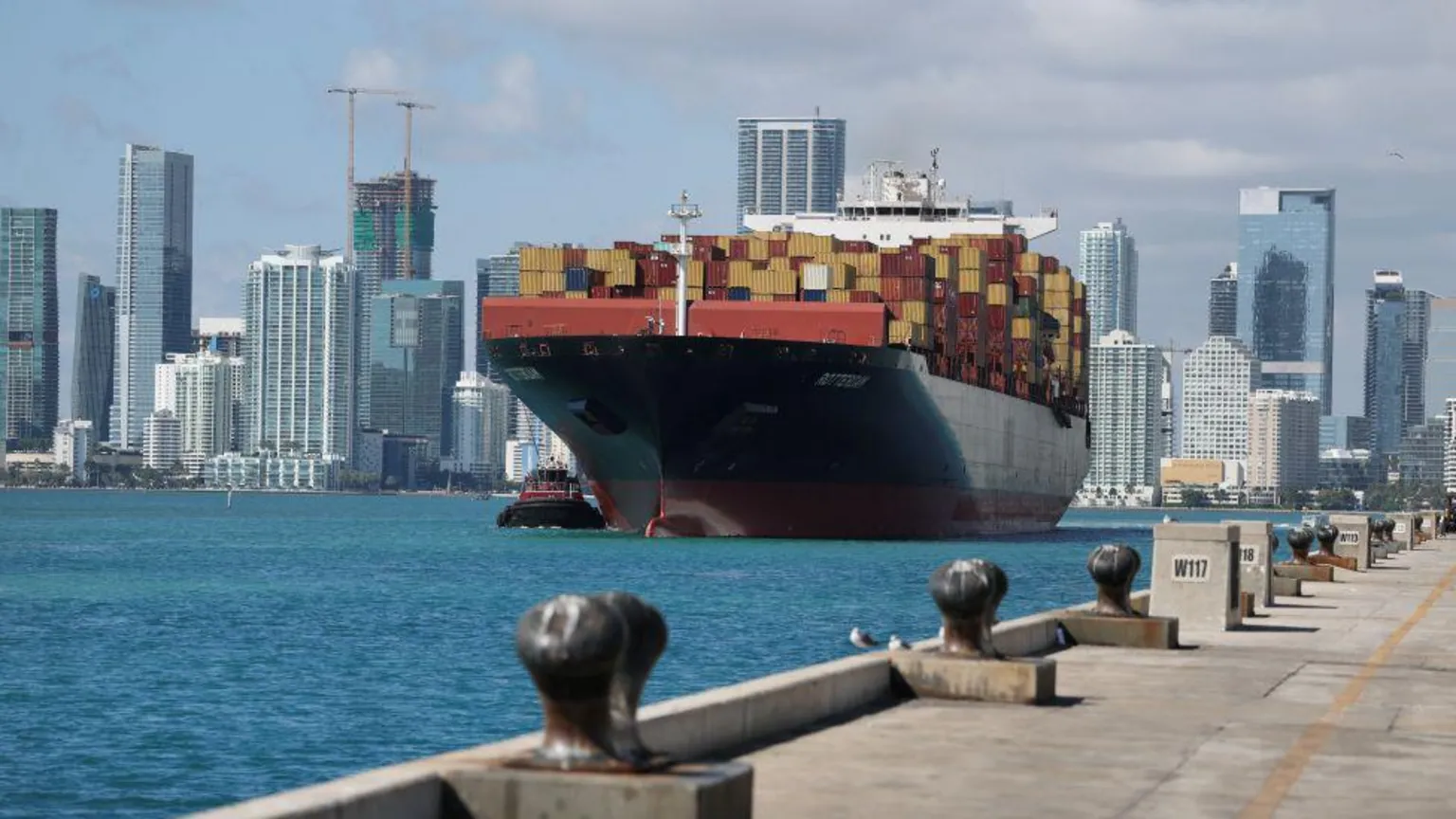

The ruling also raises the possibility that the administration may need to return much of the tariff revenue collected over the past year. Although the Supreme Court left this issue to lower courts, Justice Brett Kavanaugh cautioned in his dissent that the ensuing process would likely be complicated.
"The process is likely to be a 'mess'."
Preparation and Alternative Options
The Trump administration had ample time to prepare for the ruling. Supreme Court precedent and the justices' demeanor during oral arguments in November suggested an adverse outcome was plausible.
Jamieson Greer, Trump's chief trade adviser, stated last month that the White House had "a lot of different options" if the tariffs were invalidated.
"The reality is the president is going to have tariffs as part of his trade policy going forward."
However, alternative legal avenues for imposing tariffs are more constrained. They require detailed agency reports to justify tariffs and impose limits on their scope and duration.
The era when the president could unilaterally impose high tariffs with minimal notice appears to be over. New tariffs will require longer lead times, potentially reducing economic disruption and allowing other nations more time to respond.
Political and Legislative Challenges Ahead
If Trump seeks to regain broad tariff authority, he could request explicit authorization from Congress, as the Supreme Court indicated is necessary. Yet with narrow Republican majorities in both chambers and midterm elections approaching, such efforts face significant hurdles.
Some conservative allies in Congress may welcome the ruling, as Trump's tariffs and their impact on consumers have been unpopular among many Americans. Republican candidates in competitive districts could have been vulnerable to Democratic criticism for supporting these policies, a vulnerability now somewhat diminished.
Upcoming State of the Union Address
The ruling sets the stage for an awkward moment during Trump's upcoming State of the Union Address on Tuesday, where many Supreme Court justices traditionally sit in the front row of the chamber.
After months of issuing dire warnings against the court, the president may face the justices who dismantled a key component of his second-term agenda.


