Devastating Storms Impact Hawaii’s Farms
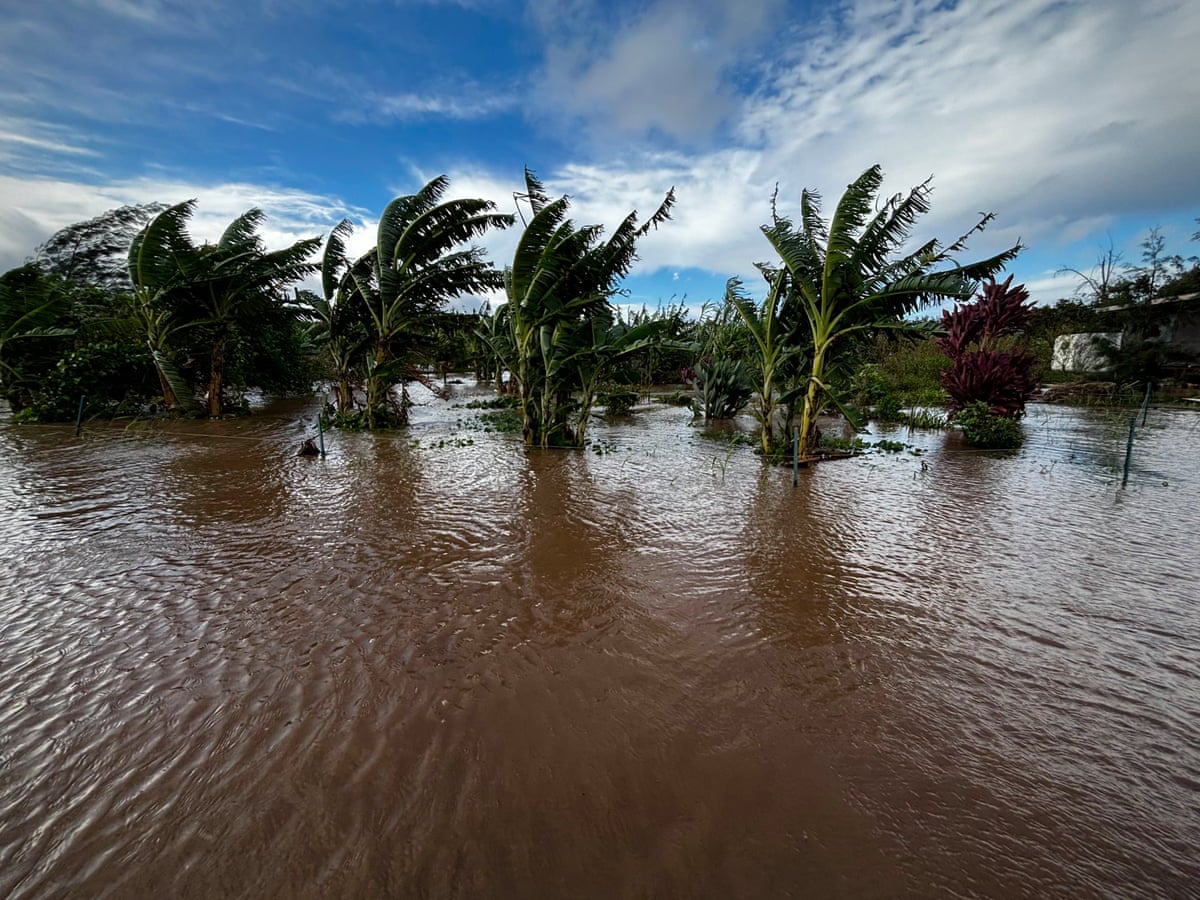
Two kona low storms brought up to 50 inches of rain to Oahu, causing widespread flooding of fields and submerging farming equipment.
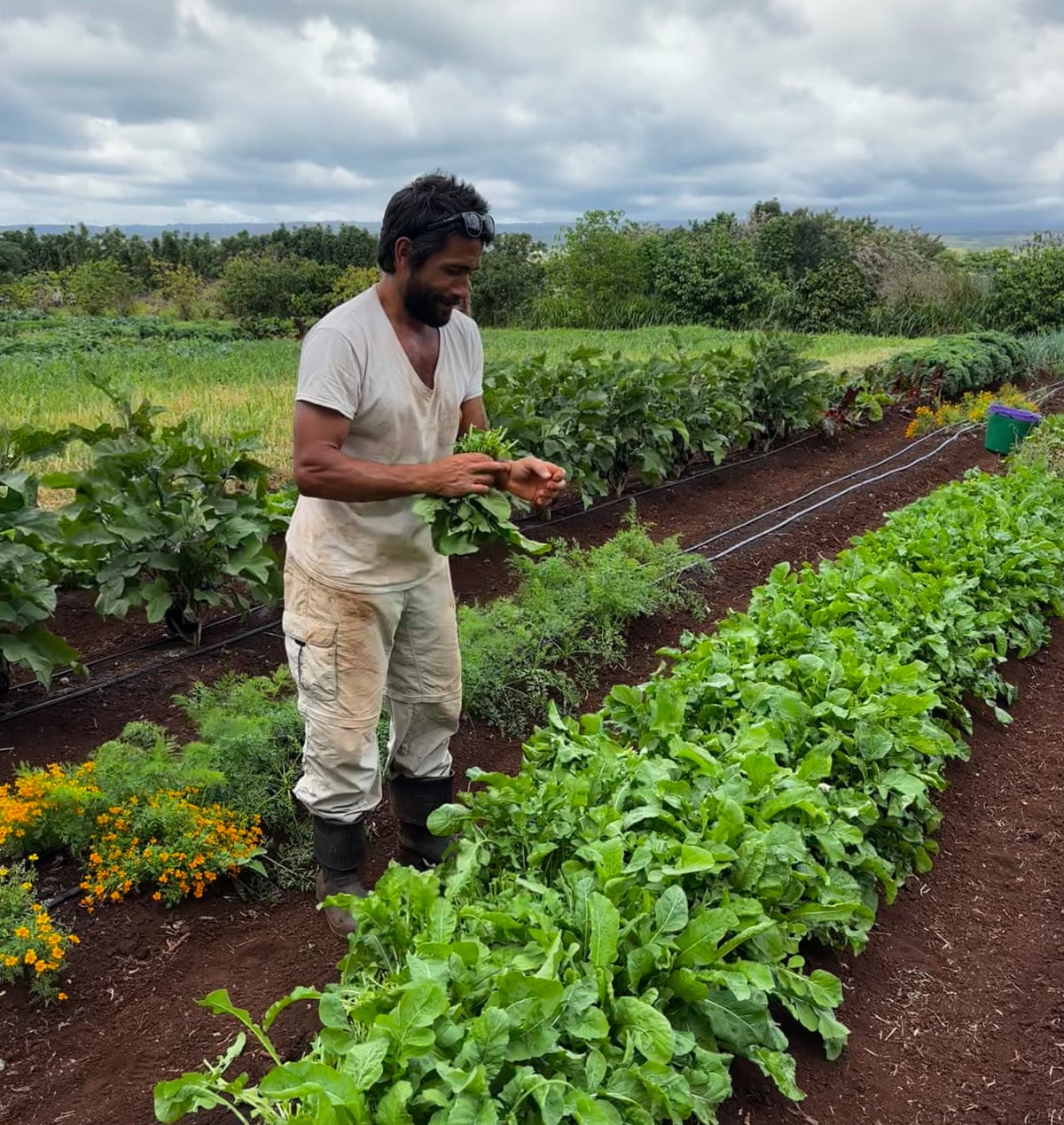
Eddie Oroyan’s farm was flourishing before the storms struck. He and his wife had established LewaTerra Farm last year on a scenic area on Oahu’s north shore. They supplied vegetables to local customers, farmers’ markets, and restaurants.
During the week of 10 March, the first kona low storm hit, delivering heavy rainfall that flooded their land and destroyed crops. Nearly all their papayas were lost, and the tomatoes did not survive. Despite this, the couple began cleaning, replanting, and securing crops, optimistic about recovering soon.
“It was looking really positive. We were like, OK, we’re going to make it out of this,”
However, days later, a second, more severe storm struck the Hawaiian Islands. It flooded neighborhoods, triggered over 200 rescues, washed houses off foundations, and submerged extensive areas.
Oroyan and his wife evacuated through chest-deep water and returned to find near-total destruction.
“The crops were completely covered and had already been underwater earlier that week. The disease was already setting in,”
One week after the storms, Hawaii is beginning to address the extensive damage, which includes some of the worst flooding since 2004. Officials estimate the cost at $1 billion. Farmers, especially on Oahu, have been severely affected. More than 300 farms have reported approximately $17.5 million in damages as of this week, according to Brian Miyamoto, executive director of the Hawai‘i Farm Bureau.
“This is so widespread that the need is astronomical,”
Cleanup is expected to be prolonged due to debris, damaged roads, and thick mud both indoors and outdoors.
Hawaii had been on alert for a "large and powerful" storm expected to bring strong winds, thunderstorms, and flooding. Governor Josh Green issued an emergency proclamation to mobilize additional resources.
On Oahu, the state’s third-largest and most populous island, farmers prepared for the forecasted storm.
“This is not our first rodeo with intense flooding,”said Haley McKinnon, who operates Ahiki Acres, a vegetable farm she founded with her husband, Matthew, in Waimanalo on the island’s east side.
Blake Briddell and Brit Yim, who have managed an eight-acre farm on former sugarcane plantation land on the north shore for eight years, took precautions by elevating nursery and storage items to protect their breadfruit, mango, and citrus trees.
The storm arrived earlier than expected. The first front brought continuous rain, dropping about 20 inches in McKinnon’s area, which usually receives 30 inches annually. Water levels on Briddell’s farm rose steadily, prompting evacuation.
The heavy rains caused significant damage, flooding fields, saturating soil, and resulting in loss of harvested crops due to power outages and damaged equipment.
Much of the land tended by Oroyan and his wife, Jessica Eirado Enes, was coated in thick mud due to the dense clay soil. This mineral-rich soil, formed over millions of years of mountain erosion, is fertile but poorly absorbs water, making it difficult for shoes and tractors to move.
The couple spent days cleaning their land, drying soaked equipment, and replanting crops such as eggplant and okra that had fallen over.
McKinnon and Briddell also worked to recover. Although another kona storm was forecast, it was expected to be less severe. Briddell reflected on their mindset before the second storm:

“It’s silly looking back, but we were talking about how it might be nice to get a little bit of rain to wash the mud off of everything. Like a little bit of rain would be welcome,”
Briddell awoke at 1:30 a.m. on 20 March to find water surrounding their farm’s small living area, which is situated at the highest point on the property. The water was shin-deep, making the road impassable.
“We knew we were stuck at that point and it was just a matter of ‘OK, everything that we can get back up elevated, let’s do it’,”Briddell said.
“The water at that stage was raising about a foot every 20 minutes. I’ve never seen anything like it. You could literally see the water line climbing.”
Meanwhile, as the storm made landfall, Oroyan was harvesting beets and lettuce in the rain, trying to get them out before the ground became too muddy. He noticed water overwhelming a nearby culvert and approaching a drainage ditch on the property.
He and his wife prepared again, moving valuable heavy equipment, a solar generator, and a washing machine.
“Within 20 minutes of me saying we should start prepping it was at the foot of the living space,”Oroyan said.
“Twenty minutes later it was up to their knees, and they drove their vehicles to higher ground with water submerging the hoods of their cars. They made it to a neighbors after walking through chest-deep water.”
Briddell and Yim wore wetsuits and stored dry clothes in a cooler. Knowing their cats would not leave and they could not swim with them, they placed wet food on the rafters where the cats would be safe. They swam a quarter-mile to their kayak and met a friend who provided a vehicle for evacuation.
“The drive was scarier than the swim. The water ripping down the roads. You’re driving with the tailpipe pipes submerged for miles where you can’t let off the gas,”Briddell said.
After the storms, parts of the north shore resembled a war zone, Oroyan said.
Hawaii is accustomed to extreme weather, including a 2024 storm that caused landslides in Kauai, but this event surprised meteorologists. Experts attribute the increasing frequency and intensity of heavy rains to the climate crisis.
Oroyan and Briddell returned to farms severely damaged by flooding and crop loss. Oroyan reported that coolers and drawers containing scales and supplies were washed away to a nearby airfield and some even reached the ocean. Floodwaters reached heights of up to 9 feet.
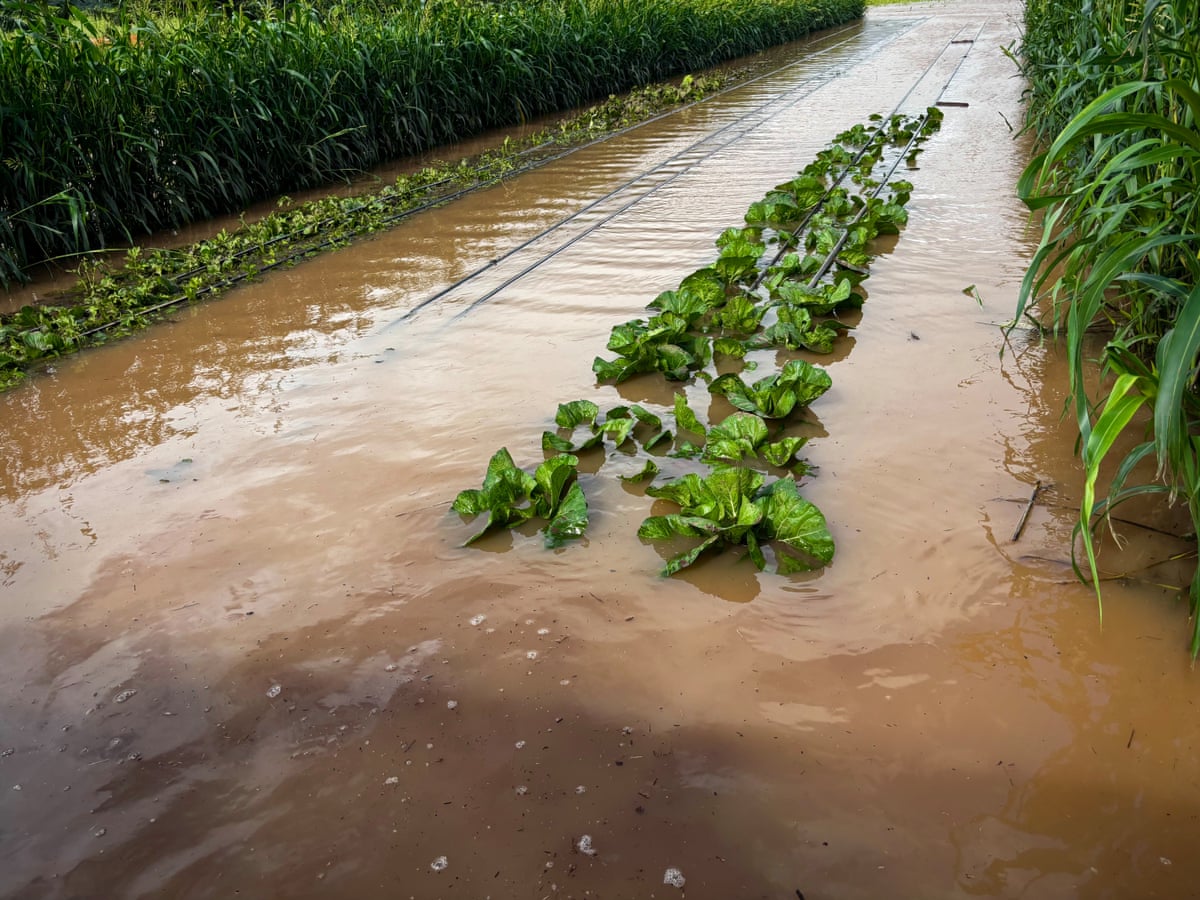
Although water receded quickly on Oroyan’s land, crops were submerged and disease had begun. Okra was the only crop that appeared to survive.
Most trees on Briddell’s property were submerged nearly to their tops, and he anticipated root rot would kill most. He and Yim spent every available moment cleaning between floods and now face the task again.
“To mop out mud from the same building twice is just pretty defeating, but we’re doing our best to keep spirits high,”he said.
McKinnon’s farm also suffered. She remains confident in the farm’s future but expects no crops for some time. Nutrients have been washed away, altering the soil composition.
“It could take years to get back to where we were,”she said.
Recovery and cleanup efforts are in early stages. Damage reports are substantial. Of the $17.5 million in reported damages, Oahu accounts for at least $8.1 million, and Hawaii Island $6 million, according to Miyamoto.
The state has initiated a $500,000 emergency relief fund for farmers, offering grants up to $1,500. The Hawai‘i Farm Bureau and Hawaiʻi Agricultural Foundation have also organized relief funds.
Concerns remain about the future of agriculture in Hawaii, which has been in decline for decades despite efforts to diversify and grow. All farmers interviewed expressed commitment to enhancing food security on the islands, which import up to 90% of their food supply.
“It’s a tough business,”Miyamoto said, particularly in Hawaii with narrow profit margins. Many farmers have lost their investments and lack crop insurance, meaning losses extend beyond a single year.
“Unless we can find resources to assist them in their recovery, the long-term impact could be we have less farms and ranches and we have less food production and ag production in the state of Hawaii,”he said.
“That’s something that we’re trying to reverse.”
Community support has been significant. Oroyan noted neighbors helping clear roads and land and gathering donations.
Fundraisers for Oroyan have generated substantial funds to reinvest in his farm.
“There’s just like an amazing ground effort by the people who live here. And so we definitely don’t feel alone in this. If that was the case, I don’t think we could pick ourselves up from this disaster,”Oroyan said.