

Local Concerns at Foxborough Select Board Meeting
At a meeting of the Foxborough Select Board in Massachusetts, discussions unfolded regarding the financial responsibilities tied to hosting World Cup matches at Gillette Stadium. The board, which typically handles local matters such as sewer hookups, liquor licenses, and zoning, found itself addressing a complex issue involving global sports governance and federal funding uncertainties.
As the meeting was about to begin, a concerned local resident approached the board with a pressing question about the upcoming World Cup event.
“Do you think we’re going to have the here?”
The board members, who serve as the primary governing body of the town, are responsible for issuing licenses for Gillette Stadium, home of the NFL’s New England Patriots. This summer, the stadium is scheduled to host seven World Cup matches, including England’s second group game against Ghana and a quarter-final match. The board has recently become entangled in negotiations involving FIFA, the global governing body of football, and the federal government.
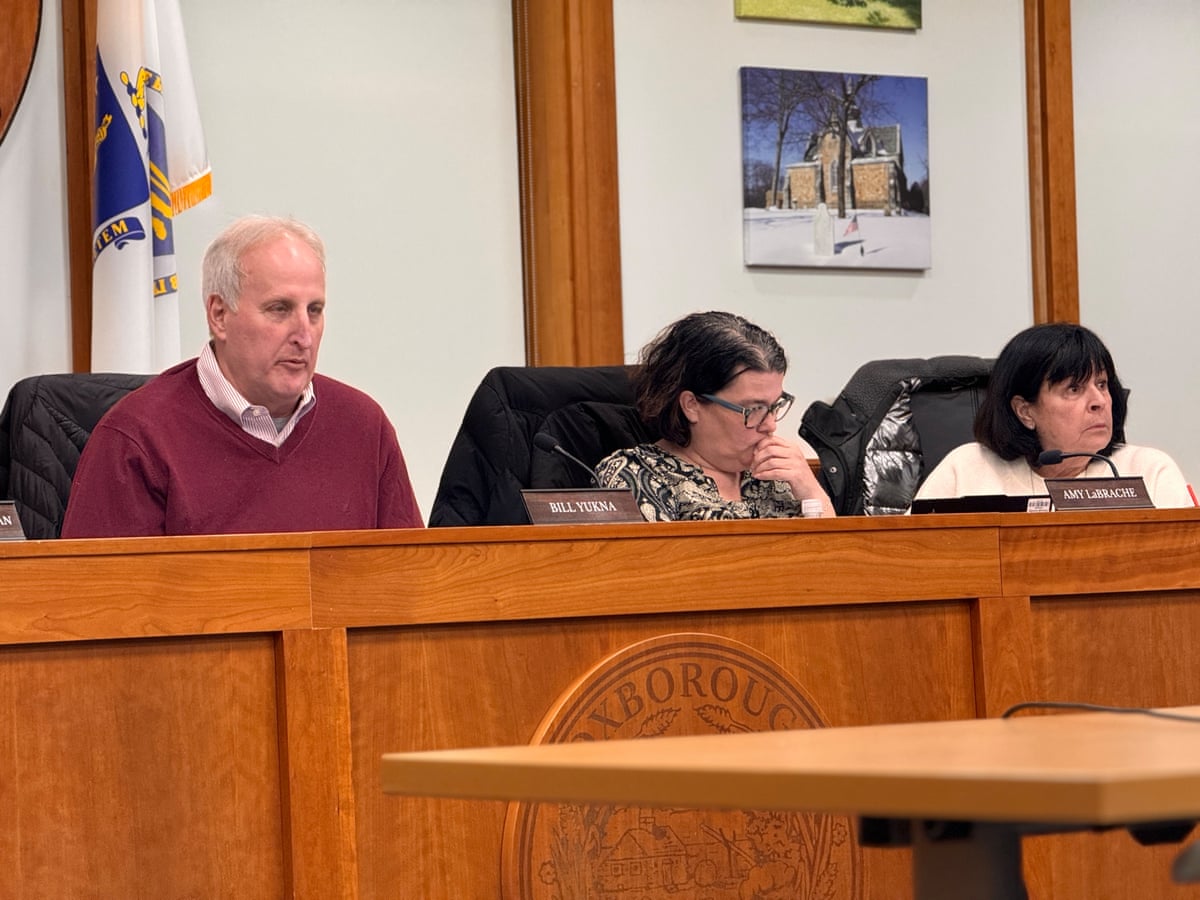
Foxborough’s Background and Board Composition
Foxborough is a small town with a population of approximately 18,000, located at a considerable distance from Boston. Its town square retains a quaint, colonial atmosphere. Historically, before the Patriots arrived in the 1970s, Foxborough was known for its straw hat manufacturing industry, which ended after a major factory fire in the early 1900s.
The Select Board members reflect the town’s modest character. Stephanie McGowan, a mother of two, has worked at a local restaurant for 22 years. Amy LaBrache is an insurance agent, and other members include a chiropractor and the town’s recreation department director. They conduct meetings informally, without formal attire.
Unpaid Security Expenses and Financial Concerns
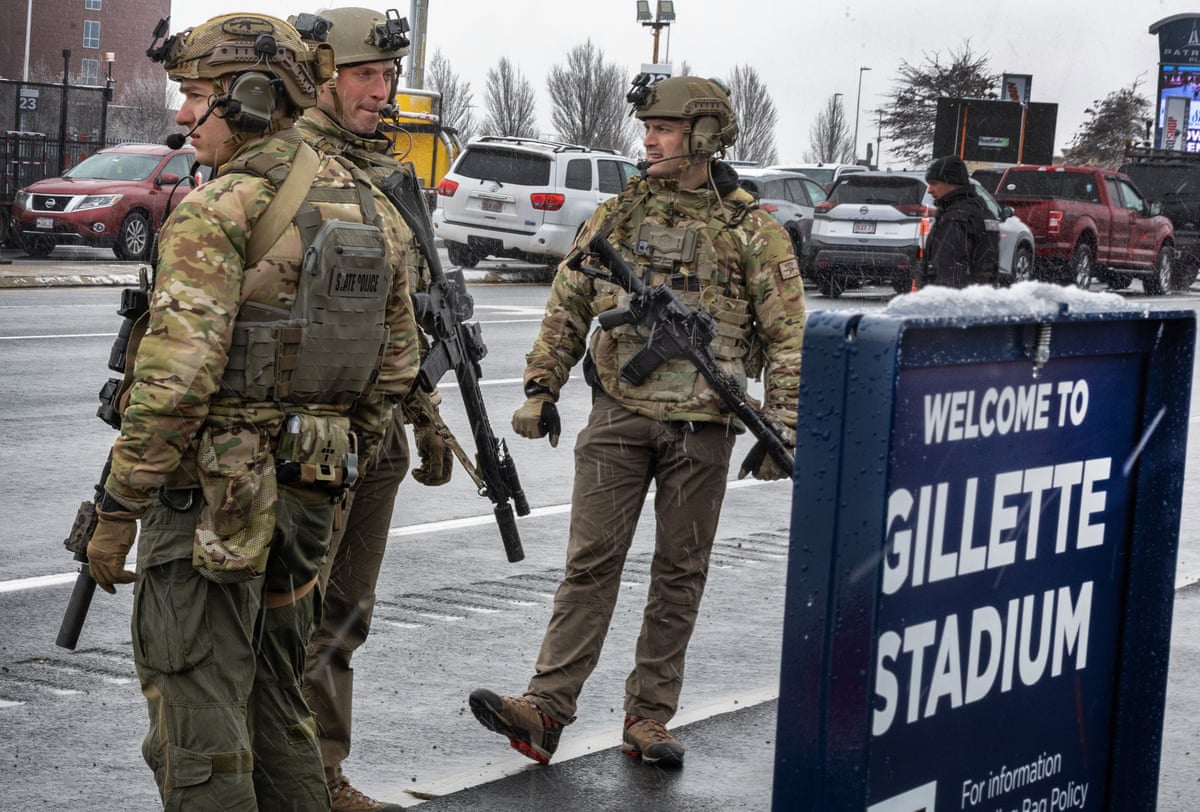
The central issue discussed at the meeting was an outstanding $7.8 million security expense related to the World Cup matches. This amount was expected to be covered by federal government funds and the Boston World Cup planning committee but has not yet been received. The delay raises concerns that the town may ultimately bear the cost.
The federal portion of the funding is tied to a Federal Emergency Management Agency (FEMA) grant, which has been delayed due to a partial federal government shutdown affecting the Department of Homeland Security (DHS), which oversees FEMA. There is no clear timeline for resolution of the funding impasse.
FIFA representatives deferred responsibility to the city of Boston and the Kraft family, owners of the Patriots and the New England Revolution soccer team. Boston’s host committee acknowledged contractual obligations to pay the expenses but has not proposed a solution.
The financial burden on Foxborough would be significant. The $7.8 million shortfall equates to over $1,000 per household, or roughly 10% of the town’s annual budget. While the Kraft family typically covers security costs for events at Gillette Stadium, World Cup matches fall outside their existing agreements with the town.
Negotiations and Legal Discussions
Despite the financial concerns, it appears unlikely that the World Cup matches will be disrupted, given the substantial funds involved and the capacity of FIFA and Boston’s host committee to cover costs. The Select Board maintains its authority to make decisions in the town’s best interest.
During the meeting, Bill Yukna, chair of the Select Board, noted the absence of representatives from Boston 2026 or FIFA. Shortly thereafter, Boston host committee CEO Mike Loynd and two attorneys arrived to address the board.
Gary Ronan, a lawyer representing Boston 2026, addressed the key question of who would cover the town’s expenses if federal funds do not materialize.
“Who is going to make sure that the town is not left holding the bag, and the federal grant money doesn’t come through? We want to give you a very clear answer to your question … who is going to backstop this obligation, if for whatever reason the federal money does not come through, is Boston Soccer 2026.”
Ronan stated that the host committee has a substantial reserve of funds for planning and that the Kraft family, described as billionaires, has committed to covering any shortfalls. He indicated that a formal commitment letter from the Krafts would be provided within days.
Furthermore, Ronan assured the board that if the town experiences difficulties paying police and fire personnel for World Cup-related services, the host committee would reimburse those costs within 48 hours. These commitments could be legally incorporated into the stadium license.
Concerns Over Safety Equipment and Timing
However, Ronan also mentioned that the town’s requested safety equipment would be delivered by June 1, just 12 days before the first World Cup match at the stadium. This timeline was met with strong opposition from board members and town officials.
“It’s not acceptable,”
said Yukna, echoed by town manager Paige Duncan, who emphasized the increasing security risks in the current global environment.

“This is building a plan in an extremely scary world,”
Duncan stated,
“getting scarier by the weekend.”
The initial optimism from the host committee diminished as the meeting progressed. They presented slides outlining the collaboration between the town, host committee, and FIFA. One slide highlighted legal constraints on the board’s authority.
The slide read in capital letters:
“THE BOARD’S DISCRETION IS LIMITED BY MASSACHUSETTS STATUTES AND THE TOWN’S STADIUM REGULATIONS.”
Peter Tamm, another host committee lawyer, explained that the board’s authority is restricted to issues of safety, health, and order, not municipal finance.
This position suggested that the board lacked power to refuse the license based on financial concerns, a stance challenged by the town’s lawyer, Lisa Mead.
“With all due respect,”
Mead said,
“the board has broad discretion on this license, on their determination of whether or not the applicant will be able to fill the public safety requirements and protect the health and welfare of those people attending the event. How they make that determination is fully at the discretion of the board, and their past practice on what they accept or do not accept … does not have an impact or restrain the board in any way.”
Local Resistance and Police Chief’s Testimony
The Select Board’s stance reflects a small town’s effort to protect its interests amid pressures from a global event. While some grandstanding is evident on both sides, the situation underscores the tension between local governance and international organizations.
Police Chief Mike Grace expressed frustration regarding the timing and funding of necessary safety equipment.
“We are 99 days away from hosting the largest sporting event in the world,”
Grace stated,
“and we can’t seem to find necessary funding for necessary equipment that’s been identified for over a year and a half of planning. Thousands of hours, 14 working groups throughout the Commonwealth of Massachusetts. Waiting until June 1st is unacceptable.”
He concluded with a personal appeal:
“Please don’t do that to me.”
Media Attention and Future Proceedings
Although council meetings typically attract little media coverage, this meeting drew numerous cameras and reporters from across Massachusetts. Attempts to question Boston host committee representatives outside the chambers yielded limited responses. CEO Mike Loynd declined to answer why FIFA does not directly cover the security costs.
Inside the chambers, Yukna addressed the media, emphasizing the board’s authority.
“You heard from our legal council,”
he said,
“that we have full authority and ability to make whatever decision is in the best interest of public safety and for the town. They can say whatever they want to say.”
Yukna also expressed skepticism regarding the host committee’s financial assurances. No resolution was reached during the meeting, with the next board session scheduled for March 17, when an official vote on the stadium license is expected.
The board members expressed fatigue over the media scrutiny.
“Quite honestly,”
Yukna remarked before departing,
“I wish we weren’t into this at all. I wish we had resolved all of this a while ago, and I wish we could just move forward.”


